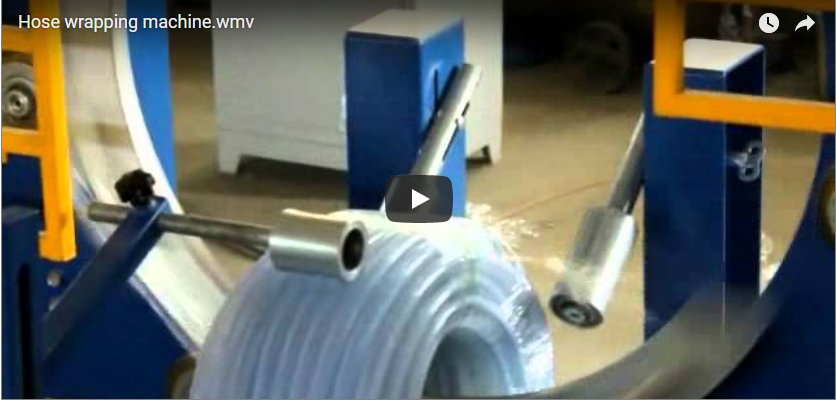
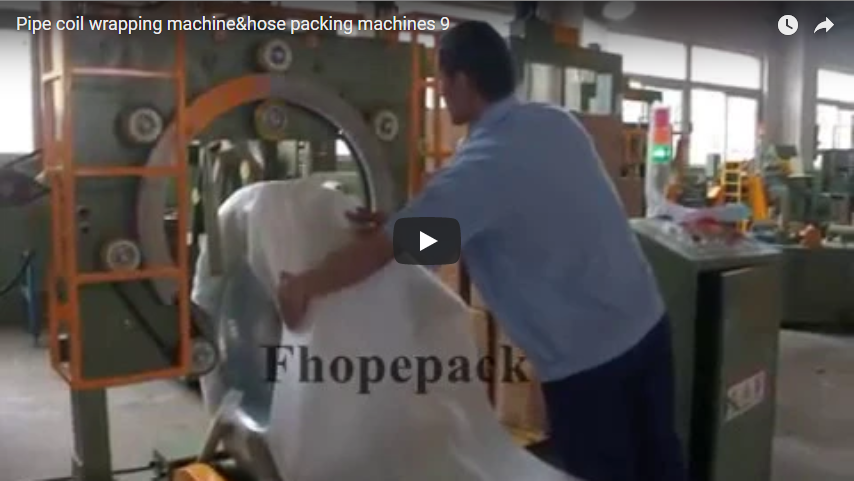
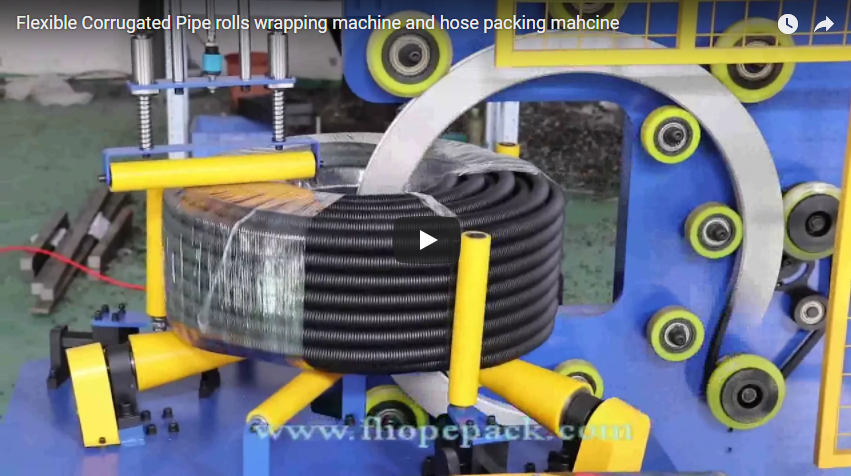
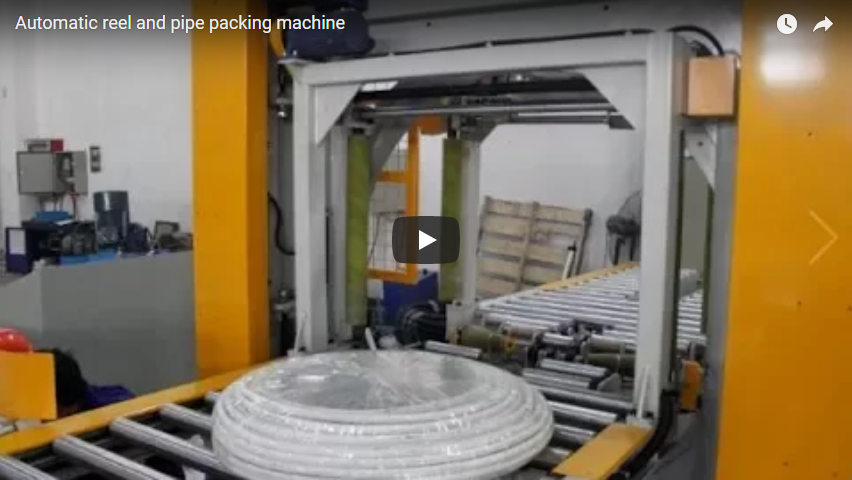
Pipe and tube coil packaging requires precise tension control, consistent cycle timing, and ergonomic material handling to prevent transit damage and optimize shift throughput. Selecting between fully integrated automation and modular semi-automatic stations depends on production volume, coil geometry variability, and available technical infrastructure. This analysis evaluates both configurations against quantified performance parameters, operational outcomes, and validation requirements to support capital allocation decisions.
🛠️ Evaluation Criteria for Coil Packaging Systems
Selecting coil packaging equipment requires evaluating cycle efficiency, material versatility, safety compliance, total cost of ownership, and maintenance complexity. These parameters directly dictate throughput capacity, labor allocation, regulatory alignment, and long-term operational reliability across diverse manufacturing environments.
Cycle efficiency is measured by the time required to complete one strapping operation, with automated heads typically achieving 15 to 20 seconds per strap depending on parcel dimensions. This metric directly correlates with shift throughput and direct labor costs. Safety compliance must address manual handling risks; systems that automate corner protector insertion, dunnage retrieval, and pack lifting significantly reduce operator exposure to repetitive strain and heavy lifting, aligning with general material handling guidelines. Total cost of ownership extends beyond initial purchase price to include film and strap consumption, utility requirements, and preventive maintenance. Note: All CAPEX, ROI, labor savings, and damage reduction figures referenced in this guide are illustrative estimates requiring direct supplier validation and facility-specific audits. Material versatility determines whether a system can accommodate varying coil outer diameters, inner diameters, and substrate types without extensive retooling. Maintenance complexity hinges on mechanical accessibility and control architecture; systems featuring internal cleaning kits and heavy-duty strapping heads for steel or PET strap up to 1¼ inches reduce unplanned downtime and simplify routine servicing.
🏗️ Option A: Fully Integrated PLC-Controlled Packing Line
Fully integrated PLC-controlled packing lines automate the entire strapping and wrapping sequence, delivering consistent 15-to-20-second cycle times per strap while eliminating manual material handling. This configuration maximizes shift throughput, reduces operator exposure to heavy lifting, and standardizes bundle integrity for high-volume production facilities.
Integrated work cells combine wrapping and strapping into a single automated workflow, utilizing programmable logic controllers (PLCs) to synchronize motion, tension, and cycle sequencing. The system employs heavy-duty strapping heads capable of securing PET or steel strap up to 1¼ inches, ensuring bundle rigidity during transit. Automated dunnage retrieval and insertion, combined with pack lifters that elevate stacks for consistent wrapping, eliminate manual lifting of scrap pieces and reduce corner protector placement errors. A super jumbo dispenser holding up to three 660-pound strap coils minimizes material changeovers during extended shifts. Disclaimer: Projected labor reductions and cycle time gains are hypothetical benchmarks; actual performance must be validated against your facility’s coil dimensions and shift schedules. Maintenance requires familiarity with mechatronic systems, though features like internal cleaning kits and standardized strap guides simplify routine upkeep. Integration with cloud-based data tracking systems enables real-time monitoring of package details, machine status, and production levels, supporting continuous improvement initiatives.
🔗 Related: Explore more solutions
📈 Option B: Modular Semi-Automatic Wrapping & Strapping Station
Modular semi-automatic stations separate wrapping and strapping functions into independent work cells, offering lower initial capital expenditure and superior adaptability for variable coil geometries. This approach prioritizes operational flexibility and simplified mechanical maintenance, making it ideal for job-shop environments with frequent product changeovers.
Modular configurations deploy standalone wrapping and strapping machines connected by manual transfer carts or short conveyors. Operators position coils between stations, allowing manual adjustment of film overlap and strap placement for non-standard dimensions or flexible hose coils. The strapping component retains heavy-duty heads rated for PET or steel strap up to 1¼ inches, maintaining bundle security despite manual handling. Cycle efficiency decreases due to manual transfer, typically adding 3 to 5 minutes per coil to the overall workflow. Note: Financial projections and throughput estimates are illustrative and must be confirmed through supplier testing and site audits. Maintenance complexity is reduced because each station operates independently; mechanical troubleshooting does not require advanced PLC diagnostics, and downtime on one unit does not halt the entire packaging sequence. This modularity supports phased automation upgrades, allowing facilities to add automated dunnage insertion or sheet lifters as production volume justifies capital expansion.
🛡️ Comparative Analysis: Integrated Line vs. Modular Station
Comparing integrated lines against modular stations reveals a direct trade-off between automated throughput and upfront capital flexibility. Integrated systems optimize cycle consistency and labor reduction, whereas modular configurations provide scalable deployment and lower technical barriers, requiring careful alignment with actual production volume and facility constraints.
| Criteria | Fully Integrated PLC-Controlled Line | Modular Semi-Automatic Station |
|---|---|---|
| Cycle Time per Strap | 15–20 seconds (automated sequencing) | 15–20 seconds per strap + 3–5 min manual transfer |
| Labor Allocation | 1–2 operators per shift (loading/unloading) | 2–3 operators per shift (station management + transfer) |
| Initial CAPEX | Higher (illustrative estimates require validation) | Lower (illustrative estimates require validation) |
| Material Handling | Automated corner protectors, dunnage insertion, pack lifters | Manual positioning; operator adjusts film/strap placement |
| Strap Capacity | Super jumbo dispenser: 3 × 660 lb coils | Standard dispensers; manual coil changes |
| Maintenance Profile | Advanced mechatronics; internal cleaning kits | Intermediate mechanical; independent station servicing |
| Best Application | High-volume, standard dimensions, maximum throughput | Low-to-medium volume, high product variability, flexible deployment |
Disclaimer: All performance metrics, cost ranges, and labor savings are hypothetical benchmarks. Actual outcomes depend on coil weight, transport conditions, and regional utility standards. Validate all figures with supplier technical teams and conduct on-site facility audits before capital commitment.
🔗 See Also: Related equipment
⚙️ Strategic Selection Framework
Strategic equipment selection must align with shift volume thresholds, product dimension variability, and available technical support infrastructure. High-volume operations benefit from automated dunnage insertion and pack lifters, while mixed-production facilities require manual adjustment capabilities and modular scalability to maintain cost-effective packaging workflows.
Facilities processing over 100 coils per shift with consistent outer and inner diameters should prioritize integrated lines. The automation of master stack formation via sheet lifters or gantry cranes, combined with consistent strap tension, minimizes transit damage and standardizes outbound logistics. For operations managing 50 or fewer coils per shift, or those handling frequent OD/ID variations, modular stations reduce technical risk and allow operators to adapt wrapping parameters without reprogramming control systems. Note: Industry 4.0 integration, such as cloud-based production tracking, is optional and varies by manufacturer; confirm data portability requirements with your IT and operations teams. Power and compressed air requirements differ across equipment classes; assume standard industrial voltage (e.g., 480V three-phase) and airflow (e.g., 5 CFM at 90 PSI) as baseline assumptions, but verify exact specifications with each supplier. General industry safety standards (e.g., ISO 12100 for risk assessment, OSHA material handling guidelines) should be treated as compliance baselines rather than mandatory checklists, as regional regulations may impose additional requirements.
🛠️ Pre-Purchase Validation Checklist
Pre-purchase validation requires verifying mechanical specifications, utility requirements, and supplier support frameworks against actual facility conditions. All performance benchmarks and financial projections must be treated as illustrative estimates, necessitating direct supplier testing and comprehensive site audits before final capital allocation decisions.
-
[ ] Verify Compliance Baselines: Request documentation aligning with ISO 12100 risk assessment and regional material handling guidelines. Treat certifications as industry baselines; confirm local regulatory requirements separately.
-
[ ] Conduct Physical Product Testing: Ship actual coil samples (not CAD drawings) to the supplier for live wrapping and strapping trials. Measure real-world cycle times and inspect strap tension consistency.
-
[ ] Confirm Strap & Dispenser Capacity: Verify the strapping head accepts PET or steel strap up to 1¼ inches. Ensure the super jumbo dispenser (3 × 660 lb coils) matches your shift consumption rate.
-
[ ] Assess Maintenance & Support Framework: Obtain binding quotes for annual maintenance contracts. Confirm technician response times and regional service coverage. Assumption: Power, air, and integration requirements vary by manufacturer and regional standards; validate before installation.
-
[ ] Calculate Total Cost of Ownership: Include installation, operator training, spare parts kits, and consumable costs. Disclaimer: CAPEX, ROI, labor savings, and damage reduction figures are illustrative estimates requiring supplier validation and facility audits.
-
[ ] Evaluate Data Integration Needs: If production tracking is required, confirm PLC compatibility with cloud-based storage systems for package details, machine status, and output metrics.
Frequently Asked Questions
Which system handles heavy steel pipe coils over 4,000 kg? Integrated lines are recommended for heavy coils due to automated pack lifters and consistent strap tension application. Steel strapping remains the standard for extreme weights, though high-tensile PET strap up to 1¼ inches may be viable for non-extreme export routes. Validate strap selection with supplier load-testing.
Can modular stations be upgraded to full automation later? Yes. Modular configurations can be retrofitted with conveyors, automated dunnage insertion, and PLC controllers as volume justifies expansion. Ensure initial machines include standard I/O ports for future connectivity. Note: Upgrade costs and cycle time improvements are illustrative; confirm with your equipment supplier.
What maintenance intervals apply to automated strapping heads? Heavy-duty heads require routine inspection of strap guides, tensioners, and sealing jaws. Systems with internal cleaning kits reduce adhesive buildup and extend service intervals. Annual maintenance typically covers wear parts; exact costs vary by manufacturer and usage intensity.
Does VCI film require specialized wrapping settings? Volatile corrosion inhibitor (VCI) film requires adjustable pre-stretch tension to prevent tearing while ensuring even chemical coverage. Verify the machine’s maximum pre-stretch ratio with the supplier and test on actual coil samples before deployment.