Executive summary
In cable production, the winding step sets how much of the line’s capacity actually lands in finished coils, and a slow winder wastes the speed ahead of it. This high speed automatic wire winding machine runs online with integrated accumulation, changing the production rhythm and keeping the line fed. We build high speed online automatic wire winding machines. Wire range and line plan are confirmed per project.
Table of Contents
- Why speed needs accumulation
- What the machine does
- High speed winding online
- Integrated accumulation
- Servo driven precision
- Dynamic tension control
- Typical configuration
- What the video shows
- Selection checklist
- Operation and safety
- Engineering FAQ
- Next step
- Related reading
- Sources and standards
Why speed needs accumulation
A fast winder that has to stop the line at every coil change gives back its speed, which is why online winding needs accumulation. A changing or stopping winder makes the line before it wait, wasting the capacity upstream. Accumulation lets the changeover happen while the flow keeps moving. The line rhythm and its demand are confirmed per project.
What the machine does
The machine winds wire online at high speed, taking the wire from production and winding it onto coils while a built-in accumulator absorbs the wire during each changeover. The machine keeps the upstream line running through the coil change, winding steadily. Because high speed is paired with accumulation, the machine’s speed becomes real line throughput. The covered steps are confirmed per project.
High speed winding online
Winding online means the machine does not pull the wire to a side station: it winds the production flow itself, at high speed. High speed online winding is what lets the machine keep pace with the line ahead of it. The machine turns line output into coils without a break at the winder. Speed and online integration are confirmed per project against the line.
Integrated accumulation
An accumulation section holds wire during the moments a coil change takes, so the upstream line is not asked to stop. Accumulation is the bridge between a continuous flow and a step-by-step winder. The accumulator releases the held wire as the next coil starts, keeping tension and rhythm. The accumulator capacity follows the changeover time, confirmed per project.
Servo driven precision
The machine runs on servo drives, which set each motion precisely where the winding pattern needs it. Servo driven motion is what keeps the wire laid evenly as speed and pattern vary. Precision in the drive means precision in the coil. The servo plan follows the wire range and speeds, confirmed per project.
Dynamic tension control
Wire tension is controlled dynamically, adjusting as wire diameter and spool build change during the wind. Dynamic control keeps the coil tight and even without over-stretching the wire. Tension that adapts is what keeps quality across a changing line. The tension profile is confirmed per project against the wire grades.
Typical configuration
Figures below list functional design boundaries rather than numeric values, and are confirmed per project.
| Parameter | Typical range, confirmed per project |
|---|---|
| Wire | cable range |
| Winding | high speed, online |
| Accumulator | integrated |
| Drive | servo |
| Tension | dynamic |
| Electrical supply | 380 V three phase 50 Hz, or 220 V single phase for light machines, selected per project |
What the video shows
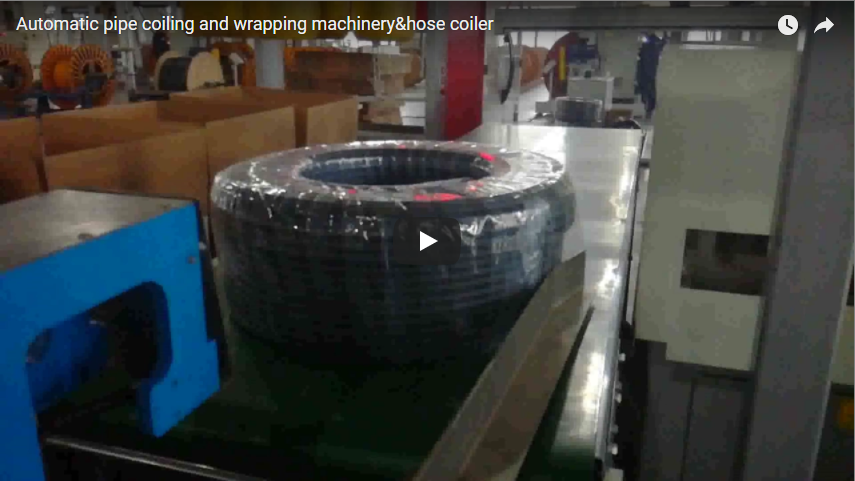
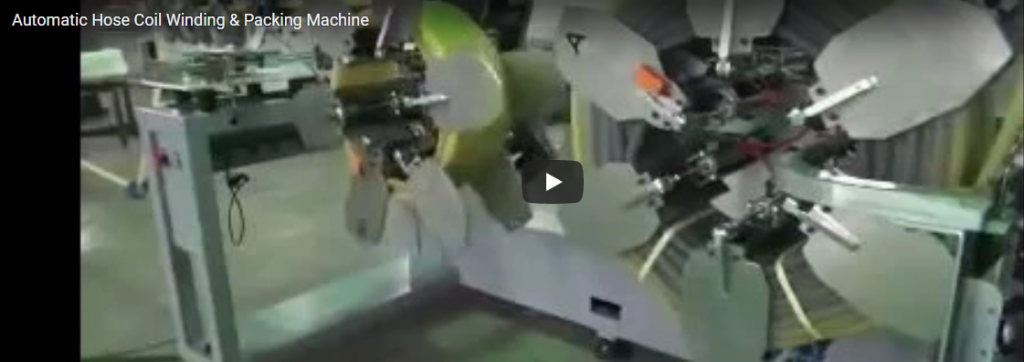
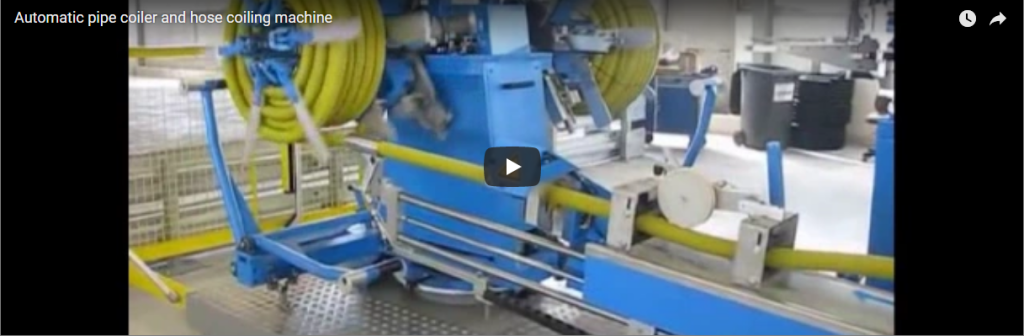
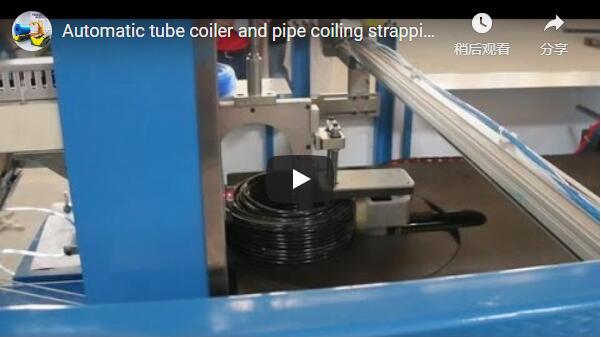
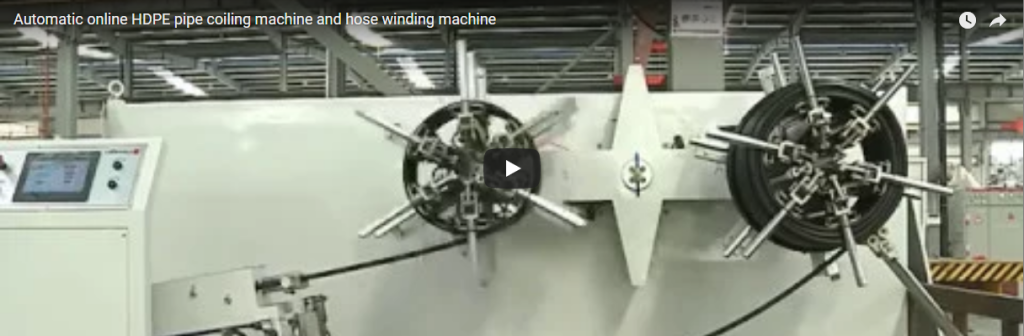
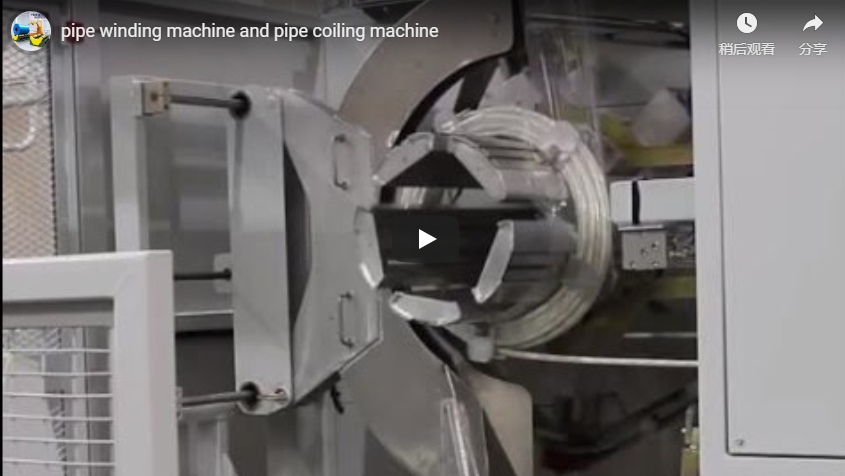
Our footage shows a high speed online automatic wire winding machine running with accumulated flow. It is a general demonstration, so your wire range and line plan are confirmed with us per project.
Selection checklist
| Question | Confirm per project |
|---|---|
| Wire range | cable grades |
| Winding | online fit |
| Accumulator | capacity |
| Drive | servo |
| Tension | profile |
| Electrical supply | voltage, phase and frequency on site |
Operation and safety
Run the recipe from the panel and the machine winds coils online automatically, with the accumulator handling changeovers. Keep clear of the wire path, winding area, accumulator and outfeed while the machine runs, with guarding and emergency stops at the operator position. Routine checks cover the accumulator, drives, tension elements, sensors and control, per the machine manual. Confirm the winding settings against the wire before each run so coils stay even.
Engineering FAQ
Q: Why does high speed need accumulation? A: Accumulation keeps the line moving through the moments a coil change takes.
Q: How does online winding work? A: The machine winds the production flow directly instead of pulling it aside.
Q: What does the accumulator do? A: It holds wire during changeover and releases it as the next coil starts.
Q: Why servo drives? A: Servo motion sets each position precisely for an even winding pattern.
Q: How is tension handled? A: Dynamically, adapting as wire diameter and spool build change.
Next step
- Email us at info@fhopepack.com with your wire range and line rhythm.
- We send a winding proposal and a layout drawing within 48 hours.
- We arrange a site survey to confirm wire range and line integration.
Related reading
- Automatic steel wire winding machine
- Steel wire winding machine for client needs
- Steel Wire Coil Winding and Strapping System
- FHOPE packing machinery product lines
Sources and standards
- ISO 12100:2010 Safety of machinery, general principles for design and risk assessment
- EN 415-10:2014 Safety of packaging machines, general requirements
- EN ISO 13849-1:2023 Safety of machinery, safety-related parts of control systems
FHOPE high speed automatic wire winding machine demonstration video. Reviewed as a general demonstration; wire range confirmed per project.
Last reviewed: 2026-10-10