Executive summary
Foam glass is lightweight and rigid, prized for insulation, fire resistance and impermeability, and its edges and corners are its weak points in transit. This machine shrink-packs foam glass insulation panels automatically, enclosing the panel so its structure arrives intact from line to installation site. We build shrink wrapping systems for rigid large-format panels. Panel range and film plan are confirmed per project.
Table of Contents
- Why foam glass needs a package
- What the machine does
- Protecting edges and corners
- Shrink wrapping rigid panels
- The insulation panel focus
- From line to installation site
- Typical configuration
- What the video shows
- Selection checklist
- Operation and safety
- Engineering FAQ
- Next step
- Related reading
- Sources and standards
Why foam glass needs a package
Foam glass is light but rigid, and its thermal insulation, fire resistance and impermeability make it a demanding product to move without marks. Its structural integrity, especially the edges and corners, is at risk from the moment it leaves the line until it is installed. A packaging step has to protect those edges and keep the panel clean. The panel range and its handling are confirmed per project.
What the machine does
The machine shrink-wraps foam glass insulation panels automatically, enclosing each panel in film so its package protects the structure. Film is applied around the panel and drawn tight, holding the edge and corner areas against the handling the panel will see. Because the machine runs the same sequence on every panel, the protection does not depend on a hand wrap. The covered steps and film plan are confirmed per project.
Protecting edges and corners
The package protects the edges and corners of the panel, which are foam glass’s most vulnerable points in transit. A tight, enclosing film holds the edge areas together and prevents the corner impacts that chip rigid insulation. Protection means the film reaches the perimeter, not just the face. The coverage requirement follows the panel edges, confirmed per project.
Shrink wrapping rigid panels
Shrink wrapping suits large-format rigid materials because heat draws the film tight against a straight, flat panel without uneven folds. The film conforms to the panel’s sharp outline, holding the shape rather than sagging over it. Rigid panels shrink predictably, which makes the package tight and consistent panel after panel. The film and heat settings follow the panel, confirmed per project.
The insulation panel focus
The machine is designed around insulation panels, the large-format flat products that move in high numbers from producers to building sites. Insulation panels combine width with fragile edges, so the packaging has to protect and present them in one pass. The insulation panel range defines the machine’s capacity, confirmed per project against the panels actually run.
From line to installation site
A foam glass panel travels from the production line to the installation site through storage and transport, and the shrink package carries it through all of them. Protection across the journey is what stops rework and replacement arriving with the freight. The package that holds from line to site is the one the machine makes consistently. The journey and its protection needs are confirmed per project.
Typical configuration
Figures below list functional design boundaries rather than numeric values, and are confirmed per project.
| Parameter | Typical range, confirmed per project |
|---|---|
| Panel | foam glass range |
| Film | shrink plan |
| Coverage | edge, corner |
| Tunnel | heat setting |
| Journey | storage, transit |
| Electrical supply | 380 V three phase 50 Hz, or 220 V single phase for light machines, selected per project |
What the video shows
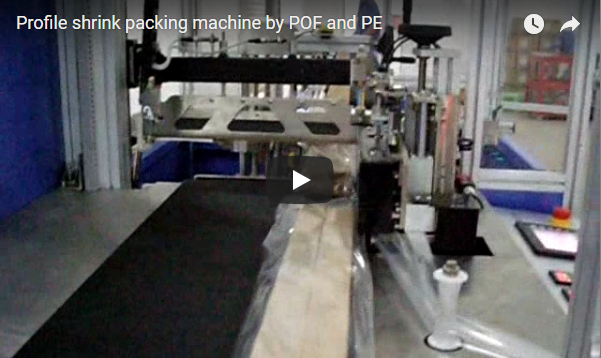
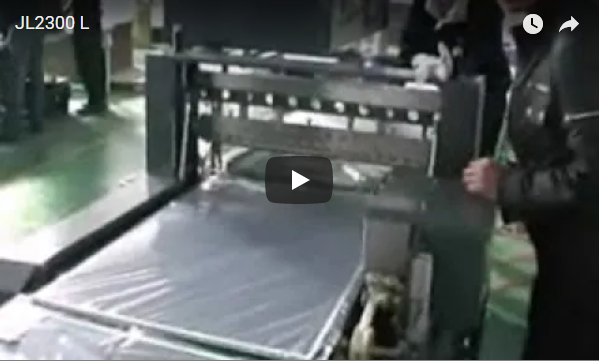
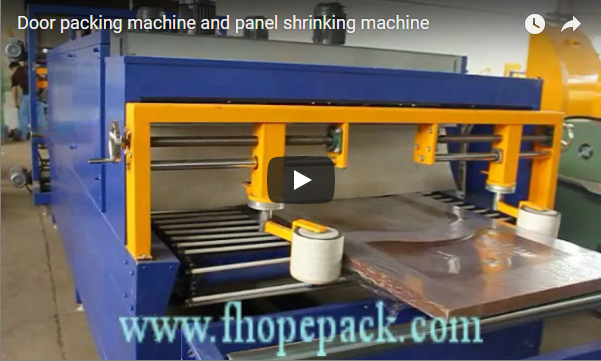
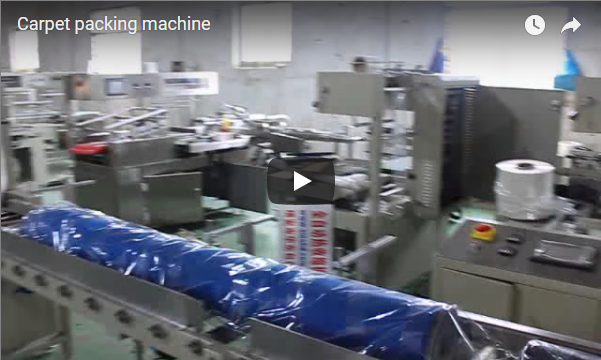
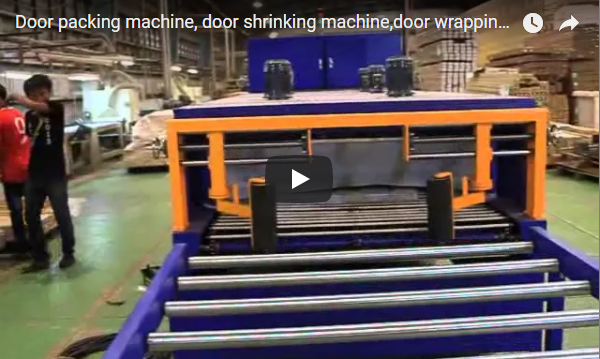
Our footage shows a foam glass panel packing machine shrink wrapping insulation panels. It is a general demonstration, so your panel range and film plan are confirmed with us per project.
Selection checklist
| Question | Confirm per project |
|---|---|
| Panel range | sizes, weights |
| Film | shrink plan |
| Coverage | edge, corner |
| Tunnel | heat match |
| Journey | protection needs |
| Electrical supply | voltage, phase and frequency on site |
Operation and safety
Run the recipe from the panel and the machine enclose and shrink wraps each foam glass panel automatically. Keep clear of the infeed, film path, seal station and shrink tunnel while the machine runs, with guarding and emergency stops at the operator position. Routine checks cover the conveyor, film feed, seal unit, tunnel, sensors and control, per the machine manual. Confirm the film settings against the panel before each run so panels come out tight.
Engineering FAQ
Q: What does this machine pack? A: Foam glass insulation panels, enclosing each one in shrink film.
Q: Why are edges and corners the focus? A: They are foam glass’s most vulnerable points in transit.
Q: Why shrink for rigid panels? A: Heat draws film tight against a flat panel, holding its outline.
Q: What protects the panel on the journey? A: A consistent enclosing film that holds from the line to the installation site.
Q: What panels does it take? A: Large-format insulation panels, confirmed per project.
Next step
- Email us at info@fhopepack.com with your panel range, films and volumes.
- We send an insulation packing proposal and a layout drawing within 48 hours.
- We arrange a site survey to confirm panel range and line position.
Related reading
- Automatic panel shrink packing machine
- EPS insulation panel sealing and shrinking with heat blowers
- Horizontal wrapping machine for door and panel
- FHOPE packing machinery product lines
Sources and standards
- ISO 12100:2010 Safety of machinery, general principles for design and risk assessment
- EN 415-10:2014 Safety of packaging machines, general requirements
- EN ISO 13849-1:2023 Safety of machinery, safety-related parts of control systems
FHOPE foam glass panel packing machine demonstration video. Reviewed as a general demonstration; panel range confirmed per project.
Last reviewed: 2026-10-10