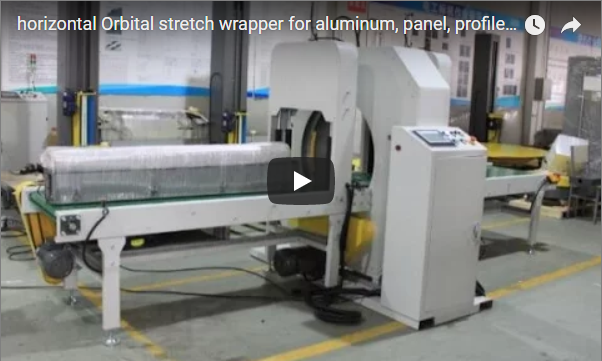
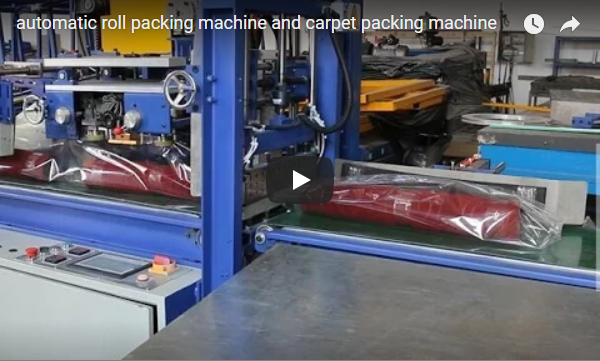
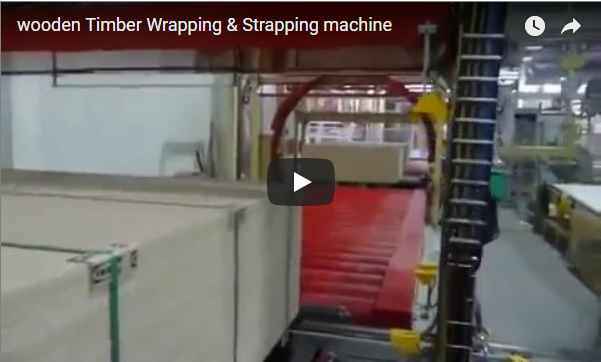
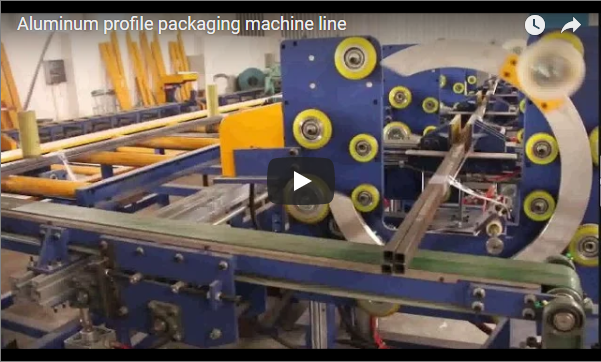
Automatic tape banding machines achieve precise load containment using servo-driven tension and programmable sealing, with throughput scaling from 25 to over 40 bands per minute depending on configuration. This technical deep-dive examines the engineering trade-offs between stand-alone, fully automatic, and modular architectures, explains how control systems synchronize with upstream packaging infrastructure, and outlines compliance and maintenance protocols aligned with regional safety directives.
🛠️ Standard Overview
Automatic tape banding systems are engineered into three primary architectures—stand-alone, fully automatic, and modular—each optimized for distinct throughput requirements and integration complexity. Selection depends on bandwidth, speed, and control architecture, with configurations scaling from flexible standalone setups to high-speed inline production lines.
Industrial banding equipment is categorized by its operational footprint and automation level. Stand-alone units are designed for medium-volume, flexible packaging environments where line integration is not required. These machines typically accommodate band widths between 28 mm and 125 mm, with multi-width configurability allowing quick adjustments for varying product profiles. Throughput for stand-alone configurations generally reaches approximately 25 bundles per minute, driven by vacuum feed-through mechanisms that stabilize irregular loads during sealing. Fully automatic systems are engineered for high-speed, inline packaging workflows. By integrating servo-driven conveyors, mechanical pushers, and multi-head banding stations, these units can process 40 or more bands per minute, depending on product geometry and band width. Modular or tailor-made architectures address complex workflows requiring custom conveyors, stainless steel construction, or specialized print-and-band capabilities. Throughput in modular systems is scalable and directly tied to the engineered design parameters.
To understand how these machines operate, operators must recognize three core control technologies. A Programmable Logic Controller (PLC) is an industrial-grade computer that automates machinery by executing pre-programmed logic sequences, replacing traditional relay-based wiring. A Human-Machine Interface (HMI) is a touchscreen control panel that allows operators to input parameters, monitor cycle status, and adjust tension settings without mechanical tools. Servo-driven systems utilize electric motors with closed-loop feedback to deliver precise, programmable motion control, eliminating the mechanical drift common in older pneumatic setups. All configurations require operator input via the HMI, while the PLC manages synchronization between the vacuum feed, tensioning rollers, and sealing head. Maintenance accessibility is prioritized across all categories; stand-alone models feature hinged front covers for rapid component inspection, while fully automatic and modular units utilize modular design principles to maximize uptime and simplify part replacement.
🏗️ Key Changes
Modern banding equipment has transitioned from mechanical tensioning to electronic servo control, enabling multi-head configurations that significantly increase line speed while reducing mechanical wear. These upgrades require careful integration planning, precise tension calibration, and operator retraining to maximize operational efficiency.
The most significant engineering shift in automated banding is the replacement of pneumatic tension regulation with servo-electronic control. Traditional pneumatic systems relied on compressed air pressure to apply band tension, which required manual recalibration and was highly susceptible to temperature fluctuations and pressure drops. Modern servo-driven tensioning provides consistent force application, with accuracy typically maintained within ±1% of the setpoint, though exact tolerances depend on the specific machine configuration and tape material. This electronic control eliminates mechanical drift and allows the HMI to store multiple tension profiles for different product types.
Multi-head configurations represent another major architectural evolution. Early banding machines applied a single band per cycle, creating bottlenecks in high-volume environments. The introduction of V-Series and multi-head architectures enables parallel banding operations, where multiple sealing heads engage simultaneously or in rapid succession. This design increases throughput without requiring faster cycle times, though actual performance gains are configuration-dependent and vary based on product dimensions, band width, and conveyor synchronization.
Integration capabilities have also expanded significantly. Modern banding machines feature PLC communication protocols that allow direct data exchange with upstream equipment, such as coil upenders, vertical packaging lines, or automated guided vehicles. This synchronization prevents misfeeds, reduces jam-related downtime, and enables real-time production tracking. Modular designs now frequently incorporate stainless steel components and custom conveyor geometries to meet cleanroom or corrosive environment requirements. These architectural changes require operators to understand basic control logic and HMI navigation, as manual mechanical adjustments have been largely replaced by digital parameter entry.
🔗 Related: Explore more solutions
📈 Business Impact
Deploying automated banding architecture typically reduces product damage and labor dependency, though actual throughput gains and return-on-investment timelines depend heavily on machine configuration, tape specifications, and line integration complexity. Proper tension management remains the primary factor in preventing load deformation.
Automated banding systems deliver measurable operational improvements, but performance outcomes are strictly configuration-dependent. Stand-alone units provide flexibility for facilities with variable product mixes, while fully automatic systems maximize throughput in high-volume, standardized packaging environments. Industry estimates suggest that transitioning from manual or semi-automatic banding to automated servo-controlled systems reduces labor dependency and minimizes inconsistent tension application. However, exact throughput improvements and payback periods vary based on machine configuration, tape material, and integration complexity.
A critical operational consideration is tension control. Competitor data and field testing indicate that properly tensioned banding machines significantly reduce product damage compared to strapping systems, which apply concentrated force that can deform soft or irregular profiles. Wider tape widths (e.g., 50 mm or above) distribute load-bearing force across a larger surface area, which is beneficial for heavy items like steel coils. Conversely, applying excessive tension to soft products such as carpet rolls or foam profiles can cause edge crushing or material deformation. Therefore, tension calibration must be matched to product mass and edge sensitivity, with servo-driven systems providing the programmable precision required to avoid over-tightening.
Integration with existing packaging infrastructure further amplifies business impact. When banding machines are synchronized with upstream conveyors or vertical packaging lines via PLC communication, bottlenecks are eliminated, and line balancing improves. This synchronization reduces manual intervention, minimizes misfeed-related downtime, and allows facilities to scale output without proportional labor increases. Operators should validate performance claims through site testing or video demonstrations, as actual cycle times and damage reduction rates depend heavily on product geometry, tape specifications, and environmental conditions.
🛡️ Compliance Actions
Regulatory compliance for industrial banding equipment centers on regional safety directives and manufacturer-specific maintenance protocols. Operators must verify CE certification and follow documented seal integrity testing procedures to ensure consistent load containment and long-term mechanical reliability across varying production environments.
Compliance for industrial banding machinery is governed by regional safety directives rather than universal ISO standards. For equipment sold within the European Economic Area, CE marking is the primary regulatory requirement, indicating that the machine meets applicable electrical, mechanical, and safety directives. Operators should request a supplier declaration of conformity and verify that the machine’s control panels, emergency stops, and guarding mechanisms align with local safety regulations. No formal ISO or ASTM standards are explicitly cited for banding machine performance; instead, compliance relies on manufacturer guidelines and regional safety frameworks.
Seal integrity testing must follow manufacturer-recommended protocols rather than external industry standards. Ultrasonic sealing is typically specified for PET or paper tapes, as it avoids thermal degradation and preserves material strength. Heat sealing is commonly used for polypropylene (PP) tape, creating moisture-resistant joints that maintain tension in humid environments. Operators should validate seal quality at the start of each production batch using manufacturer-specified peel testing methods, confirming that the tape fails via film tear rather than fiber breakage. Exact testing frequencies and acceptance criteria should be documented in the machine’s operational manual.
Maintenance protocols are designed to maximize uptime and reduce wear. Stand-alone units feature hinged front covers that allow rapid access to tensioning rollers and sealing heads. Fully automatic and modular systems utilize modular component design, enabling quick replacement of wear parts without full line shutdown. Operators should clean vacuum feed-through paths weekly to prevent dust accumulation, inspect servo motor alignment according to manufacturer schedules, and verify PLC communication stability during routine maintenance windows. Adhering to these guidelines ensures consistent performance and extends equipment lifespan.
🔗 See Also: Related equipment
⚙️ Timeline & Deadlines
Equipment procurement and installation timelines vary based on customization level and integration requirements. Standard configurations ship faster, while modular or multi-head systems require extended engineering and commissioning phases to synchronize with existing upstream packaging infrastructure and validate control logic.
Lead times for automated banding equipment are directly tied to configuration complexity. Standard stand-alone or fully automatic units with fixed band width ranges typically follow predictable manufacturing schedules, though exact delivery windows depend on supplier inventory and component availability. Modular or tailor-made systems require extended engineering phases to design custom conveyors, integrate specialized sealing heads, and program PLC logic for unique product geometries. Industry estimates suggest that fully customized installations may require 8 to 16 weeks from order placement to commissioning, depending on design complexity and supplier workload.
Operator training is a critical timeline component. HMI navigation, tension calibration procedures, and basic troubleshooting protocols typically require 1 to 2 days of dedicated training per shift. Facilities transitioning from manual banding should allocate additional time for operators to understand servo-driven control logic and multi-head synchronization. Integration testing with existing packaging lines adds another 2 to 4 weeks to the deployment timeline, as PLC communication must be validated, conveyor speeds synchronized, and emergency stop circuits verified.
Regulatory compliance deadlines are tied to regional directives rather than universal mandates. For new installations within the European Economic Area, CE marking must be verified prior to commissioning. Facilities upgrading existing lines should confirm that replacement or additional machines meet current regional safety directives at the time of order. Planning for training, integration testing, and compliance verification ensures that deployment timelines align with production schedules and minimize operational disruption.
🛠️ Purchase-Decision Checklist
-
[ ] Confirm machine category: stand-alone (flexible, ~25 bundles/min), fully automatic (inline, 40+ bands/min), or modular (custom workflows).
-
[ ] Validate band width range fits product profiles (28 mm–125 mm standard; custom ranges available for specialized applications).
-
[ ] Check tension control type: servo-electronic (preferred for precision) vs. pneumatic (legacy, requires manual recalibration).
-
[ ] Ensure seal method matches tape material (heat sealing for PP; ultrasonic for PET/paper to prevent thermal degradation).
-
[ ] Verify CE marking and request supplier declaration of conformity for regional safety compliance.
-
[ ] Request a site visit or test video to assess cycle time and tension application on your actual product.
-
[ ] Plan for PLC integration lead time (2–4 weeks) if synchronizing with upstream conveyors or packaging lines.
-
[ ] Schedule operator training (1–2 days per shift) covering HMI navigation, tension calibration, and basic troubleshooting.
🏗️ FAQ
Q: Does a larger band width always mean better containment?
A: Not necessarily. Wider tape distributes force across a larger surface area, which is beneficial for heavy or rigid products like steel coils. However, applying excessive tension to soft or irregular profiles (e.g., carpet rolls) can cause edge crushing or deformation. Proper tension calibration, managed via servo-driven control, is the primary factor in effective load containment.
Q: How often should I replace sealing modules?
A: Replacement intervals depend on tape material, cycle frequency, and manufacturer specifications. Ultrasonic and heat sealing heads experience wear proportional to usage, and seal quality should be monitored monthly using manufacturer-recommended peel testing. Replace modules when consistent film tear failure is no longer achieved, rather than adhering to fixed cycle counts.
Q: Can I use the same machine for steel coils and carpet rolls?
A: Only if the machine offers programmable tension profiles, adjustable band width, and compatible sealing technology. Fully automatic units with HMI-controlled settings allow quick parameter changes, but custom conveyors or vacuum feed adjustments may be required to accommodate significant differences in product geometry and surface sensitivity.