Hose Coil Wrapping and Strapping: Solutions for Industry

Summary: Select the right hose coiling and strapping equipment to prevent product damage and labor bottlenecks. This guide provides a printable inspection checklist for evaluating coil wrapping machines and automatic packaging lines. Verify tension control, strapping mechanics, and HMI integration against strict pass/fail criteria before procurement. Follow these steps to secure consistent coil geometry and reduce shipping waste in high-volume production environments.

[VIDEO PLACEHOLDER]

Most buyers select a coil packing machine based solely on cycle time. This common procurement error causes hose deformation, inconsistent strap placement, and frequent line stoppages due to poor tension management or lack of spiral guidance. Evaluate mechanical integrity before speed metrics.

🛠️ Scope

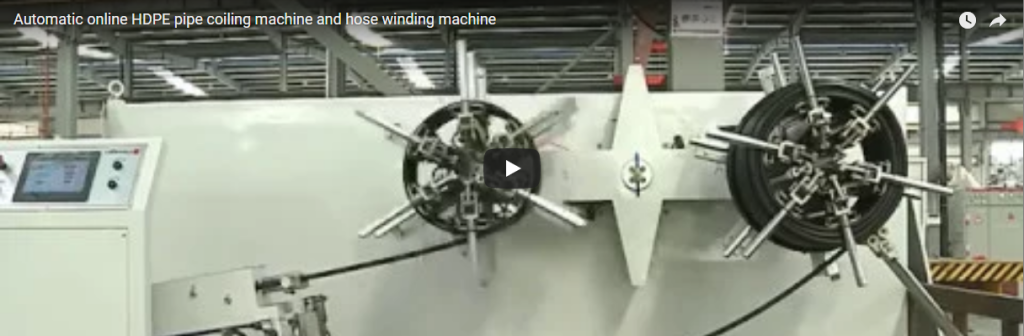
Procurement teams must prioritize mechanical tension control and spiral guidance over raw cycle speed to prevent hose deformation and reduce shipping waste. This scope defines the technical requirements for evaluating automatic coil wrapping systems that handle fluid hoses, corrugated tubes, and similar pipe products. It outlines servo-driven winding mechanisms, automated banding modules, and industrial computer integration standards necessary to maintain consistent packaging geometry while minimizing labor costs and product damage during transport.

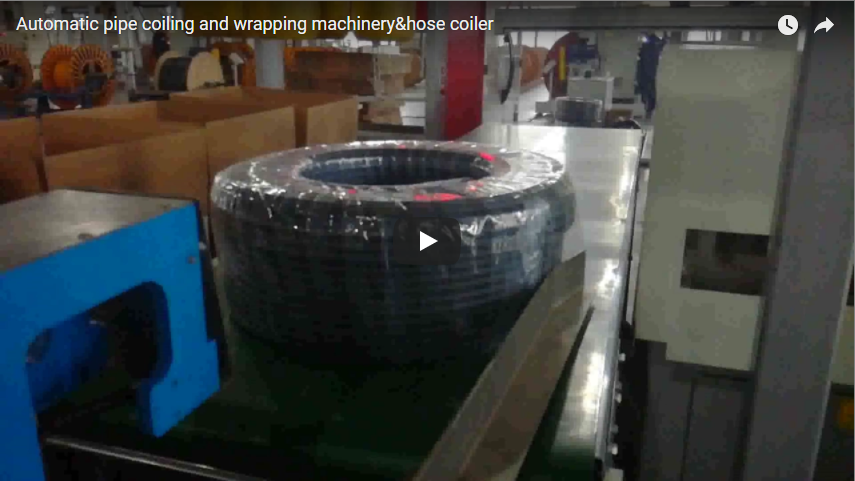
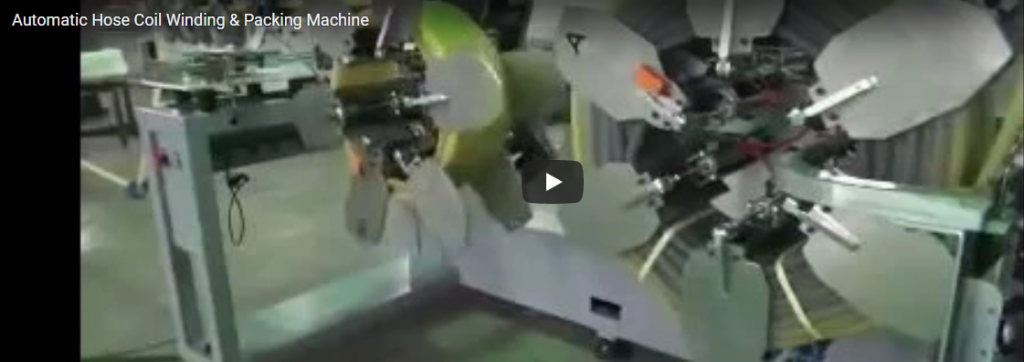
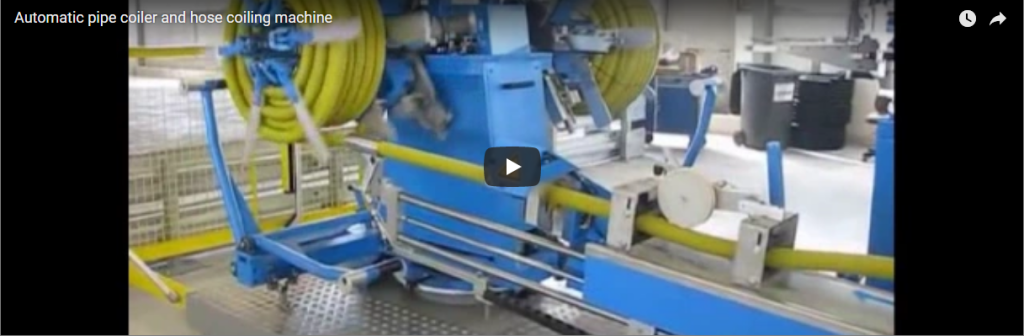
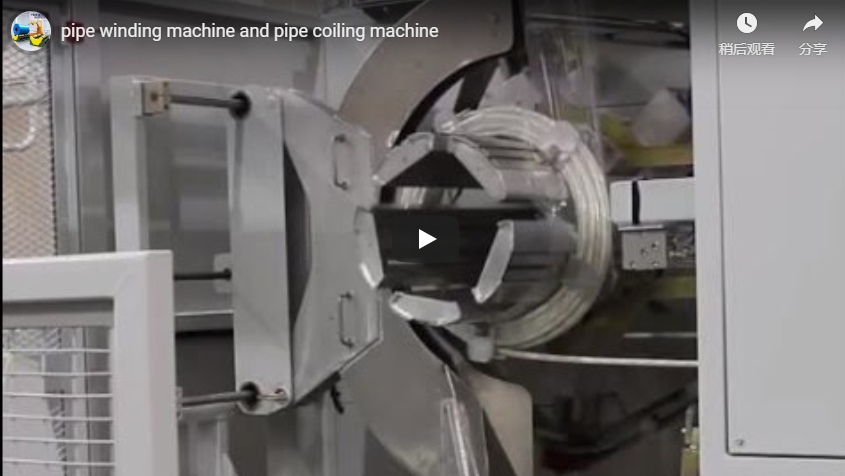
The equipment processes fluid hoses, plumbing tubes, and corrugated wall hoses up to specified diameters using rotating disc or swing arm designs. Review the specifications on our Hose Coil-wrapping machinery page to compare servo-driven models against your throughput targets. Typical packing speeds range from 12 to 18 seconds per coil under full load, though exact cycle times depend on hose diameter and material flexibility. Adjustable parameters include coil diameter, turn count, and interlayer spacing. Automatic tightening devices maintain consistent force during winding to prevent structural deformation. Spiral guidance mechanisms direct the hose path to avoid overlap or crossing, protecting double-wall integrity and reducing film waste. Compatible packaging materials include PE film, paper, LLDPE, HDPE woven fabric, strapping tape, and nylon cable ties.

Winding Mechanism Best Application Condition Limitation
Rotating Disc Type Central axis stability for rigid or semi-rigid hoses Requires clearance around central hub
Swing Arm Type Reciprocating motion for varying diameters and flexible walls Track alignment critical for long runs

🏗️ Checklist Body

Factory acceptance testing must verify winding accuracy, tension consistency, and strapping security against quantified thresholds before finalizing any purchase order. This step-by-step checklist guides procurement engineers through critical inspection points during site commissioning. Following these verification steps prevents costly rework, ensures reliable daily performance, and protects your capital investment from premature mechanical failure or inconsistent packaging quality.

Winding Mechanism Inspection

  • [ ] Inspect servo-driven controls: Confirm precise adjustment of inner diameter (ID), outer diameter (OD), and traverse width via the Human-Machine Interface (HMI), which serves as the operator touch screen for machine settings. → Business outcome: Reduces setup time and material waste during size changes.

  • [ ] Test coil dimension accuracy: Run ten consecutive cycles and measure OD variance against setpoint tolerances. → Business outcome: Prevents pallet instability and downstream wrapping jams, lowering freight damage claims.

  • [ ] Verify tension management system: Ensure automatic tightening maintains constant force without hose kinking or deformation during acceleration phases. → Business outcome: Eliminates product rejection rates caused by collapsed double-wall structures.

  • [ ] Check spiral guidance alignment: Observe hose path at maximum traverse width to confirm no overlap, crossing, or nesting occurs. → Business outcome: Minimizes film and strap consumption while maintaining consistent coil aesthetics for retail display.

Warning: Insufficient tension control causes double-wall hoses to collapse or kink, rendering the product unsellable. Verify tension stability under full speed conditions.

Strapping Unit Verification

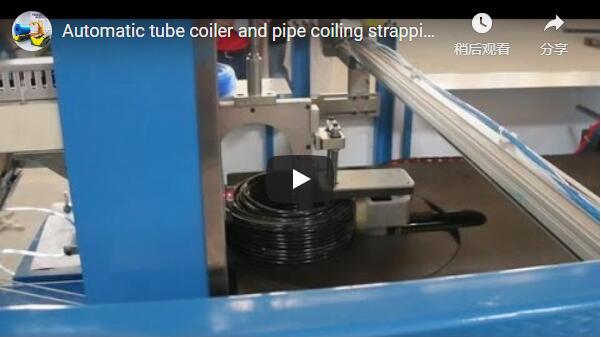
  • [ ] Validate strap feeding mechanism: Confirm smooth automatic feed of Polypropylene (PP) or Polyester (PET) strapping without jams. → Business outcome: Reduces line stoppages and consumable waste from misfed straps.

  • [ ] Test sealing operation: Observe heat or ultrasonic welding cycle to ensure complete seal formation within standard dwell time. → Business outcome: Prevents unstrapped coils during transit, directly lowering logistics insurance claims.

  • [ ] Inspect strap placement pattern: Verify multiple straps apply evenly around the coil circumference for transport stability. → Business outcome: Ensures load integrity across varied shipping routes and handling conditions.

  • [ ] Check cutting precision: Ensure strap tails are trimmed flush without fraying or leaving sharp edges that could damage film wraps. → Business outcome: Protects outer packaging layers, reducing secondary repackaging labor costs.

Key Point: Consistent strap tension prevents unstrapped coils during transit, which is a primary cause of product damage and insurance claims in logistics.

Control System & Integration

  • [ ] Review PLC reliability: Confirm the Programmable Logic Controller (PLC), an industrial computer that automates machinery sequences, operates stably with no error codes during continuous cycling. → Business outcome: Maximizes equipment uptime and reduces unplanned maintenance expenses.

  • [ ] Test HMI recipe management: Switch between stored settings for different hose sizes to verify instant parameter recall and accuracy. → Business outcome: Accelerates changeover processes, increasing daily production throughput.

  • [ ] Verify system integration signals: Check communication handshake with upstream extruder/cutter and downstream palletizer or conveyors. → Business outcome: Streamlines workflow continuity, preventing bottlenecks between manufacturing stages.

Consult the automatic hose wrapper configuration guide for detailed strapping module options and custom packaging line integration capabilities.

Tip: The Manufacturing Execution System (MES), a software platform that tracks production data in real time, enables predictive maintenance scheduling and reduces unplanned downtime through accurate performance analytics.

🔗 Related: Explore more solutions

📈 Pass/Fail Criteria

Equipment acceptance depends on verifying that coil geometry, tension stability, and strap integrity meet manufacturer-specified tolerances under continuous operation. These quantified criteria provide a standardized framework for commissioning decisions. Procurement teams should treat these values as typical industry benchmarks rather than universal mandates, adjusting thresholds based on specific hose materials, supplier verification data, and actual production requirements.

Criterion Supplier-Verified Range / Example Threshold Fail Consequence & Business Impact
Coil Diameter Deviation ±1.5% to ±3% from setpoint across 10 cycles (verify with supplier) Load instability on pallets; wrapping machine jams → Increases freight damage costs
Tension Stability Variation <±4% to <±6% during speed ramp-up (typical range) Hose deformation; inconsistent coil density → Raises material waste and rejection rates
Strap Seal Strength ≥75% to ≥85% of strap break strength (example benchmark) Unstrapped coils during transit; product damage → Triggers logistics claims and replacement expenses
Packing Speed Average cycle time 12–18 seconds per coil (varies by diameter) Production bottleneck; missed shipment deadlines → Reduces overall line efficiency and revenue
Guidance Accuracy No overlap or crossing on first 2–4 meters of run (example metric) Film waste increase; aesthetic defects → Raises consumable costs and lowers customer satisfaction

Inspect sensor-based inspection options if required for zero-defect manufacturing. Detection systems can identify surface flaws or dimensional inconsistencies before coiling begins, preventing wasted packaging material on defective products.

Warning: Do not accept a machine that fails the strap seal strength test. A weak seal may hold during static storage but fail under vibration during shipping, causing total load loss and significant replacement costs.

🛡️ Commonly Missed Items

Overlooking maintenance access points, interlayer spacing adjustments, and data logging capabilities often leads to unexpected downtime and inflated operational expenses. Buyers must audit these frequently neglected areas during vendor evaluations to avoid hidden lifecycle costs. Addressing these gaps early ensures long-term equipment reliability, simplifies routine servicing, and supports continuous improvement initiatives across your packaging operations.

  • [ ] Interlayer Spacing Adjustment: Verify the system can adjust spacing between coil turns to prevent crushing of soft double-wall hoses during stacking or transport. → Business outcome: Preserves product integrity, eliminating customer returns and brand reputation damage.

  • [ ] Defect Detection Integration: Confirm optional sensor systems are compatible with your hose surface characteristics and provide reliable rejection signals for flawed product. → Business outcome: Stops defective material from entering the packaging line, reducing film waste and rework labor.

  • [ ] Strap Material Compatibility: Ensure the sealing unit supports your specific strap type (heat vs. ultrasonic) and width range without requiring frequent tool changes. → Business outcome: Lowers changeover downtime and extends consumable inventory flexibility.

  • [ ] Maintenance Access Points: Check for easy access to servo motors, tensioners, and strapping mechanisms for routine cleaning, lubrication, and part replacement. → Business outcome: Cuts preventive maintenance time significantly, maximizing productive operating hours.

  • [ ] Data Logging Capabilities: Verify the PLC stores production data such as cycle counts, error logs, and maintenance alerts for analysis by plant management systems. → Business outcome: Enables data-driven scheduling, reducing emergency repairs and extending asset lifespan.

  • [ ] Safety Interlocks: Confirm emergency stop buttons and guarding interlocks function correctly to protect operators during high-speed coiling and strapping cycles. → Business outcome: Mitigates workplace injury risks and ensures compliance with occupational safety regulations.

Verify all items with the supplier before shipment. Customized configurations may require additional validation steps specific to your production environment and hose specifications. Engage technical sales representatives early in the procurement cycle to align machine capabilities with your exact throughput targets, material tolerances, and facility layout constraints. Proper vendor collaboration prevents integration surprises and ensures seamless handover from installation to full-scale operation.

🔗 See Also: Related equipment

⚙️ Purchase-Decision Checklist

A structured procurement workflow eliminates purchasing errors by aligning technical specifications with verified supplier capabilities and clear contract terms. This checklist guides buyers through needs assessment, vendor qualification, factory acceptance testing, and final commissioning. Following these sequential steps ensures transparent evaluation, reduces negotiation risks, and secures equipment that delivers measurable cost savings and operational reliability.

  • [ ] Define Operational Requirements: Document target throughput, hose diameter ranges, material types, and facility space constraints before contacting vendors. → Business outcome: Prevents over-specifying equipment, optimizing capital expenditure.

  • [ ] Evaluate Supplier Credentials: Request case studies, reference contacts, and verified performance data for similar hose coiling applications. → Business outcome: Reduces vendor selection risk and ensures proven technical support.

  • [ ] Conduct Factory Acceptance Testing (FAT): Run actual production hoses through the machine at your facility or the supplier’s site using this inspection checklist. → Business outcome: Validates real-world performance before financial commitment, avoiding costly returns.

  • [ ] Review Contractual Safeguards: Confirm warranty terms, spare parts availability, training packages, and response time guarantees for technical support. → Business outcome: Protects long-term operational continuity and minimizes unexpected repair expenses.

  • [ ] Plan Site Preparation & Integration: Coordinate electrical requirements, compressed air lines, network connectivity, and downstream conveyor alignment with facility engineers. → Business outcome: Eliminates installation delays and ensures immediate production readiness upon delivery.

🛡️ Compliance Note: This equipment is designed to meet ISO and ASTM requirements. Verify specific certifications with the manufacturer before procurement.