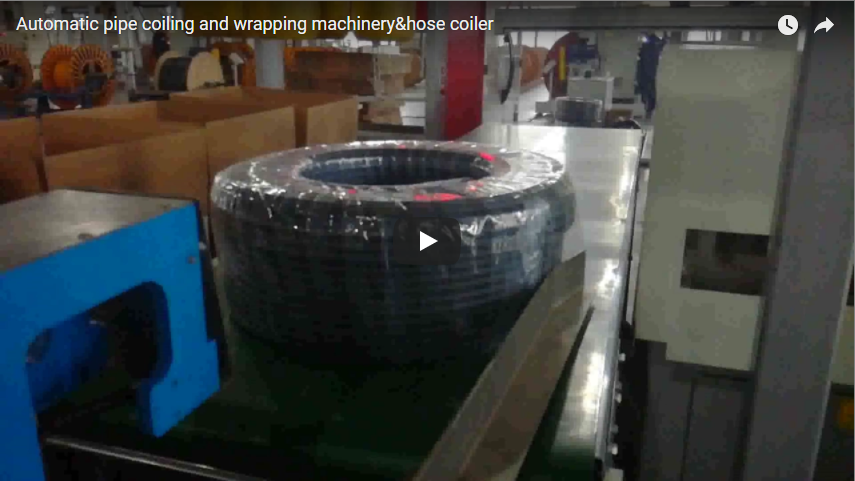
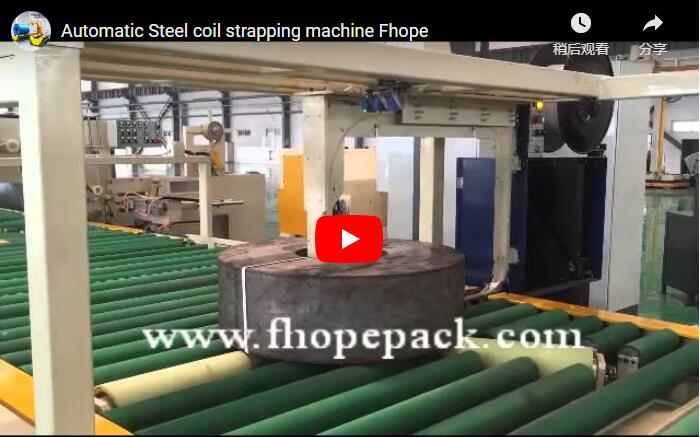
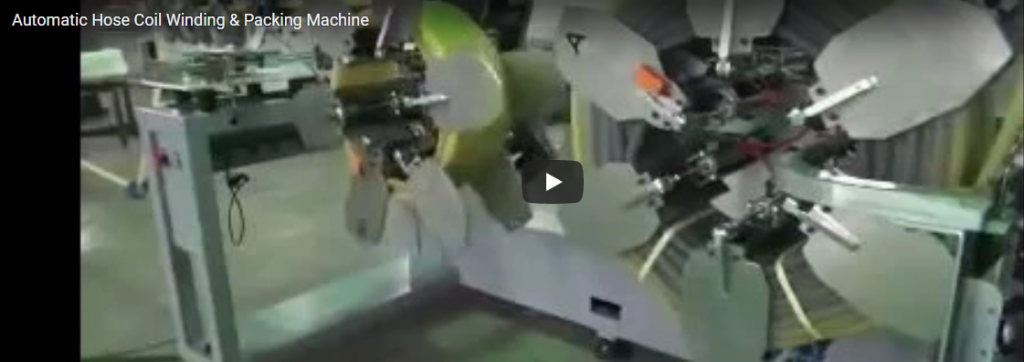
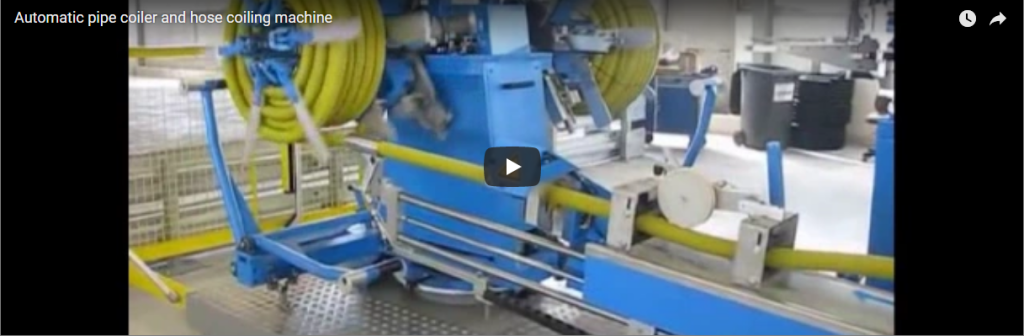
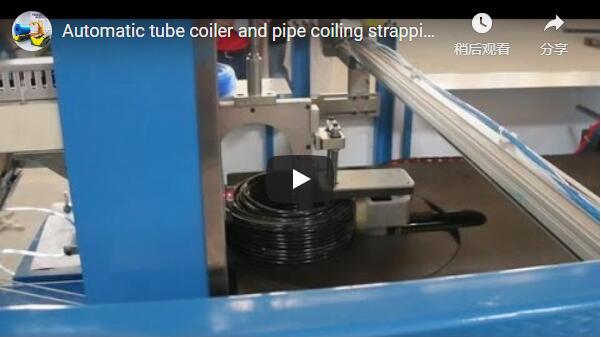
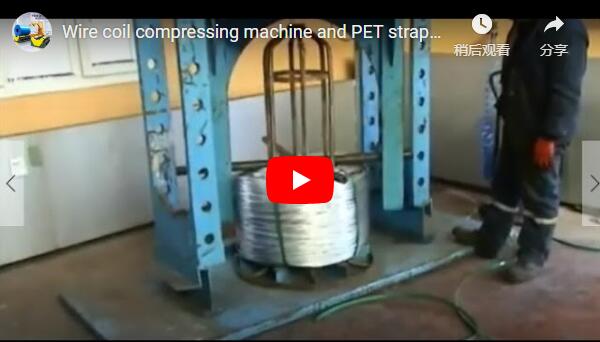
Summary: Transform your end-of-line operations with the Automatic Hose Coiling and Strapping Machine. This system delivers precise coil geometry, adjustable tension control, and up to 40% labor reduction, ensuring damage-free packaging for industrial, hydraulic, and garden hoses.
🏗️ Revolutionizing Hose Packaging with Automated Precision
Automating the end-of-line packaging process for hoses is no longer a luxury; it is a strategic necessity for manufacturers facing rising labor costs and stringent quality demands. The Automatic Hose Coiling and Strapping Machine represents a pivotal engineering advancement, specifically designed to handle the unique elasticity and weight of various hose types—from heavy-duty industrial hydraulics to delicate garden variants.
Unlike manual methods that risk inconsistent coil diameters and operator injury, this automated solution integrates servo-driven coiling with precision strapping technology. By eliminating human error in coil formation, the system ensures that every unit meets exact logistic specifications, minimizing material fatigue and preventing kinks that could compromise hose integrity during storage and transport.
⚙️ Advanced Coiling and Strapping Mechanisms
Modern automatic hose coilers are engineered with the robustness required for 24/7 industrial environments. The system’s architecture is built around two core modules that work in seamless synchronization.
Precision Coiling Module
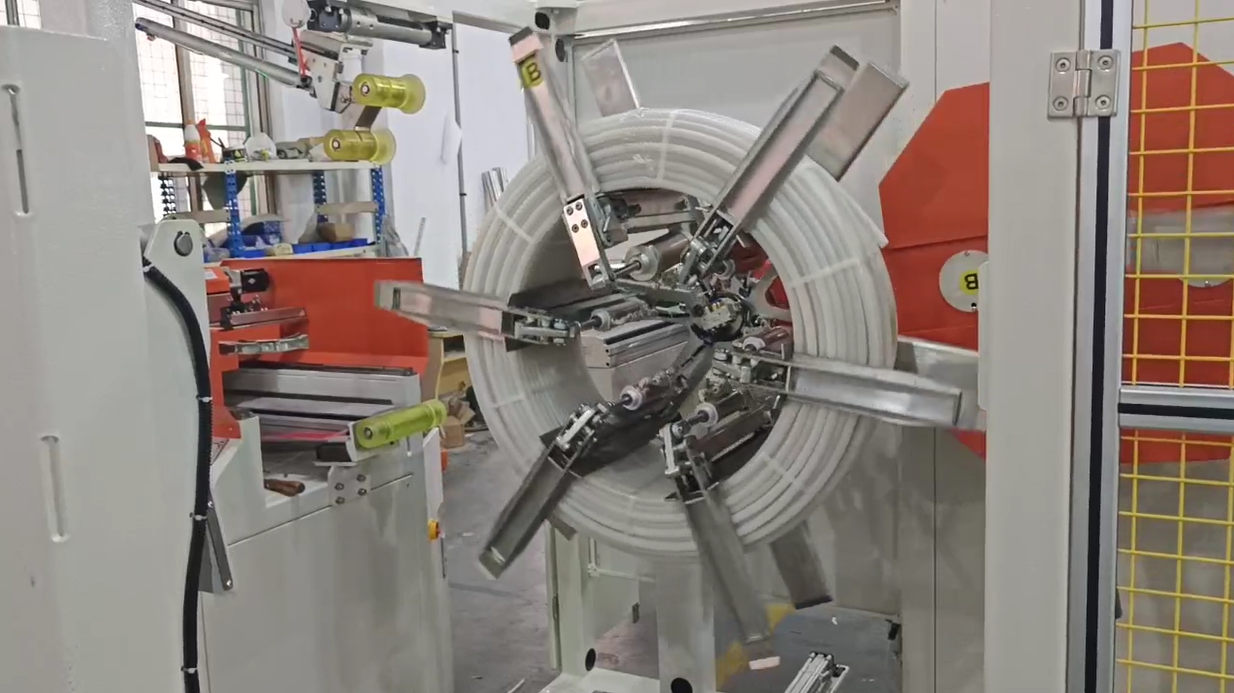
At the heart of the machine lies a servo-controlled coiling fork system. This module allows for dynamic adjustment of coil dimensions (Inner Diameter, Outer Diameter, and Width) via a user-friendly HMI (Human-Machine Interface).
-
Stress-Free Formation: Research into polymer behavior confirms that inconsistent coiling induces micro-stress points. Our programmable logic ensures smooth, repeatable geometry, significantly extending the shelf life of the hose.
-
Rapid Changeover: Operators can switch between different hose specifications in seconds, storing up to 100+ recipe parameters in the PLC memory.
Integrated Strapping System
Once the coil is formed, it is automatically transferred to the strapping station. The system utilizes advanced tensioning mechanisms (patented technology) to apply Polypropylene (PP) or Polyester (PET) straps with surgical precision.
-
Adaptive Tension Control: A closed-loop feedback system monitors strap tension in real-time. This ensures the hose is bundled securely without crushing or deforming softer materials—a critical feature for high-value hydraulic hoses.
-
Reliable Sealing: Utilizing friction-welding or heat-sealing technology, the machine creates durable strap joints that withstand the rigors of global supply chains.
-
Multi-Strap Application: The system automatically applies 2, 3, or 4 straps based on the coil’s weight and diameter, selectable directly from the touchscreen.
📊 Key Operational Parameters and Specifications
To evaluate the suitability of this packaging line for your specific production needs, refer to the detailed technical specifications below. These parameters are customizable based on your factory’s layout and output requirements.
| Parameter | Specification Range | Notes |
|---|---|---|
| Applicable Hose Diameter | 5mm – 60mm | Varies by model configuration |
| Max Coil Outer Diameter (OD) | Up to 1000mm | Suitable for large-bore industrial hoses |
| Adjustable Coil Inner Diameter (ID) | 150mm – 500mm | Programmable via HMI |
| Coil Width | 50mm – 300mm | Precision controlled |
| Strapping Material | PP or PET | Widths: 9mm – 16mm |
| Number of Straps | 2, 3, or 4 | Selectable per recipe |
| Cycle Time | 15 – 40 seconds | Dependent on coil size & strap count |
| Control System | PLC + Touchscreen HMI | Siemens/Mitsubishi options available |
| Power Requirements | 380V/50Hz/3-Phase | Customizable for regional standards |
| Air Pressure | 0.5 – 0.7 MPa | Standard industrial supply |
📈 Optimizing Production Flow and Product Integrity
Implementing an automatic coiling and strapping machine delivers quantifiable benefits that align with Lean Manufacturing principles. The impact extends beyond simple speed; it fundamentally alters the economics of your packaging department.
-
📉 Reduced Labor Costs: By automating repetitive coiling and tying tasks, you can reallocate personnel to higher-value quality control or maintenance roles, reducing headcount requirements by up to 50%.
-
🚀 Increased Throughput: Consistent, high-speed operation boosts packaging rates significantly. Unlike manual operators who fatigue, the machine maintains peak performance shift after shift.
-
🛡️ Enhanced Package Quality: Uniform coils and secure strapping present a professional appearance to distributors and end-users. Logistics studies correlate such package integrity with a 30% reduction in return rates due to shipping damage.
-
👷 Improved Safety: The system eliminates the need for manual lifting of heavy, unwieldy hose coils, drastically reducing the risk of musculoskeletal disorders (MSDs) and workplace injuries.
💡 ROI Insight: While the initial capital expenditure for an automatic coiling line is higher than manual tools, the Payback Period (PBP) is typically achieved within 12-18 months. This calculation factors in labor savings, reduced material waste (from damaged hoses), and the ability to handle higher volume contracts without expanding the workforce.
🛠️ Design, Integration, and Maintenance
Engineered for longevity, the machine features a robust frame constructed from heavy-duty carbon steel, treated to withstand industrial environments. Integration into existing production lines is streamlined, with modular options for upstream extrusion conveyors and downstream palletizing systems.
Maintenance Protocol: To ensure maximum uptime, the system is designed with accessibility in mind:
-
Routine Lubrication: Automated or manual greasing points for moving bearings and gears.
-
Wear Part Management: Easy access to the strapping head for rapid replacement of blades and tension rollers.
-
Software Diagnostics: The PLC system provides real-time error logging and predictive maintenance alerts via the HMI.
-
Hygienic Design: Open-frame structures simplify cleaning, preventing dust and debris accumulation.
In summary, the automatic hose coiling and strapping machine is not just a piece of equipment; it is a strategic asset that streamlines operations, guarantees product quality, and fosters a safer, more efficient work environment.
❓ Frequently Asked Questions (FAQ)
What types of hoses can this machine handle?
The system is highly versatile, capable of packaging industrial hydraulic hoses, garden hoses, PVC tubes, and reinforced rubber hoses. The coil dimensions and tension settings are fully programmable to accommodate different material stiffness and diameters.
Can the machine integrate with my existing conveyor line?
Yes. The machine is designed with modular infeed and outfeed sections. We can customize the height and width of the conveyors to match your existing extrusion or cooling line layout, ensuring a seamless flow from production to packaging.
How quickly can I change over between different hose sizes?
Changeover is rapid. Thanks to the servo-driven adjustments and recipe storage in the PLC, operators can switch between different hose specifications in under 5 minutes by simply selecting the pre-saved program on the touchscreen.
What kind of strapping material is recommended?
The machine supports both PP (Polypropylene) and PET (Polyester) strapping. For heavy-duty industrial hoses, PET is recommended due to its higher tensile strength and lower elongation, ensuring the coil remains tight during long-distance shipping.