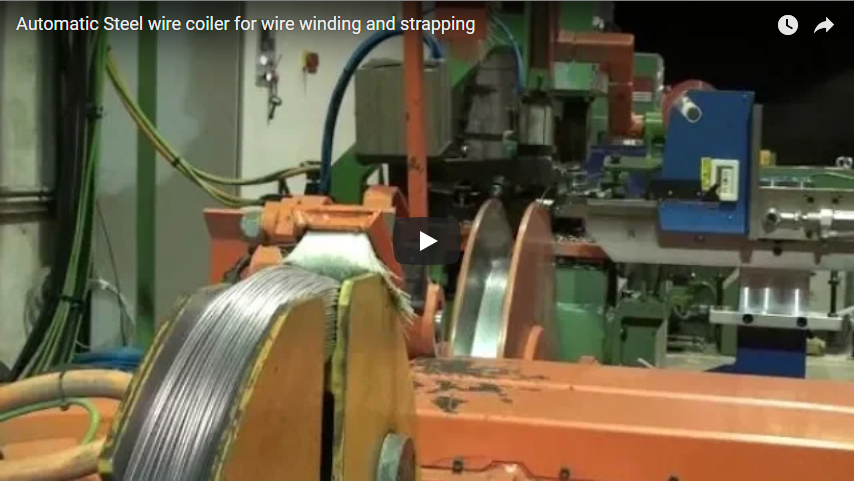
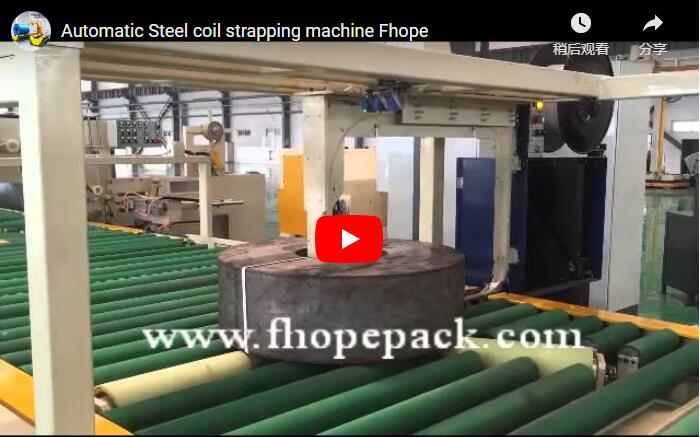
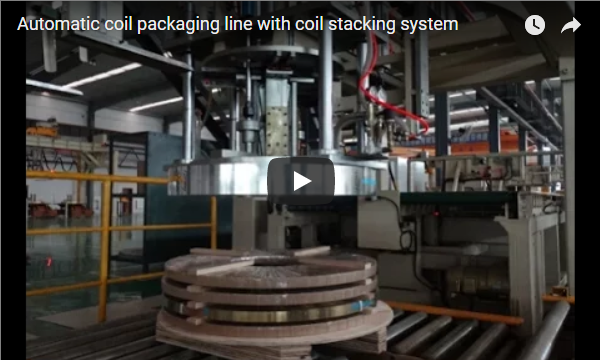
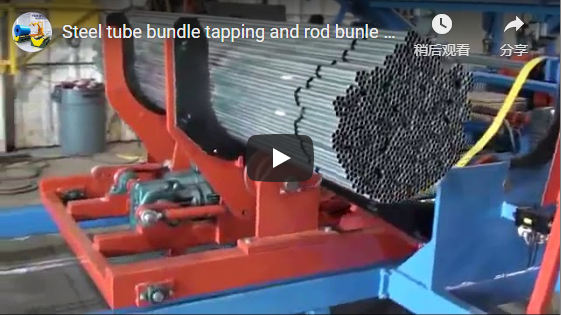
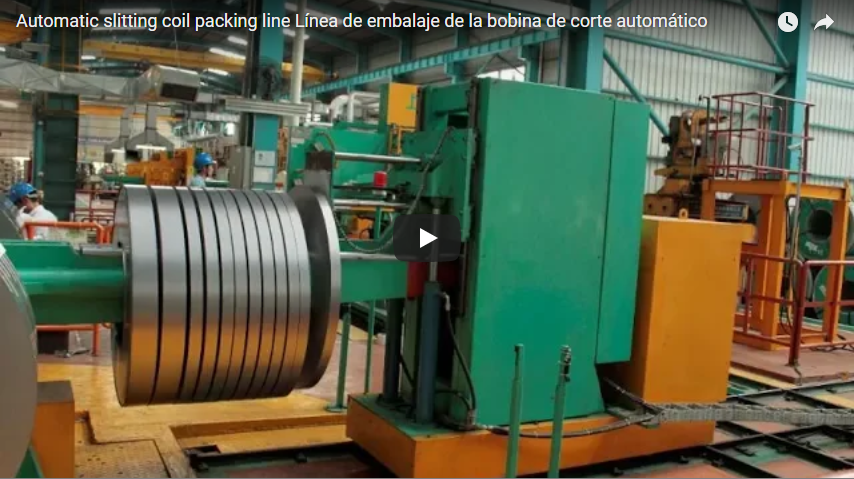
Executive summary Steel coils are dense and risky to sling or push by hand between stations. A coil car grips the coil on a support arm, clamps it firmly and carries it on rails to where the next machine expects it. On this rail car the coil is held with its axis horizontal while the red warning lamp signals the hold, then it travels to the hand-off point.
Table of Contents
- What a coil car does
- Loading and holding a coil
- Travel and hand-off between stations
- Placing the coil car in a coil line
- Controls, safety and installation
- Selection checklist for a coil car
- Engineering FAQ
- Next step
- Related reading
- Sources
What a coil car does
A coil car, also called a rail transfer cart, is a motorized, rail-guided cart that moves steel coils between stations without a crane ride or a re-sling. In our coil handling lines we design these cars around the plant layout, sizing the travel, clamp and control to the line around them.
The car takes a coil with its axis horizontal and grips it on a central support arm while a clamp closes inward. It then carries the coil along the rail base to the position where the next machine expects it.
The result is controlled mechanical transport: every coil travels the same way, held firmly, with no operator pushing or rolling the coil. In a steel service center or rolling mill, the coil car is the working link between de-coiling, slitting, eye-through film wrapping and stacking.
Loading and holding a coil
The load-and-hold sequence is the core of the car’s working cycle:
- Present. The coil is staged at the pickup point with its axis horizontal and its bore aligned to the car.
- Take. The central support arm engages the coil and takes its weight.
- Clamp. The clamping jaws close inward and grip the coil firmly on the arm.
- Signal and hold. The red warning lamp lights, and the coil is held rigid for travel.
Once the clamp is closed, the coil does not shift: the arm carries the weight and the clamp controls the position, so the loaded car can move without the coil rocking or sliding.
Travel and hand-off between stations
With the coil held, the car moves along its rail base to the receiving station and positions itself at the hand-off point. It releases the coil to the next machine, then returns empty for the next load.
- Guided travel. The car runs on its rail or guide base, so it follows a fixed path every cycle.
- Positioning. Sensors line the car up at pickup and hand-off so the coil lands where the next machine expects the bore.
- Release. At the target station the clamp opens and the arm lowers the coil onto the receiving cradle or conveyor.
Travel distance, speed and rated load are part of the machine specification and are set per project against the plant layout.
Placing the coil car in a coil line
The coil car is the transport spine of a coil packing line: it walks each coil from the slitter through the wrapping and strapping stations to the dispatch area. In a full coil packing line, rail cars feed the coil wrapping machine and carry the finished, wrapped coils away, so the plant crane services only inbound and outbound loads.
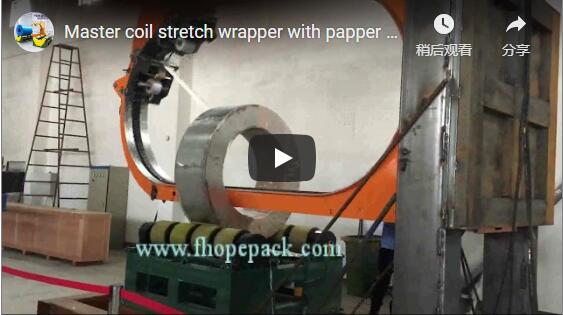
Where the coil changes orientation, for example upright before eye-through wrapping, the car hands off to the tilter or upender that presents the coil to the wrapper. The car itself provides straight, level, on-rail transfer between those stations.
Controls, safety and installation
The car runs on a PLC control with an operator panel, and positioning sensors drive the pickup and hand-off stops. The red warning lamp and optional audible signal announce travel in the aisle, and guards cover the drive and moving parts.
The safety design follows the destination market’s standards:
| Scope | Standard |
|---|---|
| Risk assessment for CE markets | ISO 12100 |
| General requirements for packaging machines | EN 415-10 |
| Safety-related parts of control systems | EN ISO 13849-1 |
| Guards and fixed safeguards | EN ISO 14120 |
Selection checklist for a coil car
- Coil envelope: coil outside diameter, width and weight to be carried.
- Rated load with a working margin for the largest coil.
- Travel distance and speed between pickup and hand-off.
- Rail or guide layout: floor-mounted or in-pit, and aisle length.
- Pickup and discharge method at each station.
- Control interface, warning signals and safety scope.
Engineering FAQ
Q: What does a coil car do in a steel plant? A: It moves steel coils between stations on rails, holding each coil on a support arm and clamping it so no one pushes or re-slings the coil by hand.
Q: How is the coil held during travel? A: The central support arm takes the coil’s weight and the clamping jaws close inward, gripping the coil firmly for the whole trip.
Q: What does the red warning lamp signal? A: The lamp lights while the coil is held and the car is about to travel or is in motion, warning operators in the aisle to stay clear.
Q: How does the car know where to stop? A: Positioning sensors line the car up at the pickup and hand-off points, so the coil lands where the next machine expects the bore each cycle.
Q: How is the car powered and controlled? A: It is a motorized cart controlled through a PLC panel, with the travel, clamp and release steps run from the control sequence.
Q: Can one car take different coil sizes? A: Yes, within the configured envelope. Clamp and arm are sized to the coil outside diameter, width and weight range of the line.
Q: Where does a coil car sit in a coil packing line? A: As the transport link between the slitter, the wrapping and strapping stations, and the dispatch area, freeing the plant crane for inbound and outbound loads.
Q: What safety standards apply to the car? A: For CE markets the design follows ISO 12100 for risk assessment, EN 415-10 for packaging machinery, EN ISO 13849-1 for safety-related control systems and EN ISO 14120 for guards.
Q: How does the mechanism prevent coils from rocking during transit? A: The central support arm bears the coil’s weight while the clamping jaws grip it inward, locking the coil rigid before the car moves.
Q: How is the coil released at the target workstation? A: Once positioned by sensors, the clamps retract and the support arm lowers the coil onto the receiving cradle or conveyor.
Next step
We size a coil car for your line in three steps:
- Submit your layout drawing with coil sizes, rated load, travel distance and speed to info@fhopepack.com.
- Receive a proposal within 48 hours, with the envelope, control interface and safety scope.
- Book a site survey to confirm the rail layout, pickup and hand-off points on your floor.
Related reading
- Steel coil wrapping machine
- Video: steel slit coil packing line: tilting, wrapping and conveying
- Video: steel coil and copper coil packaging machine for eye-through film wrap
- Video: coil packing machine: ring wrapping through the coil eye
- Video: eye vertical coil stretch wrapper and packing machine for steel
Sources
- Machine in action: our coil car video on YouTube
- Machine family: steel coil wrapping machine, coil packing line family
- Standards scope: ISO 12100:2010, EN 415-10:2014, EN ISO 13849-1, EN ISO 14120
Last reviewed: 2026-10-09