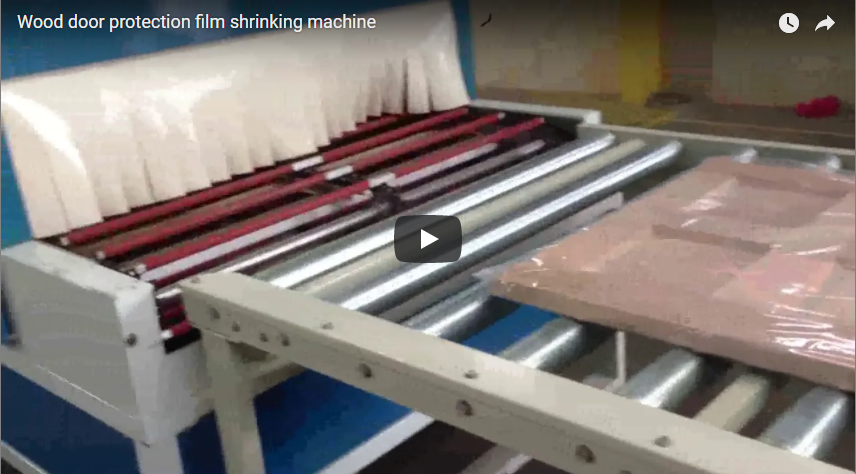
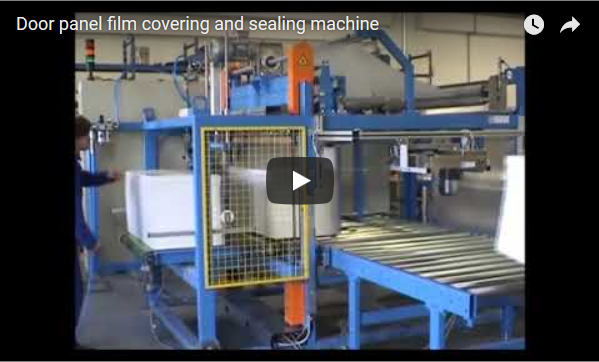
Optimizing Protection: A Closer Look at the Board, Panel, and Glass Plate Shrink Wrapping Machine
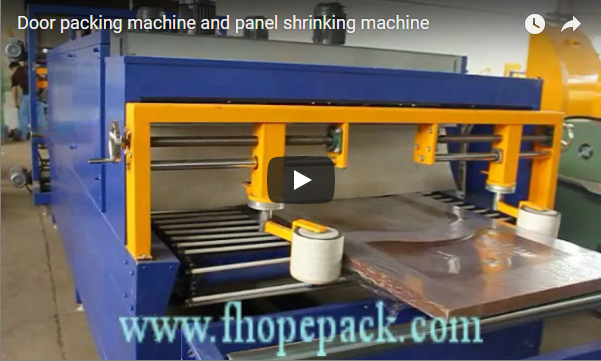
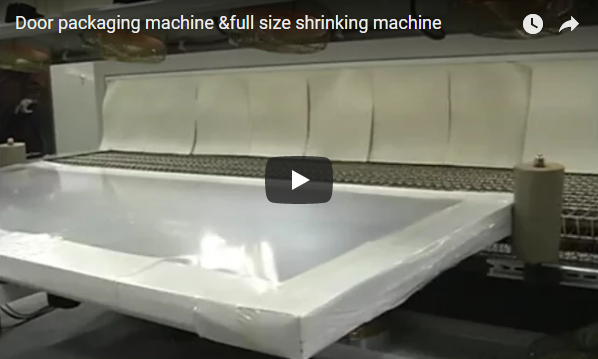
In industries where large, flat, and often fragile materials like glass panes, architectural panels, or wooden boards are handled, ensuring their protection during transit and storage is paramount. The Board Panel Glass Plate Shrinking Machine represents a specialized automated solution designed specifically for this challenge. This industrial system applies heat-shrinkable film securely around these items, creating a tight, protective layer that guards against scratches, dust, moisture, and shifting during handling. This article delves into the design, technical specifications, applications, and operational considerations of this essential packaging equipment.
1. Operational Principles and Core Components
Understanding how this machine functions requires looking at its sequential operation and key parts:
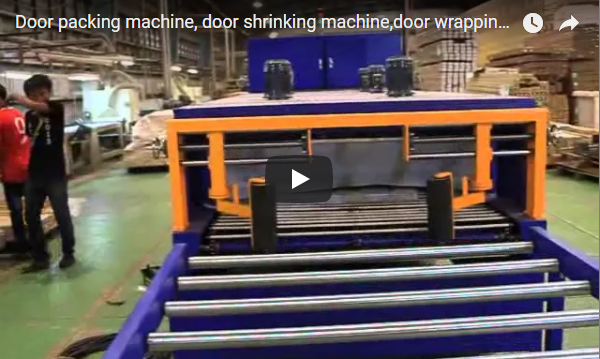
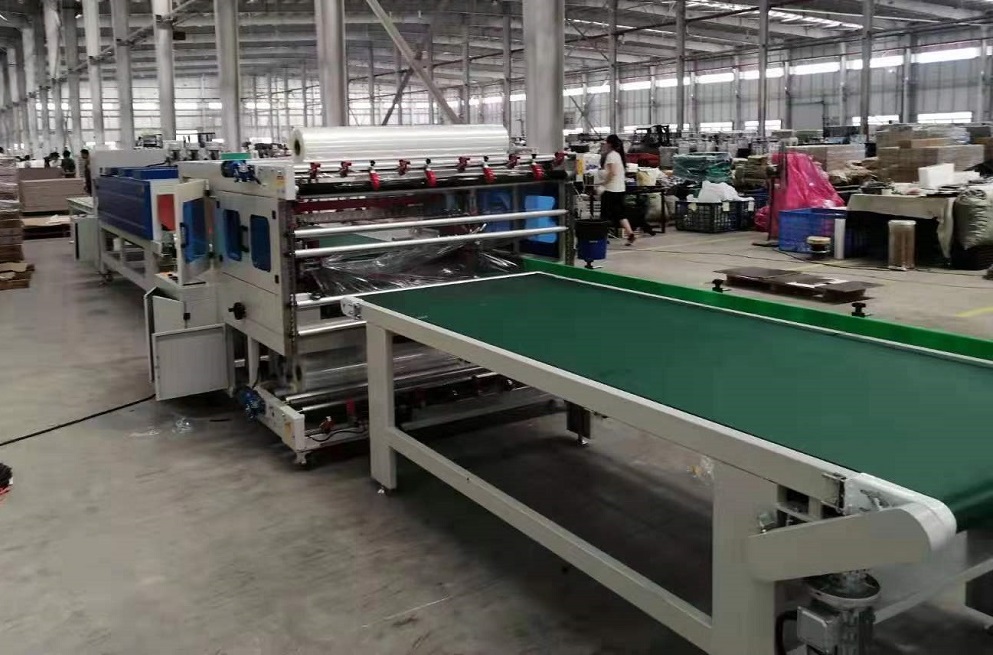
- Infeed Conveyor: Products are loaded onto an automated conveyor system, which transports them into the wrapping zone. Guide rails are often adjustable to accommodate varying product dimensions.
- Film Dispensing and Sealing: A roll of shrink film (typically center-folded) is positioned above and below the product path. As the product moves forward, the film envelops it. A sealing bar (often L-shaped for side and end seals, or potentially a continuous side sealer followed by an end seal) creates a complete bag around the item using heat and pressure.
- Heat Shrink Tunnel: The loosely bagged product then travels through an insulated tunnel equipped with heating elements (e.g., infrared heaters, convection blowers). Precisely controlled hot air circulates around the film, causing it to shrink uniformly and conform tightly to the contours of the product. Temperature and airflow are critical parameters adjusted based on film type, thickness, and product sensitivity.
- Cooling Zone (Optional but Recommended): After exiting the heat tunnel, a cooling station using ambient or forced air helps set the film quickly, ensuring a tight wrap and allowing for immediate handling.
- Outfeed Conveyor: The securely wrapped product exits the machine, ready for stacking, storage, or shipping.
Key components contributing to its performance include:
- Robust Steel Frame: Provides stability and durability for industrial environments.
- PLC Control System: A Programmable Logic Controller manages machine sequences, temperature settings, conveyor speeds, and sealing times, ensuring consistent results and allowing for easy adjustments via an HMI (Human-Machine Interface).
- Variable Speed Conveyors: Allows synchronization of product flow through sealing, shrinking, and cooling stages.
- Precision Temperature Controllers: Maintain consistent heat within the tunnel, crucial for avoiding film burn-through or insufficient shrinkage.
- Safety Features: Emergency stop buttons, heat shields, and potentially interlocked access panels are standard safety inclusions.
2. Design, Structure, and Customization
The design of these machines prioritizes efficiency, reliability, and adaptability:
- Structural Integrity: Built with heavy-gauge steel, the frame withstands continuous operation and the weight of large products. Access panels are typically designed for ease of maintenance.
- Modularity: Some designs allow for modular additions, such as different infeeds, outfeeds, or integration with existing production lines.
- Adjustability: Key elements like conveyor height, side guides, sealing bar position, and tunnel temperature/airflow are adjustable to handle a range of product sizes (Length, Width, Height) and film types.
- Energy Efficiency: Modern designs often incorporate improved insulation in the heat tunnel and energy-saving modes during idle periods to reduce operational costs.
3. Technical Specifications Overview
While exact specifications can vary based on the model and customization, typical parameters provide a baseline understanding:
- Machine Type: Automatic Shrink Wrapping System with Heat Tunnel
- Year of Manufacture: Typically current (e.g., 2023 or newer for new models)
- Condition: New
- Compatible Film Types: Primarily Polyolefin (POF) (popular due to its clarity, strength, and food-safe grades) and PVC (less common now due to environmental concerns but still used for specific applications). Polyethylene (PE) might be used for heavier bundling applications.
- Maximum Product Size Capacity (Example Range):
- Length: Up to 2000mm (or tailored to requirements)
- Width: Up to 1200mm (or tailored)
- Height: Up to 50mm-100mm (depending on seal bar clearance and tunnel height)
- Shrinking Temperature Range: Typically adjustable from 150°C to 250°C (300°F to 480°F), allowing fine-tuning for different film materials and thicknesses.
- Film Roll Specifications:
- Max Outer Diameter: ~300mm – 500mm
- Inner Core Diameter: Standard 76mm (3 inches)
- Max Film Width: Dependent on max product width and sealing mechanism (e.g., up to 1300mm+)
- Power Requirements: Often 380V, 50/60Hz, 3-Phase, but specific requirements depend on machine size and heater wattage. Power consumption can range from 15kW to 50kW+ for larger tunnels.
- Approximate Machine Footprint (Example):
- Length: 4500mm – 6000mm+
- Width: 2200mm – 2500mm+
- Height: 2100mm – 2300mm+
- Machine Weight: Approximately 800kg – 1500kg+, varying significantly with size and construction.
- Warranty: Typically 1 year on parts.