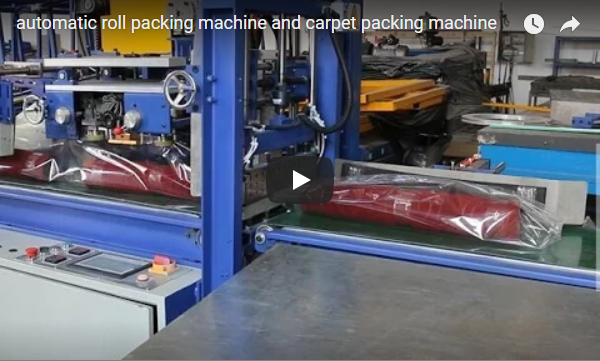
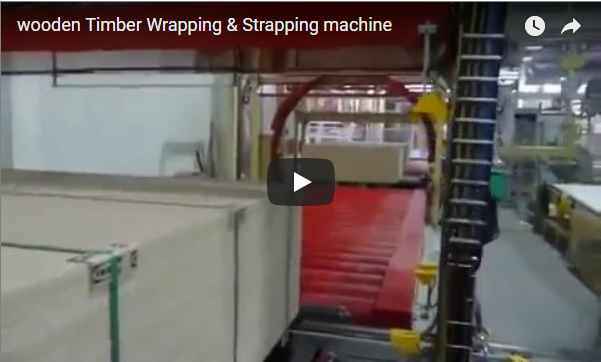
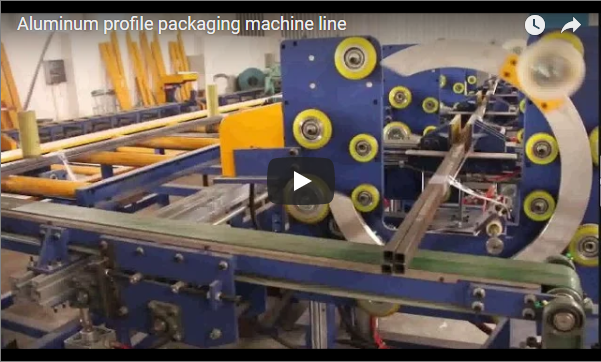
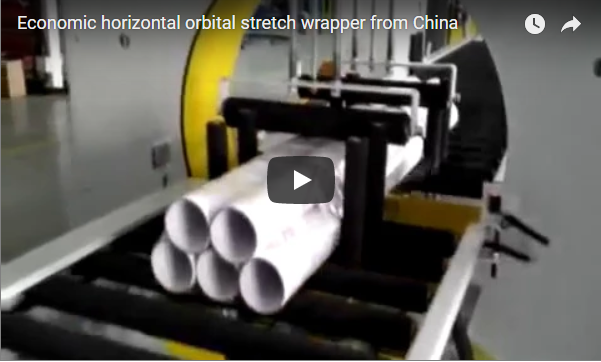
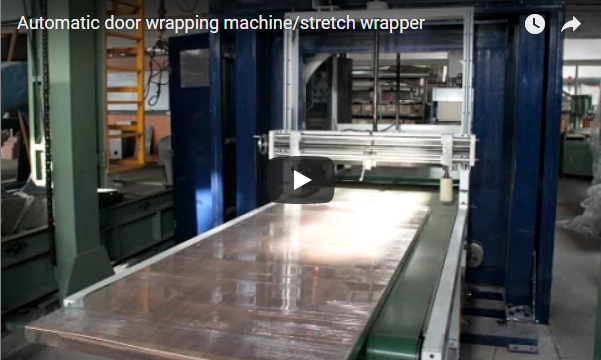
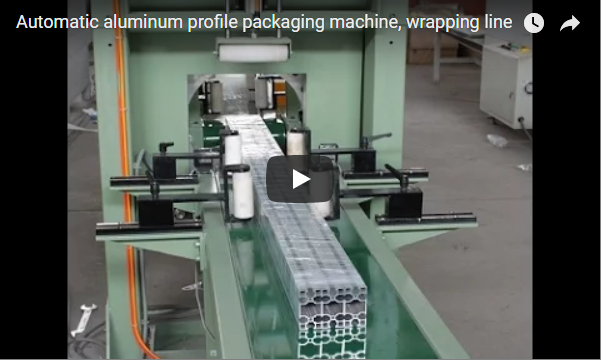
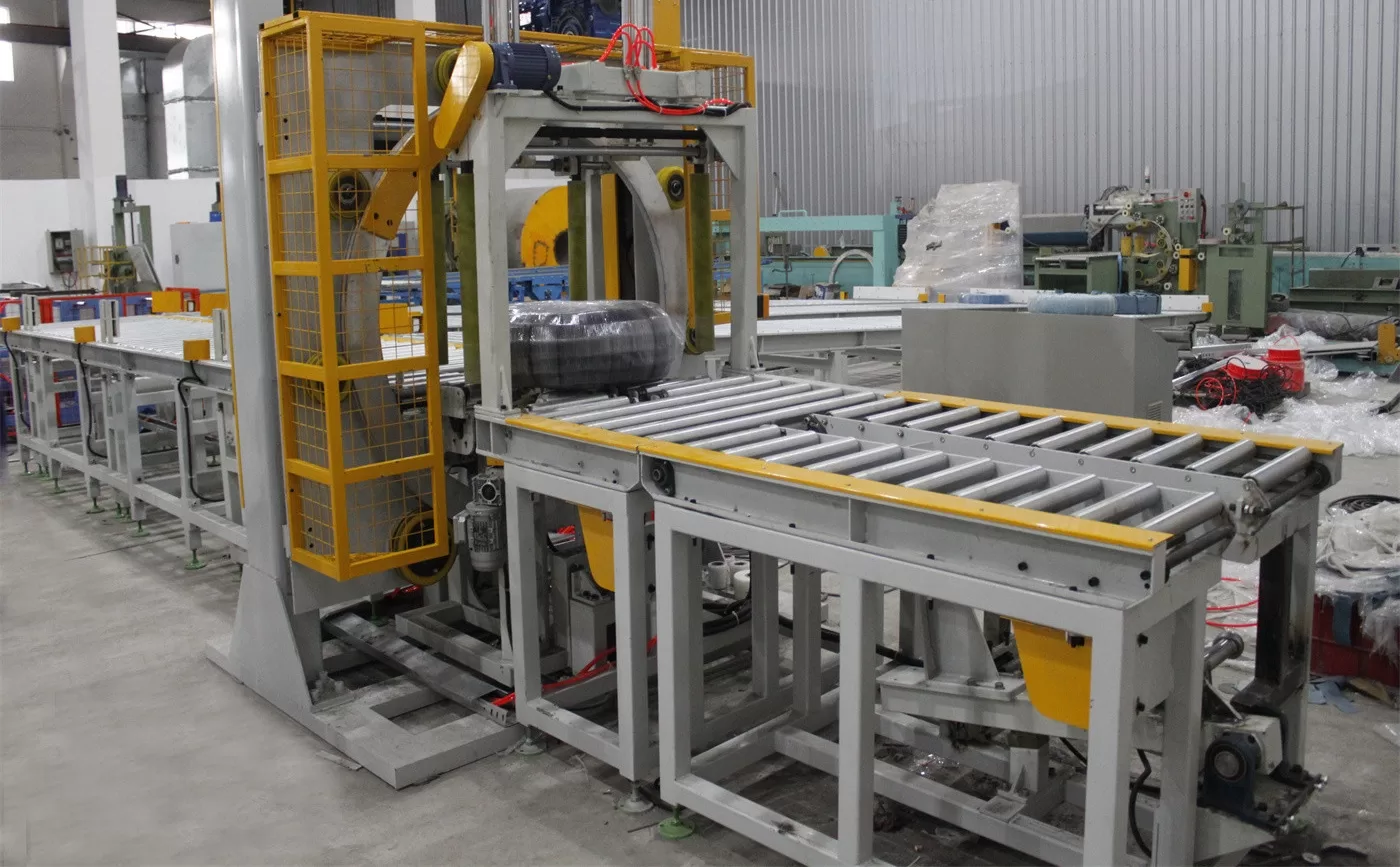
Executive summary: This page is for anyone wrapping long products such as aluminum panels, profiles or timber and deciding whether to automate. It explains what a horizontal orbital stretch wrapper does, how a ring-mounted wrap arm rotates around the product rather than the product rotating, and what to verify with a supplier before you commit. The video below shows one long workpiece moving through a full orbital cycle, and the photos on this page are product-library reference images, not stills from the clip.
Table of Contents
- What this page helps you decide
- What a horizontal orbital stretch wrapper does
- How the ring wrap works
- What products it suits
- What to verify before you buy
- What the video shows
- Buyer’s verification checklist
- FAQ
- Related reading
- Next step
What this page helps you decide
Long products such as aluminum panels, profiles and timber are difficult to wrap by hand along their full length. A horizontal orbital stretch wrapper wraps them automatically by rotating a ring-mounted arm around the product as it moves through. The video below shows one full cycle.
This page turns that machine into questions you can ask a supplier: what product sizes it accepts, how the ring and arm are controlled, and what safety devices protect the operators. The checklist at the bottom gives you a single request you can send as it stands.
What a horizontal orbital stretch wrapper does
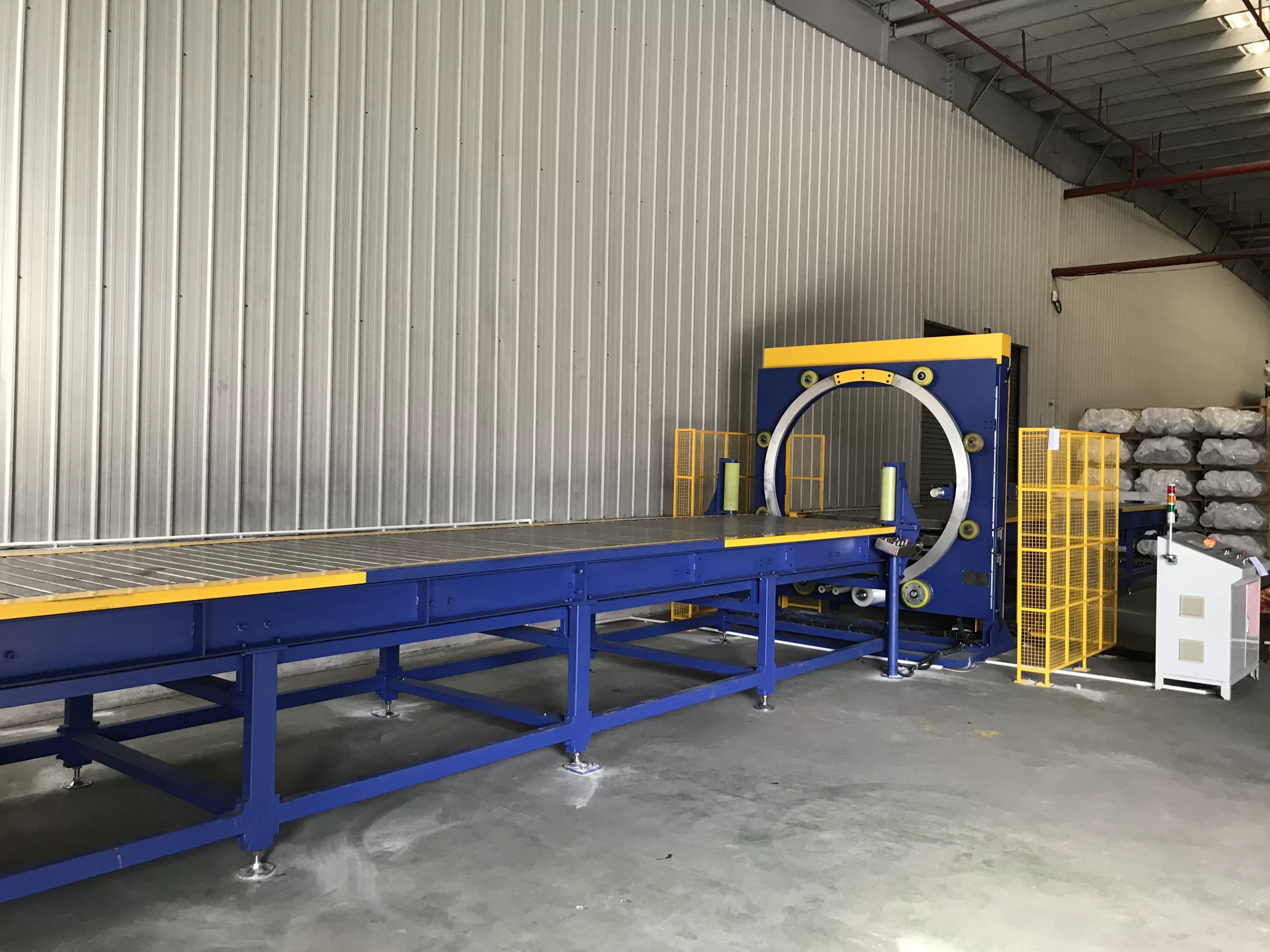
A horizontal orbital stretch wrapper applies transparent stretch film along the length of a long product. The product stays flat and moves through the machine on a conveyor while a ring-mounted wrap arm rotates around it. Film is released from a roll on the arm and wrapped around the product in a continuous spiral from one end to the other.
The defining behaviour is that the arm orbits the product, not the other way around. This is different from a rotating-roll wrapper, where the product turns on rollers, and from a turntable wrapper, which rotates a pallet. Long straight products are the natural fit.
How the ring wrap works
The cycle in the video follows a clear sequence.
- Feed. The product sits on a tray at the entry; the conveyor starts and carries it into the ring area.
- Lower the ring. The upper assembly with the wrap arm descends into working position over the product.
- Rotate and wrap. The ring arm rotates around the product, drawing film from the roll and wrapping it around the surface as the product advances slowly.
- Densify and output. The film layer builds up as the product continues forward; the arm stops and the wrapped product exits on the conveyor.
The film is applied in a continuous spiral along the length, which suits long products that a turntable cannot handle.
What products it suits
Based on what the footage demonstrates, this type of wrapper fits:
- Aluminum panels and profiles — flat or shaped extrusions that need an even film cover before dispatch.
- Timber and long goods — board, trim and other long products that a turntable wrapper cannot rotate.
- Mixed lengths with a caveat. The video shows one workpiece; whether different lengths and cross-sections run at the required speed is a compatibility question to confirm with the manufacturer.
It is less suitable for short, heavy pallet loads, which a turntable wrapper usually handles more directly.
What to verify before you buy
The video shows the wrapping action, not the specification. Nothing on screen states product size range, line speed, film data or throughput, so those figures come from the supplier in writing. Start with six facts:
- Product envelope — minimum and maximum length, width, height and weight.
- Throughput — metres or pieces per hour.
- Film setup — film type, width, thickness and number of layers.
- Feeding — how the product is loaded onto the tray and conveyor.
- Controls — the touch screen functions and the emergency stop shown on the panel.
- Safety package — guarding, fencing, emergency stops and certifications.
Each item changes the purchase decision. The checklist below restates them as a single request you can send as it stands.
What the video shows
What the video shows is one long workpiece through a complete orbital wrapping cycle. At the start the conveyor is stationary and the workpiece sits on a yellow circular tray at the entry.
The green conveyor starts and carries the workpiece into the ring area, and the upper assembly with a wrap arm descends into working position. The ring arm then rotates around the workpiece, releasing film from the roll and wrapping it along the surface while the workpiece advances slowly. The film layer becomes denser, the arm stops, and the fully wrapped workpiece continues toward the exit.
What the video does not show is just as important. It does not show product length, width or weight range, line speed, metres or pieces per hour, film type, width or layer counts, model number, power or voltage. It does not show guarding or fencing details, and it does not show how the film end is cut and sealed at the finish.
Direct observation notes from the sampled frames follow one rule: only what is visible is stated, and nothing is guessed from audio, because the clip has background music and no narration.
The machine has a white or light-gray metal body over an industrial base, a green conveyor that carries the product from feed to output, and an overhead ring track with a rotating wrap arm. An upper assembly lowers the ring into position, and black holding devices above and below keep the product stable during wrapping.
A film roll feeds the wrap arm, and a control panel on the right has a touch screen with a green display plus colored buttons, including a red emergency-stop button.
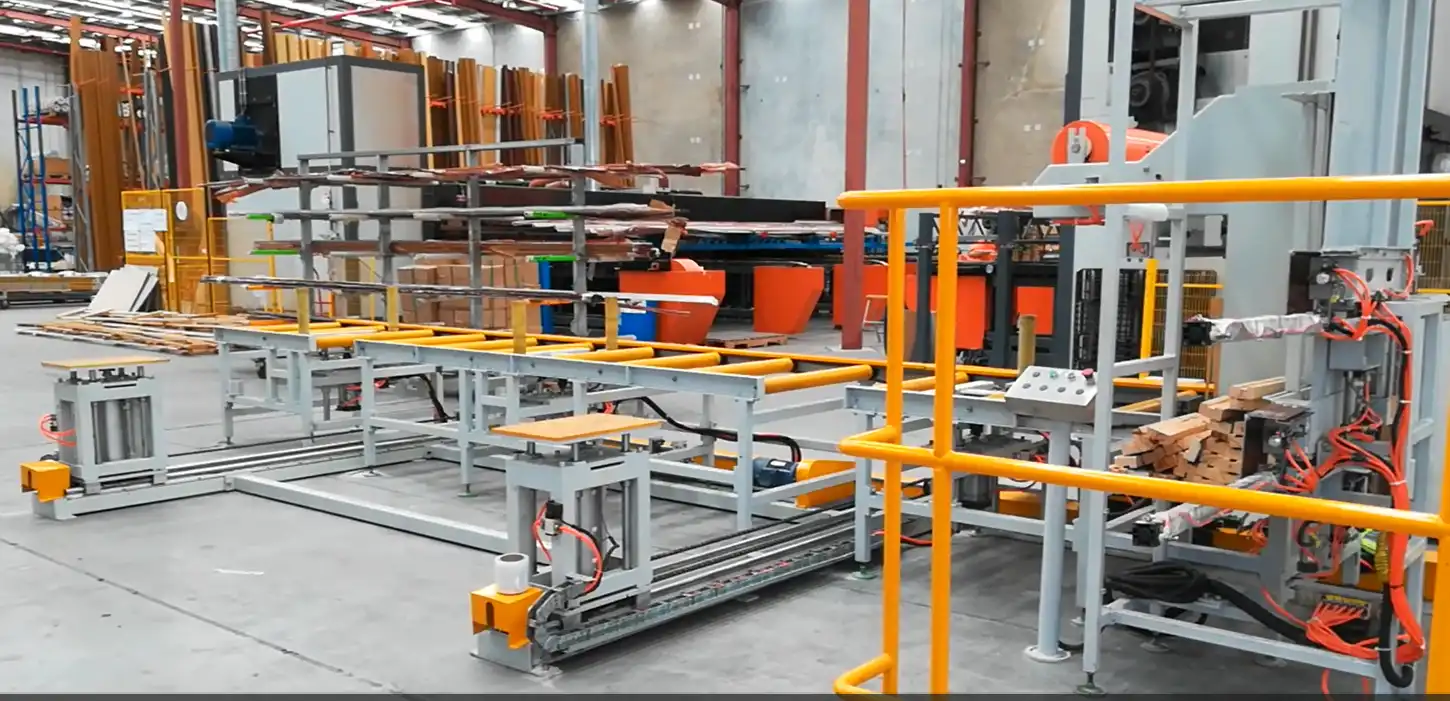
The product is a long, silver-gray, rectangular workpiece, consistent with an aluminum panel, profile or timber piece, smooth with slight reflection, staying horizontal with no rotation or tilt while advancing. The photographs on this page are product-library reference images from the manufacturer, not stills from the clip.
Buyer’s verification checklist
| Ask the supplier for | Why it decides the purchase |
|---|---|
| Min/max length, width, height, weight | Whether the ring and conveyor hold your goods |
| Metres or pieces per hour | Whether it keeps pace with your line |
| Film type, width, thickness, layers | The film is what protects the product |
| How the product is fed and aligned | The video shows a tray-assisted feed |
| Control panel functions and E-stop | A touch screen and red E-stop are visible |
| Guarding, fencing, certs | None are clearly shown in the clip |
Send to the supplier: Please confirm for a horizontal orbital stretch wrapper as shown in the demonstration video: (1) the minimum and maximum product length, width, height and weight; (2) metres or pieces per hour; (3) film type, width, thickness and number of layers; (4) how the product is loaded onto the tray and aligned on the conveyor; (5) what the touch screen controls, including the emergency stop; (6) fitted safety devices including guarding, fencing and certifications.
FAQ
Does the product rotate during wrapping? No. The video shows the product staying flat and horizontal while a ring-mounted arm rotates around it. This is what makes an orbital wrapper suitable for long goods.
What products can it wrap? The video shows one long rectangular workpiece, consistent with an aluminum panel, profile or timber piece. Confirm your product dimensions and shapes with the supplier.
What does the video show about controls? A control panel on the right with a touch screen and colored buttons, including a red emergency-stop button. The full control functions are not explained in the clip.
Related reading
- Aluminum Profile Packaging
- Automatic Packing Line
- Automatic Horizontal Wrapping Machine and Orbital Wrapper
- Horizontal Stretch Wrapper for Paper Light Products
- Horizontal Ring Orbital Stretch Wrapping Machine
- Orbital Horizontal Stretch Wrapper for Motor and Tray
Next step
Send the supplier your product dimensions, target throughput and film requirements, and ask for the six verification figures from the checklist above.
Then confirm how the product is fed and aligned, because the video shows a tray-assisted feed and you need to know how it suits your handling.
Then ask about the film end cut and seal, since no finishing step appears in the clip and it decides whether the wrap stays closed in transit. Use the contact page to start that exchange.
Last reviewed: 2026-09-24
Published: 2026-09-24