Executive summary
End-of-line packaging asks a line to label, seal and shrink in one continuous flow, and running those as separate stations slows the line down. This online machine integrates labeling, sealing and shrinking into one system, giving consistent quality and a faster turnaround for diverse products. We build integrated labeling, sealing and shrinking machines for packaging lines. Product range and line interface are confirmed per project.
Table of Contents
- Why end-of-line is integrated
- What the machine combines
- Labeling in line
- Sealing the package
- Shrinking for finish
- Keeping up with the line
- Typical configuration
- What the video shows
- Selection checklist
- Operation and safety
- Engineering FAQ
- Next step
- Related reading
- Sources and standards
Why end-of-line is integrated
The modern packaging floor runs more products with fewer hands, and end-of-line steps have to keep up or they become the queue. Labeling, sealing and shrinking as separate stations put packages through three handling points, and the line between them is where the small delays add up. With more products and faster turnaround expected, an integrated machine keeps the three steps flowing onto each other. The line and its pace are confirmed per project.
What the machine combines
The machine integrates labeling, sealing and shrinking into one streamlined system, running the three processes on one flow. The package is labeled, sealed and shrunk as it moves through, without being re-inventoried between steps. Combining the processes is what makes the end-of-line compact and consistent, since every package takes the same path. The combined steps are confirmed per project on the real product range.
Labeling in line
The labeling step applies the label to the package as it travels, placing it consistently on every unit. Consistent label placement matters because the label carries the product identity, and a crooked label is a visible defect at retail. Labeling in line means the label position is set by the machine rather than judged by hand. The label application point and format are confirmed per project.
Sealing the package
The sealing step closes the package after labeling, making the film or covering a sealed unit. A good seal holds the product and the close, and consistent sealing keeps every package at the same standard. Sealing in the machine closes the film the same way each time, removing the variance of hand closing. Seal settings follow the film and the product, confirmed per project.
Shrinking for finish
The shrinking step finishes the package, pulling the film tight around the product to give it a clean, held form. Shrinking is the step that makes the package look finished and travel tight, and it has to follow the sealing that closed the film. Tunnel heat and dwell follow the film and the product, confirmed per project. The finished package leaves tight, labeled and sealed.
Keeping up with the line
An online machine keeps pace with the packaging line it serves, so the end-of-line does not build a queue. Synchronization means the machine accepts the flow as it arrives and hands the finished package on in the same rhythm. When the line runs faster or slower, the machine matches the flow rather than requiring buffers. The matched pace is confirmed per project against the actual line.
Typical configuration
Figures below list functional design boundaries rather than numeric values, and are confirmed per project.
| Parameter | Typical range, confirmed per project |
|---|---|
| Product | diverse range |
| Label | application point |
| Seal | film closure |
| Tunnel | temperature, dwell |
| Line | online interface |
| Electrical supply | 380 V three phase 50 Hz, or 220 V single phase for light machines, selected per project |
What the video shows
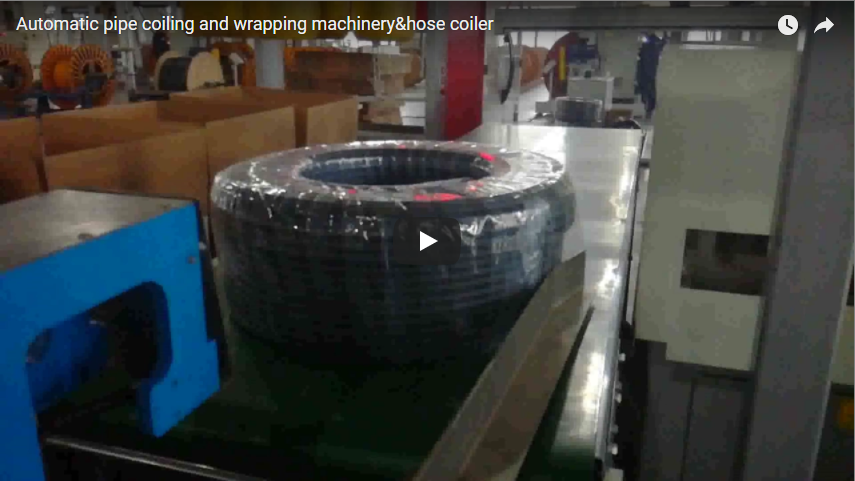
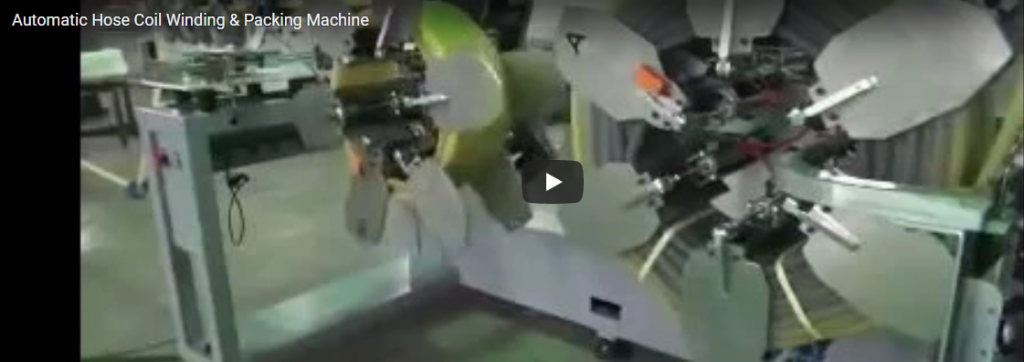
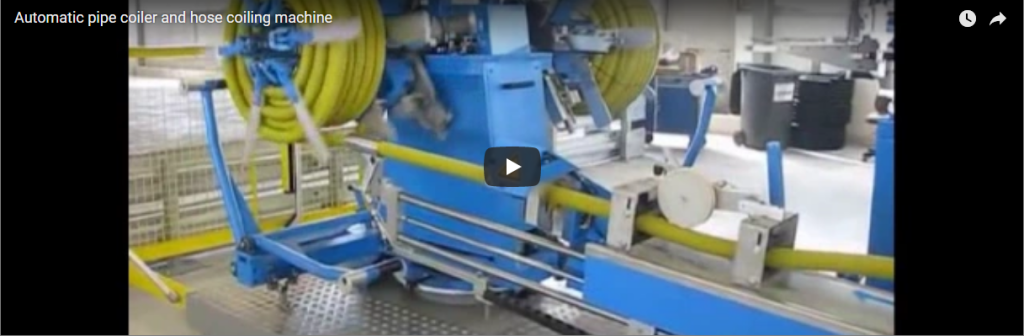
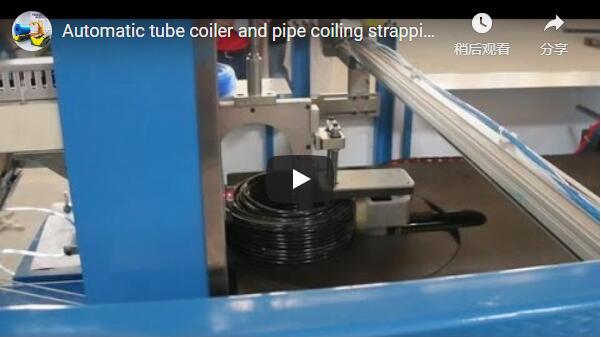
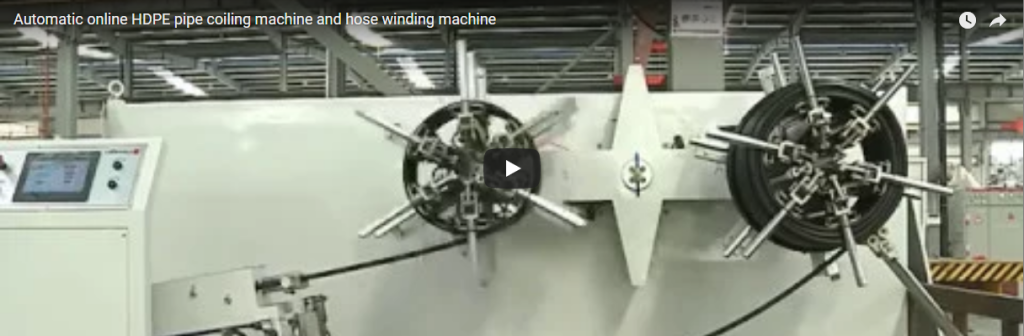
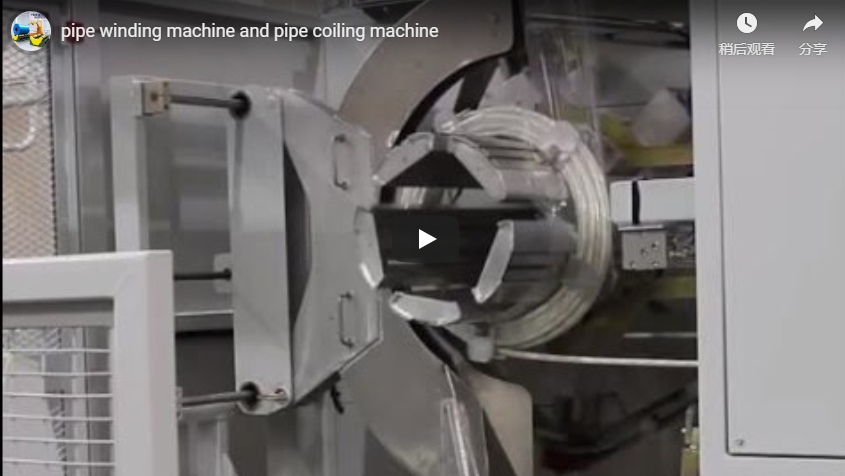
Our footage shows an automatic labeling, sealing and shrinking machine running online. It is a general demonstration, so your product range and line interface are confirmed with us per project.
Selection checklist
| Question | Confirm per project |
|---|---|
| Product | range, formats |
| Label | position, size |
| Seal | film plan |
| Tunnel | heat setting |
| Line | pace match |
| Electrical supply | voltage, phase and frequency on site |
Operation and safety
Run the recipe from the panel and the machine labels, seals and shrinks each package automatically in flow. Keep clear of the labeling head, seal station, film path and shrink tunnel while the machine runs, with guarding and emergency stops at the operator position. Routine checks cover the labeler, seal unit, tunnel, sensors and control, per the machine manual. Confirm the label and film settings against the product before each run so packages come out consistent.
Engineering FAQ
Q: What does this machine do? A: It labels, seals and shrinks packages in one online flow.
Q: Why integrate the three steps? A: Integration removes handling points and keeps the flow compact and consistent.
Q: How is labeling done? A: The label is applied as the package travels, at a set position every time.
Q: Why shrink after sealing? A: Shrinking pulls the closed film tight, finishing the package.
Q: Can it keep up with the line? A: The machine matches the line’s flow without building a queue, confirmed per project.
Next step
- Email us at info@fhopepack.com with your product range and line interface.
- We send a labeling and finishing proposal and a layout drawing within 48 hours.
- We arrange a site survey to confirm product range and line position.
Related reading
- Automatic film sealing machine on panel and door
- Automatic shrink packaging machine for plates
- Automatic bottle shrink wrapping machine from FHOPE
- FHOPE packing machinery product lines
Sources and standards
- ISO 12100:2010 Safety of machinery, general principles for design and risk assessment
- EN 415-10:2014 Safety of packaging machines, general requirements
- EN ISO 13849-1:2023 Safety of machinery, safety-related parts of control systems
FHOPE automatic labeling, sealing and shrinking machine demonstration video. Reviewed as a general demonstration; product range confirmed per project.
Last reviewed: 2026-10-10