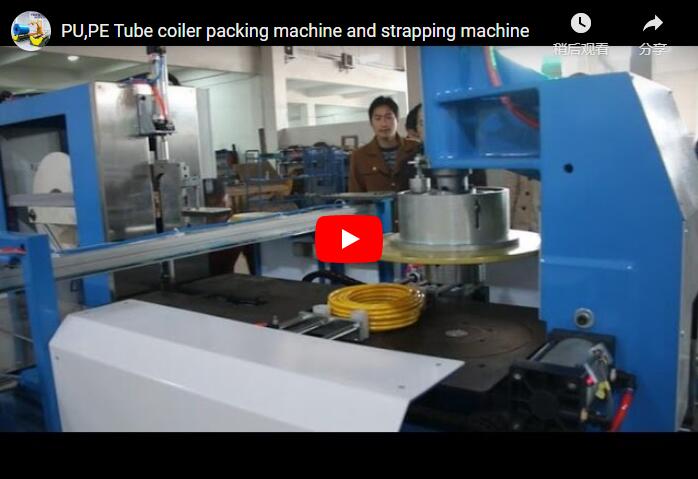
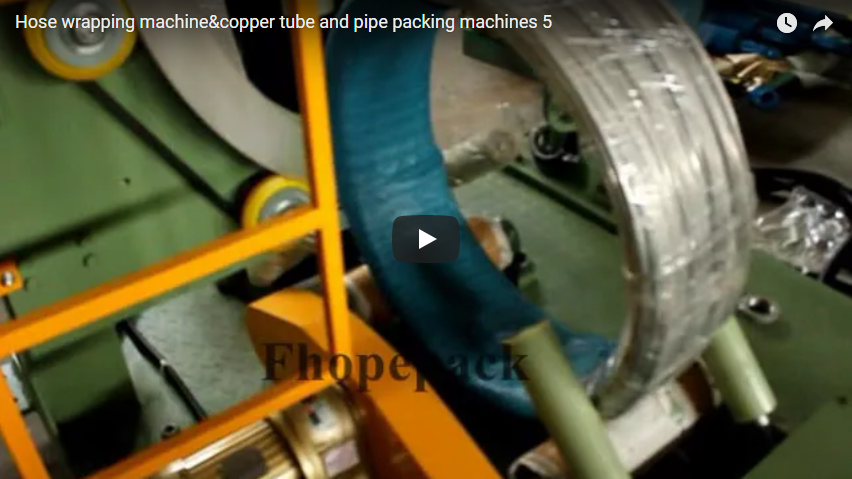
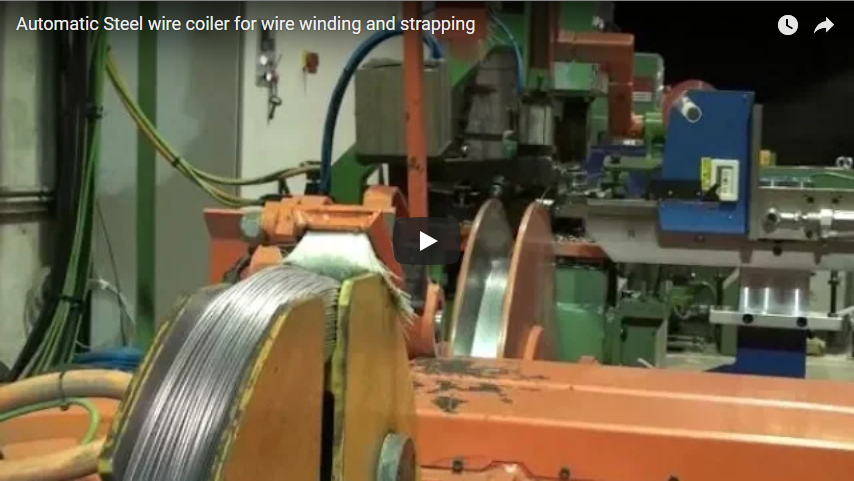
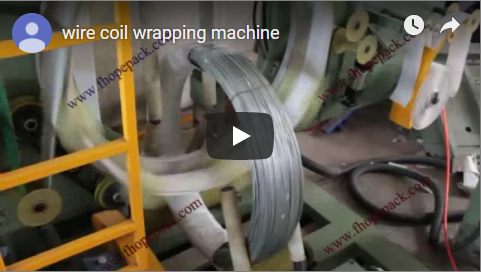
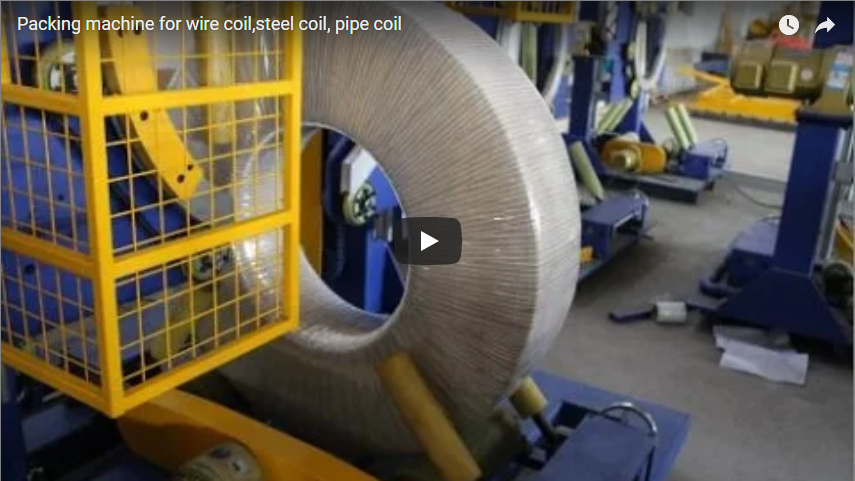
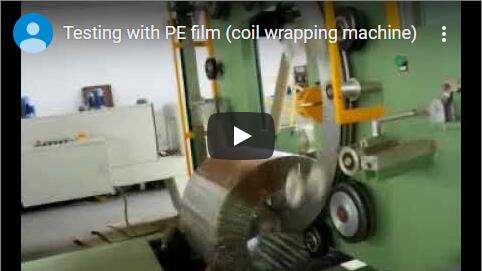
Executive summary: The automation level changes the math on a wire coil line, and this video runs a full-automatic and a semi-automatic vertical wire wrapper side by side so the difference is visible. The full-auto machine runs the whole coil flow on its own and holds steady cycle times, while the semi-auto machine is paced by handling between cycles. Full automation costs more and needs line integration; semi-auto has a smaller footprint and allows quick switching between coil types. The right choice depends on coil volume and mix.
Table of Contents
- Two Machines, One Decision
- Operator Involvement
- Throughput
- Investment and Changeover
- Layout and Volume Fit
- Engineering FAQ
- Next Step
- Sources
- Related Reading
Two Machines, One Decision
Wire coil plants face the same question: how much automation is worth it. We evaluate a full-automatic vertical wrapper and a semi-automatic vertical wrapper side by side in the same plant. The full-automatic line feeds coils on a conveyor in a fully automatic flow. The semi-automatic machine stands alone, taking each coil through load and unload with manual handling.
| Feature | Full-auto | Semi-auto |
|---|---|---|
| Operator | coil flow automatic | needed for load and unload |
| Throughput | steady cycle times | follows operator pace |
| Investment | higher, line integration | lower first cost |
| Changeover | recipe settings | quick between coil types |
| Layout | conveyor and line space | smaller footprint |
| Volume fit | high volume | mixed or lower volume |
Operator Involvement
The full-auto machine runs the coil flow automatically; the semi-auto machine takes charge of its load and unload. In the video, the semi-automatic station cycles at operator pace while the full-automatic line keeps running on its own. That difference sets the labor picture for the whole line.
Throughput
Full-auto operation holds steady cycle times; semi-auto output follows operator pace. The full-automatic wrapper takes coils from a conveyor and holds a fixed wrap rhythm regardless of the operator. On the semi-automatic machine, each cycle waits on the operator to place the next coil, so the pace varies through the shift.
Investment and Changeover
Full automation costs more and requires line integration. The conveyor, controls, and guarding that make the line hands-free all add to the first cost. Semi-auto allows quick switching between coil types; full-auto relies on recipe settings. Where the semi-automatic machine changes over by adjusting the support and film at the station, the full-automatic line swaps coils through a recipe on the control panel.
Layout and Volume Fit
Full-auto needs conveyor and line space; semi-auto has a smaller footprint. The full-automatic machine takes up line length for its conveyor and in-line phase, while the semi-automatic machine fits a narrower bay without extra material flow. Full-auto suits high-volume production; semi-auto suits mixed or lower-volume batches. Match the machine to the coil volume and mix you actually ship.
For reference, our wire coil wrapping range handles steel wire coils with outer diameters up to 2500 mm and weights from 1 to 3 t. A heavy coil dimension range spans 400 mm to 1000 mm, with the dimension type and exact split confirmed and configured per project at engineering review.
| Coil range reference | Value |
|---|---|
| Max outer diameter | 2500 mm |
| Coil weight range | 1 to 3 t |
| Heavy coil dimension range | 400 to 1000 mm |
Engineering FAQ
Q: Which machine needs an operator? A: The semi-automatic machine takes manual load and unload. The full-automatic machine runs the coil flow automatically through its conveyor phase.
Q: Why does the semi-auto output vary? A: The semi-automatic machine cycles at the pace of its handling steps. When the coil flow between wraps is interrupted, the wrap interval stretches; the full-automatic line stays on a fixed rhythm.
Q: How quickly can I change coil types? A: Semi-auto allows quick switching between coil types; full-auto relies on recipe settings, so the conveyor line uses a saved recipe per coil type.
Q: Is the full-auto line the better buy? A: It depends on volume. Full automation costs more and requires line integration and conveyor space. Full-auto suits high-volume production; semi-auto suits mixed or lower-volume batches with a smaller footprint.
Q: What should a buyer confirm before commissioning? A: The standards that apply depend on the destination market. For CE markets, ISO 12100 sets the risk-assessment method, and EN 415-10 covers the safety requirements of packaging machines. Confirm the guarding and control scheme with the builder for your market.
Next Step
Selection checklist
To choose between full-auto and semi-auto wire wrappers, the next step is a short sequence:
- Measure your coil volume and mix.
- Submit your layout drawing.
- Receive a proposal within 48 hours.
- Book a site survey.
Write to info@fhopepack.com and our engineers will match the automation level to your volume and layout.
Sources
- Project video (video ID _WWtVagEOqU, FHOPE GROUP)
- This article is based on the real plant content published with this video.
Last reviewed: 2026-10-14