Executive summary
Procurement teams acquire automated packaging equipment that has to deliver safety, traceability and material protection, not just throughput. This evaluation framework guides buyers through automated packaging machinery, covering stretch wrappers, palletizers and integrated conveying systems, with a review of safety architecture, data logging and handling integrity before commissioning. We build stretch wrappers, palletizers and conveying systems. Machine and line requirements are confirmed per project.
Table of Contents
- Why procurement needs evaluation
- What the framework covers
- Evaluating stretch wrappers
- Evaluating palletizers
- Integrated conveying systems
- Safety architecture
- Typical configuration
- What the video shows
- Selection checklist
- Operation and safety
- Engineering FAQ
- Next step
- Related reading
- Sources and standards
Why procurement needs evaluation
Automated packaging equipment is often ordered on throughput figures, then fails at the audit, in the downtime log or on the product it was meant to protect. Procurement teams buy a machine, but the machine has to keep a plant running: safety verified, loads protected and data traceable. An evaluation framework checks those before the line is in, so a good price does not turn into a failed commissioning. The machine and its line fit are confirmed per project.
What the framework covers
The framework evaluates automated packaging machinery through three core domains: safety system verification, data logging and ergonomic compliance, and surface protection and load-handling for sensitive or coated materials. Those three cover the machine classes central to end-of-line work: stretch wrappers, palletizers and integrated conveying systems. Checking all three before purchase is what keeps the machine from failing after installation. The framework’s checks and the machine scope are confirmed per project, including the data and traceability the line must record.
Evaluating stretch wrappers
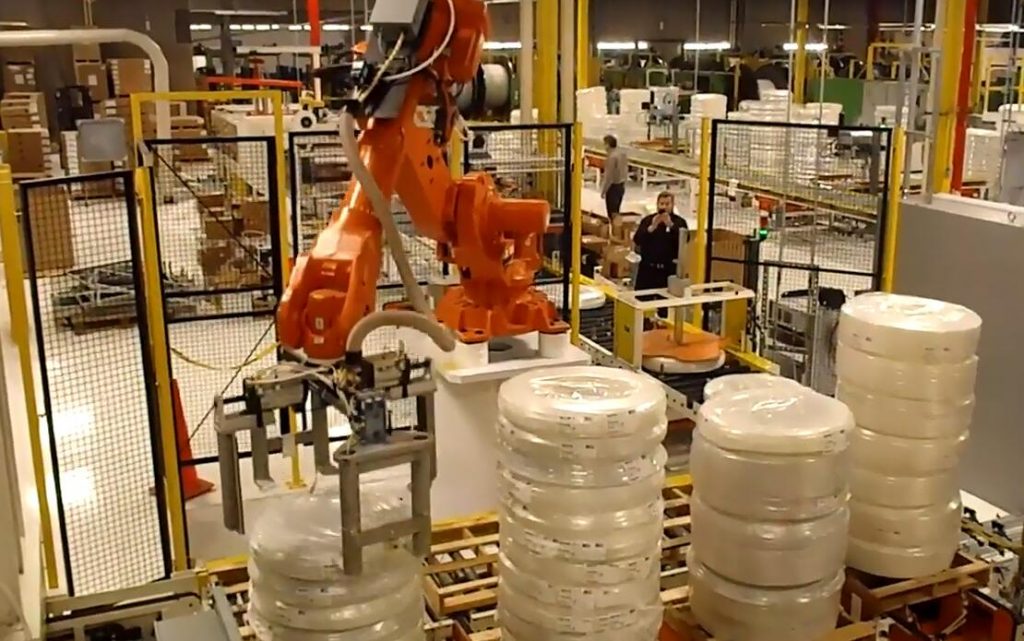
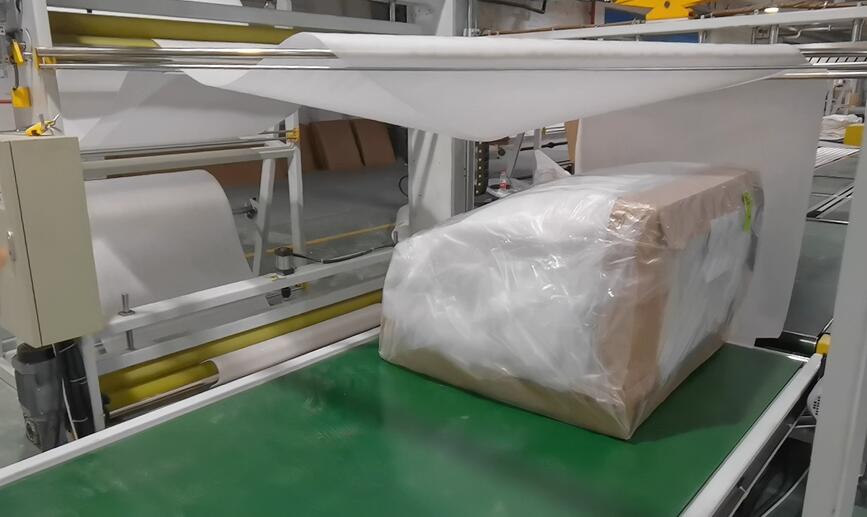
A stretch wrapper is checked on its wrap cycle, film handling and the load it actually protects. The evaluation checks that the wrapper holds sensitive or coated materials without marking them, and that the wrap is consistent across the load range. Film tension, overlap and rotation follow the load rather than a fixed setting, agreed with the plant. The wrapper’s role in the line is confirmed, so its delivery protects the product it was bought to protect.
Evaluating palletizers
A palletizer is checked on pattern, load handling and how it hands loads to the next station. The evaluation checks the palletizer builds stable patterns across the product range, and that transfers hold the load without damage. Palletizer duty matters: a machine sized on paper can stress on the actual product mix. Pattern and load range are set with the plant, so the palletizer delivers stable pallets at the rate the line needs.
Integrated conveying systems
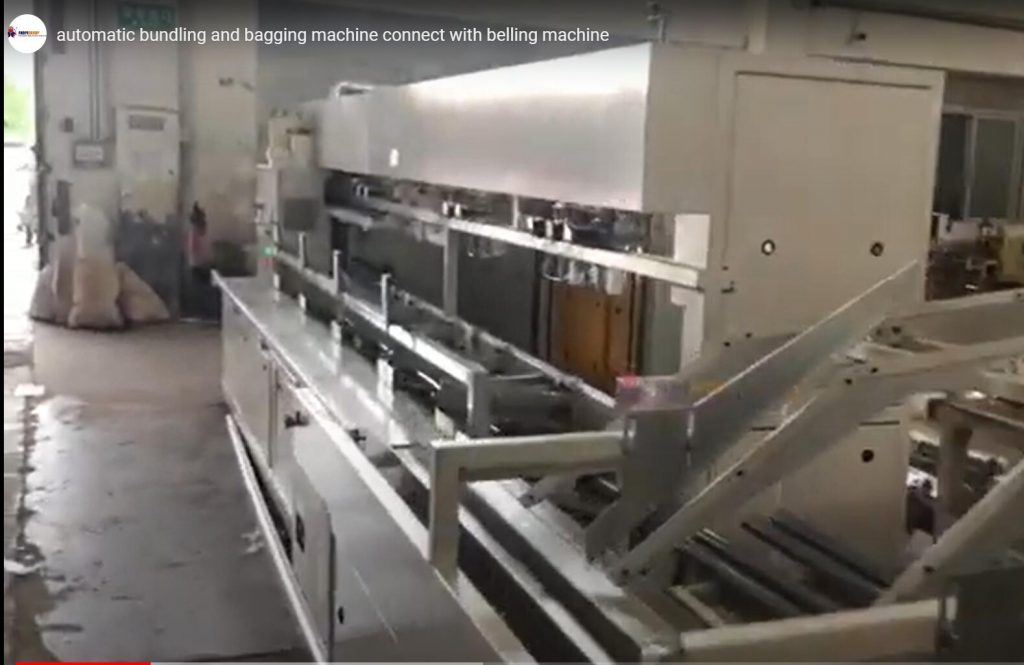
Conveying ties the machines into one flow, so the evaluation checks the conveyors that carry loads between stations. The checks cover transfer points, speeds matched to the machines and the way loads sit on the belt or rollers. A line that was evaluated machine by machine but not as a flow fails where the machines meet. Conveyor layout and interfaces are confirmed per project, so loads move cleanly from one station to the next.
Safety architecture
Safety is verified as an architecture, not a sticker: interlock logic, drive torque cutoff and hazard zone coverage. Interlocks stop the machine when a guard is opened, torque cutoff protects against jams, and hazard zone coverage places guarding and stops where operators actually work. These are the controls that show up in a safety audit and in the moment a jam starts. The safety architecture is matched to the machine’s risks at order time.
Typical configuration
Figures below list functional design boundaries rather than numeric values, and are confirmed per project.
| Parameter | Typical range, confirmed per project |
|---|---|
| Machine | wrapper, palletizer, conveyor |
| Safety | interlock, torque cutoff |
| Data | logging, traceability |
| Load | sensitive and coated materials |
| Integration | line interfaces |
| Electrical supply | 380 V three phase 50 Hz, or 220 V single phase for light machines, selected per project |
What the video shows
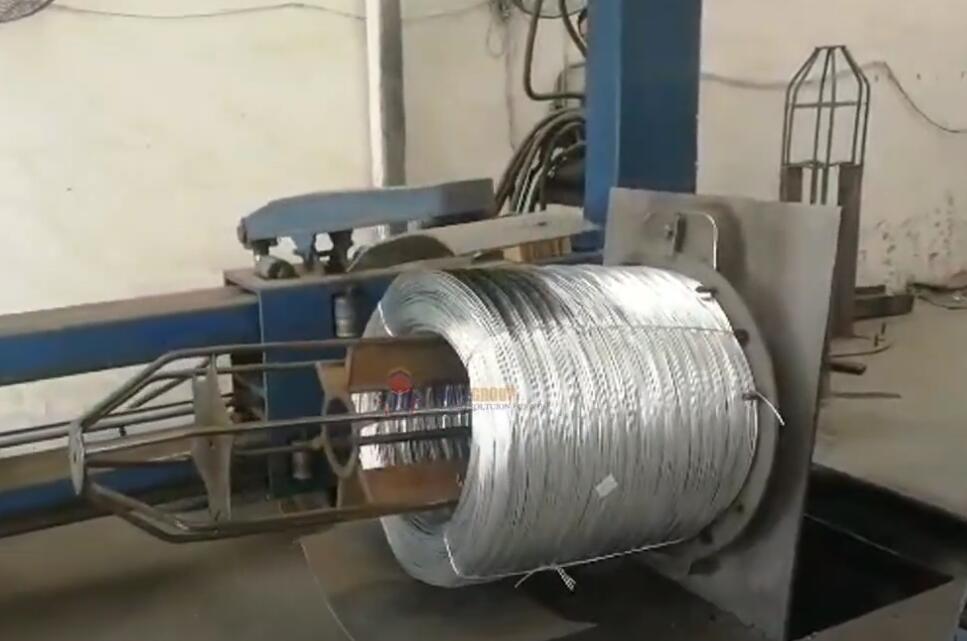
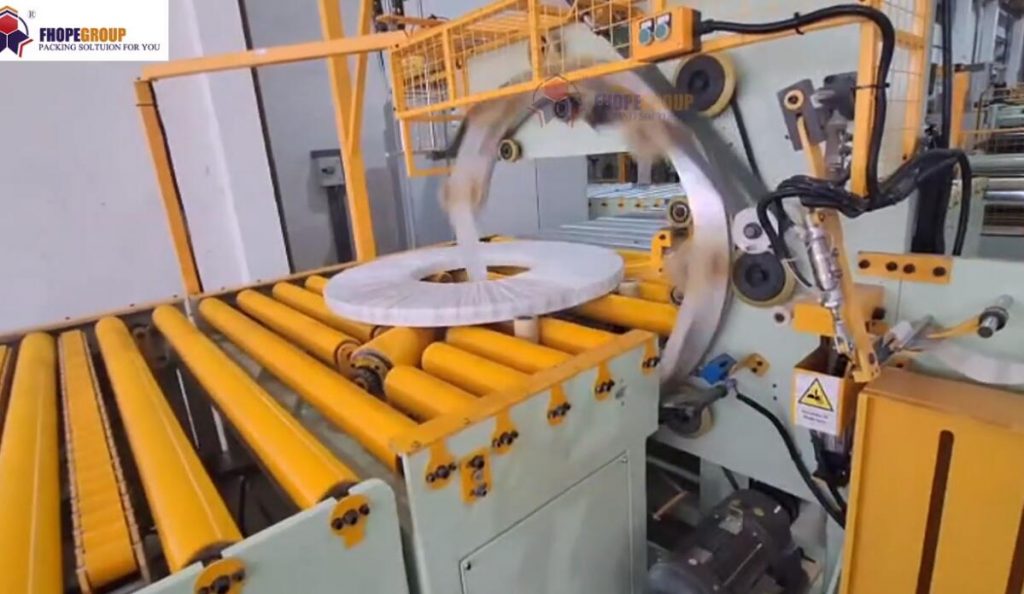
Our footage shows automated packaging equipment in operation. It is a general demonstration, so your machine mix and evaluation scope are confirmed with us per project.
Selection checklist
| Question | Confirm per project |
|---|---|
| Machine mix | wrapper, palletizer |
| Safety | interlock and cutoffs |
| Data | traceability needs |
| Load | coated materials |
| Flow | conveyor interfaces |
| Electrical supply | voltage, phase and frequency on site |
Operation and safety
Operate the machines from their panels following the confirmed safety architecture, with guards closed and interlocks active while running. Keep clear of wrapping rings, palletizer arms and conveyor transfers while lines run, with emergency stops at every operator position. Routine checks cover interlock function, torque cutoff, load sensors and data logs, per the machine manual. Review the safety checks at the start of each shift, as the evaluation specifies.
Engineering FAQ
Q: What does this framework check? A: It checks safety architecture, data traceability and material protection before commissioning.
Q: What machine classes does it cover? A: Stretch wrappers, palletizers and integrated conveying systems.
Q: What is safety architecture? A: Interlock logic, drive torque cutoff and hazard zone coverage, verified as a system.
Q: Why data traceability? A: Cycle, fault and export records let the plant answer how and where a load was produced.
Q: What about coated materials? A: Load handling is verified so sensitive or coated surfaces pass without marking.
Next step
- Email us at info@fhopepack.com with your machine mix and line requirements.
- We send a packaging evaluation and a layout drawing within 48 hours.
- We arrange a site survey to confirm machine mix and plant layout.
Related reading
- Automatic pallet wrapping machine: complete guide
- Automatic palletizer and turntable stretch wrapper
- Pallet transfer changing machine
- FHOPE packing machinery product lines
Sources and standards
- ISO 12100:2010 Safety of machinery, general principles for design and risk assessment
- EN 415-10:2014 Safety of packaging machines, general requirements
- EN ISO 13849-1:2023 Safety of machinery, safety-related parts of control systems
FHOPE packaging equipment demonstration video. Reviewed as a general demonstration; machine mix confirmed per project.
Last reviewed: 2026-10-10