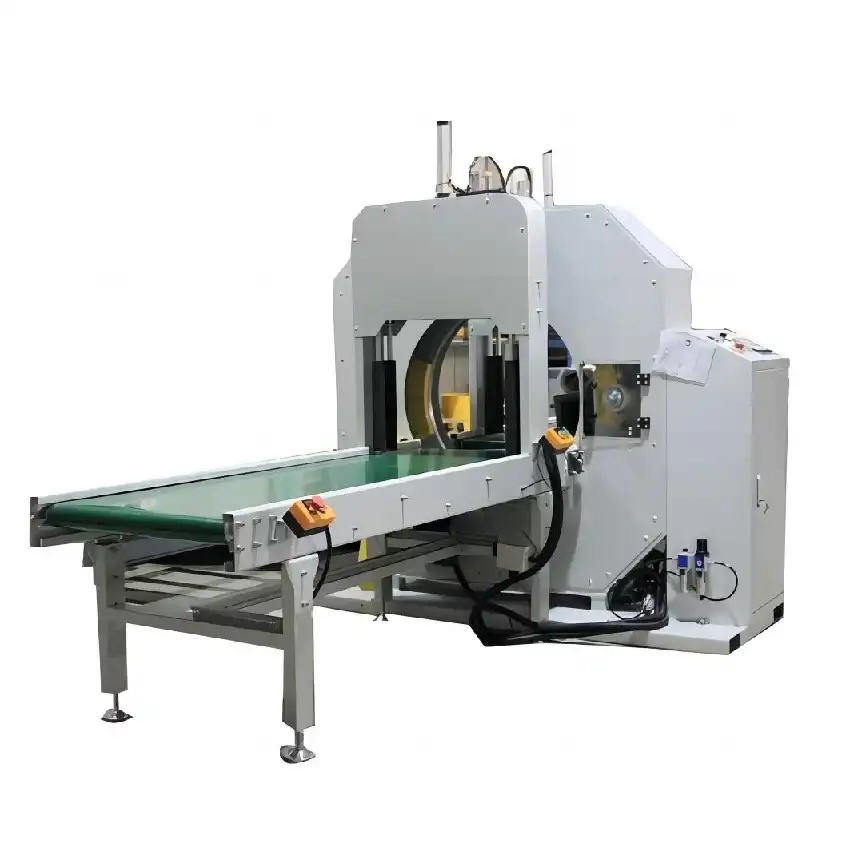
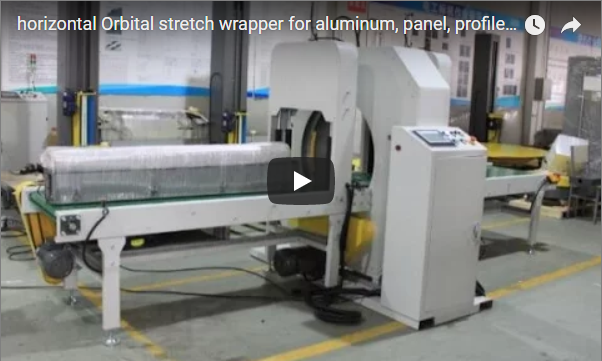
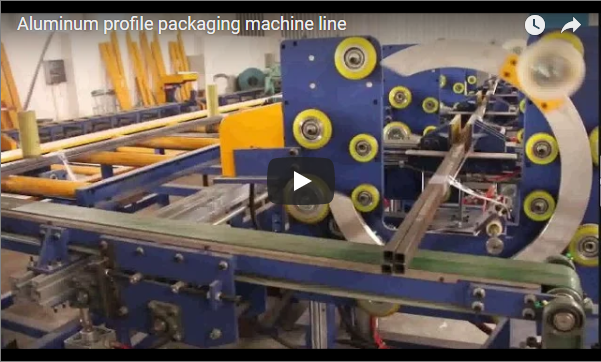
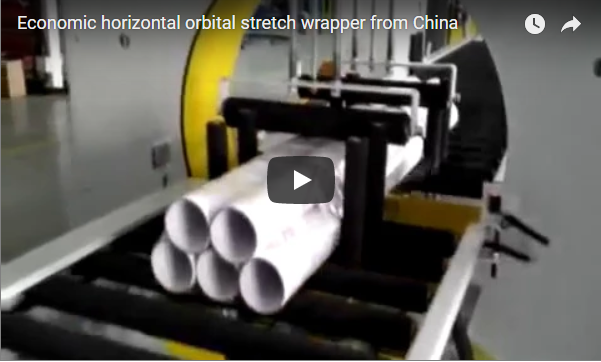
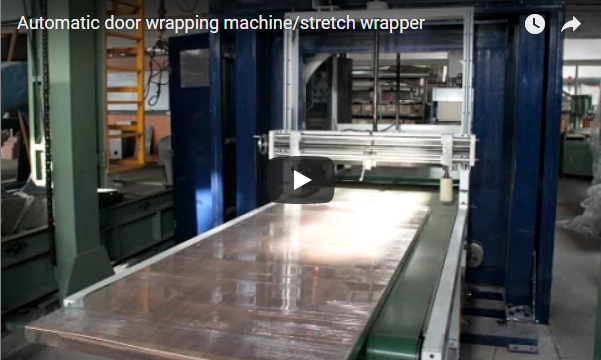
Automatic horizontal wrapping machine and oribtal wrapper

Executive summary This video shows an automatic horizontal wrapping machine with an orbital wrapper handling long, cylindrical products. You can see the full cycle: film loading, feeding of white pipe bundles on a roller conveyor, orbital wrapping with stretch film, film cut-off, and discharge of finished bundles. Structure details, the control panel, and the process steps are described below from direct observation only.

Why this video matters to buyers

If you are evaluating a horizontal stretch wrapper for pipes, profiles, tubing, or roll goods, product videos are often your only pre-purchase evidence. The problem is that most footage is edited down to a few seconds and tells you almost nothing about how the machine actually works.

This video is different in a useful way. Across roughly one minute of footage, it shows the machine from several angles, including close-ups of the film path, the roller conveyor, the control cabinet, and the wrapping head in motion. It also shows an operator interacting with the machine, which gives you a sense of scale and of the manual steps that remain in an otherwise automatic process.

This article walks through what the footage shows, what it deliberately does not show, and what you should verify with the manufacturer before requesting a quotation. Everything in the observation sections comes directly from the video; anything that cannot be confirmed from the footage is clearly flagged.

What the video shows

The footage follows a clear sequence:

Time (approx.) What happens on screen
0:00–0:06 The video opens on the full machine in a workshop: a white metal frame, a yellow orbital wrapping head, and a black roller conveyor extending to the right. The camera then pans along the conveyor, showing its white side frames and the pneumatic lines, filters, and regulators mounted on the machine body.
0:06–0:10 The camera moves to the control area and wrapping zone. The control cabinet is white, with a rectangular touchscreen and several physical buttons, including a red emergency-stop button and a green start button. The yellow orbital head sits in its standby position.
0:10–0:14 A bundle of white tubes, strapped together with red banding, travels on the conveyor into the wrapping zone. The orbital head begins rotating around the load to apply film horizontally.
0:14–0:28 An operator in dark work clothing appears beside the machine, pointing at and touching the white rollers inside the wrapping zone, apparently demonstrating or inspecting them. Close-up shots focus on the operator’s hands and the rollers.
Later segments An operator’s hand pulls stretch film from a roll and threads it into the yellow curved ring of the orbital wrapper. The machine then runs repeated cycles: pipe bundles enter, film is wound around them as they pass through the ring, the film is cut and secured at the end, and wrapped bundles exit on the conveyor while the next bundle enters.
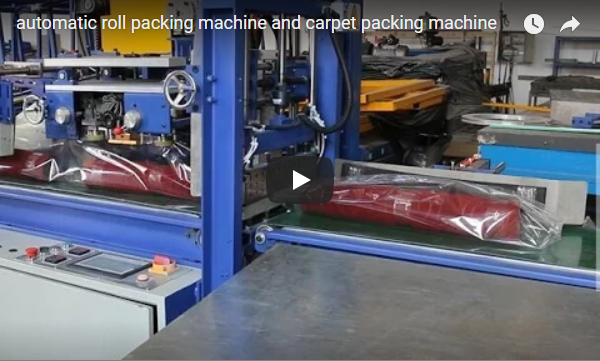
Final segment A long cylindrical product, already tightly wrapped in clear film with a red band visible on the film surface, moves along the roller conveyor. The yellow carriage and clamp assembly retract as the product advances, and an operator stands alongside watching the wrapped load travel out.

Two details are worth pausing on. First, the film threading at the start of a cycle is shown as a manual step — a hand physically pulls the film into the orbital ring before automatic wrapping takes over. Second, the machine is shown processing multiple bundles back to back, which suggests continuous feeding rather than one-part demonstration footage.

The machine in action: the cycle step by step

Putting the timeline together, the observed working cycle is:

  1. Film loading. The operator threads clear stretch film from the roll into the yellow curved orbital ring. This is visible as a hand operation at the beginning of the footage.
  2. Feeding. A bundle of white tubes, held together with red strapping, is placed on the black roller conveyor. The conveyor carries it horizontally into the wrapping zone, with the long axis of the bundle parallel to the conveyor direction.
  3. Wrapping. The load passes through or under the orbital head, which rotates around it so the film winds evenly along the length of the bundle. The film visibly builds up over the product surface as it moves.
  4. Cut and secure. At the end of the wrap, the film is cut and the tail is fixed against the load.
  5. Discharge. The wrapped bundle continues down the roller conveyor and exits the machine, while the next bundle is already entering — the video shows this repeating several times.

The machine stays in steady operation through these repeated cycles, with the conveyor running continuously and the wrapping head cycling consistently between loads.

Direct observation notes

The following notes stay close to what is actually visible in the footage:

  • Machine main body: white-painted metal frame; wrapping head and carriage components in yellow, consistent with safety-warning coloring.
  • Conveyor: straight roller conveyor made of black rollers in white metal side frames, extending from the machine’s infeed to the outfeed side.
  • Wrapping unit: a yellow orbital/ring-type head that rotates around the horizontally moving product to apply stretch film.
  • Control unit: a separate white cabinet with a rectangular touchscreen and physical buttons, including a red circular emergency-stop button and a green start button.
  • Pneumatic system: air lines, filters, and pressure regulators visible on the machine body.
  • Products wrapped: bundles of smooth white tubes (consistent with PVC or similar plastic pipe), medium diameter, strapped with red banding; also one long, slender cylindrical load wrapped in clear film.
  • Product orientation: loads travel horizontally and remain level throughout; the product stays in position on the conveyor while the head rotates around it.
  • Operator presence: one operator in dark clothing touches and points at internal rollers, threads the film, and observes discharge.
  • Readable text: no readable labels, nameplates, watermarks, or signage appear in any frame.
  • Not visible in the footage: guards or light curtains, warning labels, or interlock devices (note: the emergency-stop button on the cabinet is visible).

What the video does not show

The footage leaves several buyer-critical questions open. None of the following can be confirmed from the video:

  • Rated throughput — bundles per hour or cycle time are not stated or measurable.
  • Machine dimensions — overall length, width, and height are not given.
  • Product size range — the minimum and maximum product diameter and length the machine accepts.
  • Film specification — the type, width, and thickness of the stretch film used.
  • Power and utilities — voltage, power rating, and air supply requirements.
  • Automation level — whether automatic loading, strapping, or downstream handling can be integrated; the video shows manual placement of bundles onto the conveyor.
  • Model designation and certifications — no model plate, CE marking, or other certification appears on screen.
  • Maintenance requirements — service intervals and wear parts are not covered.

Treat these as a checklist for your enquiry. Asking for them early saves a round of emails later.

Where this type of machine fits

Based on what the video shows — horizontal wrapping of long cylindrical loads on a roller conveyor — this equipment class is typically used for:

Application area Typical products Why horizontal wrapping suits it
Pipe and tubing plants PVC, PE, and similar plastic pipe bundles Long loads need film applied along their length, not just around the middle
Building materials Profiles, moldings, trim, extrusions Protects surfaces from scuffs and moisture during handling and transit
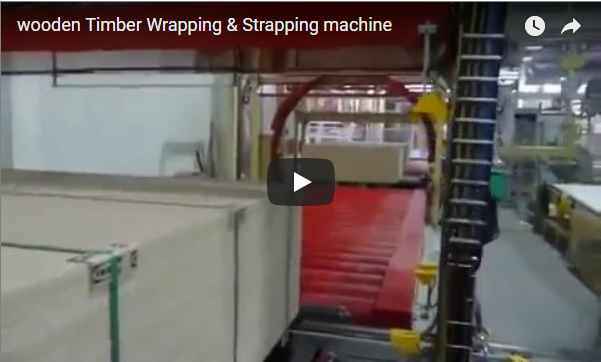
Metal processing Tube and bar bundles, extruded aluminum Keeps bundles together and shields finished surfaces
Roll goods Rolls of film, paper, or textile Wraps the full circumference of long cylindrical rolls for cleanliness and stability

The key limitation visible in the footage is product shape: the orbital ring and conveyor are designed for long, regular, cylindrical or prismatic loads. Irregular or very heavy odd-shaped items would need a different wrapping approach. Also note that this is a fixed in-line machine — it suits a defined production flow rather than flexible, multi-location use.

Questions to ask before you buy

Use this list when you contact a supplier:

  • What product diameter and length range does the machine accept?
  • What is the actual cycle time for a load of our size and weight?
  • Which film type, width, and gauge does it run, and can it overlap or spiral-wrap for heavier loads?
  • Can infeed and outfeed be automated, or connected to an existing conveyor line?
  • What are the power and compressed-air requirements?
  • Which safety guarding options are available for our local regulations?
  • What are the wear parts, and what is their replacement interval?
  • What installation, training, and after-sales support is included?

Frequently asked questions

Is the wrapping fully automatic? The wrapping, film cut-off, and discharge shown in the video run automatically once a cycle starts. The footage does show a manual film-threading step before wrapping begins, and the bundles appear to be placed on the conveyor manually. Confirm the exact automation level for your configuration with the manufacturer.

What kinds of products can it wrap? The video shows white pipe bundles and a long cylindrical roll. This type of orbital wrapper is intended for long, regular loads — pipes, profiles, tubes, and roll goods. Check the accepted size range with the manufacturer.

Does the machine run continuously? The footage shows several bundles processed back to back with the conveyor running steadily, which indicates repeated-cycle operation. Actual throughput figures are not shown in the video — verify with the manufacturer.

How is the film applied and finished? Clear stretch film is wound around the moving load by the rotating orbital head, then cut and fixed at the end of the wrap. This sequence is visible in the video.

What safety features are included? A red emergency-stop button and a green start button are visible on the control cabinet. Physical guarding, light curtains, or interlocks are not visible in the footage — confirm the safety package for your market with the manufacturer.

Source and method

This article is based solely on the embedded video. The footage was analyzed frame by frame using a local vision-language model on sampled frames. The video contains background music only, with no narration or speech, so no audio transcription was used. All observations above come from what is visible on screen; specifications, throughput, and certification details are not shown and should be confirmed directly with FHOPE.

Related reading

Next step

If the products you need to wrap look like the pipe bundles in this video, the fastest way forward is to send us your product dimensions, weight, and required packaging rate. Our engineers will confirm the right horizontal wrapping configuration, film specification, and line integration plan, and provide a quotation. Visit our contact page to start the conversation.