Executive summary
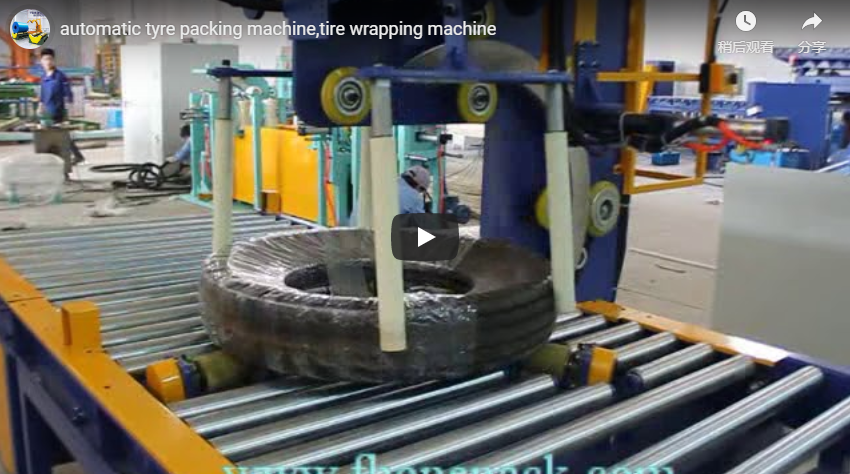
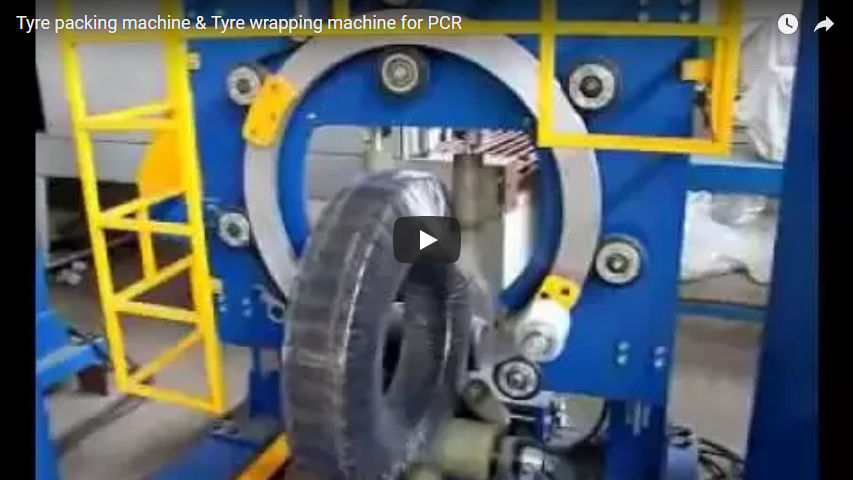
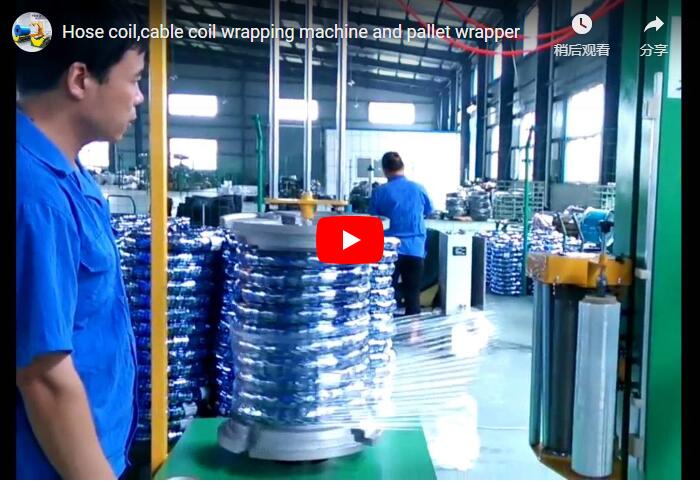
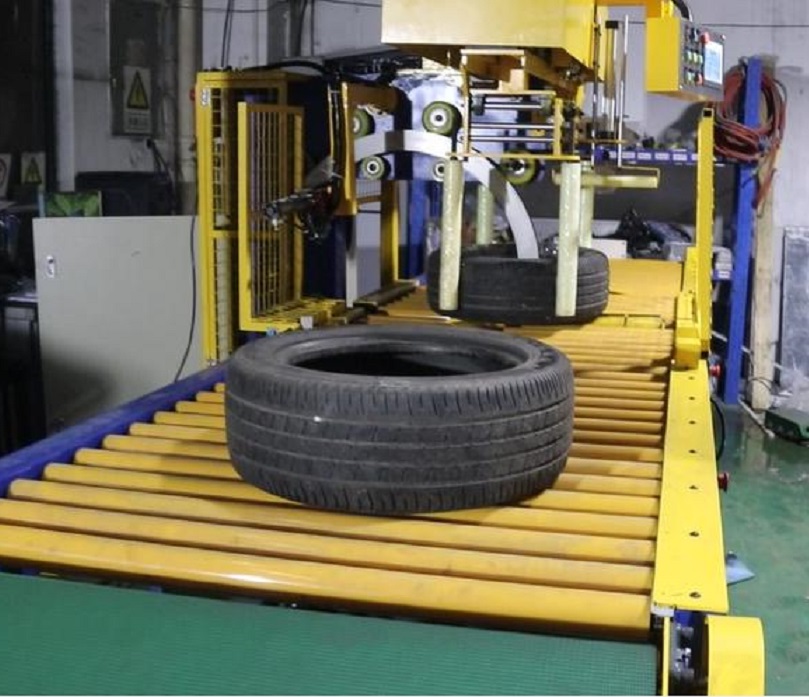
The video shows an automated horizontal tire wrapping line. A tire moves on a conveyor while a machine applies protective film and a strap. It produces a seamless, protected tire package.
What the video shows
The video is a factory demonstration with background music and no narration. All descriptions below are based on visual observation of the footage, sampled frame by frame.
1. Feed
- A worker places a black tire on a roller conveyor.
- The machine’s orange and silver arms are positioned above the tire.
2. Wrap
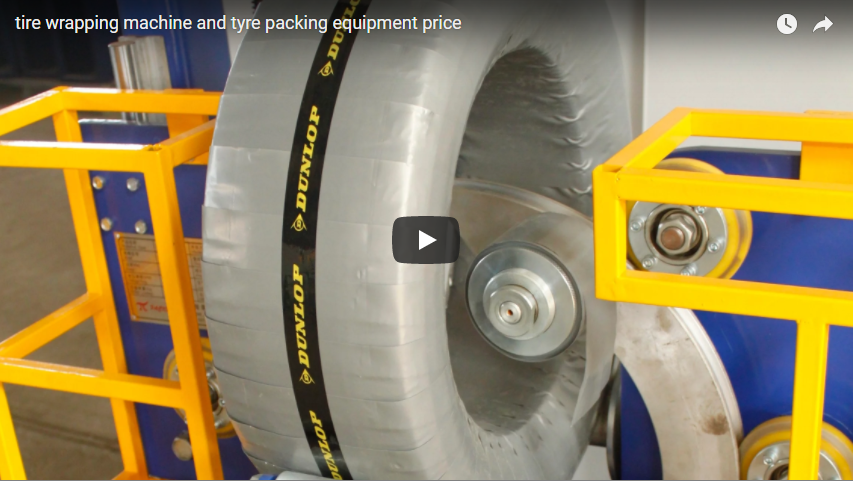
- Blue protective film is applied to the tire sidewall.
- A yellow strap is wrapped around the tire.
3. Complete
- The film and strap are fully secured.
- The arms retract and the tire moves on.
Direct observation notes (from the frame analysis)
- Machine: orange frame with silver conveyor rollers and support beams, white control panel.
- Product: black tire wrapped with blue film and a yellow strap.
- Process: feed → wrap film → strap → complete.
- Environment: factory with a roller conveyor line.
- Branding: HOPE GROUP watermark (FHOPE).
What the video does not show
- Rated tire size and weight.
- Film and strap specifications.
- Cycle time per tire.
- Model number, power requirements, or certifications.
- Maintenance requirements.
Why tire wrapping lines matter
Tires need protection before storage and shipment.
| Step | What the line does |
|---|---|
| Film | Protects the sidewall surface |
| Strap | Holds the film in place |
| Automation | Consistent result per tire |
The video shows the complete wrap.
Frequently asked questions
What tire sizes can the line handle? Confirm the maximum tire diameter and width.
Is the line fully automatic? The video shows automatic wrapping. Confirm which steps remain manual, such as feeding.
What film types are used? The video shows blue film. Confirm the supported film types and widths.
What maintenance does the line need? Typical checks cover the wrapping arms and conveyor. Request the maintenance schedule and spare-parts list.
Common mistakes to avoid
- Oversized tires. A tire too large for the arms cannot be wrapped.
- Wrong film tension. Loose film leaves poor protection.
- Misaligned feed. Misaligned tires wrap unevenly.
- Ignoring strap checks. Loose straps let the film shift.
Where this line is used
Tire wrapping lines are used for:
- Tire manufacturers packaging finished tires.
- Distributors protecting tires for shipment.
- Retail warehouses preparing tire stock.
- Export operations requiring consistent packaging.
What to verify with the manufacturer
- Tire envelope — maximum size and weight.
- Film and strap specs — supported types.
- Cycle time — tires per hour.
- Controls — wrap settings.
- Safety — guards, emergency stop, and certifications.
- Support — spare parts and service.
Operating notes
- Center the tire. A centered tire wraps evenly.
- Check the film roll. Reload before it runs out.
- Monitor strap tension. Loose straps let the film shift.
- Test the emergency stop. Confirm it works before each shift.
Maintenance checklist
- Inspect the wrapping arms weekly.
- Check the film feed and conveyor.
- Clean the working area.
- Test the emergency stop before each shift.
- Replace worn rollers as needed.
Key specification questions
- Tire size — maximum diameter and width.
- Film width — supported sizes.
- Strap width — supported sizes.
- Cycle time — tires per hour.
- Controls — wrap settings.
- Safety — guards and certifications.
Why choose this line
Manual tire wrapping is slow and inconsistent. This line wraps and straps each tire automatically. The result is a seamless package every time. For tire plants, that means fewer damaged tires.
Step-by-step process
- Place the tire on the conveyor.
- The arms move into position.
- Film is applied to the sidewall.
- The strap is wrapped around the tire.
- The film and strap are secured.
- The tire moves to the next stage.
Detailed walkthrough
- Confirm the machine is ready.
- Place the tire on the roller conveyor.
- Start the wrap cycle.
- The arms apply the protective film.
- The strap is fed around the tire.
- The strap is tensioned and sealed.
- The arms retract.
- The tire moves to the next stage.
Comparison with alternatives
| Method | Film application | Strap |
|---|---|---|
| Manual | By hand | Manual band |
| Semi-auto | Machine, operator help | Manual |
| Automatic line | Automatic film and strap | Automatic |
The automatic line completes both steps.
More buyer questions
Can the line handle different tire types? Confirm the tire range with the manufacturer.
Is operator training provided? Confirm whether training covers the wrap settings.
What is the line’s floor space? Ask for the installation footprint and layout.
Can the line be extended later? Ask whether labeling or packing stations can be added. Confirm the upgrade path for future capacity.
What is the line’s lead time? Ask for the delivery time for your configuration. Include installation time in your project plan.
Delivery and installation checklist
- Confirm delivery time and installation support.
- Verify the floor space and layout.
- Check the film and strap stock.
- Confirm operator training is included.
- Ask for the spare-parts list.
Summary of benefits
- Automatic film and strap wrap.
- Consistent tire packages.
- Less manual handling.
- Fewer damaged tires in transit.
Quick checklist
- Confirm the tire envelope fits your products.
- Ask for cycle time per tire at your production rate.
- Verify film and strap specifications.
- Request drawings, manuals, and compliance certificates.
- Confirm line integration and floor space.
Related reading
- automated horizontal tire wrapping packaging line
- Automatic Tyre Labeling Machine High Speed
- High Speed Tyre Packing Line
- Tyre and Tire Wrapping: Complete Guide
Next step
Contact the FHOPE sales team for a site assessment and a tire wrapping line sized to your products. Use the contact page to start the conversation.
Last updated: 2026-08-22.