Executive Summary
A coil wrapping machine for steel and a pipe coil packing machine look alike, but they are built for very different loads. A steel strip coil can weigh hundreds of kilograms, while our pipe coil wrapper is rated up to 100 kg. Coil ID and coil weight decide which machine you need, and the worked example below shows how to estimate the weight from your coil size before you ask for a quote.
Table of Contents
- How the coil wrapper works
- Steel coil or pipe coil machine
- Working out coil weight
- Rollers and surface
- Materials
- Utilities and safety
- Selection checklist for a coil wrapper
- Engineering FAQ
- Next step
- Related reading
- Sources
How the coil wrapper works
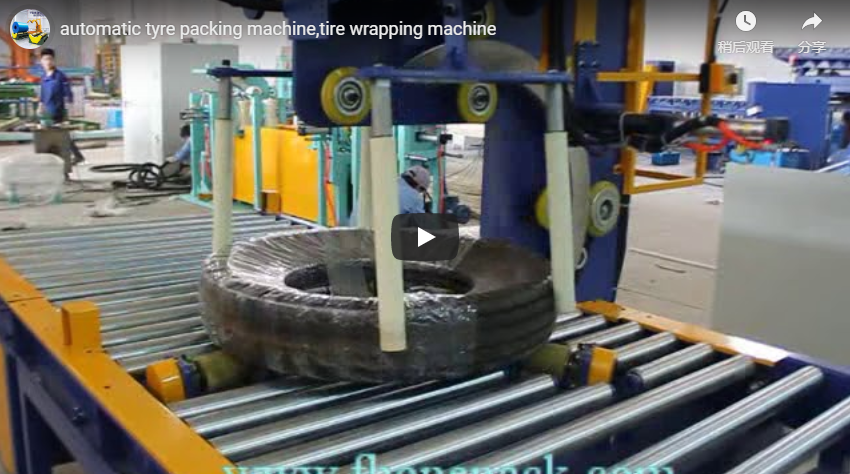
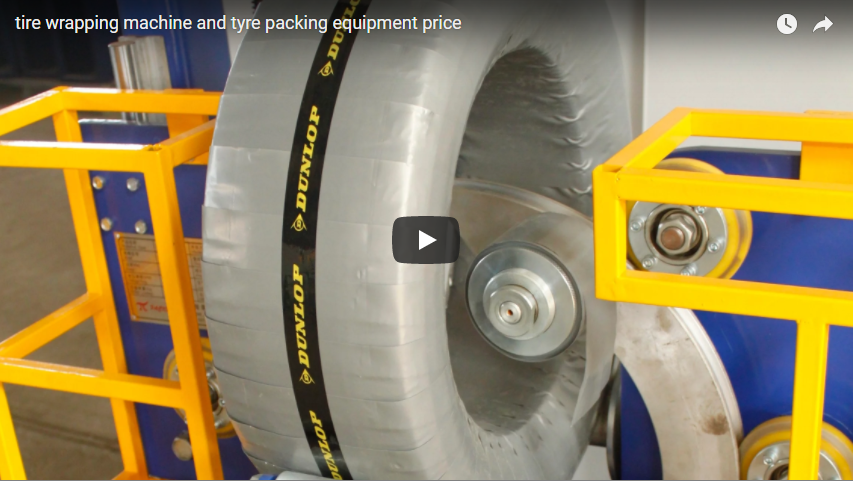
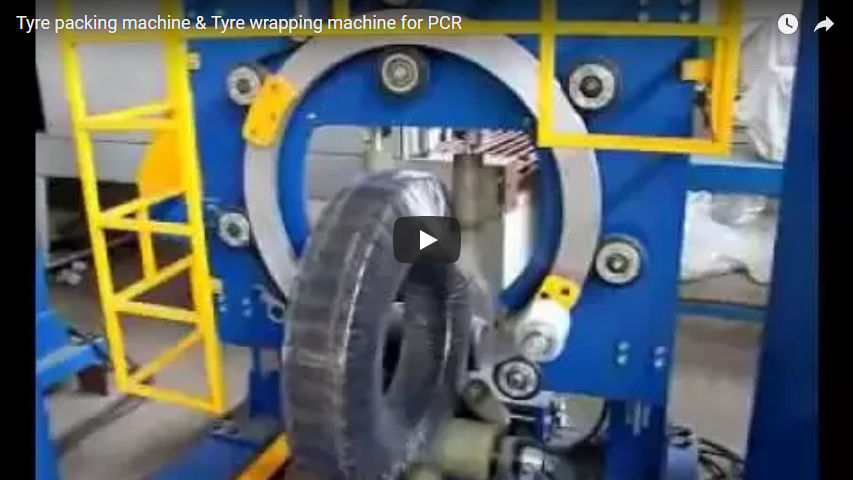
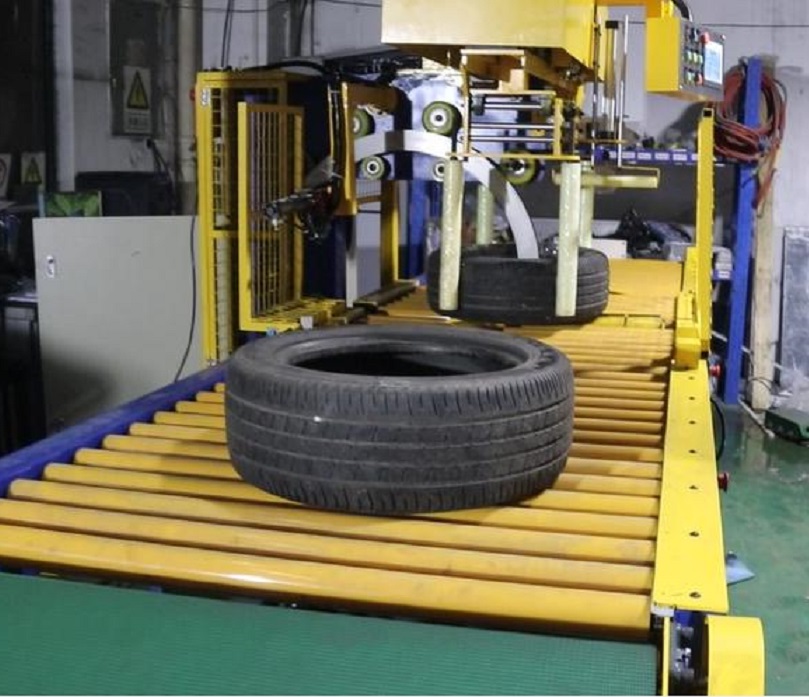
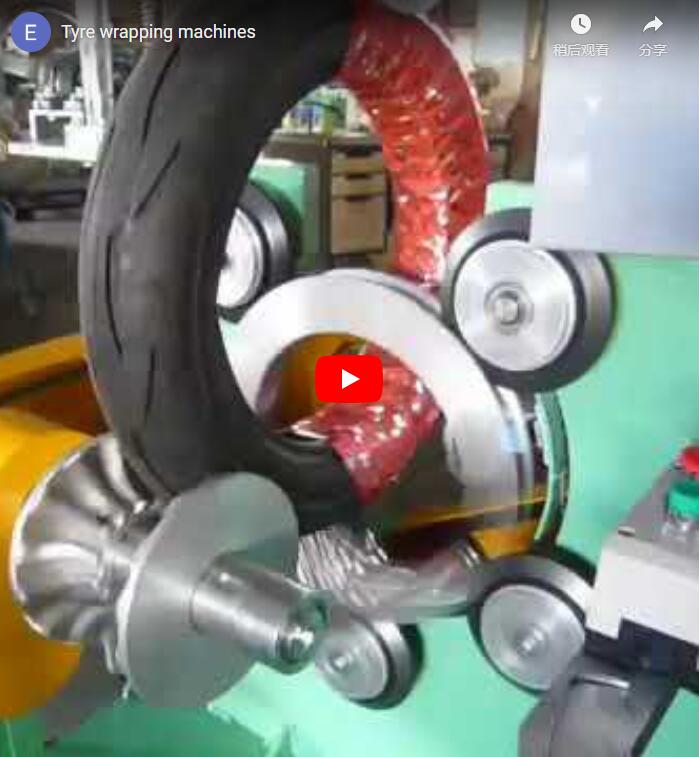
Both machines share the same ring principle. The wrapper turns the coil on carrier rollers while the ring carries the wrapping material through the coil eye, so the material covers the whole coil section. The mainframe height adjusts so the ring rotates centred on the coil; centring matters because an off-centre coil makes the wrap uneven. Carrier roller speed and ring speed are adjustable separately, and together they set the overlap.
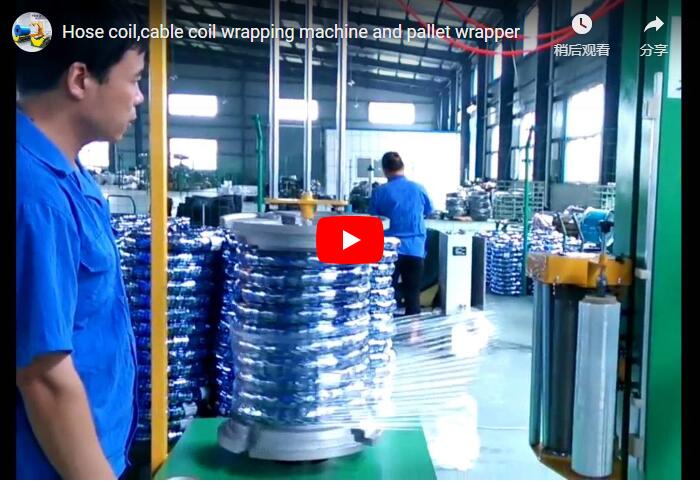
In our video, a narrow steel strip coil turns on the rollers while the ring lays white material around it. Both manual button operation and one-key automatic running are available, so one operator can load, start and unload.
Steel coil or pipe coil machine
The two machines look interchangeable because their outer diameter and width windows overlap. The difference is weight. Steel strip coils are wound on standard 508 or 610 mm cores and are heavy for their size, so they need the steel coil wrapper. Plastic pipe and hose coils are light, so the pipe coil wrapper is enough and wraps them faster.
| Parameter | Economic steel coil wrapper | FPH-300N pipe coil wrapper |
|---|---|---|
| Coil ID | 508–610 mm | 300–700 mm |
| Coil OD | 600–1,200 mm | 500–1,000 mm |
| Coil width | 100–300 mm | 100–300 mm |
| Coil weight | 20–1,000 kg | 10–100 kg |
| Loading | rolling in and out | by hand |
| Power | 1.5 kW | 1.9 kW |
Working out coil weight
For a steel coil, weight = π ÷ 4 × (OD² − ID²) × width × 7,850 kg/m³, where OD is the outer diameter, ID the inner diameter, and 7,850 kg/m³ is the density of steel. For an illustrative strip coil of 508 mm ID, 900 mm OD and 150 mm width:
- Ring area: π ÷ 4 × (0.9² − 0.508²) = 0.7854 × 0.552 = about 0.434 m².
- Volume: 0.434 × 0.15 = about 0.065 m³.
- Weight: 0.065 × 7,850 = about 510 kg.
That is within the steel coil wrapper’s 20–1,000 kg range and about five times the pipe coil wrapper’s 100 kg limit. A plastic pipe coil of the same size weighs only a fraction of this, so check your heaviest coil before you choose.
Rollers and surface
The steel coil wrapper uses specially coated protective and carrier rollers, so the coil turns without marking its edges. Carrier roller speed, ring speed, material tension and overlap are all adjustable. Coils roll in and out, which suits lighter steel coils. For heavier coils loaded by crane, we recommend a top-loading model.
Materials
| Machine | Materials | Roll size |
|---|---|---|
| Economic steel coil wrapper | PVC, LLDPE, PE, paper, HDPE | ID 50 mm; OD 100–450 mm; width 100–150 mm |
| FPH-300N | stretch film; paper or HDPE optional | ID 50 mm; OD 100–180 mm; width 90–100 mm |
Overlap is adjustable from 10% to 90% on both machines.
Utilities and safety
| Utility | Economic steel coil wrapper | FPH-300N |
|---|---|---|
| Power | 1.5 kW | 1.9 kW |
| Power supply (standard build) | 380 V, 50 Hz, 3 phase, or customized | 380 V, 60 Hz, 3 phase; customization available |
| Compressed air | 4–6 bar | confirmed in your proposal |
The steel coil wrapper has an emergency stop and an error light. The standards that apply depend on the destination market. For CE markets, ISO 12100 sets the risk-assessment method and EN 415-10 sets general requirements for packaging machines.
Selection checklist for a coil wrapper
- Coil material: steel strip, wire, or plastic pipe.
- Coil ID, OD and width, smallest and largest.
- Heaviest coil weight, measured or calculated.
- Loading: rolling in, by hand, or by crane.
- Wrapping material and roll size.
- Coils per shift.
Engineering FAQ
Q: Can one machine wrap both steel coils and pipe coils? A: Only if every coil fits one window. A 510 kg steel coil is far above the FPH-300N’s 100 kg limit, so steel coils need the steel coil wrapper.
Q: How heavy is a 508/900 mm steel coil, 150 mm wide? A: About 510 kg, using π ÷ 4 × (OD² − ID²) × width × 7,850 kg/m³.
Q: What coil IDs does the steel coil wrapper take? A: 508–610 mm, which covers the standard 508 and 610 mm cores.
Q: Does it scratch coil edges? A: The protective and carrier rollers have a special coating to protect the coil.
Q: What happens with coils above 1,000 kg? A: They exceed the economic model, and we offer a top-loading model for crane loading.
Next step
We size your coil wrapper in three steps:
- Submit your layout drawing with coil sizes, weights and coils per shift to info@fhopepack.com.
- Receive a proposal within 48 hours, with the model, rollers and material.
- Book a site survey to fit the wrapper to your line.
Related reading
- Economic steel coil wrapping machine
- Hose wrapping machine FPH-300N
- Steel coil wrapping machine range
- Video: coil packing machine for copper and alloy steel strip
- Video: economic wire wrapping machine for steel
Sources
- Economic steel coil wrapper: economic steel coil wrapping machine page
- FPH-300N: hose wrapping machine FPH-300N page
- Machine in action: our coil wrapping machine video on YouTube
- Standards scope: ISO 12100:2010 and EN 415-10:2014
Last reviewed: 2026-10-25