Executive summary
Pallet wrapping is where the load is made stable for the forklift, the rack and the road, and doing it by hand leaves it to the strength of the operator. This guide covers the operation and applications of pallet wrapping machines: load handling, film application, tension and the flows they serve. We build pallet wrapping machines. Pallet range and load plan are confirmed per project.
Table of Contents
- Why wrapping decides the load’s fate
- What the machine does
- The wrapping cycle
- Film tension and containment
- Applications across the flow
- Moving from hand wrapping
- Typical configuration
- What the video shows
- Selection checklist
- Operation and safety
- Engineering FAQ
- Next step
- Related reading
- Sources and standards
Why wrapping decides the load’s fate
A pallet load carries its packaging through the forklift, the rack and the road, and the wrap is what keeps the load contained through all of them. Hand wrapping leaves containment at the strength and patience of the operator, and results vary load to load. A machine wraps the same way every time. The load range and its journey are confirmed per project.
What the machine does
The pallet wrapping machine applies stretch film around the load automatically, spinning or circling the pallet while film passes build the wrap. The load is positioned, wrapped and finished at a set tension, ready for the next move. Because the machine sets the passes and tension, the load’s containment is consistent. The covered cycle is confirmed per project.
The wrapping cycle
The cycle starts with the load on the wrap position, continues as film passes build from the base up, and finishes with the film end secured. Each pass adds to the wrap’s hold, building the containment the load needs. A finished cycle is the load released at the standard the machine set. The cycle plan follows the load’s height and shape, confirmed per project.
Film tension and containment
Tension on the film is what tightens the wrap around the load, and consistent tension is what keeps containment even. Too-loose film lets the load sway; machine-held tension holds it. Containment is the whole reason the film goes on. The tension and film plan follow the load, confirmed per project.
Applications across the flow
Pallet wrapping machines serve the flows that move loads on pallets: production end-of-line, warehouse, distribution and dock. Each application brings the same need to hold the load, with different loads and rhythms. The machine is selected and set for the application, confirmed per project. Wrapping at the flow is what keeps loads moving.
Moving from hand wrapping
Moving from hand wrapping to the machine changes the end of the flow: loads wrap consistently, the crew steps out of the film path, and containment stops depending on the operator. The change also steadies film use, because the machine films at a set stretch. The move from hand to machine is confirmed per project against the load mix.
Typical configuration
Figures below list functional design boundaries rather than numeric values, and are confirmed per project.
| Parameter | Typical range, confirmed per project |
|---|---|
| Load | pallet range |
| Wrap | passes plan |
| Tension | set |
| Cycle | automatic |
| Applications | flow fit |
| Electrical supply | 380 V three phase 50 Hz, or 220 V single phase for light machines, selected per project |
What the video shows
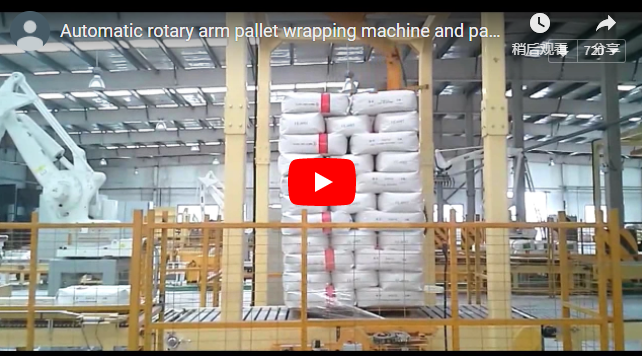
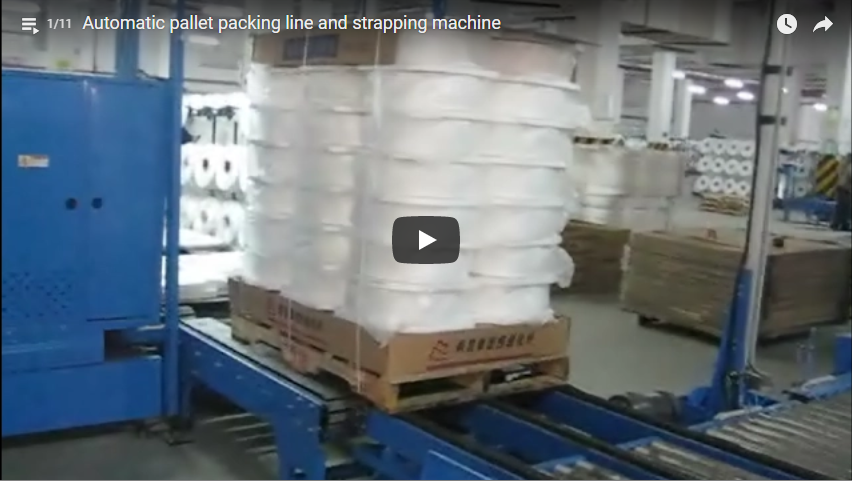
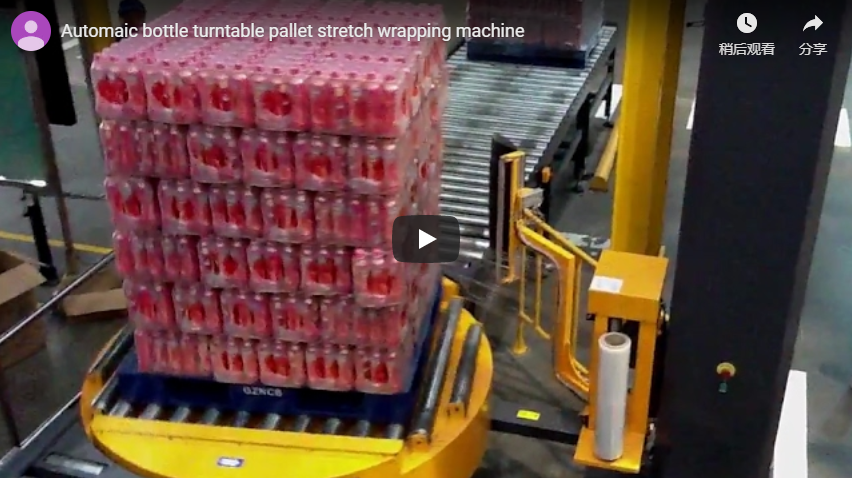
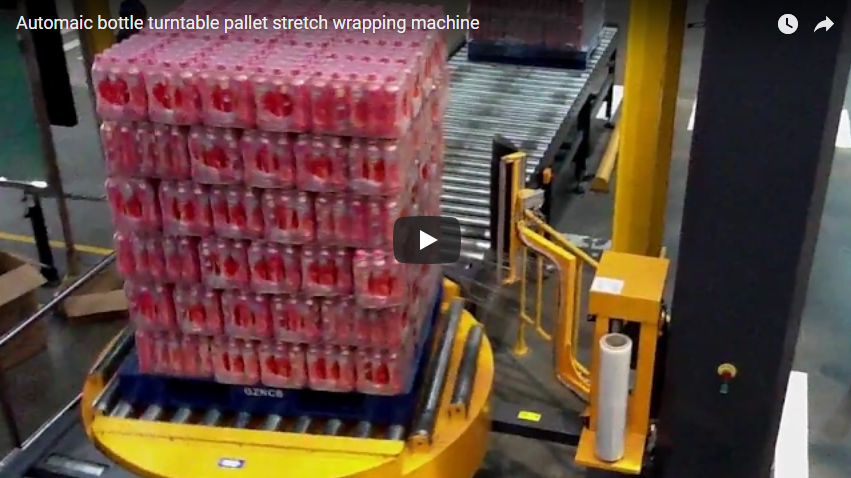
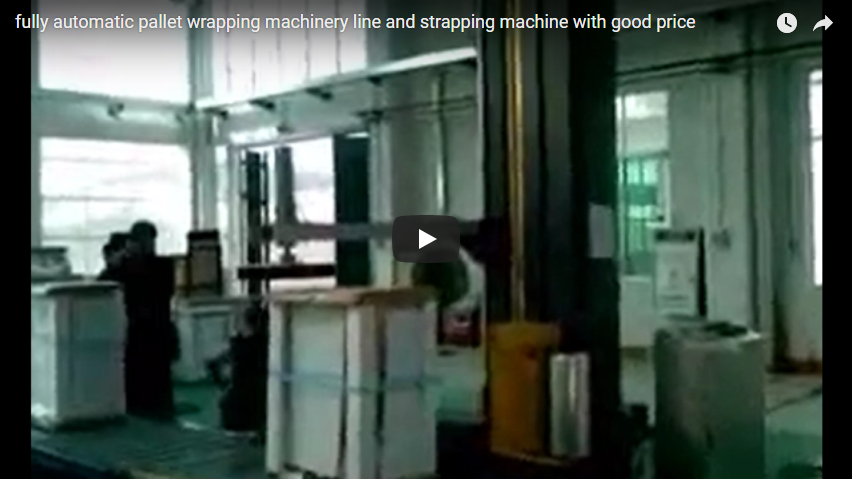
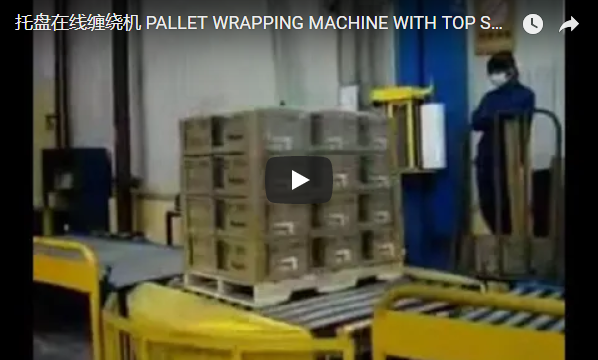
Our footage shows a pallet wrapping machine running a wrapping cycle on a load. It is a general demonstration, so your pallet range and load plan are confirmed with us per project.
Selection checklist
| Question | Confirm per project |
|---|---|
| Load | sizes, weights |
| Wrap | passes plan |
| Tension | containment |
| Cycle | automatic |
| Applications | flow fit |
| Electrical supply | voltage, phase and frequency on site |
Operation and safety
Run the recipe from the panel and the machine wraps each pallet load automatically. Keep clear of the wrap area, film path and turntable while the machine runs, with guarding and emergency stops at the operator position. Routine checks cover the turntable, film carriage, tension system, sensors and control, per the machine manual. Confirm the recipe against the load before each run so loads stay contained.
Engineering FAQ
Q: Why does wrapping matter so much? A: The wrap carries the load through forklift, rack and road.
Q: What does the machine do? A: It applies film around the load at a set passes and tension.
Q: How is containment achieved? A: Consistent film tension tightens the wrap around the load.
Q: Where is it used? A: End-of-line, warehouse, distribution and dock flows.
Q: Why leave hand wrapping? A: The machine wraps consistently and steps the crew out of the film path.
Next step
- Email us at info@fhopepack.com with your load range and flows.
- We send a wrapping proposal and a layout drawing within 48 hours.
- We arrange a site survey to confirm load range and flow position.
Related reading
- Robot pallet wrapper
- Rotary arm pallet wrapping machine
- Truck access pallet stretch wrapping machine
- FHOPE packing machinery product lines
Sources and standards
- ISO 12100:2010 Safety of machinery, general principles for design and risk assessment
- EN 415-10:2014 Safety of packaging machines, general requirements
- EN ISO 13849-1:2023 Safety of machinery, safety-related parts of control systems
FHOPE pallet wrapping machine demonstration video. Reviewed as a general demonstration; pallet range confirmed per project.
Last reviewed: 2026-10-10