[VIDEO PLACEHOLDER]
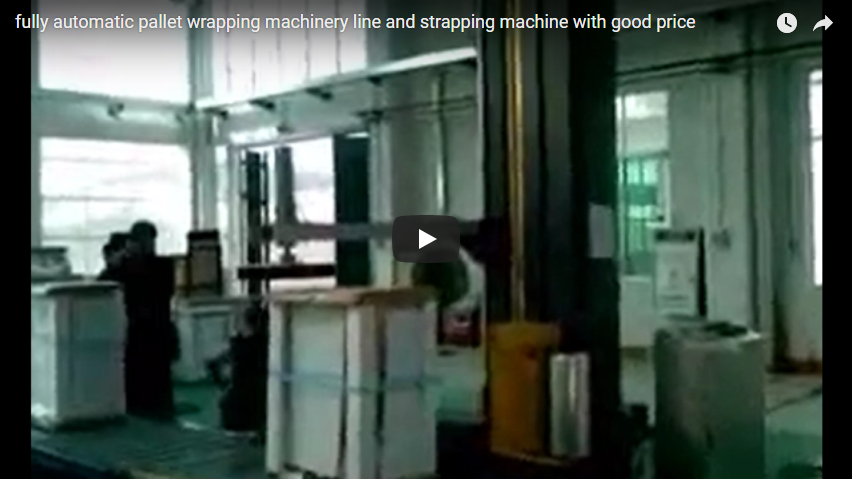
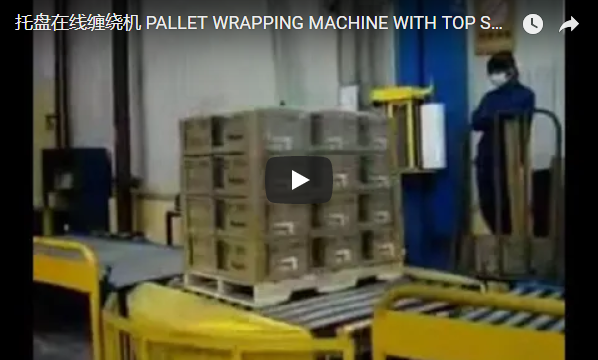
Semi-automatic pallet stretch wrappers secure unit loads using turntable or rotary arm architectures, reducing manual film waste while ensuring transit stability. Selection hinges on load geometry, production volume, and facility automation maturity. Pre-stretch carriages typically achieve 150–300% elongation ratios, balancing material efficiency with consistent containment force. Procurement teams must align machine specifications with documented safety protocols and verified load-handling requirements to optimize operational throughput.
🛠️ Standard Overview
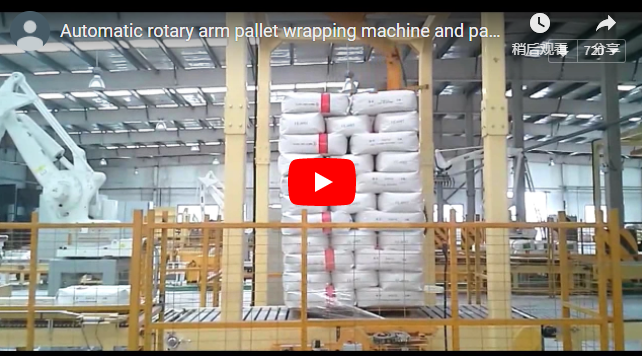
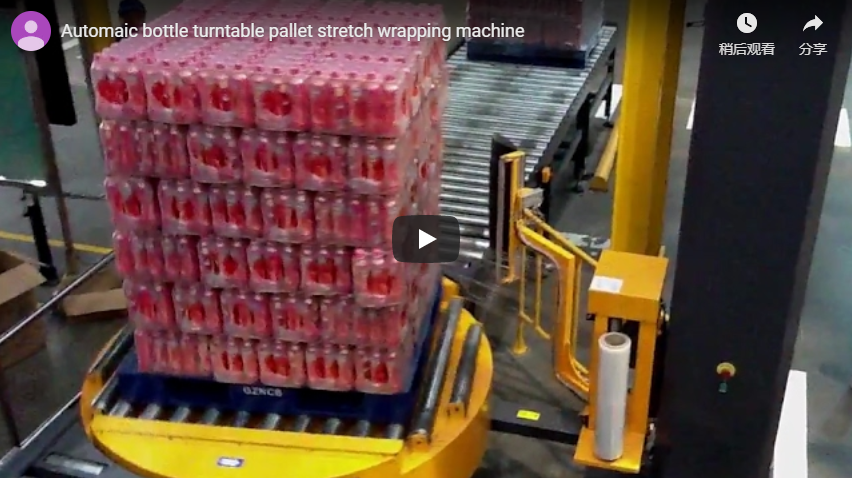
Semi-automatic stretch wrappers operate under ISO 8611 load stability benchmarks and ASTM D4649 film standards, requiring operators to verify pre-stretch ratios, film gauge compatibility, and turntable RPM limits before deployment to ensure regulatory compliance and load integrity across all distribution phases. The turntable configuration rotates the pallet on a driven platform, while the rotary arm design keeps the load stationary and moves the film carriage circumferentially. Both systems utilize a vertical mast to modulate carriage height, applying overlapping film layers. Industry-typical turntable speeds range from 8 to 12 RPM, though rotary arm models are preferred for high-center-of-gravity loads to eliminate centrifugal stress. Film gauge, pre-stretch ratio, and wrap pattern must be calibrated to the specific weight distribution and shape of the unit load. No single regulatory framework governs all semi-automatic wrappers, but compliance requires matching machine parameters to verified ASTM/ISO performance thresholds, with effective dates tied to manufacturer certification cycles and regional safety regulations. Always validate manufacturer claims against your actual film type and load conditions. [Ref: ASTM D4649, ISO 8611, Integrated Knowledge]
🏗️ Key Changes
The transition from manual wrapping to semi-automatic systems increases operator throughput by two to three times while reducing film consumption by thirty to fifty percent through controlled pre-stretch technology and automated film-cutting mechanisms, directly improving packaging line efficiency and reducing material waste. Manual wrapping relies on inconsistent worker technique, leading to variable tension and material waste. Semi-automatic machines introduce programmable wrap patterns, automatic film cutting at the end of each cycle, and film-catching mechanisms that improve repeatability [Ref: Lantech]. Another critical evolution is the adoption of rotary arm designs for loads with high centers of gravity, replacing turntable models that risk load shift. Pre-stretch technology has advanced significantly: older carriages offered low ratios, while modern systems achieve 250–300% elongation without film breakage, provided the film gauge is compatible [Ref: Integrated Knowledge]. These advancements reduce per-pallet costs and injury risk, but require operators to be trained on machine settings and film selection.
🔗 Related: Explore more solutions
📈 Business Impact
For distribution centers processing fifty to two hundred pallets daily, semi-automatic wrappers deliver measurable efficiency gains by standardizing wrap consistency, enhancing transportation safety, and adapting to varying load sizes without requiring full automation, directly improving daily operational throughput and reducing transit damage. Semi-automatic machines strike a strategic balance between manual labor and fully automated lines, making them ideal for operations with lower production volumes or non-standard load geometries [Ref: Innova Group]. Consistent wrap tension directly lowers product damage claims during transit, while labor-saving features like automatic film cutting reduce operator fatigue [Ref: Lantech]. Capital expenditure varies by configuration and feature set, with turntable units typically ranging from $8,000 to $15,000 and rotary arm models from $12,000 to $25,000, though exact pricing and payback periods remain vendor-dependent estimates [Ref: Integrated Knowledge]. Floor space requirements also differ: turntable models occupy approximately a 6×6 ft footprint, while rotary arm wrappers require up to a 10 ft clearance radius. Operations with variable load sizes benefit from the flexibility of semi-automatic systems, which optimize throughput without the high capital outlay of fully automated packaging lines.
🛡️ Compliance Actions
Procurement teams must align machine specifications with documented safety protocols and industry standards, prioritizing load testing, operator training, and preventive maintenance schedules to ensure regulatory adherence, minimize workplace hazards, and maintain consistent unit load integrity throughout the entire supply chain across all operational shifts. Key compliance actions include verifying that the pre-stretch carriage is compatible with the chosen film gauge, typically ranging from 15 to 25 microns, and confirming that the wrap pattern meets the load containment force required for your specific logistics chain [Ref: Integrated Knowledge]. Load testing should be conducted with actual pallet configurations to confirm no shifting occurs during forklift handling or transport, using a tension meter to measure film force at top, middle, and bottom layers [Ref: Appendix C]. Operator training must cover proper load placement on the turntable, cycle selection, and daily inspection of film carriage rollers and tension settings [Ref: Appendix C]. Maintenance protocols should focus on cleaning film residue from rollers weekly, replacing friction pads after 10,000 cycles or six months, and verifying that photoelectric eyes and emergency stops meet CE or ANSI safety standards [Ref: Integrated Knowledge, Appendix C]. For operations handling uneven or unstable loads, request a pre-stretch ratio versus film elongation chart from the supplier to prevent film breakage at high ratios, with 200% pre-stretch serving as a safe baseline for most 18–20 micron films [Ref: Appendix D].
🔗 See Also: Related equipment
⚙️ Timeline & Deadlines
Procurement lead times for semi-automatic stretch wrappers typically span four to eight weeks from order to delivery, with on-site installation and operator training requiring one to two days to ensure operational readiness and seamless integration into existing packaging workflows without disrupting daily output. Installation prerequisites include a level, three-phase power connection (220V or 380V, depending on model) and a clean, dry work area free of debris to prevent film contamination [Ref: Appendix C]. Maintenance intervals vary by manufacturer and usage intensity, but standard protocols recommend lubricating chain drives every 500 operating hours, replacing film carriage rollers after 20,000 cycles, and inspecting tension belts quarterly [Ref: Integrated Knowledge]. For operations expecting to scale volume, budget for a secondary machine or upgrade path, as most manufacturers offer modular enhancements like automatic film cutters or remote diagnostics. If integrating the wrapper into an existing packaging line, allow an additional week for conveyor alignment. While no regulatory deadlines apply to semi-automatic wrappers themselves, industries such as food and pharmaceuticals often require documented wrapping procedures for internal compliance audits, necessitating schedule updates alongside machine commissioning [Ref: Integrated Knowledge].
🛠️ Purchase-Decision Checklist
Evaluate load stability, film savings, throughput capacity, floor space, power requirements, operator skill level, and budget constraints to align machine selection with daily operational demands, optimize labor allocation, and secure long-term financial planning for sustainable packaging growth and regulatory compliance across all facilities.
| Factor | What to Evaluate | Typical Range / Threshold |
|---|---|---|
| Load stability | Centrifugal force risk | Use rotary arm if load height exceeds 60 inches or weight falls below 200 lbs [Ref: Appendix D] |
| Film savings | Pre-stretch ratio | ≥200% recommended for 20-micron film to balance material cost and containment force [Ref: Appendix C] |
| Throughput | Cycles per hour | 15–25 pallets/hour for turntable; 10–18 for rotary arm, depending on operator pacing [Ref: Integrated Knowledge] |
| Floor space | Turntable vs. rotary arm clearance | Turntable: 6×6 ft; rotary arm: 10–12 ft radius to prevent collision with racking or walls [Ref: Integrated Knowledge] |
| Power supply | Voltage & phase | 220V/3-phase or 380V/3-phase typical; verify facility electrical capacity before procurement [Ref: Integrated Knowledge] |
| Operator skill | Training time | 2–4 hours for basic operation; advanced programming requires half-day certification [Ref: Lantech] |
| Budget | Machine + installation | $8,000–$25,000 depending on configuration; note that exact pricing and payback periods are vendor-dependent estimates [Ref: Integrated Knowledge] |
🏗️ FAQ
Q: How long does it take to wrap a pallet with a semi-automatic machine?
A typical cycle time ranges from 30 to 60 seconds per pallet, depending on the selected wrap pattern and turntable speed. Rotary arm wrappers may require 45 to 75 seconds, as the carriage must traverse the load perimeter rather than rotating the pallet itself [Ref: Integrated Knowledge].
Q: Can I use any stretch film with a pre-stretch carriage?
No. Film must possess sufficient elongation properties (≥200%) to withstand high pre-stretch without tearing. Common industrial films include cast or blown LLDPE with thicknesses between 15 and 25 microns. Always cross-reference the manufacturer’s gauge compatibility chart to prevent film breakage [Ref: Appendix C].
Q: Do semi-automatic wrappers require a dedicated operator?
Yes, an operator must position the load, initiate the cycle, and manage film termination unless automatic cutting is installed. However, one operator can effectively manage multiple machines by staggering cycle start times, optimizing labor allocation [Ref: Lantech].
Q: What maintenance is needed monthly?
Monthly protocols should include inspecting film carriage rollers for wear, cleaning tension rollers of adhesive residue, and verifying turntable alignment. Replace worn friction pads and lubricate bearings every 500 operating hours, adjusting frequency based on production volume [Ref: Appendix C].
Q: Can I upgrade a turntable wrapper to a rotary arm later?
No. The two designs utilize fundamentally different mechanical architectures and drive systems. Procurement teams should select the configuration that matches both current and projected load profiles to avoid costly retrofits [Ref: Integrated Knowledge].