Executive summary
Packaging is judged at the last carton, and the tap on the box is where a packed order either holds or fails. This guide covers how an automatic box tapping machine enhances a packaging process: consistent seals, taken-off hand work and a flow that keeps moving. We build automatic box tapping machines. Box range and process plan are confirmed per project.
Table of Contents
- Where the box decides the order
- What the machine enhances
- Consistency in the seal
- Taking the tap off hand
- Keeping the flow moving
- What improves in the process
- Typical configuration
- What the video shows
- Selection checklist
- Operation and safety
- Engineering FAQ
- Next step
- Related reading
- Sources and standards
Where the box decides the order
Packed cartons travel together, and one box with a weak tap can pull the order apart in transit. The box is where the order is ultimately decided, because a seal failure is a customer result. Consistent tapping is what keeps that decision in the packer’s favor. The box range and its journey are confirmed per project.
What the machine enhances
The automatic box tapping machine enhances three parts of the process: how the seal goes on, who does the hand work, and whether the flow pauses. Each of the three moves toward consistency when the tap is machine-run. The machine applies the tap at a set tension and position on every box. The covered enhancement is confirmed per project.
Consistency in the seal
Machine tapping gives the same seal on every box, because the tap does not depend on the operator’s pull. Consistent seals are what make a pallet of boxes behave the same in transit. The boxes hold because each was tapped the same way. The seal tension follows the box, confirmed per project.
Taking the tap off hand
The machine takes the tap out of the operator’s hands, so the crew steps back from the box and the step stops depending on their pull. Taking the work off hand is what removes the variance of the shift. The crew runs the line instead of playing the tap. The staffing arrangement is confirmed per project.
Keeping the flow moving
A tapped box that stays in the flow keeps the packing step moving, because boxes no longer stop for a hand seal. In-flow tapping is what prevents the pile at the closing step. Boxes leave tapped at the pace the line sets. The flow pace is confirmed per project.
What improves in the process
Comparing the process before and after, the machine improves the seal’s consistency, the crew’s position and the steadiness of the flow. None of the three needs new figures: they follow from moving the tap to machine. The improvement is confirmed per project. The step simply runs the same way on every box.
Typical configuration
Figures below list functional design boundaries rather than numeric values, and are confirmed per project.
| Parameter | Typical range, confirmed per project |
|---|---|
| Box | carton range |
| Tap | tension, position |
| Seal | consistent |
| Flow | in-line |
| Control | PLC |
| Electrical supply | 380 V three phase 50 Hz, or 220 V single phase for light machines, selected per project |
What the video shows
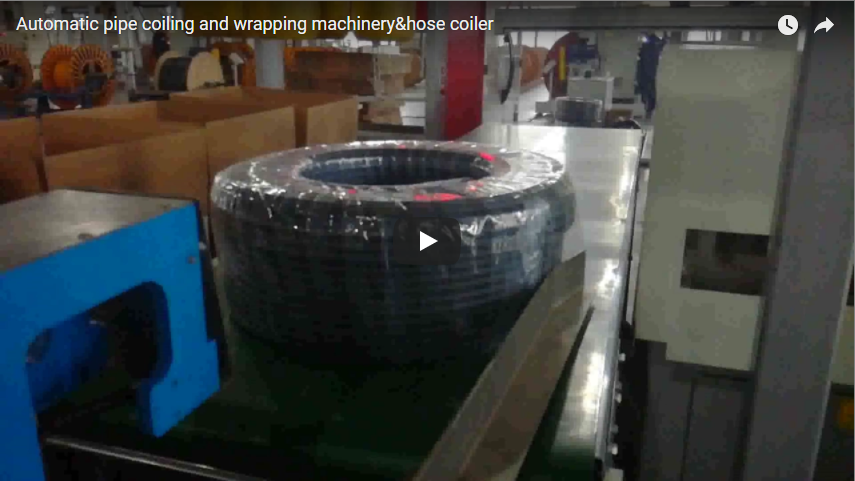
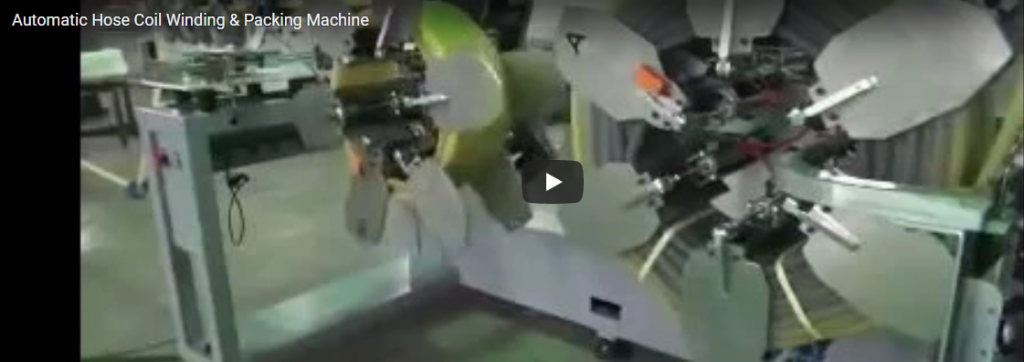
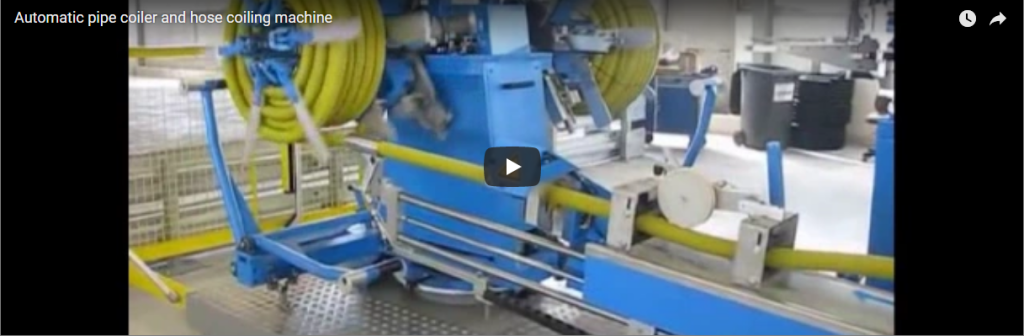
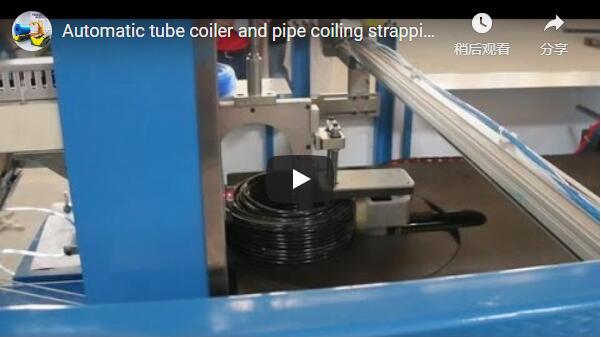
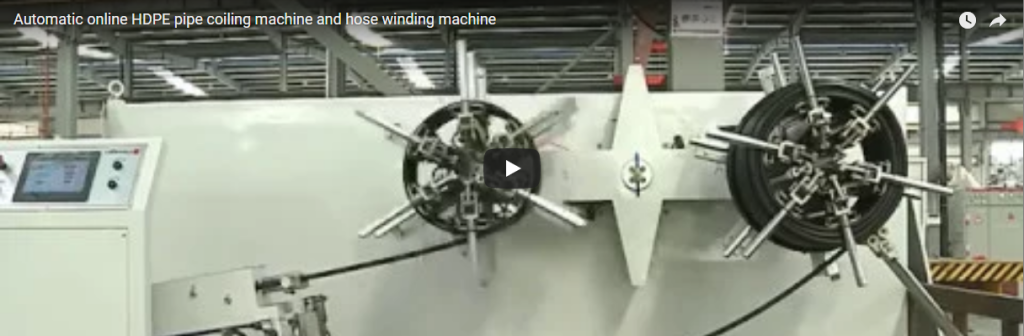
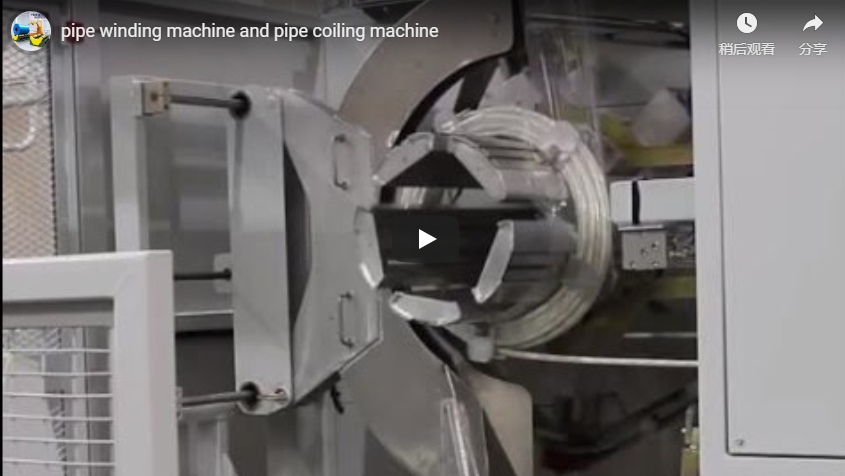
Our footage shows an automatic box tapping machine running in a packaging process. It is a general demonstration, so your box range and process plan are confirmed with us per project.
Selection checklist
| Question | Confirm per project |
|---|---|
| Box | sizes |
| Tap | tension, position |
| Seal | standard |
| Flow | in-line |
| Control | PLC |
| Electrical supply | voltage, phase and frequency on site |
Operation and safety
Run the line and the machine taps each box automatically as it passes. Keep clear of the infeed, tapping head and outfeed while the machine runs, with guarding and emergency stops at the operator position. Routine checks cover the tapping head, feed, sensors and control, per the machine manual. Confirm the tap settings against the box before each run so seals stay consistent.
Engineering FAQ
Q: How does the tap improve the order? A: A consistent machine tap keeps every box from failing in transit.
Q: What three things improve? A: Seal consistency, crew position and the steadiness of the flow.
Q: Why are the seals the same? A: The tap is machine-held, not dependent on the operator’s pull.
Q: How does the crew change? A: The tap leaves the hands, and the crew runs the line instead.
Q: Does the flow stop? A: Boxes stay in flow, tapped at the pace the line sets.
Next step
- Email us at info@fhopepack.com with your box range and process layout.
- We send a tapping proposal and a layout drawing within 48 hours.
- We arrange a site survey to confirm box range and line position.
Related reading
- Box tapping machine integrated automation
- Automatic tape binding machine for box
- Automatic Self-Adaptive Random Case Sealer
- FHOPE packing machinery product lines
Sources and standards
- ISO 12100:2010 Safety of machinery, general principles for design and risk assessment
- EN 415-10:2014 Safety of packaging machines, general requirements
- EN ISO 13849-1:2023 Safety of machinery, safety-related parts of control systems
FHOPE automatic box tapping machine demonstration video. Reviewed as a general demonstration; box range confirmed per project.
Last reviewed: 2026-10-10