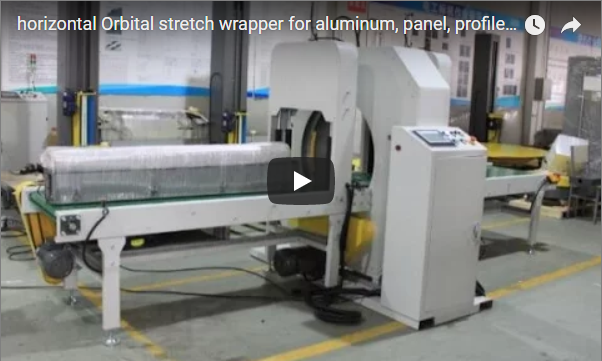
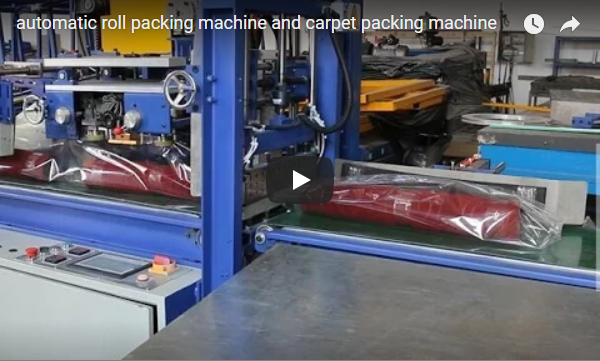
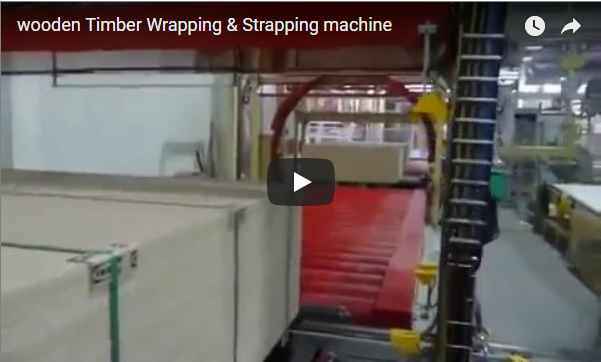
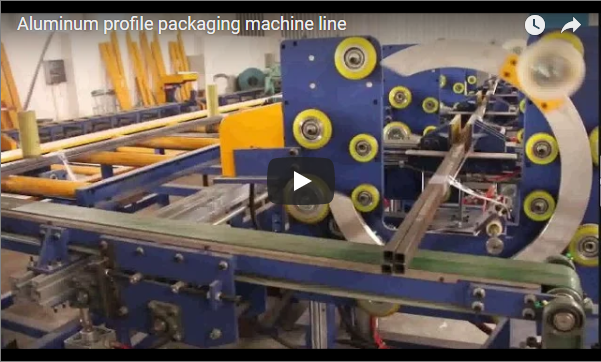
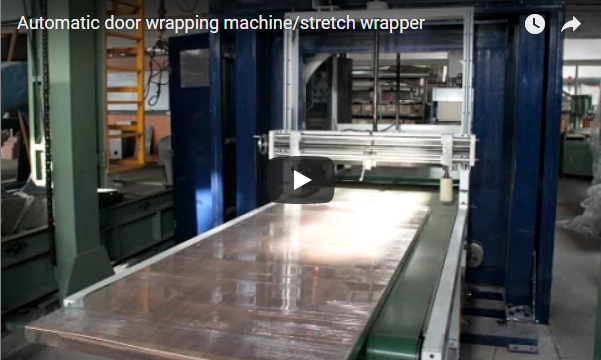
Executive summary This video shows a horizontal stretch wrapping machine built on a blue steel frame, filmed inside our factory alongside its roller conveyor and output platform. A long, corrugated metal sheet is shown moving into position as a sample workpiece. The footage is a production and assembly showcase — it does not show a full wrapping cycle. Use it to judge build quality, structure, and layout; request the detailed specs directly.
Why we filmed the machine in our own workshop
When buyers evaluate a horizontal stretch wrapping machine, the first questions are usually practical ones: How is it built? How big is it? What does the material flow through it look like? Specs sheets answer some of that, but a walkthrough of the actual machine on the factory floor answers more.
That is what this video is for. It was shot inside our production facility, showing the machine standing on the shop floor next to its infeed roller conveyor, with a long corrugated metal sheet loaded as the sample workpiece. You see the machine as it comes off our production line — before shipment, before installation at a customer site.
This article walks through what the footage shows, what it deliberately does not show, and what you should confirm with us before placing an order.
What the video shows
The camera moves through the workshop in one continuous pass:
| Time | What you see |
|---|---|
| ~0–8s | Wide shot of the workshop: an empty black roller conveyor on the left, leading toward the large blue vertical machine body in the background. Factory steel beams, a red overhead crane, and high windows are visible. |
| ~10–14s | The camera pans right and closer, focusing on the blue machine body — top crossbeam structure, a yellow operator handle/button assembly on the side, and grey metal protective framing. The silver metal sheet workpiece is now at the end of the conveyor. |
| ~16–18s | The camera circles to the right side of the machine, showing the blue control/power cabinet with a mesh safety guard, and a curved transparent cover housing the film guide rollers inside. |
| ~20–28s | Close views of the silver corrugated metal sheet resting on the wide output platform with yellow edge protection, and the yellow cantilever film tension/cutting assembly above it. Two workers appear in the background but are not operating the machine. |
The machine structure at a glance
From the footage, the main visible components are:
- Frame: blue powder-coated steel, with heavy-section support columns and a welded base frame. Some areas carry darker grey/black paint.
- Infeed conveyor: a black roller conveyor on the left, carrying the workpiece toward the machine.
- Machine body: a vertical central unit with a top crossbeam, vertical guide rails, and a curved transparent cover containing the film guide rollers.
- Film handling: a yellow cantilever-type film tension and cutting assembly positioned above the workpiece area.
- Control/power cabinet: a blue cabinet on the right side with ventilation grilles, an observation window, and a locking latch, protected by a metal mesh safety door.
- Output platform: a wide metal platform with yellow edge protection strips, surfaced with ribbed galvanized steel plate.
The overall layout follows a straight-line flow: conveyor infeed → wrapping zone → output platform. That matters for integration, because the machine needs to sit inline with whatever feeds it upstream and whatever handles the wrapped product downstream.
The sample workpiece
The product shown is a long, corrugated metal sheet — silver-grey with a regular pattern of parallel grooves. Based on its proportions in the frame, the sheet is far longer than the conveyor is wide, with a width roughly matching the conveyor’s effective working surface, and it is a thin-gauge panel (thickness appears to be under 5 mm — verify with the manufacturer).
This type of long, thin workpiece is exactly where horizontal stretch wrapping earns its place. Long panels, profiles, and extrusions are awkward to wrap by hand: the film tension is inconsistent, the ends are hard to seal neatly, and one worker can spend several minutes per piece. A horizontal wrapper rings the film around the stationary product, which gives more consistent coverage and lower film use — the qualitative benefits are consistency, reduced film waste, and lower labor intensity. Any specific cycle-time or savings figures depend on your product and film, so ask us to run a test on your actual workpiece.
What the video does not show
We want to be straightforward about the limits of this footage:
- No complete wrapping cycle. The film stretch, wrap, cut, and seal sequence is not shown. The workpiece is seen entering position and resting on the platform; no film is observed being stretched around it. Treat this as a structure and layout showcase.
- No control panel detail. No independent HMI screen or button panel is clearly visible. A yellow square device on the cabinet side may be an emergency stop or manual switch, but its labeling is not readable.
- No rated specifications. Power rating, motor models, wrapping dimensions (max/min), cycle time, film规格 (thickness, width, material), stretch ratio settings — none of these are shown or readable. Check with the manufacturer for all of these.
- No certifications visible. No CE, UL, or other certification marks can be seen on the machine in the footage.
- No safety interlock demonstration. The machine has mesh safety guarding around the cabinet area, but no light curtain is visible and no door-interlock action is demonstrated. Confirm the full safety package (E-stop placement, interlocks, guarding scope) with us before ordering.
- No model nameplate. No readable model number, serial plate, or brand marking appears anywhere in the frames.
Direct observation notes
The following points are kept close to what the footage actually shows, with only light grammar edits:
- The opening frames (t≈0–8s) show a static wide view of the factory floor: a black roller conveyor with roller-support brackets on the left, leading to a large blue vertical machine in the distance, with factory steel beams, a red overhead crane, and multiple high windows in the background. The conveyor is empty at first.
- From t≈10–14s, the camera pans right and moves closer to the blue machine body; a yellow operator handle/button assembly on the side and grey metal protective framing are visible, and the silver metal sheet workpiece has arrived at the conveyor end.
- At t≈16–18s, the camera reaches the machine’s right side, showing the blue cabinet side panel, a mesh safety guard, and a curved transparent cover with film guide rollers inside; a coiled red cable is on the floor nearby.
- From t≈20s onward, close-up views show the silver corrugated metal sheet (reflective, long rectangular shape) resting on the blue output platform with yellow edge framing; a yellow cantilever film tension/cutting device is visible above. The workpiece remains stationary on the platform — no film wrapping action is observed in the footage.
- Two workers appear in the background in later frames (one seated in dark clothing, one standing in red), but no direct machine operation is shown.
- The machine is shown in a static/display state in the final shot, with the striped metal conveyor platform in the foreground, yellow anti-collision edge strips, and wooden pallets and other equipment in the background.
Who this machine suits
Based on the visible structure — inline conveyor flow, long slender workpiece, cantilever film handling — the machine pattern shown fits:
- Building-material producers wrapping long panels, corrugated sheet, colored steel board, or similar products for dust and moisture protection before shipping.
- Metal processors wrapping aluminum profiles, stainless sections, or thin-gauge coil sheet.
- Appliance and machinery makers needing consistent, presentable packaging on long components.
If your product is short, boxed, or palletized, a rotary-arm or turntable stretch wrapper may be a better match — see the related pages below to compare machine families.
What to verify with the manufacturer before ordering
Bring this checklist to the conversation:
- Product fit: your workpiece’s length, width, weight range, and whether the conveyor and platform dimensions shown match it; whether quick changeover between different product sizes is supported.
- Film handling: stretch-film tension adjustment range and stability; compatible film roll diameters and widths.
- Cycle performance: actual wrapping time per piece on your product — ask for a trial wrap, since this video does not show a running cycle.
- Controls: PLC/touch-screen interface options, fault self-diagnostics, and whether remote communication interfaces are available.
- Power and safety: voltage compatibility, grounding requirements, the full safety package (E-stops, interlocks, guarding), and conformance with the safety regulations applicable in your region.
- After-sales: service response times and spare-parts availability in your market.
FAQ
Does the video show the machine actually wrapping? No. The workpiece is shown entering position and resting on the output platform, but no film stretch or wrap action is visible in this footage. It is a production/build-quality showcase. Ask us for a live or running-cycle demonstration.
What kind of product is shown in the video? A long, thin corrugated metal sheet, placed lengthwise along the conveyor direction. It is a sample representative of long panel-type workpieces the machine is designed for.
Can I see the control panel and settings? Not in this video — no control screen or labeled panel is clearly readable. Confirm control options (HMI type, PLC features) with the manufacturer directly.
What safety features does the machine have? The footage shows mesh safety guarding on the cabinet area and a possible emergency-stop or manual-switch device on the cabinet side. Light curtains and interlock behavior are not visible, so confirm the complete safety specification before purchase.
How do I get specifications like power, dimensions, and speed? These are not shown in the video. Contact us with your product dimensions and packaging requirements, and we will send the matching machine data sheet.
Where does this machine fit in a full line? The visible layout — roller infeed to output platform — is designed for inline integration. For complete line setups, see our automatic coil packing line page linked below.
Related reading
- Horizontal wrapping machine product page
- Stretch wrapping machines overview
- Orbital stretch wrapper
- Automatic coil packing line
- Steel coil wrapping machine
Next step
If the machine layout in this video matches your product, the fastest way forward is a conversation with your actual workpiece dimensions in hand. Tell us what you wrap, how long and heavy it is, and your output requirements — we will confirm the right configuration, provide full specifications, and arrange a wrapping test where useful. Visit our contact page to start.
Source and method
This article is based on the factory video above as its sole factual source. The footage was analyzed frame-by-frame using a vision model on sampled frames; the video contains background music only, with no narration or speech to transcribe. Facts in the “Direct observation notes” section trace directly to visible frames; anything not visible is either omitted or explicitly marked “check with the manufacturer.”