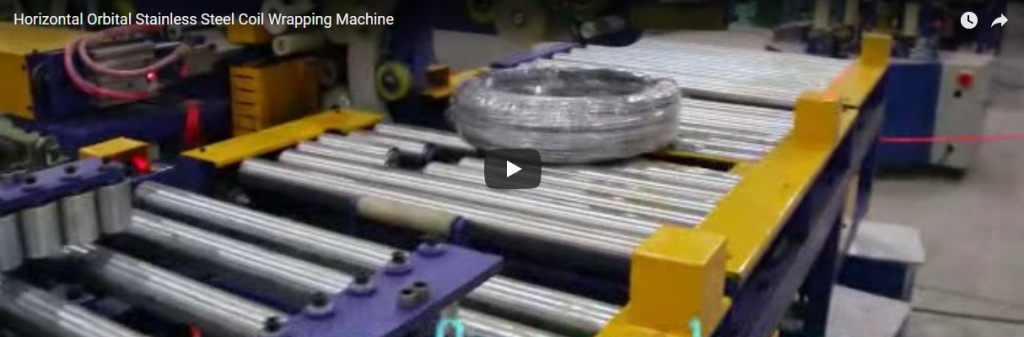
Executive summary Our FPW-300 is an economic ring wrapper for light steel wire, GI wire and razor wire coils. The operator rolls the coil in, starts the wrap and cuts the tape, and the ring does the wrapping. It takes coils of 450–850 mm OD and 10–250 kg, needs only 1.5 kW and no compressed air. Heavier or larger coils move up to our FPW-400.
Table of Contents
- How the wrapping cycle works
- What is manual and why
- Specifications
- Checking your coil size
- Choosing the wrapping material
- When to move up to FPW-400
- Selection checklist
- Engineering FAQ
- Next step
- Related reading
- Sources
How the wrapping cycle works
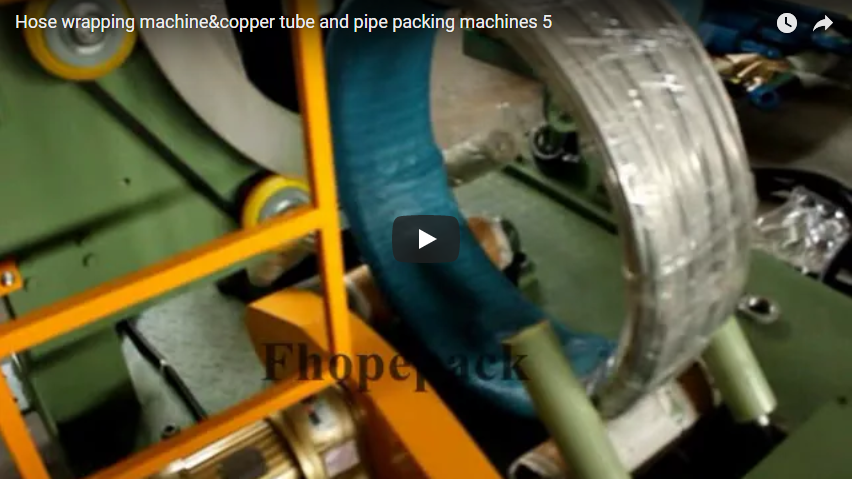
In this video, our wrapper packs a steel wire coil standing upright in the ring. The ring passes through the coil eye and lays tape around the coil section while the coil turns. Each coil follows six steps:
- Load. Roll the wire coil onto the wrapping station.
- Start the tape. Tie the packing material to the coil.
- Start. Press the start button.
- Wrap. The machine wraps the coil automatically.
- Cut. Cut the packing material by hand when the wrap is complete.
- Unload. Roll the wrapped coil out of the station.
The wrap protects the wire from dust, air and moisture during storage and shipping.
What is manual and why
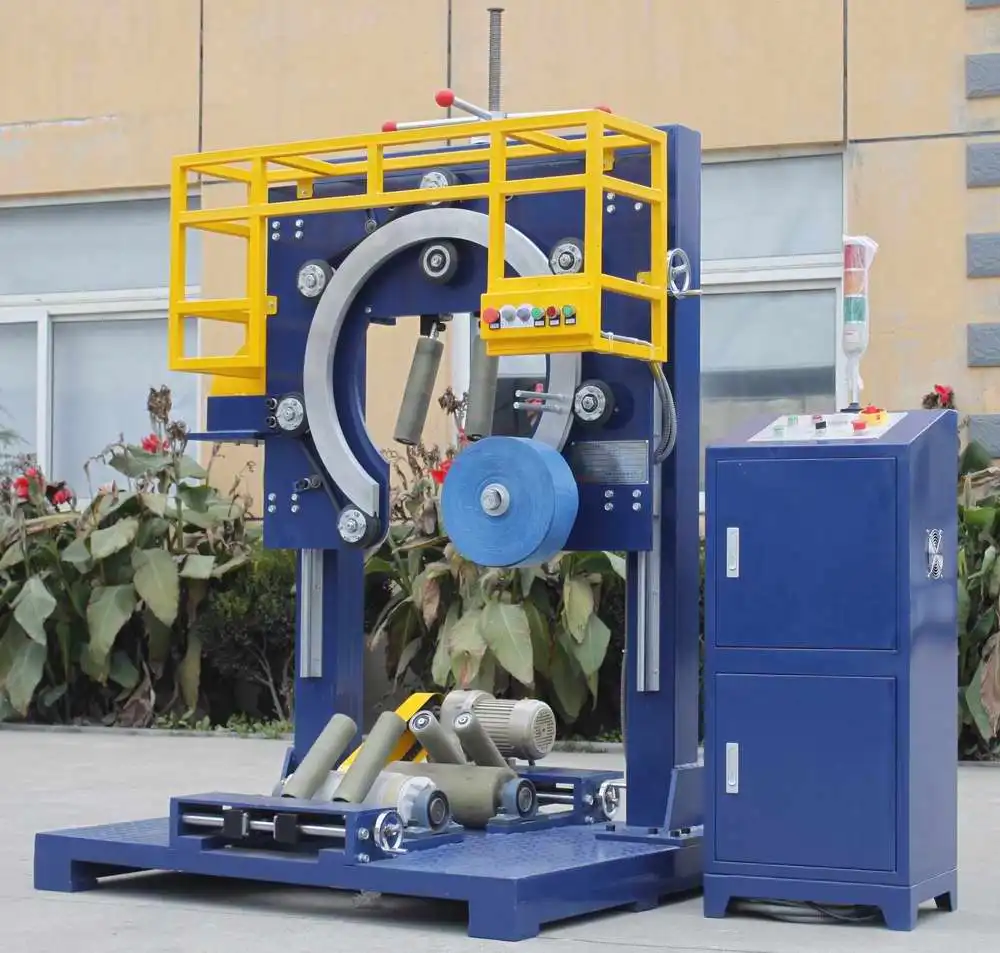
The FPW-300 keeps loading, tape start and cutting manual. That is what makes it economic:
- No conveyors or loaders. The coil is rolled in and out by hand, so the machine needs little floor space.
- No air supply. Cutting is manual, so there is no pneumatic system to install.
- No installation. The machine arrives ready to run and only needs a power supply.
The ring work itself is automatic. The PLC with time relay runs the wrap, the overlap is set to your requirement, and a special brake on the tape release keeps the material from folding. There are manual and automatic working modes.
Specifications
| Parameter | FPW-300 |
|---|---|
| Coil ID | 300–700 mm |
| Coil OD | 450–850 mm |
| Coil width | 100–300 mm |
| Coil weight | 10–250 kg |
| Packing material | PVC, LLDPE, PE, paper, HDPE |
| Material roll | ID 50 mm, OD 100–250 mm, width 100–120 mm |
| Overlap | 10–90% |
| Power | 1.5 kW, 380 V, 50 Hz, 3 phase |
| Air supply | none |
Checking your coil size
Check four numbers against the window: ID, OD, width and weight. For example, an illustrative galvanised wire coil of 450 mm ID, 750 mm OD, 150 mm wide and 80 kg fits all four.
The ring height is adjustable for different coil ODs. Before each batch, the operator enters the coil OD, ID, width, weight range, ring speed, material layers and the customer identification number in the control.
Choosing the wrapping material
The same machine runs several materials, so you can choose by protection need and cost:
- Films: LLDPE stretch film, PE or PVC.
- Paper: for customers who specify a paper wrap.
- HDPE: woven or film tape.
All run on rolls with a 50 mm core, 100–250 mm OD and 100–120 mm wide. For razor wire, we confirm the material on a trial coil, because the barbs can damage a thin film.
The tension is adjustable with a special brake, so you can set it for each material and coil size.
When to move up to FPW-400
Our FPW-400 is for medium wire coils. Move up when your coils are outside the FPW-300 window:
| Parameter | FPW-300 | FPW-400 |
|---|---|---|
| Coil OD | 450–850 mm | 600–1,200 mm |
| Coil ID | 300–700 mm | over 300 mm |
| Coil width | 100–300 mm | 40–400 mm |
| Coil weight | 10–250 kg | 40–400 kg |
| Material width | 100–120 mm | 100–300 mm |
| Air supply | none | 4–6 bar |
For example, a 1,000 mm OD coil is over the FPW-300 limit but inside the FPW-400 range. The FPW-400 can also take automatic loading, unloading and conveyors as options.
Selection checklist for a wire coil wrapper
- Coil ID, OD, width and weight, smallest and largest.
- Coils per shift and number of operators.
- Wrapping material: film, paper, PVC or HDPE.
- Overlap needed for your protection level.
- Compressed air available, if you may need the FPW-400.
- Power supply at the station.
Engineering FAQ
Q: How do I stop the tape from folding or tearing? A: Set the tension with the special brake for each material and coil size. A separate brake on the tape release device keeps the material from folding as it unwinds.
Q: Does it need compressed air? A: No. The FPW-300 cuts by hand and needs only a 1.5 kW power supply.
Q: Which steps does the operator do? A: Rolling the coil in and out, tying the tape to the coil, pressing start and cutting the tape. The ring wraps automatically.
Q: Can it wrap with paper instead of film? A: Yes. It runs PVC, LLDPE, PE, paper or HDPE on rolls 100–120 mm wide.
Q: My coils are 1,000 mm OD. Which machine? A: The FPW-400, which takes coils of 600–1,200 mm OD and 40–400 kg.
Next step
We match the wrapper to your wire coils in three steps:
- Submit your layout drawing with coil sizes, weights and coils per shift to info@fhopepack.com.
- Receive a proposal within 48 hours, with the machine model and material.
- Book a site survey to fit the wrapper to your wire line.
Related reading
- Wire coil wrapping machine FPW-300
- Wire coil wrapping machine FPW-400
- Wire coil wrapping machines
- Automatic coiling machines
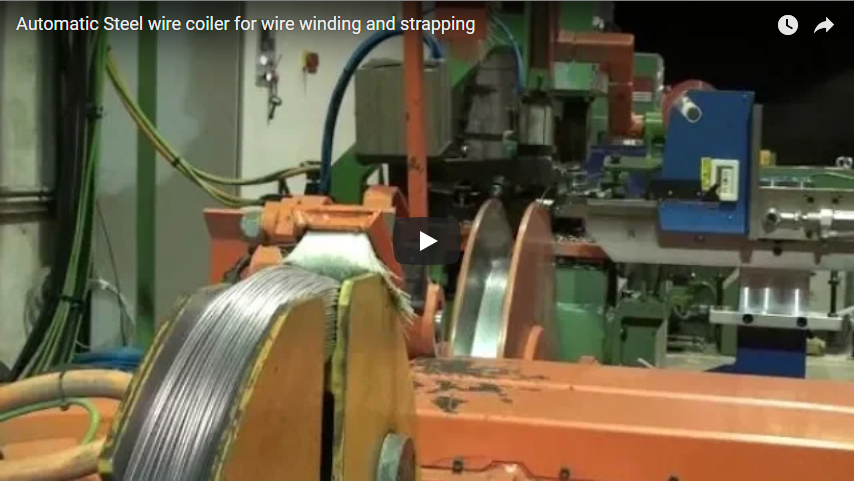
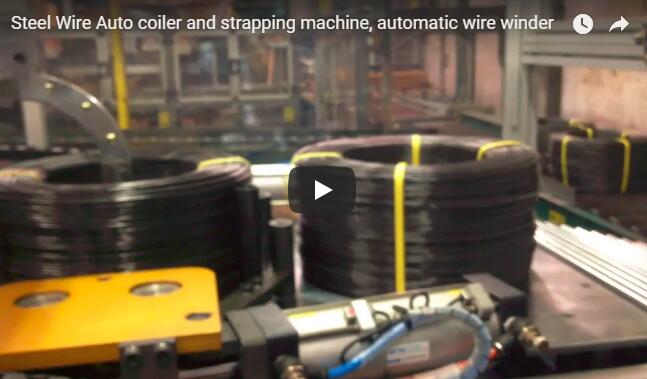
- Video: automatic steel wire coiler for wire winding and strapping
Sources
- FPW-300 cycle, features, specifications: FPW-300 wire coil wrapping machine page
- FPW-400 specifications: FPW-400 wire coil wrapping machine page
- Machine in action: our economic wire wrapping machine video on YouTube
- Standards scope: ISO 12100:2010, EN 415-10:2014
Last reviewed: 2026-10-04