Mastering Coil Protection: An In-Depth Look at Horizontal Orbital Wrapping Machines
In modern industrial distribution and manufacturing, safeguarding valuable metal coils – especially stainless steel – during transit and storage is paramount. Damage from moisture, dust, or impact can lead to significant financial losses. The horizontal orbital wrapping machine has emerged as a cornerstone technology for providing robust, efficient, and automated protection for these cylindrical products. This post delves into the operation, benefits, and key considerations surrounding these essential pieces of packaging automation, drawing on practical insights for operators and decision-makers.
1. Understanding the Horizontal Orbital Wrapping Principle
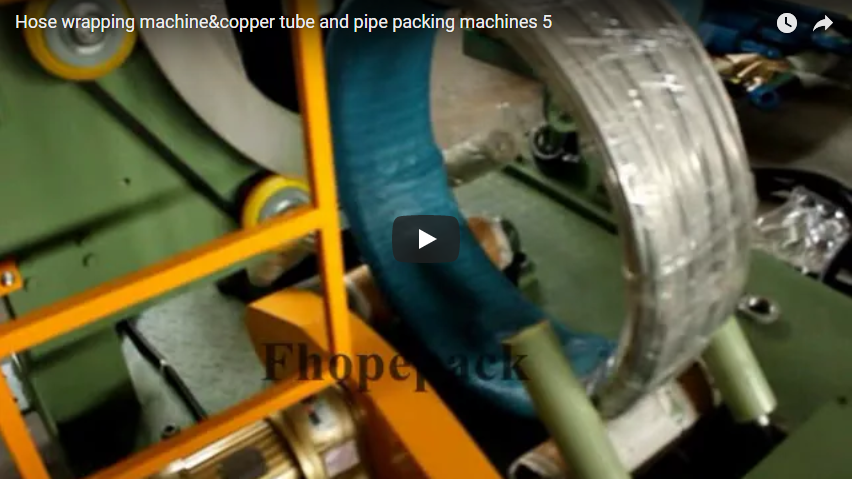
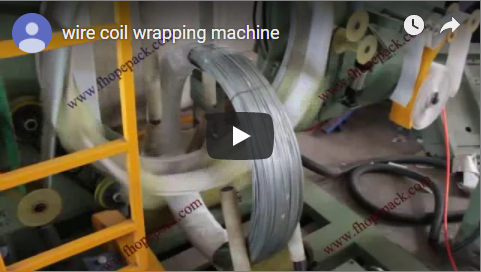
At its core, a horizontal orbital steel wire coil wrapping machine (also highly effective for stainless steel coils, aluminum coils, copper coils, and pipe coils) utilizes a unique wrapping mechanism. Unlike traditional turntable wrappers, the coil remains stationary in the horizontal position (eye-to-sky) while a wrapping ring, carrying the packaging material (like stretch film, VCI paper, or woven materials), orbits around the coil’s outer diameter and through its eye. This method ensures complete, tight coverage of the coil’s surfaces.
2. Operational Breakdown: From Infeed to Discharge
Understanding the machine’s workflow is key to appreciating its efficiency. Here’s a typical operational sequence:
- Coil Loading & Infeed: Coils are typically loaded onto an infeed conveyor system, often using a C-hook, forklift, or integrated coil car. Sensors detect the coil’s presence and initiate the movement toward the wrapping station.
- Coil Positioning & Centering: As the coil enters the wrapping zone, specialized centering rollers or arms automatically adjust to position the coil precisely in the center of the wrapping ring’s path. This ensures a uniform wrap. Support rollers beneath the coil often provide stability and may assist in slow rotation for specific wrap patterns.
- The Wrapping Cycle Initiation: Once the coil is secured and positioned, the main wrapping ring begins its orbital movement. Simultaneously, the packaging material dispenser (shuttle) on the ring starts feeding the selected film or paper.
- Orbital Wrapping & Material Application: The ring orbits around the stationary coil, passing through its center opening. The material shuttle dispenses the wrapping material, applying it directly to the coil surfaces. The degree of overlap can usually be adjusted via the machine’s HMI (Human-Machine Interface) to control the level of protection and material consumption.
- Automated Cutting & Sealing: Upon completion of the programmed number of wraps, the machine automatically clamps, cuts, and seals the wrapping material tail. Common methods include heat sealing or wipe-down systems, ensuring the wrap doesn’t unravel.
- Coil Discharge: The wrapped coil is then automatically transferred out of the wrapping station via an outfeed conveyor, making way for the next coil. This seamless transition is crucial for maintaining high throughput in busy production lines.
3. Key Technical Parameters to Consider
When evaluating or operating these machines, several technical specifications are critical:

- Coil Size Capacity:
- Outer Diameter (OD): Minimum and Maximum acceptable range.
- Inner Diameter (ID): Minimum and Maximum eye size the ring can pass through.
- Width: Minimum and Maximum coil width the machine can handle.
- Coil Weight Capacity: Maximum weight the conveyor and support system can safely manage.
- Wrapping Ring Speed: Measured in RPM (Revolutions Per Minute), directly impacting throughput.
- Packaging Material Compatibility: Types of materials the machine can dispense (e.g., LLDPE Stretch Film, VCI Paper, Crepe Paper, Woven Fabric, PP Belt). Film/material roll width and diameter specifications are also important.
- Control System: Typically PLC (Programmable Logic Controller) based with an HMI touchscreen for parameter setting, recipe storage, and diagnostics.
- Power Requirements: Voltage, phase, and power consumption details.
- Optional Features: Top sheet dispensers, integrated weighing systems, labeling systems, upstream/downstream automation integration capabilities.