Executive summary
Steel coils leave the line heavy and full of value, and the wrapping and strapping around them decides whether they arrive intact. This guide covers the technology of steel coil wrapping, strapping and packing: uniform film overlap set from the control screen, weighing that verifies the load, and strapping integrated with the wrap. We build integrated steel coil packaging lines. Coil range and package plan are confirmed per project.
Table of Contents
- What integrated coil lines solve
- Uniform film overlap
- Moisture and transit protection
- Weighing and load stability
- Strapping in the same flow
- Best practices in practice
- Typical configuration
- What the video shows
- Selection checklist
- Operation and safety
- Engineering FAQ
- Next step
- Related reading
- Sources and standards
What integrated coil lines solve
Steel coils carry export value, and manual wrapping and strapping damage them: operator fatigue moves the strap tension and the film coverage, and the damage shows up as moisture ingress or shifting in transit. An integrated coil packaging line removes the variable hand work by wrapping, strapping and handling in one protected flow.
Because the steps run together, the coil is not re-handled between them, which is where manual lines lose the package. The integrated scope is confirmed per project on the coil range.
Uniform film overlap
Film overlap is set and held from the control screen instead of by hand, so every coil is wrapped with the same coverage. Manual wrapping lets overlap drift as the operator tires, and drift means some coils arrive under-covered. Holding the overlap uniform is the technological fix at the heart of the line, and it is what keeps moisture and movement off the coil. The overlap setting follows the coil and the journey, confirmed per project.
Moisture and transit protection
The package protects against moisture ingress and structural shifting, the two causes of transit corrosion and mechanical deformation. A correct, uniform film cover stops moisture reaching the steel, and a secure wrap keeps the layers from moving in transit. Protection is a function of coverage and hold, both set on the machine rather than left to the operator. The protection standard is confirmed per project against the transit route.
Weighing and load stability
An integrated weighing module checks the load as it moves through, verifying the package on the line. Weight verification catches a coil or package that is wrong before it ships, and it gives the warehouse and the customer a recorded number. Stability is also built by the wrap, since a coil that is held evenly sits evenly through handling. The weighing and check points are confirmed per project against the line’s quality need.
Strapping in the same flow
Strapping runs in the same flow as wrapping, tensioned by the machine so the strap holds evenly on every coil. Machine tensioning removes the operator variability that manual strapping brings, and integrating it into the line means the coil is strapped where it is wrapped. The strap positions and tension follow the coil and its weight, confirmed per project. A coil wrapped and strapped in one flow is the package the export journey expects.
Best practices in practice
The best practices in coil packaging are the ones enforced by the machine: uniform film, integrated straps, verified loads and no hand passes. On a manual line these are intentions that drift over a shift; on an integrated line they are settings. Applying them per coil is what reduces transit claims and keeps coils arriving intact. The practical application is confirmed per project against the coil mix and journey.
Typical configuration
Figures below list functional design boundaries rather than numeric values, and are confirmed per project.
| Parameter | Typical range, confirmed per project |
|---|---|
| Coil | steel coil range |
| Wrap | overlap setting |
| Weighing | module check |
| Strap | positions, tension |
| Flow | integrated line |
| Electrical supply | 380 V three phase 50 Hz, or 220 V single phase for light machines, selected per project |
What the video shows
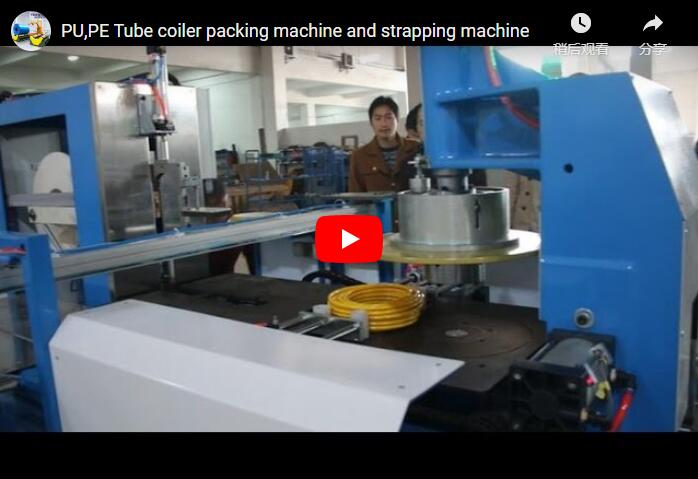
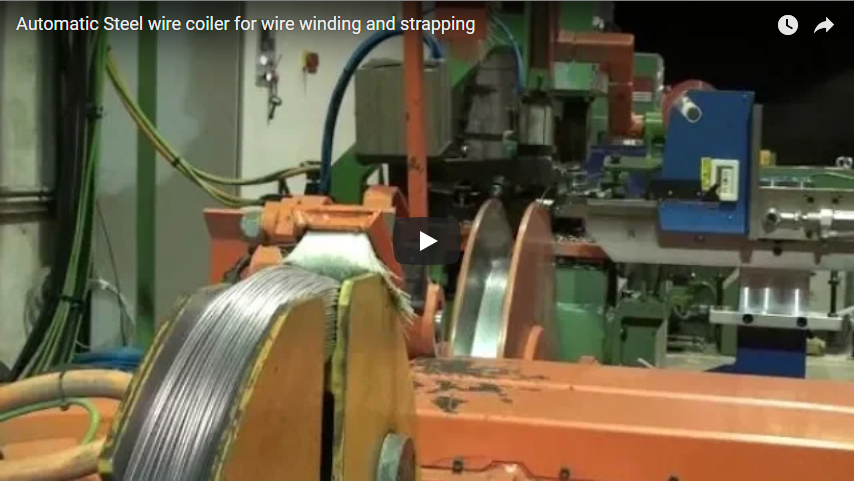
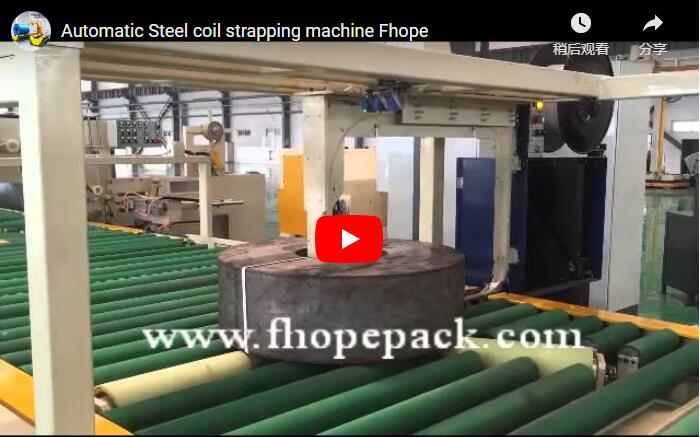
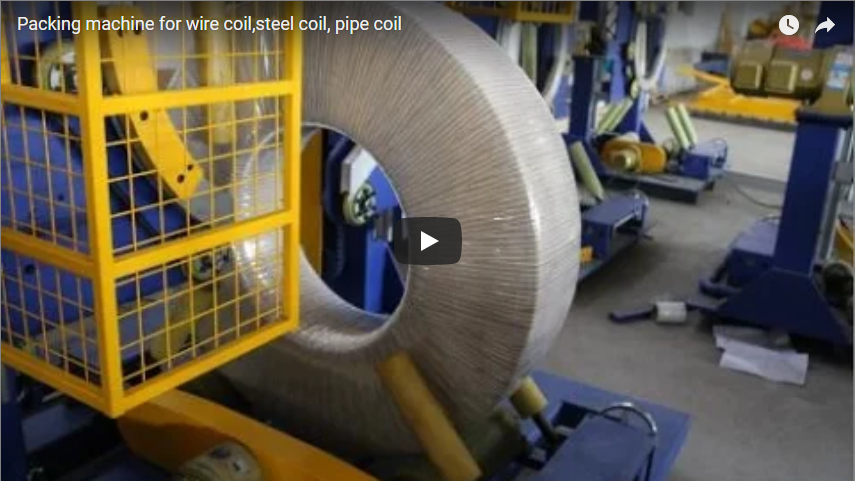
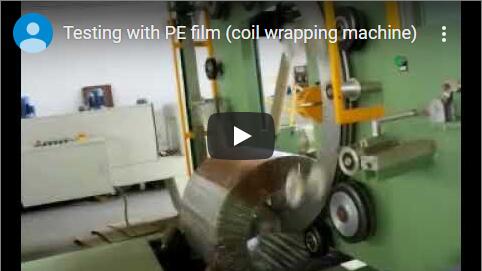
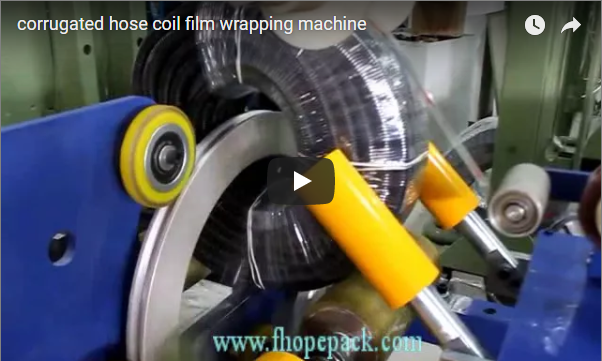
Our footage shows an integrated steel coil wrapping, strapping and packing line. It is a general demonstration, so your coil range and package plan are confirmed with us per project.
Selection checklist
| Question | Confirm per project |
|---|---|
| Coil range | diameters, weights |
| Overlap | film coverage |
| Weighing | check points |
| Strap | tension and count |
| Journey | transit route |
| Electrical supply | voltage, phase and frequency on site |
Operation and safety
Run the recipe from the panel and the line wraps, weighs, straps and packs each coil automatically. Keep clear of the wrap ring, weighing station, strapping heads and handling while the line runs, with guarding and emergency stops at the operator position. Routine checks cover the wrapper, weighing module, strapping heads, sensors and control, per the machine manual. Confirm the overlap and strap settings against the coil before each run so packages ship uniform.
Engineering FAQ
Q: What does the technology solve? A: It removes operator variability in film and strap, the source of transit damage.
Q: How is overlap controlled? A: Film overlap is set and held from the control screen on every coil.
Q: Why weighing on the line? A: It verifies the load as it moves, catching a wrong package before it ships.
Q: Why strap in the same flow? A: Machine tensioning and integration mean the coil is strapped where it is wrapped.
Q: What is the practical result? A: Uniform packages that arrive intact and reduce transit claims.
Next step
- Email us at info@fhopepack.com with your coil range, volumes and route.
- We send a coil packaging proposal and a layout drawing within 48 hours.
- We arrange a site survey to confirm coil range and packaging needs.
Related reading
- Steel coil strapping and packing line
- Steel coil wrapping strapping and packing machine
- Automatic pallet wrapping machine: complete guide
- FHOPE packing machinery product lines
Sources and standards
- ISO 12100:2010 Safety of machinery, general principles for design and risk assessment
- EN 415-10:2014 Safety of packaging machines, general requirements
- EN ISO 13849-1:2023 Safety of machinery, safety-related parts of control systems
FHOPE integrated steel coil packaging line demonstration video. Reviewed as a general demonstration; coil range confirmed per project.
Last reviewed: 2026-10-10