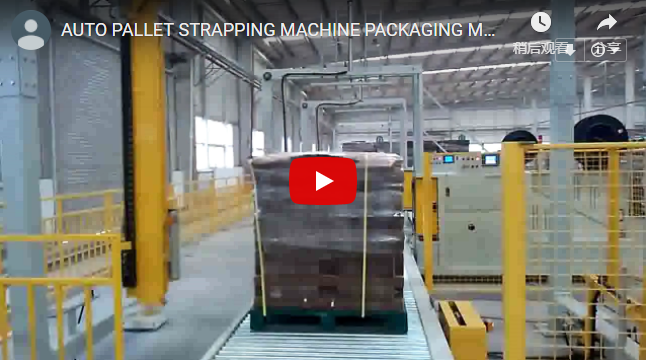
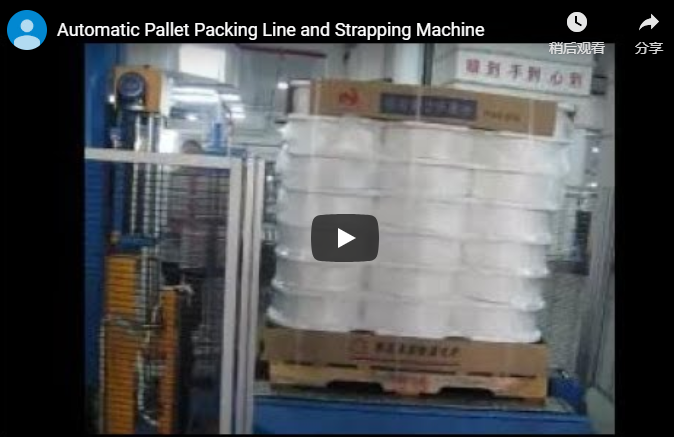
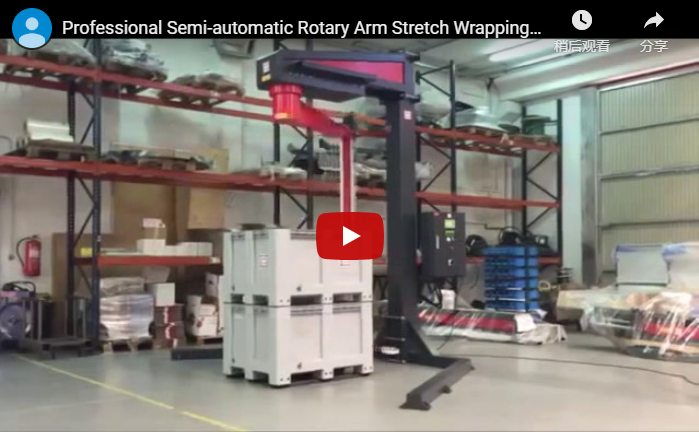
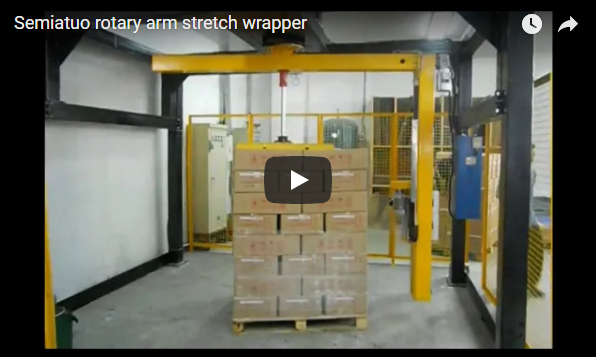
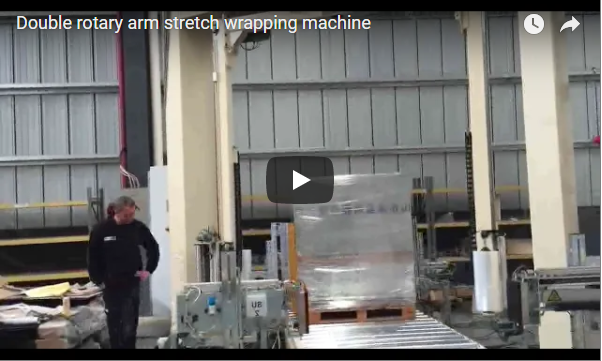
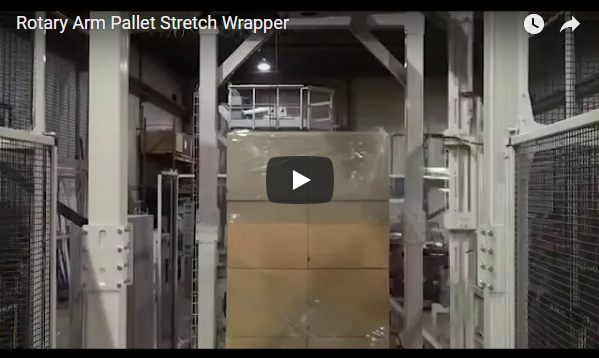
Automatic rotary arm pallet wrapping machine and packing machine

Summary: Automatic rotary arm pallet wrapping machines secure heavy, unstable loads by keeping pallets stationary while the film arm rotates. This guide covers technical specs, ROI benefits, and industry applications for logistics and manufacturing facilities.

Handling large, heavy, or unstable pallet loads presents significant challenges in logistics and manufacturing environments. Ensuring load integrity during transit is paramount to prevent product damage and maintain operational efficiency. An Automatic Rotary Arm Pallet Wrapping Machine offers a robust solution specifically engineered for these demanding applications. Unlike traditional turntable wrappers where the pallet spins, a rotary arm machine keeps the pallet stationary while the film delivery system rotates around it. This approach is crucial for preventing unstable loads from shifting or toppling during the wrapping process.

This guide provides a technical deep dive into the features, benefits, and real-world applications of automatic rotary arm stretch wrappers, drawing on industry insights and operational experience to help you understand if this technology is the right fit for your facility.

🛠️ 1. Why Choose a Rotary Arm Wrapper Over Turntable Systems?

The core advantage of a rotary arm stretch wrapper lies in its fundamental design: the load remains static. This offers distinct benefits:

  • Superior Stability for Challenging Loads: For loads that are exceptionally heavy, tall, lightweight but unstable, or irregularly shaped, keeping the pallet stationary eliminates the centrifugal forces generated by a rotating turntable. This significantly reduces the risk of product shifting or collapse during wrapping.

  • Higher Throughput Potential for Heavy Loads: While turntable wrappers can be very fast for standard loads, their speed is often limited by the stability and weight of the pallet. Rotary arm wrappers can maintain consistent, high wrapping speeds (measured in arm RPM) regardless of load weight, making them highly efficient for heavy-duty applications.

  • Integration Flexibility: Stationary load positioning can simplify integration with automated conveyor systems, AGVs (Automated Guided Vehicles), and other end-of-line packaging equipment.

From our experience working with various packaging lines, facilities handling heavy building materials, beverages, or fragile stacked goods often see a marked improvement in both safety and wrap quality after implementing rotary arm technology.

ROI Insight: Facilities switching from turntable to rotary arm systems report 15-25% reduction in film consumption due to superior pre-stretch control and 40% fewer load failures during transit, directly impacting shipping cost and customer satisfaction metrics.

⚙️ 2. Key Technical Specifications and Performance Features

Understanding the technical specifications is key to matching a machine to your operational needs. While specific parameters vary by model and manufacturer, here are common features and their significance:

Specification Standard Range Operational Impact
Wrapping Arm Speed 25-35 RPM Dictates maximum throughput; 35 RPM enables 40+ pallets/hour in high-volume operations
Load Capacity 1,500-2,500 kg (3,300-5,500 lbs) Handles heavy industrial loads like building materials, beverages, chemical drums
Maximum Pallet Size (L×W) 1,200mm × 1,200mm (48″ × 48″) Accommodates standard EUR/ISO pallets; custom sizes available for oversized loads
Maximum Load Height 2,000-2,400mm (78″-94″) Standard extension; taller configurations possible for specialized applications
Powered Pre-stretch Ratio 250%-300% 1 meter of film stretches to 3+ meters, reducing film cost per pallet by 30-40%
Control System PLC + Touchscreen HMI Stores 50+ wrap programs, enables quick changeovers between SKUs
Film Type Compatibility LLDPE 20-30 micron Standard machine-grade stretch film; compatible with premium pre-stretch films
Power Requirements 380-480V, 50/60Hz, 3-Phase Adaptable to regional electrical standards; energy-efficient servo options available
Safety Certifications CE, OSHA-compliant Includes photo-eyes, E-stops, optional safety fencing for regulatory compliance

Critical Feature Breakdown

Film Delivery System (Powered Pre-stretch): This is critical for film efficiency and load containment. A powered pre-stretch system elongates the film before application (e.g., up to 300%). This means 1 meter of film can be stretched to 3 meters or more, significantly reducing film consumption and cost per pallet. It also provides better load holding force compared to non-pre-stretch systems.

Control System (PLC/HMI): Modern machines utilize Programmable Logic Controllers (PLCs) with Human-Machine Interfaces (HMIs). This allows for:

  • Storing multiple wrap programs (e.g., different patterns for varying load types)

  • Adjusting parameters like arm speed, film tension, top/bottom wrap counts, and pre-stretch levels easily

  • Diagnostics and troubleshooting assistance. Operators often find intuitive touchscreen HMIs significantly reduce training time and error rates

Construction: Look for heavy-duty C45 steel construction, indicating durability for demanding industrial environments. Powder-coated finishes resist corrosion and extend equipment lifespan in humid or chemical-exposed facilities.

Safety Features: Non-negotiable elements. These should include safety photo-eyes or light curtains at entry/exit points, emergency stop buttons readily accessible, and potentially safety fencing around the wrapping zone to comply with safety standards like CE or OSHA requirements.

Expert Pro Tip: When evaluating rotary arm wrappers, request a film consumption test with your actual load types. A quality pre-stretch system should demonstrate measurable film savings (25-35%) while maintaining or improving load containment force compared to your current wrapping method.

📈 3. Real-World Applications & Performance Insights

The versatility of automatic rotary arm wrappers makes them suitable for diverse industries. Here’s how they solve specific challenges:

3.1. High-Volume Distribution Centers

Challenge Solution Observed Benefit
Wide mix of pallet types (heavy beverages, unstable stacks) Rotary arm stability secures varied loads; programmable wrap patterns allow quick adaptation 30% reduction in pallet damage during internal handling and outbound shipping
Frequent load changes, high throughput demands High arm speed (35 RPM) supports 40+ pallets/hour; automatic film cut/clamp minimizes operator intervention Improved line efficiency vs. manual or semi-automatic methods

3.2. Chemical Manufacturing and Processing

Challenge Solution Observed Benefit
Containment security for hazardous materials (drums, bags, containers) Precise tension control and adjustable pre-stretch ensure tight, secure wrap without crushing containers Reduced risk of environmental contamination; compliance with DOT transportation regulations
Stringent transport regulations Consistent wrap patterns provide reliable containment; robust build handles chemical product weight Manufacturers gain confidence in load security; avoids costly cleanups and regulatory fines

3.3. Agricultural Produce and Food Exports

Challenge Solution Observed Benefit
Large pallets of perishable goods (fruits, vegetables, bagged grains) Powered pre-stretch optimizes film usage; specific wrap patterns provide stability with breathability Product quality maintained over long transit times; reduced spoilage rates
Cost-sensitive exports, long-distance shipping Efficient film use (300% pre-stretch) manages packaging costs; handles uneven pallet configurations Better margins through reduced film consumption and improved load integrity

🏗️ 4. Integration and Maintenance Considerations

4.1. System Integration

Automatic rotary arm wrappers are often integrated into fully automated packaging lines. They typically receive pallets via powered conveyors from upstream processes (like palletizing) and discharge wrapped pallets onto downstream conveyors for labeling, strapping, or direct loading. Compatibility with existing conveyor heights, speeds, and control systems (e.g., handshake protocols) is a key factor during planning.

4.2. Maintenance Best Practices

Like any industrial machinery, regular maintenance is crucial for uptime and performance. Key aspects include:

Maintenance Task Frequency Impact on Performance
Inspect film rollers, belts, chains, safety sensors Weekly Prevents unexpected downtime; ensures consistent wrap quality
Lubricate bearings and moving parts Per manufacturer schedule (typically monthly) Extends equipment lifespan; reduces wear on high-stress components
Clean pre-stretch rollers and film path Bi-weekly Ensures optimal film performance; prevents film breaks during operation
Monitor cutter blades and wipe brushes Monthly Proactive replacement prevents poor film cuts and wrap defects
Review diagnostic logs via HMI Daily Early detection of issues; reduces troubleshooting time

Expert Pro Tip: Implement a preventative maintenance program with documented procedures and readily available spare parts. Facilities with structured maintenance schedules report 50% fewer unscheduled downtime events and extend machine lifespan by 3-5 years beyond standard expectations.

🛡️ 5. Making the Right Choice

Selecting the appropriate pallet wrapping solution depends on several factors:

Decision Factor Key Questions Rotary Arm Advantage
Load Characteristics Weight, stability, dimensions, uniformity? Excels with heavy (>1,500kg), tall (>2m), or unstable loads
Throughput Requirements How many pallets per hour? 35 RPM arm speed enables 40+ pallets/hour consistently
Level of Automation Standalone or fully automated line? Seamless integration with conveyors, AGVs, upstream/downstream equipment
Budget Initial investment vs. long-term ROI? Higher upfront cost than turntable, but 30-40% film savings pay back in 12-18 months
Operating Environment Space, temperature, cleanliness requirements? Compact footprint; powder-coated steel resists corrosion in harsh conditions

Close-up of the PLC control panel on an automatic rotary arm wrapper

Conclusion

Automatic rotary arm pallet wrapping machines provide a highly effective solution for securing challenging loads in demanding industrial environments. Their ability to wrap heavy, unstable, or oversized pallets safely and efficiently makes them invaluable in distribution, manufacturing, chemical processing, and agriculture. By leveraging features like powered pre-stretch (250-300%), PLC programmable controls, and C45 steel construction, these machines enhance load integrity, reduce packaging costs, improve safety, and boost overall operational throughput.

Evaluating your specific load types, volume requirements, and automation goals will help determine if this advanced wrapping technology is the optimal choice for your facility.

Next Step: For a customized ROI analysis based on your current film consumption and throughput requirements, contact our technical team at info@fhopepack.com. We provide free load assessments and film savings projections within 48 hours.

FAQ: Automatic Rotary Arm Pallet Wrapping Machines

Q1: What is the main difference between rotary arm and turntable wrappers? A: Rotary arm wrappers keep the pallet stationary while the film arm rotates around it. Turntable wrappers spin the pallet while the film carriage remains fixed. Rotary arm is superior for heavy, tall, or unstable loads that could shift or topple on a rotating turntable.

Q2: How much film can I save with a powered pre-stretch system? A: Quality powered pre-stretch systems (250-300% ratio) typically reduce film consumption by 30-40% compared to non-pre-stretch or manual wrapping methods. This translates to significant cost savings in high-volume operations.

Q3: Can rotary arm wrappers integrate with existing conveyor systems? A: Yes. Most automatic rotary arm wrappers are designed for seamless integration with powered conveyors, AGVs, and automated packaging lines. Compatibility with conveyor heights, speeds, and PLC control protocols should be verified during planning.

Q4: What safety features are required for CE/OSHA compliance? A: Minimum requirements include safety photo-eyes or light curtains at entry/exit points, accessible emergency stop buttons, and optional safety fencing. CE-certified machines include all required safety interlocks and documentation.

Q5: How long does it take to see ROI on a rotary arm wrapper? A: Based on film savings (30-40%) and reduced load damage (40% fewer failures), most facilities achieve ROI within 12-18 months. High-volume operations (>100 pallets/day) may see payback in under 12 months.

Q6: What maintenance is required for optimal performance? A: Weekly inspections of rollers and sensors, monthly lubrication of bearings, bi-weekly cleaning of pre-stretch rollers, and proactive replacement of wear parts (cutter blades, wipe brushes). A structured maintenance program reduces unscheduled downtime by 50%.