Executive summary
Short cable coils are the ones that tangle and misalign, because short, flexible lengths do not hold their own shape on the line. A strapping machine built for short length coils feeds each coil into position with precision, straps it and moves it out, holding even the shortest coils stable. We build short length coil strapping machines for electrical and automotive supply chains. Coil range and strap plan are confirmed per project.
Table of Contents
- Why short coils are harder
- What the machine is built for
- Precision feeding
- Preventing tangle and misalignment
- The automated strapping head
- High-throughput flow
- Typical configuration
- What the video shows
- Selection checklist
- Operation and safety
- Engineering FAQ
- Next step
- Related reading
- Sources and standards
Why short coils are harder
Short length cable coils are deceptively hard to strap. The coil is short, so there is less material holding its own shape, and the cable is often flexible.
It wants to spring, tangle or fall out of position by the time it reaches the strapping head. Manual and semi-automated processes struggle with speed and consistency on these coils, and a misaligned coil gets a crooked strap or no strap at all. The machine is designed around those two problems, feeding and strapping the coil while it is still in shape.
What the machine is built for
The machine is engineered specifically for short length coils, taking the coil from the production side, strapping it and moving it out, all without the coil losing shape.
Because the coil is short, the machine holds it in position rather than expecting it to hold itself, which is the difference between a coil that straps clean and one that tangles. The coil range the machine can hold is confirmed per project. Everything else follows from protecting the short coil.
Precision feeding
A precision feeding mechanism positions each coil accurately at the strapping station. Precision feed is what keeps a short coil somewhere it can be strapped, rather than arriving half-turned or overlapping itself.
The feed handles the coil gently while placing it exactly, since a short flexible coil cannot take rough handling. Feed speed and position follow the coil size, confirmed per project, so each coil arrives where the strap can close on it.
Preventing tangle and misalignment
Tangle and misalignment are the failures that short coils are prone to, and the machine is built to stop them at the source. Coils are held in position from feed to strap, and the open ends are kept under control so a flexible length does not spring out of the strap zone.
Because the coil arrives shaped and stays shaped, the strap closes around a real coil rather than a tangle. The hold and guides follow the coil dimensions, confirmed per project.
The automated strapping head
At the core of the system is the automated strapping head, which tensions and seals the strap around the positioned coil. The head applies a controlled, consistent strap on every coil, drawing the coil together and closing the package. Tension follows the coil and the cable, tight enough to hold and not so tight as to crush, confirmed per project. A consistent strap is what makes the short coil stable on the pallet.
High-throughput flow
The machine runs the feed, strap and outfeed as one flow at line pace, keeping short coil strapping from becoming a bottleneck. High throughput comes from the steps being automated and connected, with the coil moving through without a delay between stations. The flow design follows the coil arrival from the line, confirmed per project, so the strapper absorbs the coil rate rather than queuing them. Steady flow is what the production side needs behind it.
Typical configuration
Figures below list functional design boundaries rather than numeric values, and are confirmed per project.
| Parameter | Typical range, confirmed per project |
|---|---|
| Coil | short lengths, diameters |
| Feed | precision positioning |
| Strap | head and tension |
| Hold | guides per coil |
| Flow | line-paced |
| Electrical supply | 380 V three phase 50 Hz, or 220 V single phase for light machines, selected per project |
What the video shows
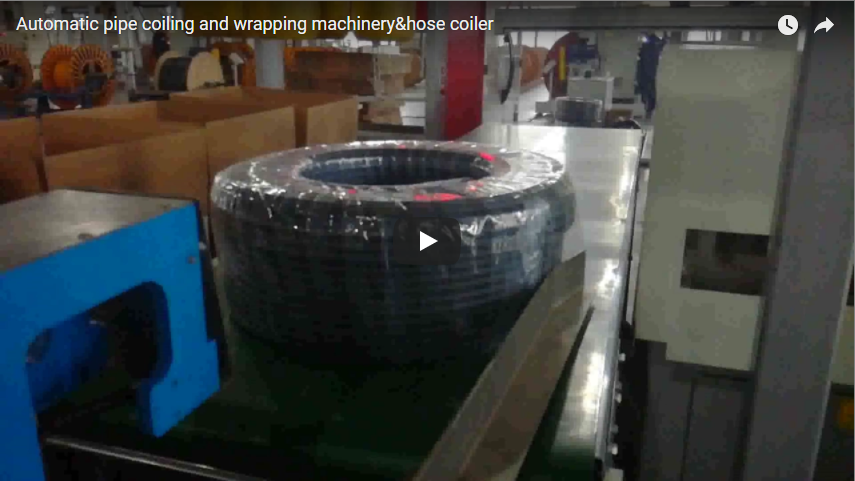
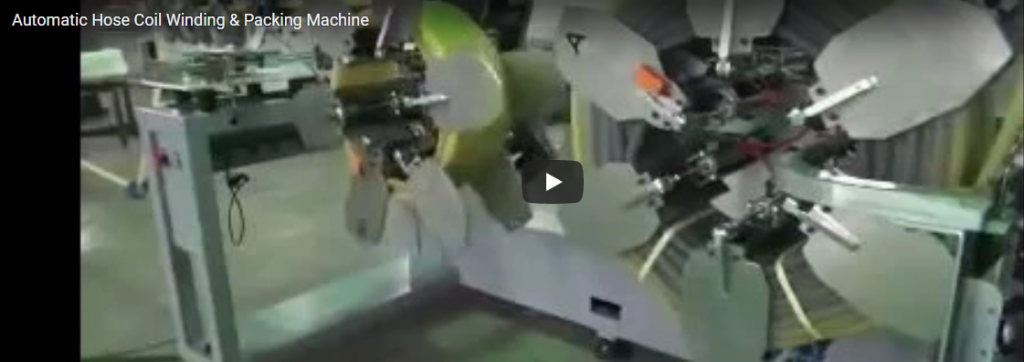
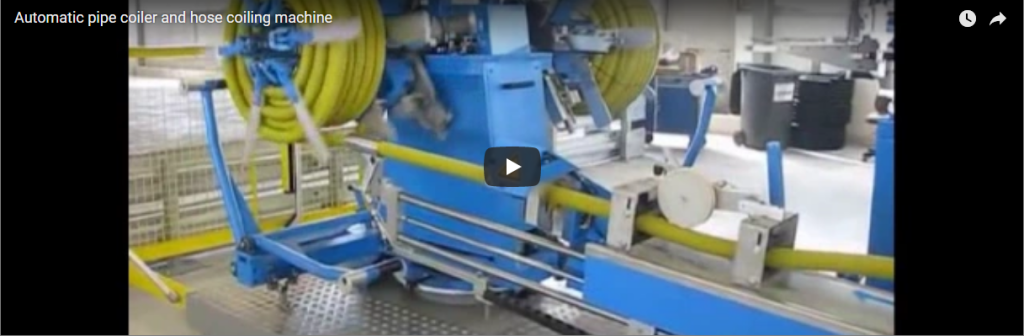
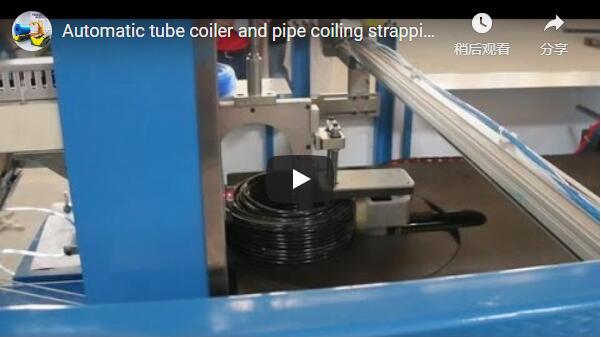
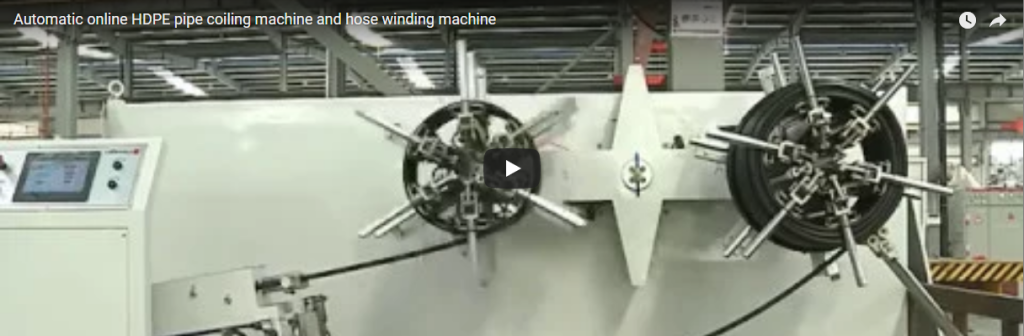
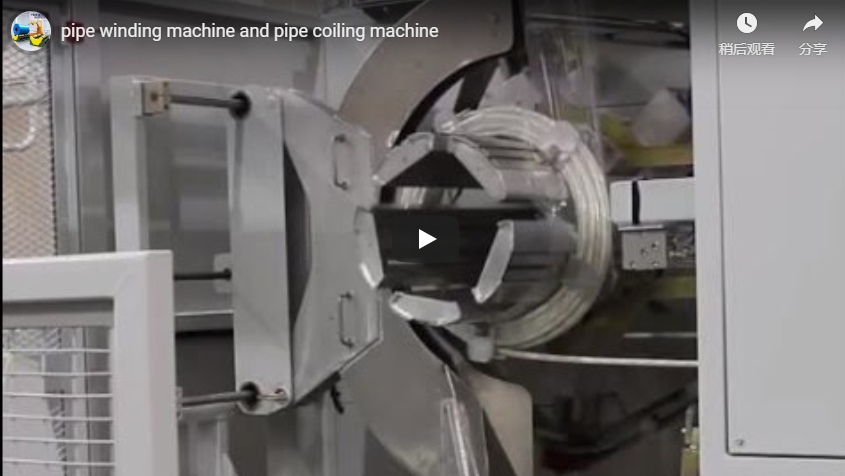
Our footage shows an automatic cable wire strapping machine strapping short length coils. It is a general demonstration, so your coil range and strap plan are confirmed with us per project.
Selection checklist
| Question | Confirm per project |
|---|---|
| Coil range | short lengths |
| Feed | precision hold |
| Strap | head and tension |
| Guides | anti-tangle |
| Flow | line interface |
| Electrical supply | voltage, phase and frequency on site |
Operation and safety
Run the recipe from the panel and the machine feeds, positions, straps and releases each coil automatically. Keep clear of the feed mechanism, holds and strapping head while the machine runs, with guarding and emergency stops at the operator position. Routine checks cover the feed, positioning guides, strapping head, sensors and outfeed, per the machine manual. Confirm the coil settings against the cable before each run so short coils strap cleanly.
Engineering FAQ
Q: What makes short coils hard to strap? A: Short, flexible lengths do not hold their shape, so they tangle or misalign before strapping.
Q: What is precision feeding? A: A mechanism positions each coil accurately, so it is where the strap can close on it.
Q: How is tangle prevented? A: The coil is held and guided from feed to strap, keeping the flexible ends under control.
Q: What does the strapping head do? A: It tensions and seals a consistent strap around each positioned coil.
Q: Can it keep up with the line? A: The feed, strap and outfeed run as one flow at line pace, confirmed per project.
Next step
- Email us at info@fhopepack.com with your coil range, straps and volumes.
- We send a short coil strapping proposal and a layout drawing within 48 hours.
- We arrange a site survey to confirm coil range and line flow.
Related reading
- Automatic cable wire coil winding strapping and packing machine
- Automatic cable wire coil winding and packing line
- Auto cable coiling and wrapping with film
- FHOPE packing machinery product lines
Sources and standards
- ISO 12100:2010 Safety of machinery, general principles for design and risk assessment
- EN 415-10:2014 Safety of packaging machines, general requirements
- EN ISO 13849-1:2023 Safety of machinery, safety-related parts of control systems
FHOPE short length coil strapping machine demonstration video. Reviewed as a general demonstration; coil range confirmed per project.
Last reviewed: 2026-10-10