Executive summary
Small electronic products need packaging that keeps up with fast lines and keeps the product clean, and hand bagging cannot do either at volume. An autobag machine opens a poly bag from a roll, drops in the product, seals the bag, and can print and label on the way through. We build autobag machines for 3C electronics packing lines. Product range and bag plan are confirmed per project.
Table of Contents
Why 3C lines need automated bagging
Consumer electronics, communications and computer products move in high volume, and each unit has to arrive protected, traceable and correctly counted. Manual bagging is slow, uses inconsistent bag use, and cannot keep up with fast electronics lines without extra hands. Automated bagging removes the hand from the loop, so the product is bagged, sealed and coded at line pace. For 3C lots, that is what turns bagging from a bottleneck into part of the flow.
What an autobag machine does
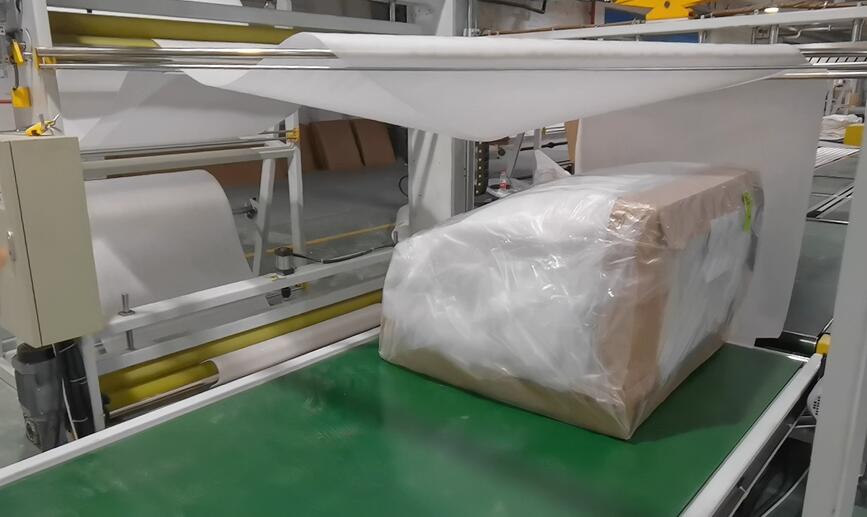
An autobag machine places products into pre-opened poly bags from a roll, seals each bag and can combine labeling or printing as the unit moves through. The machine does in one flow what hand operations spread over several stations: open, load, close and mark. Because the steps run together, each product leaves in the same bag, with the same seal and the same print, run after run. Bag size, film and line speed are confirmed per project.
Product infeed and counting
Products enter the machine by manual or automated infeed, through conveyors, counters or robotic placement, and the machine counts each unit into its own bag. Counting on a packaging machine matters in 3C, where the customer is owed an exact count per package. Infeed design follows the product and the pace, confirmed per project, so the product arriving at the bag is the product leaving it. Consistent infeed is what keeps the machine from double-bagging or running empty.
Opening the bag from the roll
The machine draws the next bag from a roll of pre-opened bags, opens it and presents it to the infeed. Running bags from a roll keeps the bag supply continuous, so the machine does not stop to reload a stack. The bags are opened at the mouth and presented square, which is what a clean drop needs. Bag width and the roll format follow the product and volumes, confirmed per project.
Sealing and printing
Many autobag machines carry labeling or coding in the same flow, applying barcodes, dates or product information to the bag, confirmed per project.
After the product drops, the bag is sealed to close the package, and printing can mark the bag as it runs. Sealing closes the unit cleanly for handling and sale, while printing puts the identity on the package without a separate labeling stop. Seal and print settings follow the bag material and the marking needed, confirmed per project. A sealed, printed bag is the finished unit the customer receives.
Keeping pace with the line
On high-volume electronics lines, the bagger has to match the surrounding machinery, or the line slows to the slowest station. The machine is sized so infeed, bag feed, sealing and marking keep up with the product flow, converting the incoming rate into finished bags. The line interface and cycle are confirmed per project, including the sensors that let the machine follow the product rather than guess. That match is what keeps bagging invisible in the flow.
Typical configuration
Figures below list functional design boundaries rather than numeric values, and are confirmed per project.
| Parameter | Typical range, confirmed per project |
|---|---|
| Product | dimensions, count per bag |
| Bag | width, film grade |
| Infeed | manual or line-fed |
| Seal | per bag material |
| Marking | print or label option |
| Electrical supply | 380 V three phase 50 Hz, or 220 V single phase for light machines, selected per project |
What the video shows
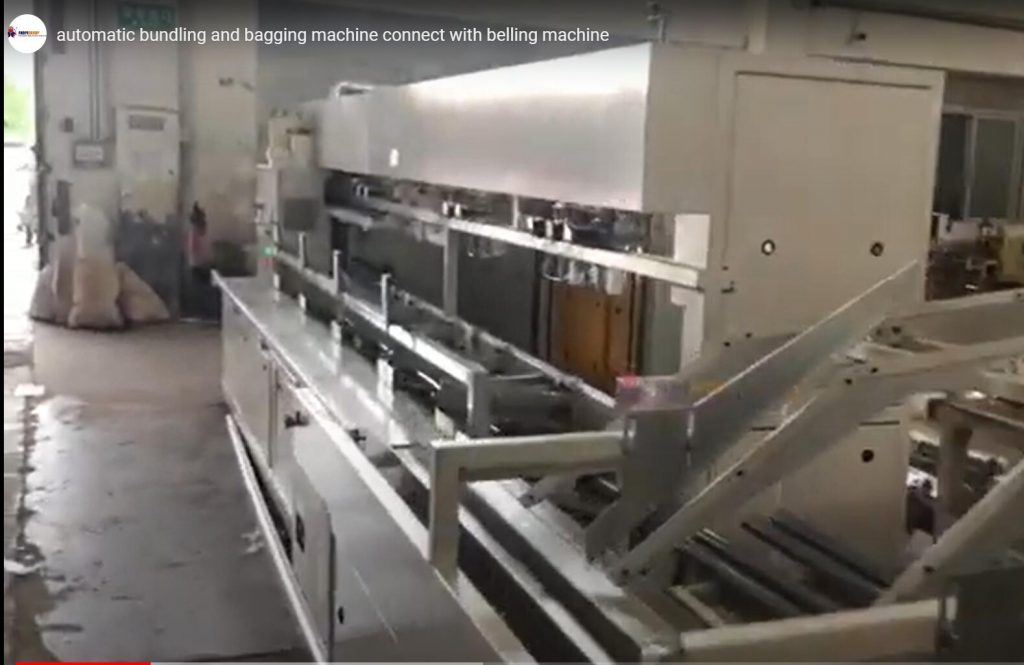
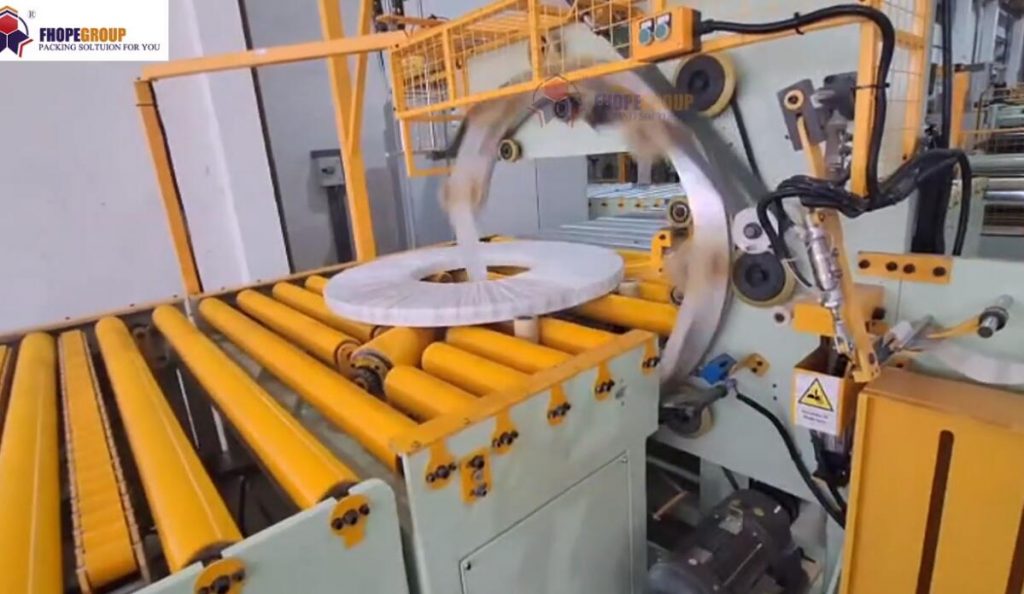
Our footage shows an autobag machine bagging electronic products on a line. It is a general demonstration, so your product range and bag plan are confirmed with us per project.
Selection checklist
| Question | Confirm per project |
|---|---|
| Product range | size and count |
| Bag | width and film |
| Infeed | manual or line-fed |
| Sealing | bag material |
| Marking | print or label |
| Electrical supply | voltage, phase and frequency on site |
Operation and safety
Run the recipe from the panel and the machine draws a bag, drops in the product, seals and marks it in sequence. Keep clear of the bag feed, sealing bar and infeed while the machine runs, with guarding and emergency stops at the operator position. Routine checks cover the bag roll feed, infeed sensors, sealing bar, print unit and controls, per the machine manual. Check the bag roll and print supply before each shift so bagging never stops mid-lot.
Engineering FAQ
Q: What does an autobag machine do? A: It opens a bag from a roll, drops in the product, seals the bag and can print or label it.
Q: How is the product counted? A: Infeed counts each unit into its own bag, keeping the promised count per package.
Q: Do bags come from a roll? A: Yes, pre-opened bags run from a roll so the supply is continuous.
Q: Can it print on the bag? A: Printing and labeling can be built into the flow, making the package traceable.
Q: How is nothing missed on a fast line? A: Sensors and sized infeed keep the bagger at the pace of the surrounding line, per project.
Next step
- Email us at info@fhopepack.com with your product range, bags and volumes.
- We send an autobag proposal and a layout drawing within 48 hours.
- We arrange a site survey to confirm product range and line pace.
Related reading
- Automatic bagging and packing machine for small products
- Automatic film sealing machine for panel and door
- Automatic labeling, sealing and shrinking machine
- FHOPE packing machinery product lines
Sources and standards
- ISO 12100:2010 Safety of machinery, general principles for design and risk assessment
- EN 415-10:2014 Safety of packaging machines, general requirements
- EN ISO 13849-1:2023 Safety of machinery, safety-related parts of control systems
FHOPE autobag machine demonstration video. Reviewed as a general demonstration; product range confirmed per project.
Last reviewed: 2026-10-10