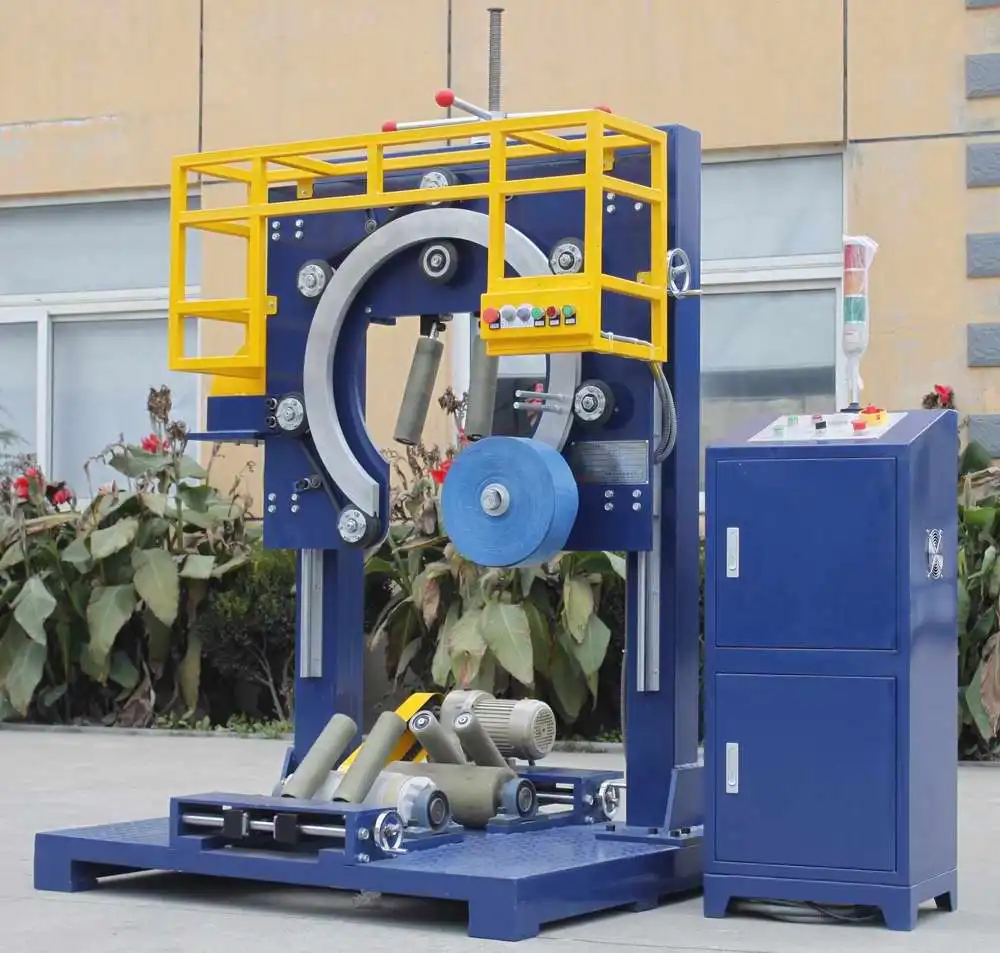
Semi-Automatic and Fully Automatic Steel Coil Packing Lines Difference
Compare semi-automatic vs. fully automatic steel coil packing lines. This guide analyzes technical differences in automation levels, operational workflows, and output capacities to help you determine the most cost-effective packaging solution for your steel production facility.

Semi-Automatic and Fully Automatic Steel Coil Packing Lines Difference
The Differences Between Semi-Automatic and Fully Automatic Steel Coil Packing Lines
As industries like automotive, construction, and manufacturing continue to evolve, steel coil packaging systems are becoming an essential part of the supply chain. Proper packaging is critical to ensure products reach their destination safely, whether you are handling massive industrial coils or smaller electrical components.
When investing in a packaging solution, businesses must choose between a semi-automatic or a fully automatic line. Both offer significant benefits, but their impact on efficiency, cost, and labor differs greatly.
1. System Overviews
Semi-Automatic Packing Lines: Designed to automate parts of the process while requiring manual intervention. Operators typically load coils, initiate wrapping cycles, or perform final quality checks.
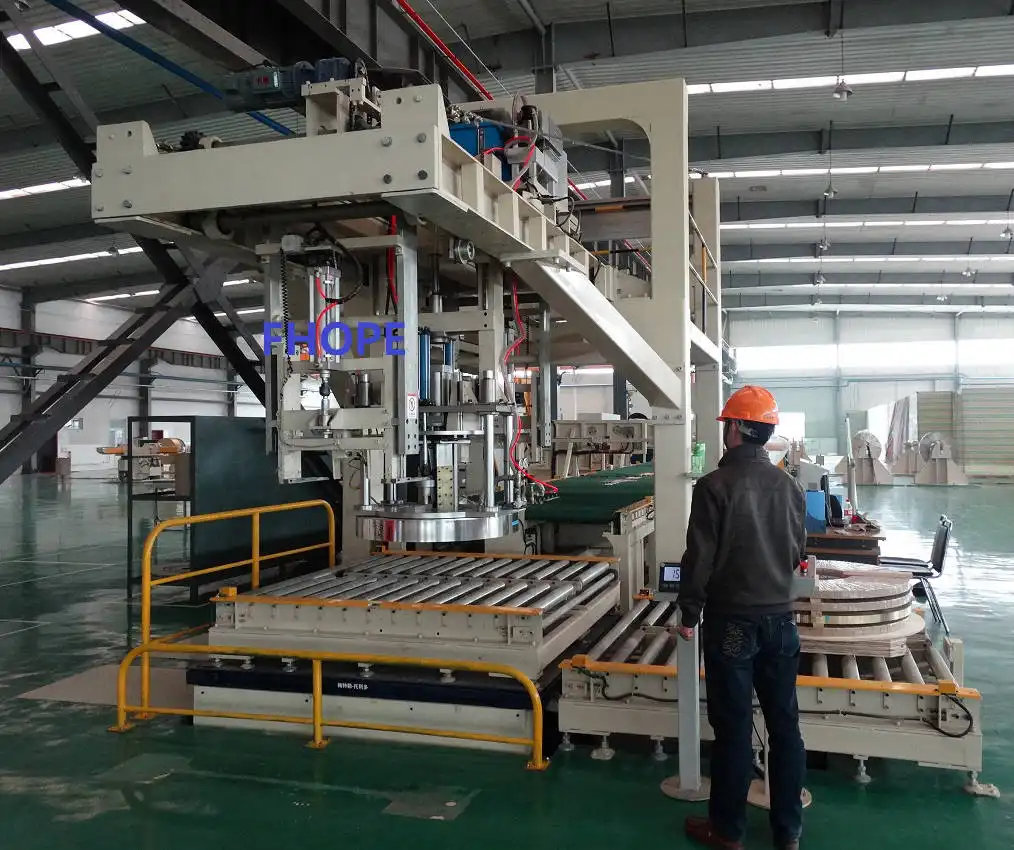
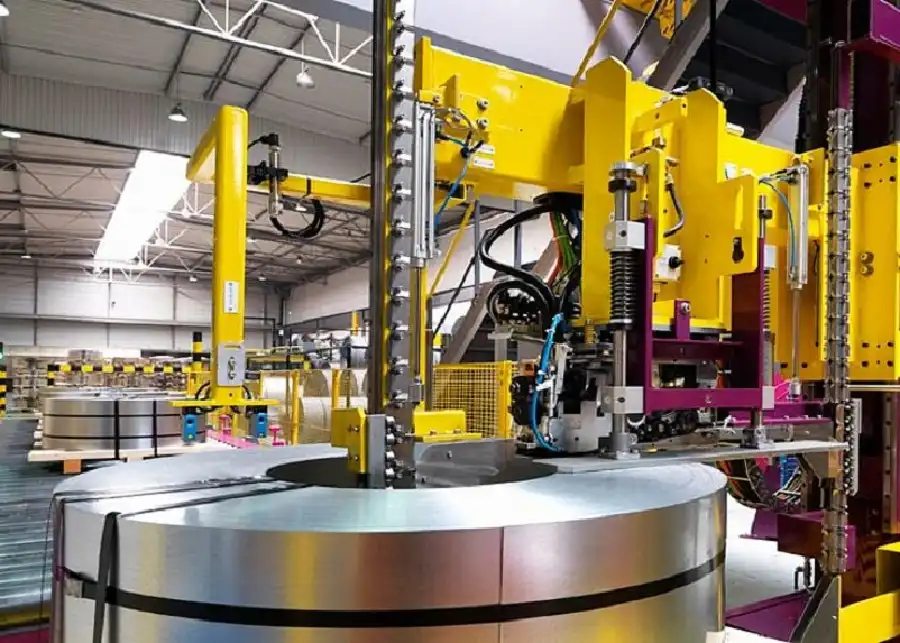
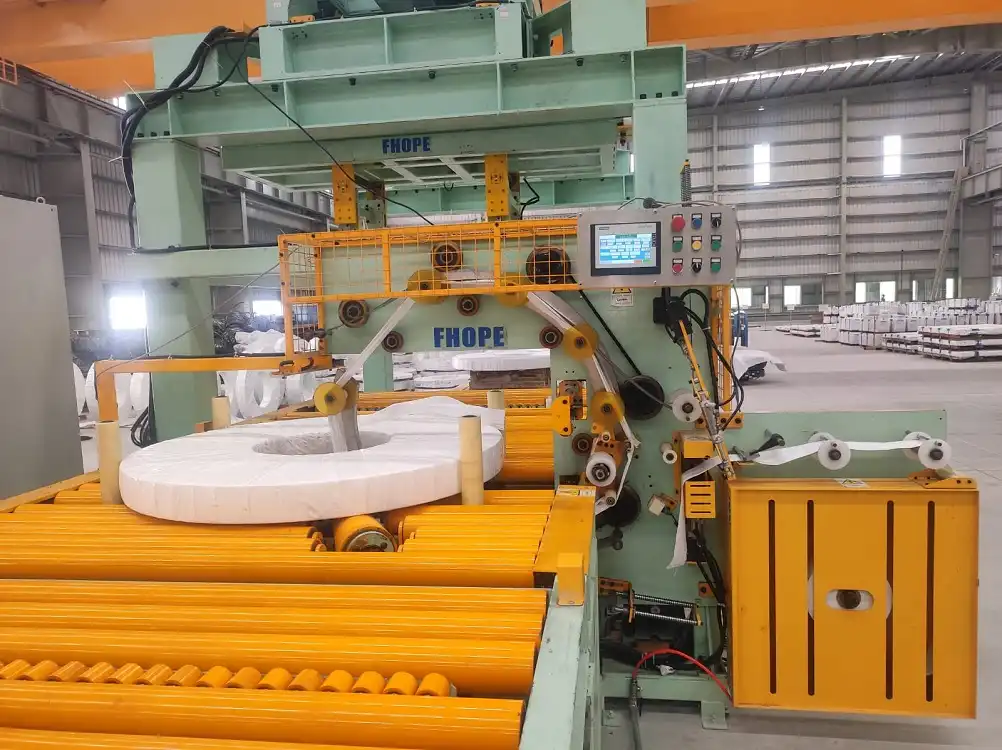
Fully Automatic Packing Lines: These handle the entire process autonomously—from loading and wrapping to strapping and unloading—using advanced PLC controls and robotics.
2. Key Technical Differences
| Feature | Semi-Automatic | Fully Automatic |
|---|---|---|
| Automation Level | Operator-assisted | Hands-free autonomous |
| Speed & Efficiency | Moderate / Variable | High-speed / Consistent |
| Initial Cost | Lower upfront investment | Higher upfront investment |
| Maintenance | Simple mechanical upkeep | Predictive & sensor-based |
3. Labor and Cost Considerations
Labor Savings: Fully automatic systems significantly reduce long-term operational costs by eliminating the need for manual operators. Conversely, semi-automatic lines require ongoing labor for coil positioning and machine initiation.
Error Reduction: Human error is a factor in semi-automatic setups. Fully automatic systems ensure 100% packaging consistency, which is vital for high-value products subject to strict quality standards.
4. Space and Flexibility
Space Requirements: Semi-automatic machines usually have a smaller footprint, making them ideal for facilities with limited floor space. Fully automatic lines require more infrastructure, including integrated conveyors and safety zones.
Customization: If your facility handles a highly diverse range of coil sizes with frequent changes, the manual control of a semi-automatic system offers greater immediate flexibility.
Conclusion: Which Should You Choose?
The decision depends on your production volume and budget. Choose a semi-automatic system for lower-volume operations requiring high flexibility. Opt for a fully automatic line if you prioritize high-speed efficiency, consistent quality, and long-term labor savings.
Visual Details
Click to enlarge
Click to enlarge
Click to enlarge
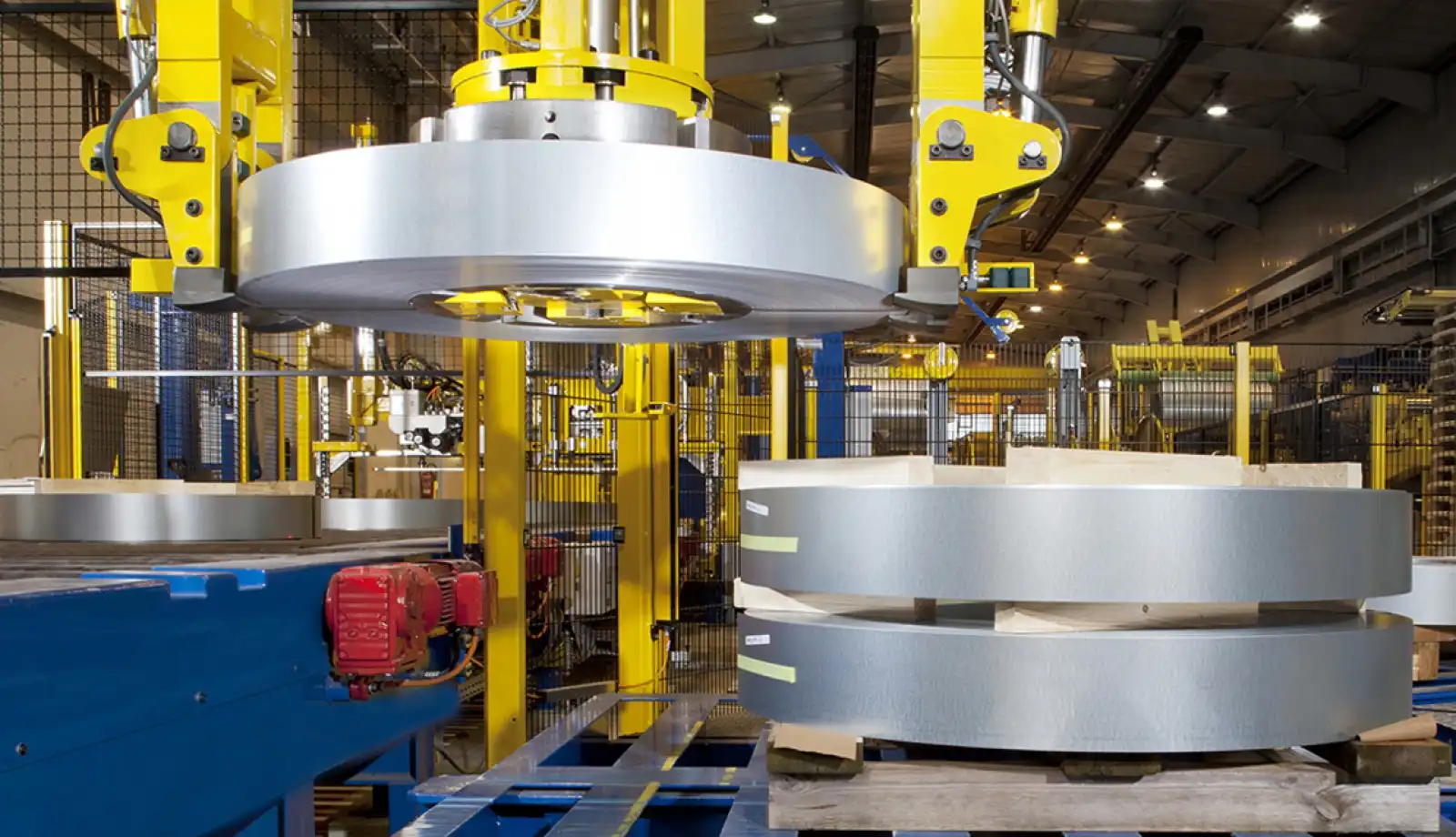
Click to enlarge
Watch How It Works
Discover how our automated packaging solutions optimize your production line efficiency. This video demonstrates the seamless operation designed for maximum protection.
Trusted by Steel Mills & Industry Leaders
Global manufacturers rely on FHOPE heavy duty packaging equipment


Ready to optimize your packaging line?
Get a custom quote with ROI analysis. Our engineers respond within 24 hours.
- Free layout design
- Global installation support
- 2-year warranty included
Your information is secure and will never be shared.
Related Machines

Total Cost of Ownership for a Steel Coil Wrapping Machine
View Details →
Customized Coil Packing Lines Achieve 90% Less Labor
View Details →
Copper Coil Packing Line Series - Complete Automated Packagin
View Details →
Coil Wrapping Machine For Pipe Coil
View Details →
Data Integration for Automatic Coil Packing Lines with ERP/ME
View Details →
Turnkey Solution: Fully Automated Coil Slitting and Packing L
View Details →
Guide of the Coil Car for Integrating the Coil Rewinder with
View Details →
How to prevent coils being picked up missed together in coil
View Details →
Packaging Line Of Metal Rolls And Coils
View Details →
Metal Coil Wrapper Machine In India
View Details →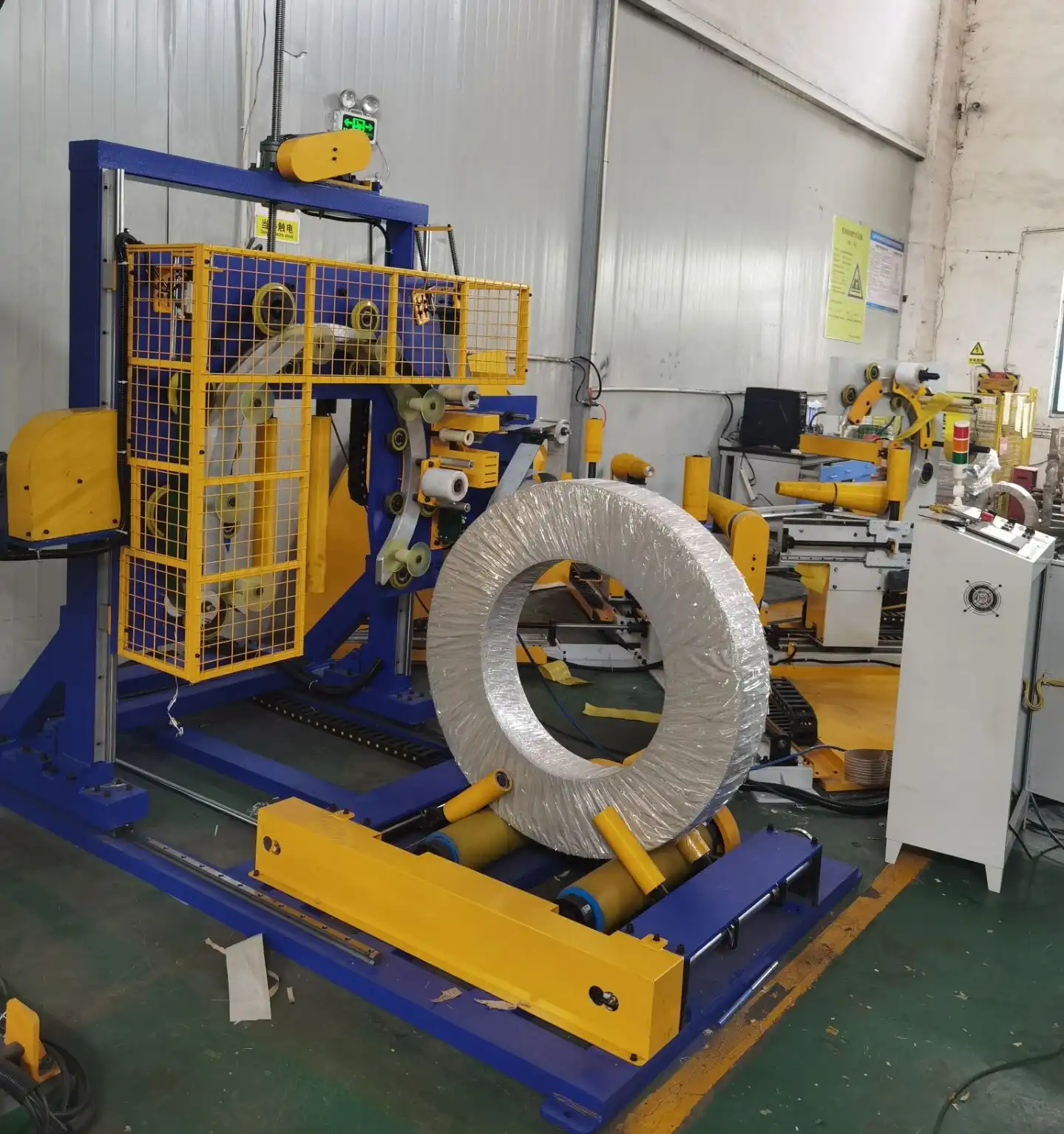
Coil Wrapping Machine In Vietnam
View Details →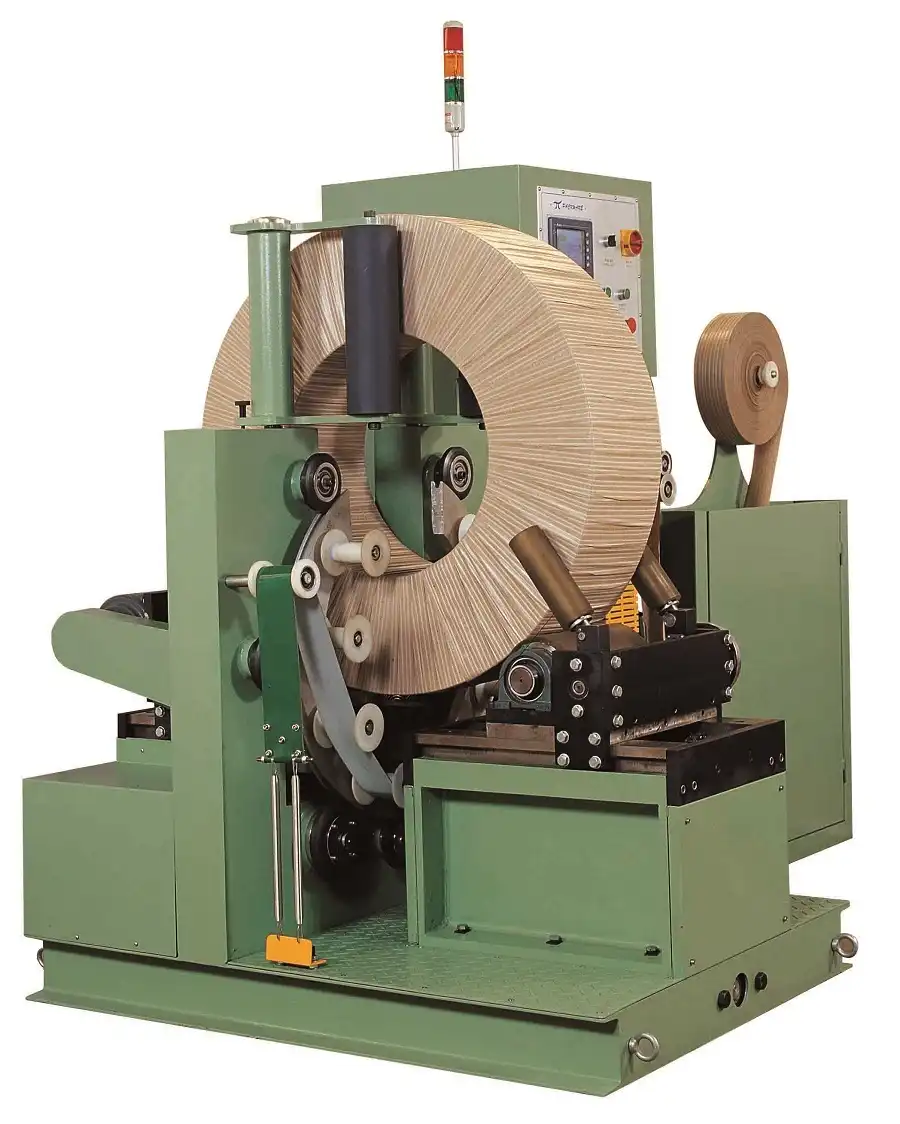
Coil Wrapping Machine In Thailand
View Details →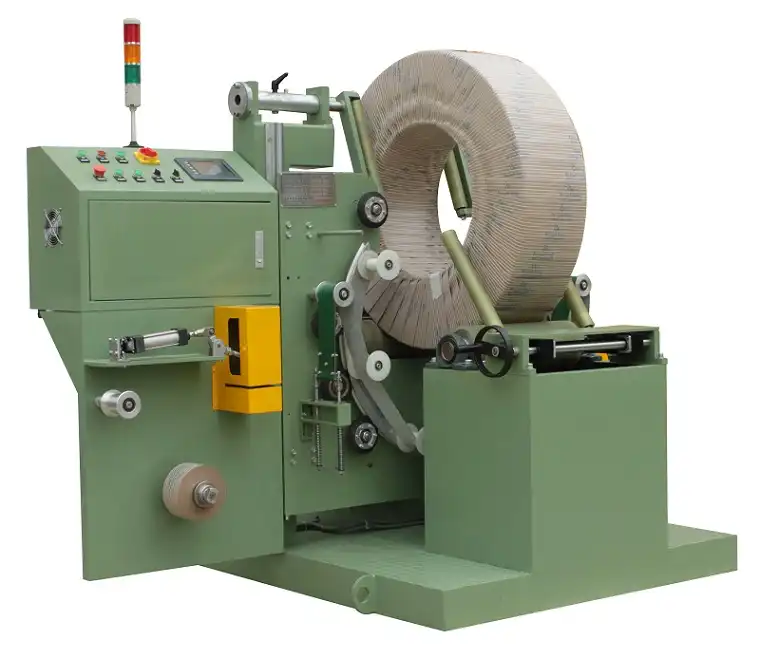
Coil Wrapping Machine In Singapore
View Details →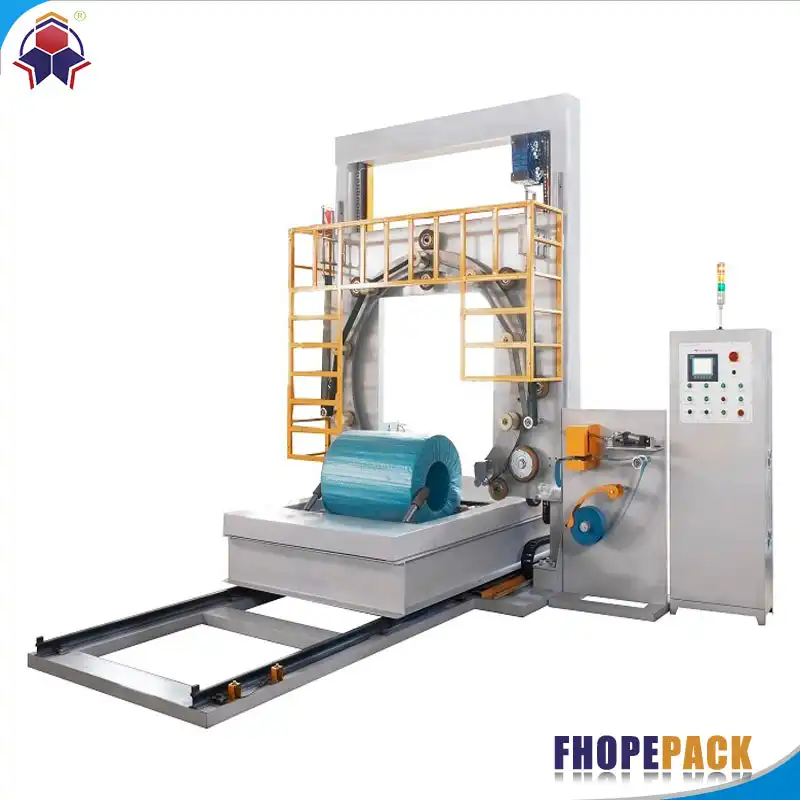
Coil Wrapping Machine In Philippines
View Details →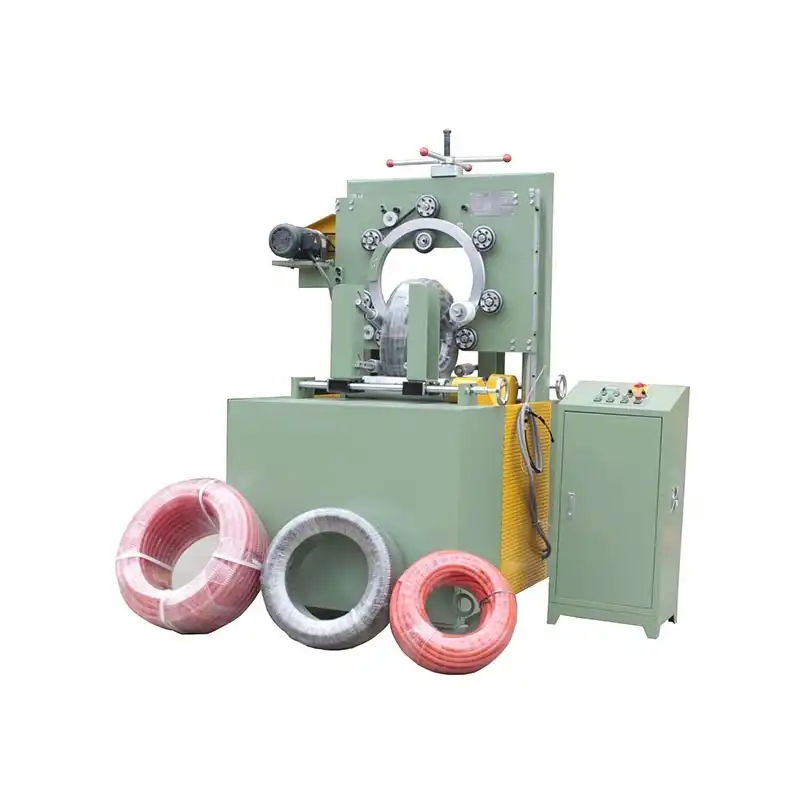
Coil Wrapping Machine In Malaysia
View Details →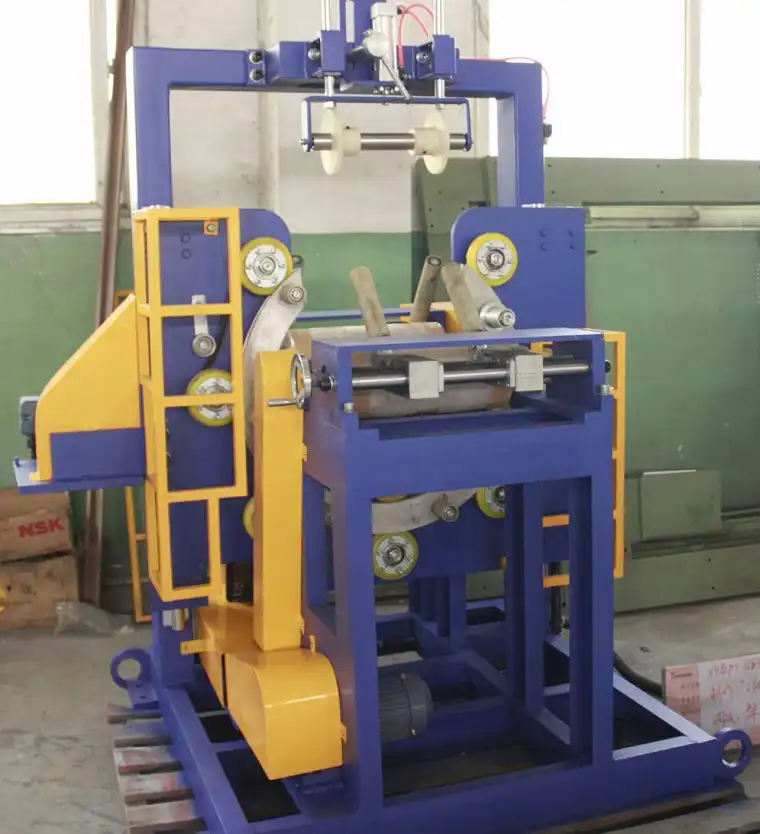
Coil Wrapping Machine In Indonesia
View Details →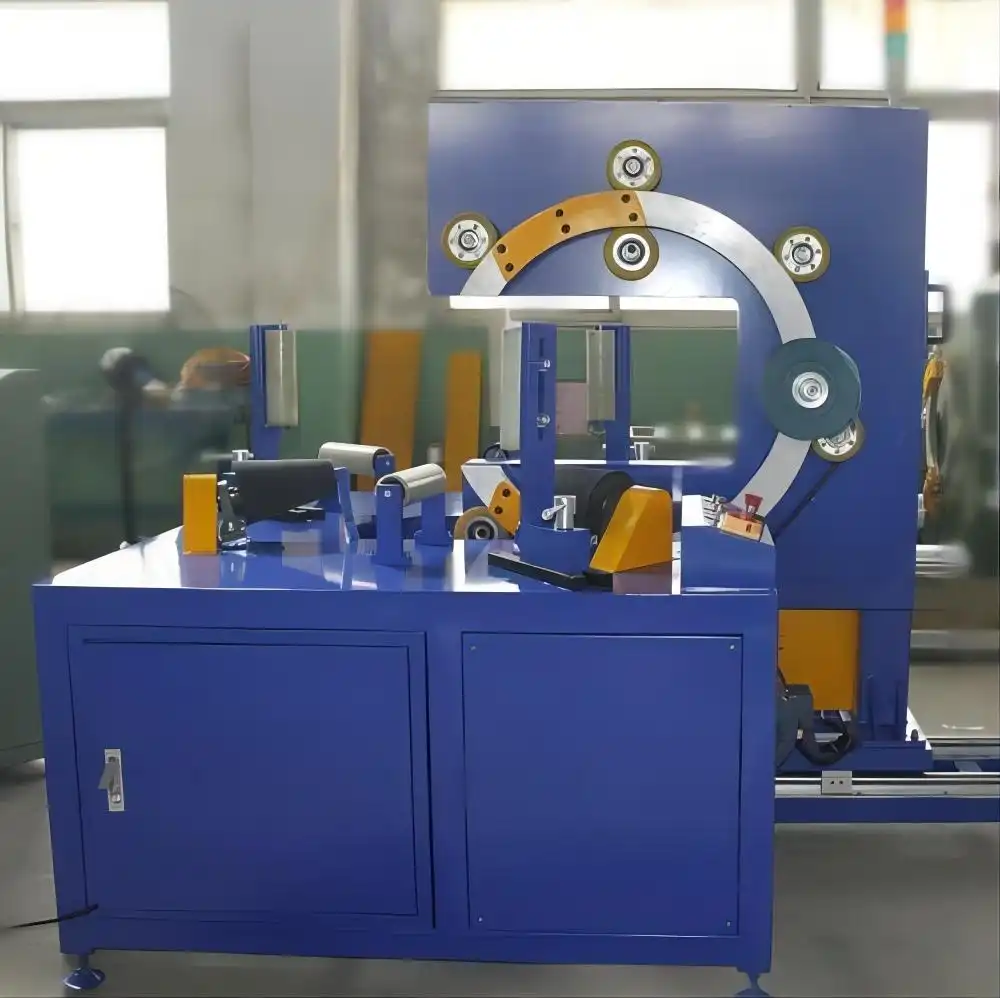
Coil Wrapping Machine In Venezuela
View Details →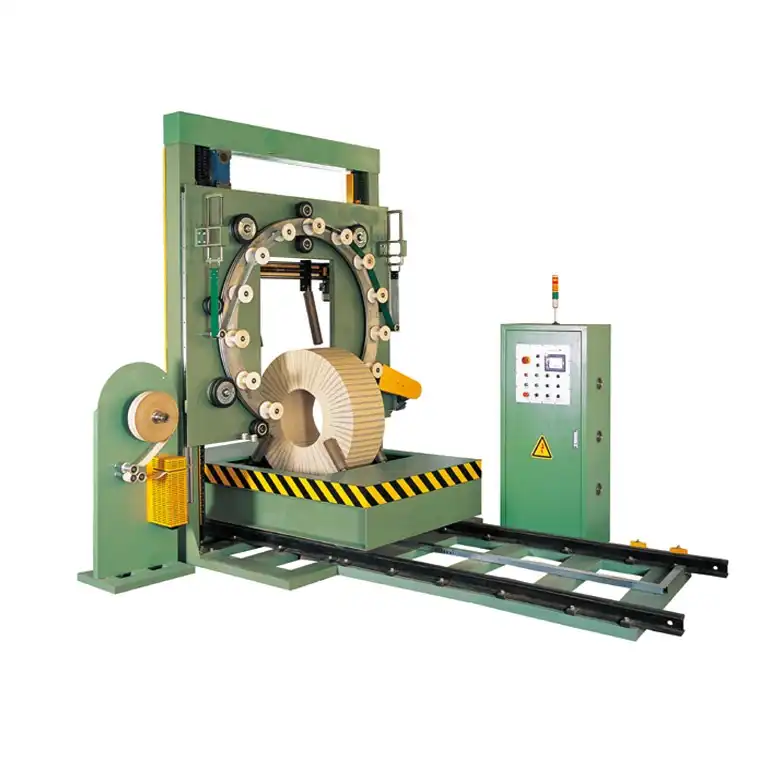
Coil Wrapping Machine In Uruguay
View Details →
Coil Wrapping Machine In Peru
View Details →