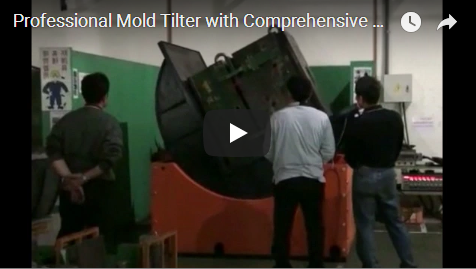
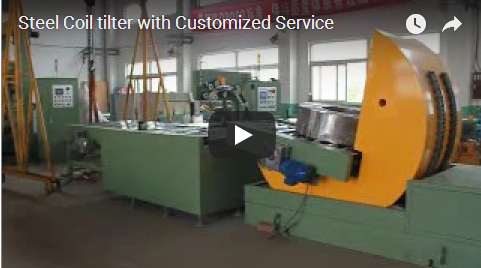
Handling heavy paper rolls safely requires specialized equipment. Paper roll upenders and tilters automate orientation changes, reducing injuries and boosting productivity in mills, printing houses, and distribution centers.
🛠️ Optimizing Roll Handling: The Strategic Role of Paper Roll Upenders and Tilters in Industrial Operations
Handling large, heavy paper rolls presents significant logistical and safety challenges across numerous industrial sectors—from paper mills and printing houses to converting plants and distribution centers. Manual or improper handling methods can lead to costly product damage, operational bottlenecks, and serious workplace injuries. Paper roll upenders and tilters represent a critical engineering control, designed specifically to mitigate these risks and enhance workflow efficiency.
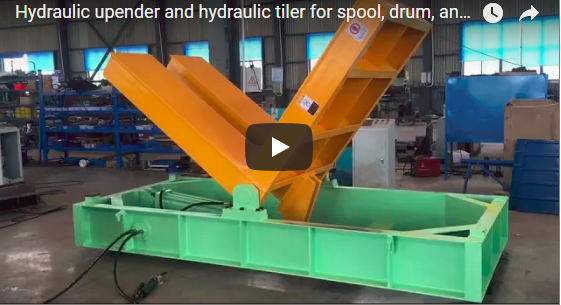
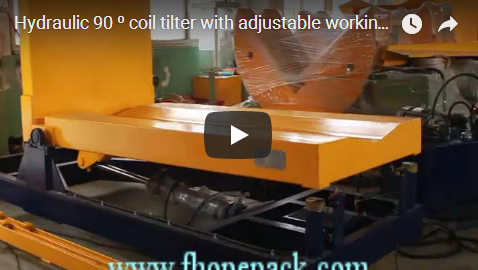
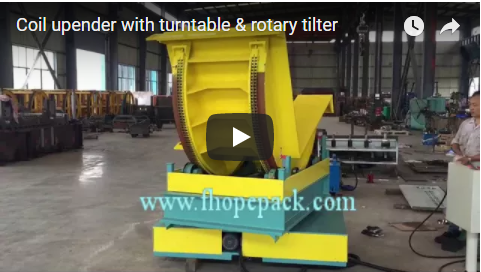
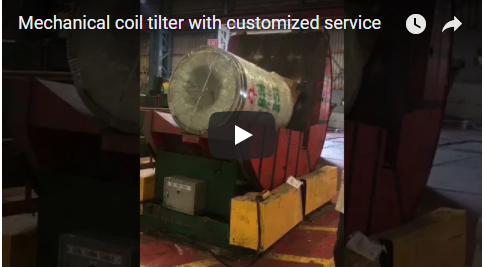
This equipment, often referred to interchangeably as paper roll tippers or flippers, provides a controlled, mechanized solution for rotating cylindrical loads—primarily paper rolls—between horizontal (eye-to-sky) and vertical (eye-to-horizon) orientations. This capability is essential for integrating rolls into various stages of production, storage, and transportation.
📈 Advancing Efficiency and Safety in Roll Manipulation
The core function of a paper roll upender/tilter is to mechanize the reorientation process, thereby eliminating hazardous manual lifting and maneuvering tasks. Research published in journals like the International Journal of Industrial Ergonomics consistently highlights the high risk of musculoskeletal disorders associated with manual handling of heavy loads. By automating this process, these machines directly address these ergonomic concerns.
Key Operational Benefits
-
🛡️ Enhanced Safety: Dramatically reduces the risk of crush injuries, strains, and other accidents associated with manual roll handling, contributing to compliance with OSHA guidelines and improving overall workplace safety metrics.
-
⚡ Increased Productivity: Streamlines the transition of rolls between processes (e.g., from storage to unwinding stands, printing presses, or converting lines), minimizing cycle times and boosting throughput. Integration with conveyor systems can further automate the workflow.
-
📦 Product Integrity Protection: Ensures gentle handling, preventing costly damage to roll edges, cores, and surfaces (scuffing, telescoping) that can occur with manual methods or improper equipment use. This directly impacts material yield and reduces waste.
-
🔧 Operational Versatility: Capable of handling a wide range of roll diameters, widths, and weights, offering flexibility for diverse production requirements. Many designs can also be adapted for other cylindrical materials like film or foil rolls.
Expert Pro Tip: When selecting a paper roll upender, prioritize models with PLC integration and safety interlocks. This not only ensures compliance with ANSI/PMMI B155.1 or ISO standards but also reduces long-term maintenance costs by up to 30% through predictive diagnostics.
⚙️ Technical Specifications and Design Considerations
Modern paper roll upenders are robustly engineered systems, typically utilizing electro-hydraulic or electro-mechanical actuation for smooth, controlled tilting motion. Below are the key design elements and specifications:
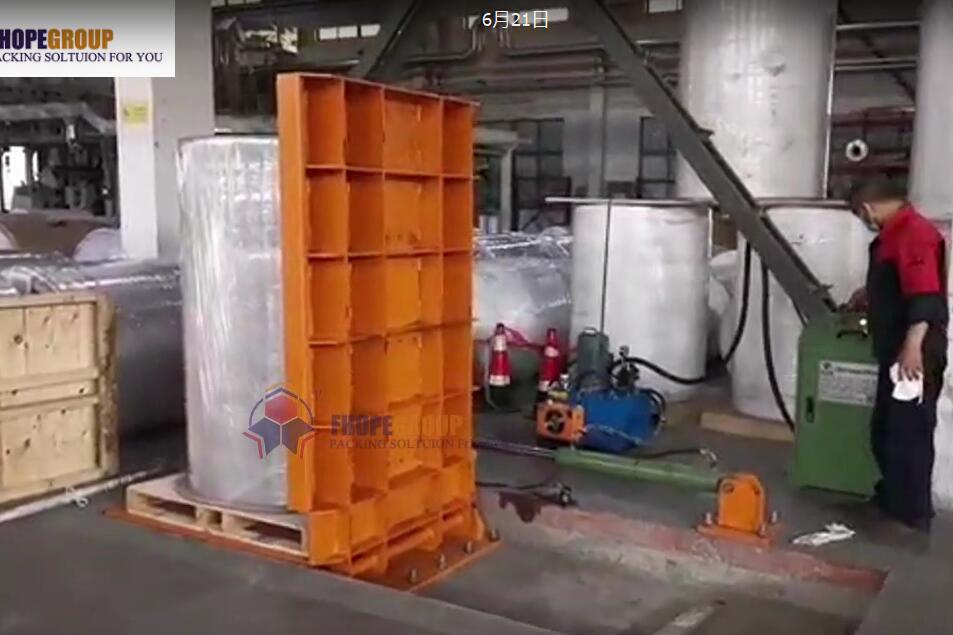
Core Technical Parameters
| Specification | Range/Options | Application Impact |
|---|---|---|
| Load Capacity | 1–10+ tons | Matches production volume requirements |
| Roll Diameter | Up to 2500mm | Accommodates standard and oversized rolls |
| Roll Width | Up to 3000mm | Supports wide-format printing and converting |
| Platform Type | V-Saddle / Flat / Powered Conveyor | Determines compatibility with existing lines |
| Tilting Angle | 90° (standard), custom options | Flexibility for specialized workflows |
| Control System | Pendant / PLC with safety interlocks | Automation level and operator safety |
| Construction | Heavy-duty welded steel | Durability in demanding environments |
| Safety Features | E-stop, velocity fuses, pressure relief, light curtains | OSHA/ISO compliance |
Platform Design Options
| Platform Type | Best For | Key Advantage |
|---|---|---|
| V-Saddle | Horizontal rolls | Stable support, prevents rolling |
| Flat Platform | Palletized or varied loads | Maximum versatility |
| Powered Conveyor Top | Automated production lines | Seamless integration, reduced manual intervention |
Safety Compliance Standards
-
Emergency Stop Systems: Immediate shutdown capability
-
Hydraulic Velocity Fuses: Prevents uncontrolled descent
-
Pressure Relief Valves: Protects against over-pressurization
-
Perimeter Guarding / Light Curtains: Optional operator protection zones
-
Standards Adherence: ANSI/PMMI B155.1, ISO 12100, OSHA 1910.212
🎯 ROI Insight: Why Invest in Automated Roll Handling?
ROI Insight: Facilities that transition from manual to automated roll handling typically see a 40–60% reduction in product damage and a 25% increase in throughput within the first 12 months. When factoring in reduced workers’ compensation claims and lower waste rates, the payback period averages 18–24 months for mid-volume operations.
📋 Frequently Asked Questions (FAQ)
What is the difference between a paper roll upender and a tilter?
The terms are often used interchangeably. Both rotate paper rolls between horizontal and vertical orientations. “Upender” typically emphasizes the 90° flip action, while “tilter” may refer to variable-angle systems.
What weight capacities are available?
Standard models range from 1 ton to 10+ tons. Custom configurations can accommodate specialized requirements for oversized or ultra-heavy rolls.
Can these machines integrate with existing conveyor systems?
Yes. Many models feature powered conveyor tops and PLC integration capabilities, allowing seamless connection to automated production lines and warehouse management systems.
What safety standards do paper roll upenders comply with?
Reputable manufacturers design equipment to meet ANSI/PMMI B155.1, ISO 12100, and OSHA 1910.212 standards. Key safety features include emergency stops, hydraulic velocity fuses, and optional light curtains.
How long is the typical payback period?
Based on industry data, facilities typically achieve ROI within 18–24 months through reduced product damage, lower labor costs, and decreased workers’ compensation claims.
Can the equipment handle materials other than paper rolls?
Yes. Many upender/tilter designs can be adapted for film rolls, foil rolls, textile rolls, and other cylindrical materials with similar handling requirements.
Ready to optimize your roll handling operations? Contact our engineering team for a customized assessment and quote tailored to your facility’s specific requirements.