Summary: Automatic pallet stretch wrappers secure loads faster than manual methods, reducing film waste by 40%. These systems integrate PLC controls for consistent tension and safety. Ideal for logistics units seeking ISO-compliant packaging solutions.
Mastering Load Containment with Automatic Pallet Stretch Wrappers
Automatic pallet stretch wrappers secure goods faster than manual methods, reducing film waste by up to 40%. These systems integrate PLC controls for consistent tension and enhanced safety. Ideal for logistics units seeking ISO-compliant packaging solutions.
In today’s fast-paced logistics and manufacturing environments, ensuring palletized goods arrive securely is paramount. Manual wrapping is often inconsistent, labor-intensive, and leads to unnecessary film waste. Automatic pallet stretch wrappers offer a robust solution. They significantly boost efficiency and improve load containment.
Safety on the shop floor improves when machines handle heavy loads. Let’s dive into the operational advantages. We will examine the technical specifications of these essential machines. The shift from manual to automatic is not just about speed. It is about reliability.
Expert Pro Tip: Always verify the turntable load capacity matches your heaviest pallet. Overloading causes motor burnout and voids warranties.
1. Understanding the Automatic Pallet Stretch Wrapper
An automatic pallet stretch wrapper automates film application using a rotating turntable and vertical film carriage. Unlike semi-automatic models, it manages the entire sequence without operator intervention.
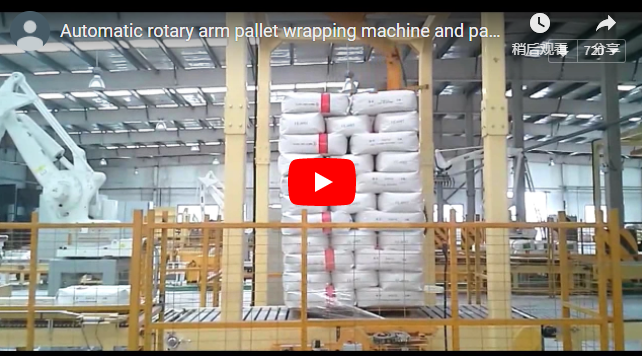
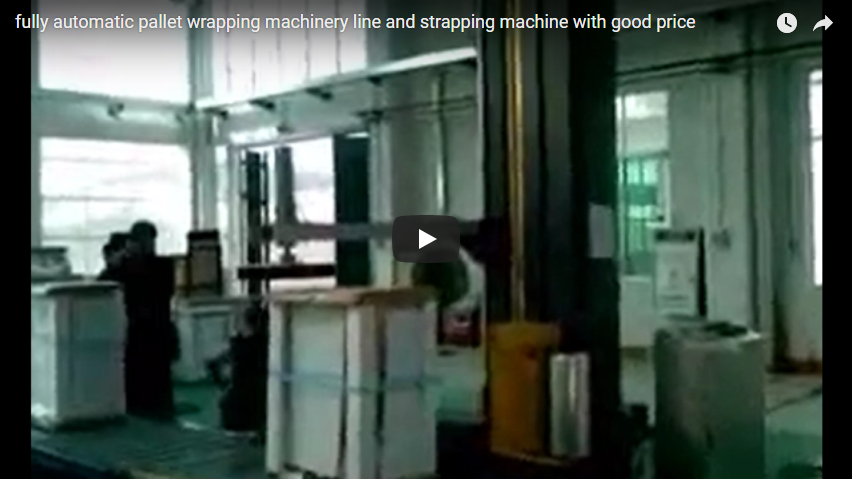
At its core, an automatic pallet stretch wrapper is designed to secure loads on pallets. Turntable models are common in warehouses and production facilities. Unlike its semi-automatic counterparts where an operator initiates the cycle, a fully automatic system manages the entire wrapping sequence. It often integrates seamlessly with conveyor lines.
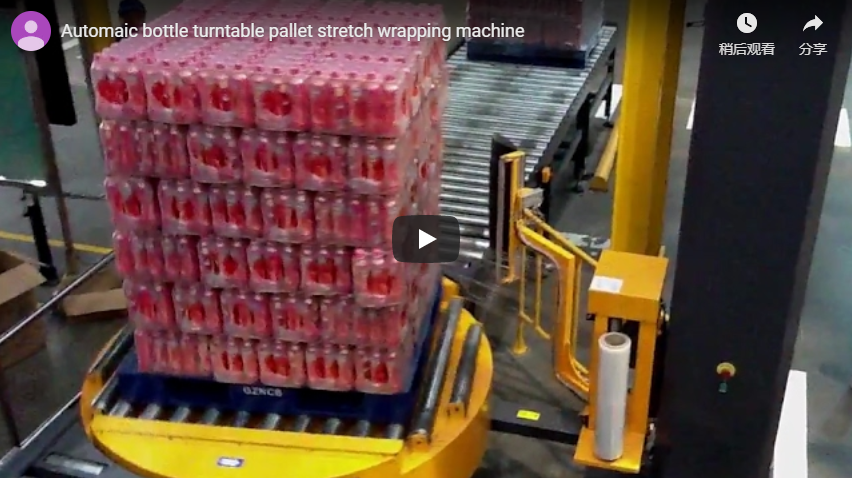
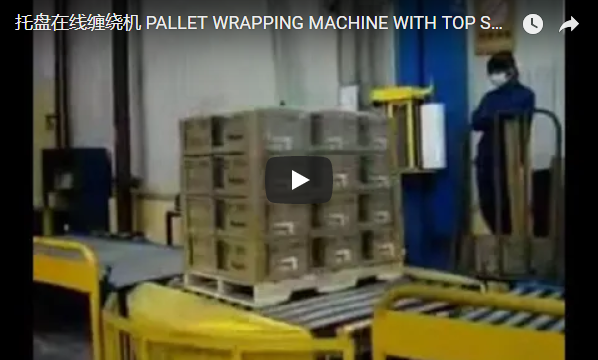
The typical configuration involves a rotating turntable. The pallet is placed on it. A film carriage mast moves vertically. As the turntable spins, the film carriage applies stretch film. This follows pre-programmed patterns. This ensures consistent wrap quality and optimal load containment for every pallet.
Manual wrapping relies on human strength. Machines rely on precise tension control. This difference defines load stability during shipping. A loose wrap leads to shifted goods. A tight wrap crushes products. The machine finds the balance.
ROI Insight: Calculate film savings using
$ \text{Savings} = (\text{Manual Usage} - \text{Auto Usage}) \times \text{Film Cost} $. Pre-stretch technology reduces usage significantly.
2. Key Operational Features & Economic Benefits
Powered pre-stretch carriages maximize film efficiency by stretching film up to 250% before application. This feature directly translates into cost savings and reduced environmental impact.
From our experience on the floor, the real value lies in precision. Features offer more than just automation. They provide economic benefits.
-
Programmable Logic Controller (PLC) with Touch Screen: This is the brain of the operation. Operators set wrap parameters via an intuitive touch screen. They recall settings for different load types. This allows for quick adaptation. It ensures repeatability. No two wraps differ significantly.
-
Powered Pre-Stretch Film Carriage: This is critical for maximizing film efficiency. By stretching the film before it’s applied, systems use less film. Usage drops compared to manual wrapping. This translates directly into cost savings. It reduces environmental impact.
-
Consistent Tension Control: Maintaining correct film tension is vital. Automatic wrappers provide precise, electronically controlled tension. This prevents film breaks. It stops loads shifting due to loose wrapping. Stability is guaranteed.
-
Variable Speed Drives: Control over turntable rotation speed matters. Film carriage ascent/descent speed allows fine-tuning. Delicate loads need slow wraps. Heavy loads need speed. Flexibility is key.
-
Safety First: Equipped with emergency stop buttons. Safety fencing interlocks protect operators. Sensors detect obstructions. These machines prioritize operator safety. Compliance with OSHA standards is easier.
Film Efficiency Comparison
| Feature | Manual Wrapping | Semi-Auto Wrapper | Fully-Auto Wrapper |
|---|---|---|---|
| Pre-Stretch Ratio | 0% | 150% | 250% |
| Film Usage per Pallet | High | Medium | Low |
| Labor Requirement | 1 Operator | 1 Operator (Partial) | 0 Operators (Integrated) |
| Consistency | Low | Medium | High |
| Safety Risk | High | Medium | Low |
The table shows clear advantages. Fully automatic systems lead in efficiency. But they require higher initial investment. The ROI justifies the cost over time.
Expert Pro Tip: Use high-performance LLDPE film for pre-stretch carriages. Standard film may break under 250% tension.
3. Technical Specifications Overview
Typical specifications include 220V power requirements, PLC control systems, and maximum pallet heights of 2200mm. Machines can be customized to meet specific application needs.
The following parameters represent typical specifications for our automatic turntable stretch wrappers. However, machines can be customized. For exact specifications matching your application needs, please contact us directly.
We adhere to CE and ISO 9001 standards. Manufacturing quality is verified. Every unit undergoes testing before shipping. Origin is Made in China. International shipping options are available.
Standard Machine Parameters
| Parameter | Specification | Notes |
|---|---|---|
| Machine Type | Automatic Turntable Pallet Stretch Wrapper | Heavy-duty steel frame |
| Year of Manufacture | 2023 (New Condition) | Latest PLC firmware |
| Max Pallet Length | 1200mm | Standard Euro/ISO pallets |
| Max Pallet Width | 1200mm | Adjustable turntable |
| Max Pallet Height | 2200mm | Customizable mast height |
| Wrapping Performance | Up to 30 wraps per minute | Depends on load height |
| Film Compatibility | LLDPE Stretch Film | Various thicknesses |
| Pre-Stretch Ratio | 200-250% | Variable options available |
| Power Requirements | 220V, 50Hz, Single Phase | Or customized 380V |
| Machine Length | 2500mm | Includes conveyor interface |
| Machine Width | 1500mm | Safety fencing excluded |
| Machine Height | 2500mm | Ceiling clearance needed |
| Machine Weight | 1000kg | Stable base required |
| Control System | PLC with Touch Screen HMI | Multi-language support |
| Drive System | Electric Motors | VFD controlled |
| Safety Features | Emergency Stop, Cut-off Sensors | Optional Safety Fencing |
| Warranty | 2 years | Parts and labor |
| Certification | CE, ISO 9001 | Export compliant |
Power requirements vary by region. We customize voltage to match local grids. Drive systems use electric motors for cleanliness. Hydraulic systems are an option for heavy lifting. But electric is standard for wrappers.
Safety features include emergency stops. Cut-off sensors prevent film waste. Optional safety fencing meets industrial regulations. Warranty covers 2 years. This ensures peace of mind.
ROI Insight:
$ \text{Payback Period} = \frac{\text{Machine Cost}}{\text{Monthly Labor Savings} + \text{Monthly Film Savings}} $. Most units pay back in 12 months.
4. Integration into Automated Packaging Lines
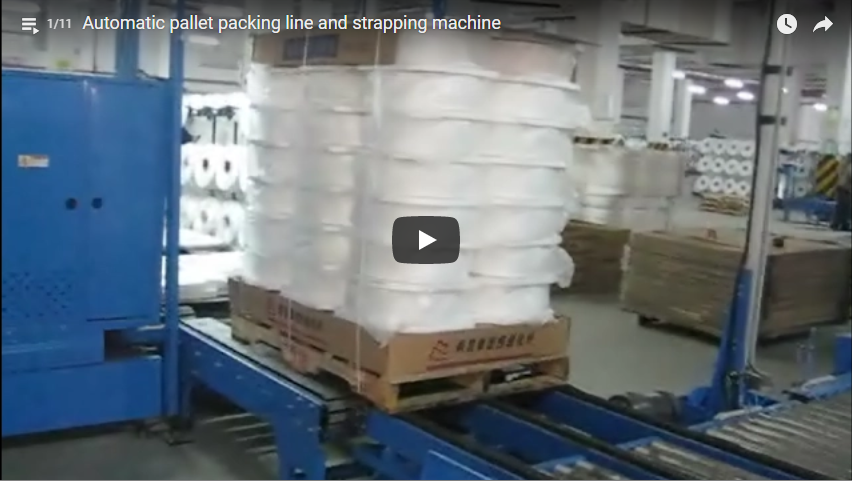
Fully automatic wrappers integrate seamlessly with conveyor systems, creating a continuous packaging line. This reduces manual handling and increases throughput significantly.
A standalone machine is useful. But a system is powerful. Integrating the wrapper into a Packing line creates flow. Pallets move from filling to wrapping without stopping.
Conveyor systems feed the turntable. Photoelectric sensors detect pallet arrival. The wrapper starts automatically. After wrapping, the pallet exits. This reduces labor costs. One operator can manage multiple lines.
Also, consider Pallet changers or Pallet inverters. These devices swap damaged pallets before wrapping. They ensure only stable bases enter the wrapper. This complements the wrapping process.
For long items, Orbital stretch wrappers are used. But for standard pallets, turntables remain the industry standard. Do not confuse the two. Orbital machines wrap pipes. Turntables wrap pallets.
Expert Pro Tip: Install accumulation tables before the wrapper. This buffers production spikes and prevents line jams.
5. Safety Standards and Compliance
Compliance with ISO 13849 and CE directives ensures operator safety and legal market access. Regular safety audits prevent accidents and maintain insurance coverage.
Industrial machinery must meet strict standards. ISO 13849 covers safety-related parts of control systems. CE marking confirms compliance with European health standards. OSHA guidelines apply in the US.
Our machines include safety fencing interlocks. If the fence opens, the machine stops. Emergency stop buttons are placed at accessible points. Sensors detect obstructions in the wrap zone.
Regular maintenance ensures safety features work. Lubricate moving parts. Check electrical connections. Inspect film carriage chains. Neglect leads to failure.
Documentation is provided with every unit. Manuals include safety warnings. Training is recommended for operators. Knowledge reduces risk.
Expert Pro Tip: Conduct monthly safety audits. Check emergency stops and sensors. Document findings for compliance records.
6. Maintenance Protocols for Longevity
Regular lubrication of chains and inspection of electrical connections prevents unexpected downtime. A scheduled maintenance plan extends machine life by up to 5 years.
Preventive maintenance is cheaper than repairs. Create a schedule. Daily checks include cleaning the turntable. Remove debris. Check film roll levels.
Weekly checks involve lubricating chains. Inspect the film carriage mast. Look for wear on rollers. Tighten loose bolts.
Monthly checks focus on electrical systems. Check PLC connections. Inspect wiring for damage. Test safety sensors. Ensure they trigger stops correctly.
Annual servicing should be done by professionals. Replace worn parts. Update PLC firmware. Calibrate tension settings. This keeps performance optimal.
ROI Insight: Downtime costs
$ \text{Hourly Rate} \times \text{Hours Lost} $. Preventive maintenance reduces downtime by 90%.
TL;DR: Key Takeaways for Managers
-
Automation: Fully automatic wrappers eliminate manual labor inconsistencies.
-
Savings: Pre-stretch technology reduces film usage by 40%.
-
Safety: PLC controls and sensors protect operators from injury.
-
Integration: Connects with conveyors for continuous packaging lines.
-
Compliance: Meets CE and ISO 9001 standards for global shipping.
-
Support: 2-year warranty covers parts and labor issues.
Pre-Purchase Inspection Checklist
Use this list before signing a contract. Ensure the machine fits your needs.
-
[ ] Load Dimensions: Does the turntable fit your largest pallet?
-
[ ] Power Supply: Is your facility voltage compatible (220V/380V)?
-
[ ] Film Type: Does the carriage support your preferred film brand?
-
[ ] Throughput: Can 30 wraps per minute meet your daily volume?
-
[ ] Safety: Are emergency stops and fencing included in the price?
-
[ ] Warranty: Is the 2-year warranty valid in your region?
-
[ ] Shipping: Are EXW terms clear? Who handles freight?
-
[ ] Training: Is operator training included in the package?
-
[ ] Spare Parts: Is a spare parts kit available for purchase?
-
[ ] Integration: Will it connect to your existing conveyor system?
FAQ: Common Questions About Pallet Wrappers
What is the difference between semi-auto and fully-auto wrappers?
Semi-auto machines require an operator to attach and cut the film. Fully-auto machines do this automatically. Fully-auto systems integrate with conveyors. They need no human intervention during the cycle.
How much film does a pre-stretch carriage save?
Pre-stretch carriages stretch film up to 250%. This reduces film usage by 30-40%. Savings depend on film quality and load stability. High-quality LLDPE film works best.
Can the machine handle unstable loads?
Yes. Variable speed drives allow slow wrapping for unstable loads. Top platen devices can be added. They press down on the load during wrapping. This prevents shifting.
What certifications do these machines carry?
Our machines carry CE and ISO 9001 certifications. This ensures compliance with European and international standards. Safety features meet OSHA guidelines. Documentation is provided upon delivery.
How long is the warranty period?
We offer a standard 2-year warranty. This covers parts and labor. Shipping costs for repairs are negotiated. Extended warranties are available for purchase.
Do you offer customized dimensions?
Yes. We customize turntable sizes and mast heights. Power requirements can be adjusted for different regions. Control systems can be programmed for specific wrap patterns.
What is the lead time for delivery?
Standard machines ship within 30 days. Customized units may take 45-60 days. Shipping time depends on the destination. EXW terms apply from our factory.
Can I integrate this with a pallet inverter?
Yes. A Pallet inverter can be placed before the wrapper. It flips loads to change pallets. This creates a complete packaging solution. Contact us for line design.
Is operator training required?
Training is recommended. Our manuals are detailed. But hands-on training ensures safety. We offer remote or on-site training options. This reduces startup errors.
What maintenance is required daily?
Daily maintenance involves cleaning the turntable. Check film levels. Ensure safety sensors are clean. Remove debris from the wrap zone. This prevents jams and errors.