Executive summary
A bucket full shrinking machine wraps plastic buckets in shrink film and heats the film until it shrinks tight around the body. The operator places each bucket upright on the infeed conveyor, the machine seals the film behind the bucket and carries it through the heat tunnel, and the wrapped bucket leaves on the outfeed side. Bucket size, film width and cycle settings are confirmed per project.
Table of Contents
- Why shrink-wrap buckets
- What it does
- How it works: film feed and heat tunnel
- Cycle and control
- What the footage shows
- Typical configuration
- Selection checklist
- Operation and safety
- Engineering FAQ
- Next step
- Related reading
- Sources and standards
Why shrink-wrap buckets
Plastic buckets and pails for paint, chemicals, food and similar products pick up dust, scratches and smudges while they stand in storage or move between stages. A tight shrink film keeps the bucket clean and masks handling marks until the product reaches its destination.
The machine applies the shrink film in a continuous pass, so each bucket leaves the line sealed and tidy without hand wrapping. Shrink force and film grade are confirmed per project.
What it does
The machine is a shrink wrapping line laid out in a straight run for bucket-shaped products. An infeed conveyor carries each bucket to a sealing station, a heat tunnel shrinks the film onto the body, and the wrapped bucket exits on the outfeed side.
The machine runs one bucket at a time, with the film sealed and shrunk in the same pass. Bucket diameter, height and line speed are confirmed per project.
How it works: film feed and heat tunnel
At the infeed, a heat-seal bar above the conveyor closes on the film behind the bucket, so the film travels with the bucket as a cover. Inside the machine, heating elements warm the film while the conveyor carries the bucket forward, and the film shrinks onto the surface.
The outfeed section takes the wrapped bucket clear of the heat zone, and the control panel on the machine side carries the push buttons and indicator lamps for the line. Heating output and conveyor speed are confirmed per project.
Cycle and control
The operator loads each bucket upright on the infeed conveyor and starts the cycle. The sealing bar closes over the film, the conveyor moves the bucket into the heat tunnel, the film shrinks tight, and the wrapped bucket appears at the outfeed for collection.
The control panel holds the buttons and lamps that start the conveyor and the heat zone. The operator removes the packed bucket at the outfeed before loading the next one, and the cycle then restarts. Cycle time is confirmed per project.
What the footage shows
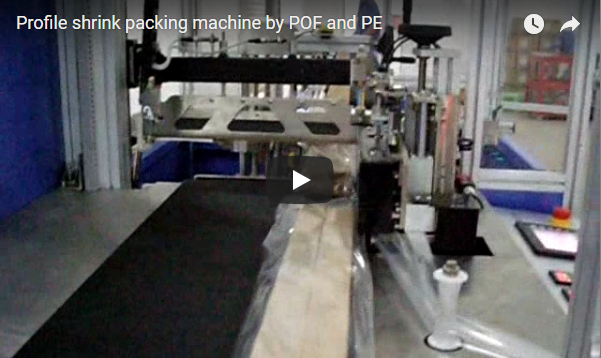
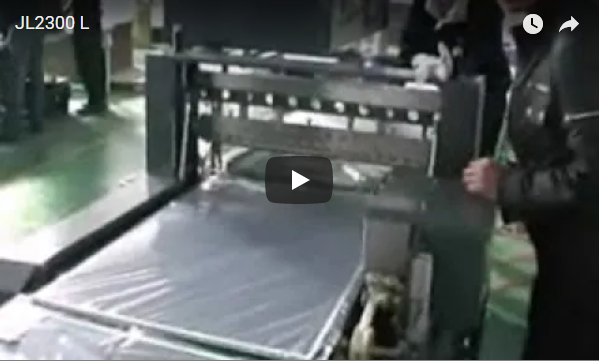
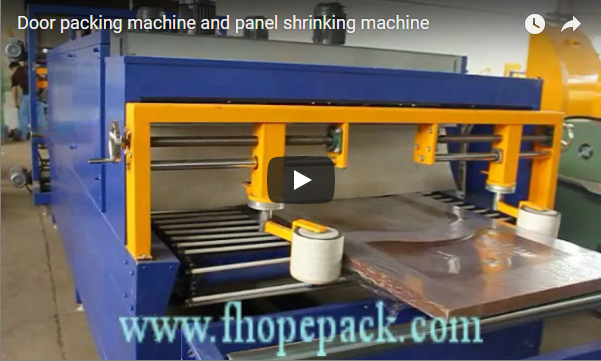
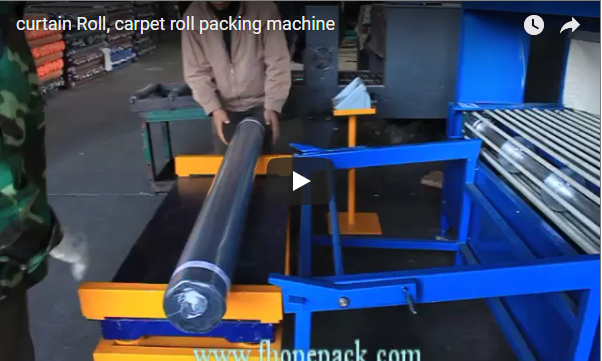
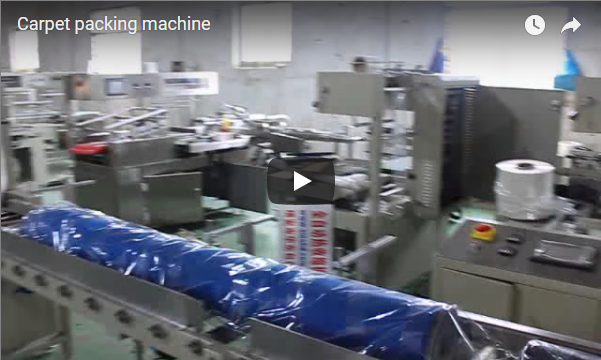
Our footage shows an operator placing white plastic buckets on the infeed conveyor and pushing each one into the line. The sealing bar closes over the film, the bucket travels through the heating unit, and the wrapped bucket leaves the outfeed with the film tight on the body.
Guards at the open ends protect the conveyor area, and a hazard label on the machine warns that surfaces are hot during operation. It is a general demonstration, so your bucket size, film choice and line speed are confirmed with us per project.
Typical configuration
Figures below list functional design boundaries rather than numeric values, and are confirmed per project.
| Parameter | Typical range, confirmed per project |
|---|---|
| Product | plastic buckets and pails standing upright on the infeed |
| Film | transparent shrink film reel, film drawn over and behind the bucket |
| Sealing | heat-seal bar closes on the film at the infeed |
| Shrink | heat tunnel with heating elements shrinks the film onto the body |
| Transfer | infeed conveyor in, outfeed conveyor out |
| Control | push buttons and indicator lamps on the control panel |
| Mount | floor, in line with a filling or capping line |
| Electrical supply | 380 V three phase 50 Hz, or 220 V single phase for light machines, selected per project |
Selection checklist
| Question | Confirm per project |
|---|---|
| Bucket range | diameter, height, fill level, label finish |
| Film | type, width, shrink ratio, print |
| Sealing | bar fit against the bucket profile |
| Cycle | conveyor speed, dwell time in the heat zone |
| Control | panel layout, guarding at both ends |
| Electrical supply | voltage, phase and frequency on site |
Operation and safety
Place the bucket upright on the infeed, start the cycle, and collect the wrapped bucket at the outfeed. Keep hands clear of the sealing bar and the heat tunnel while the machine is running, and allow the heating elements to cool before any cleaning.
Routine checks cover the infeed conveyor, the sealing bar and the film path, per the machine manual. Confirm each bucket is seated before the next cycle starts.
Engineering FAQ
Q: What does this machine do? A: It uses shrink film that is heated until it shrinks tight around the body of the bucket.
Q: How is the film applied? A: A sealing bar closes the film behind the bucket, and the bucket passes through the heating tunnel where the film shrinks onto the surface.
Q: Do we load each bucket by hand? A: The footage shows manual loading at the infeed, which suits most bucket lines, and automatic feeding can be arranged when the line speed requires it.
Q: Can it handle different bucket sizes? A: Yes, bucket diameter and height are set through the per-project confirmation so the infeed, bar and tunnel match your range.
Q: What does it suit? A: It suits plastic buckets and pails that need a clean, tight film as a final step before storage, transport or assembly.
Next step
- Email us at info@fhopepack.com with your bucket size and volume.
- We send a shrink wrapping proposal within 48 hours.
- We confirm the infeed layout and film choice for your buckets.
Related reading
- Bucket Full Shrinking Machine: Solutions for Industry
- Wooden Board Door Plate shrinking packaging machine
- Packaging Equipment: Technology and Best Practices for door
- Sealed packaging of EPS insulation panels by stretch hood bag packing
- bucket sleeve shrink packaging machine
- FHOPE packing machinery product lines
Sources and standards
- ISO 12100:2010 Safety of machinery, general principles for design and risk assessment
- EN 415-10:2014 Safety of packaging machines, general requirements
- EN ISO 13849-1:2023 Safety of machinery, safety-related parts of control systems
FHOPE bucket full shrinking machine demonstration video. Reviewed as a general demonstration; bucket size, film choice and line speed confirmed per project.
Last reviewed: 2026-10-12