Executive summary
A pallet that comes off the line wrapped but not strapped is only half secured, and doing the two steps separately costs handling. This line integrates pallet wrapping and strapping: the pallet is conveyed, stretch wrapped, then strapped, all on one machine line. We build automatic pallet packing and strapping lines for manufacturing and distribution. Pallet range and load plan are confirmed per project.
Table of Contents
- Why pallets need both steps
- What the line integrates
- Conveying the load
- Stretch wrapping
- Strapping the load
- Load security end to end
- Typical configuration
- What the video shows
- Selection checklist
- Operation and safety
- Engineering FAQ
- Next step
- Related reading
- Sources and standards
Why pallets need both steps
Manual and semi-automatic processes for securing palletized goods are a familiar bottleneck, and a wrapped pallet is not a secured pallet until it is also strapped. Wrapping contains the load, while strapping holds the load’s structure against transit movement, and both are needed for the trip. Separating the steps means the pallet is handled twice and the load risk rises between them. An integrated line keeps wrapping and strapping together, and the pallet and load plan are confirmed per project.
What the line integrates
The line runs pallet wrapping and strapping as one cohesive flow: the pallet is conveyed in, stretch wrapped, then strapped by the integrated machine line. Because the steps are integrated, the pallet is not re-handled between wrapping and strapping, and the load is not opened to the floor. Integration improves throughput and load security while it steadies the end of the line. The integrated steps and their order are confirmed per project.
Conveying the load
The pallet is conveyed into the line on a roller or chain conveyor, carried from the wrapping station to the strapping station as one flow. Conveyed movement keeps the load moving without lifting, and it positions the pallet for each station in turn. Conveyor width, speed and elevation follow the pallets and the line, confirmed per project. The conveyor is what turns separate machines into a line.
Stretch wrapping
At the first station the load is stretch wrapped, with film applied around the pallet to contain the goods. Wrapping holds the load together and protects it, and consistent film tension is what makes the wrap even on every pallet. The wrap plan follows the load shape and height, confirmed per project, so the film holds where the load needs it. A wrapped load is ready for its strapping pass without leaving the line.
Strapping the load
After wrapping, the load is strapped by the integrated strapping station, adding the straps that hold the structure. Strapping gives the load its transit strength, keeping the layers from shifting when the pallet moves. The strap positions and tension follow the load and the journey, confirmed per project, so the pallet ships with the pattern that holds. Wrapped and strapped, the load is secured rather than covered.
Load security end to end
End to end, the line produces a pallet that is wrapped and strapped in one pass, with the security in both steps applied consistently. Consistent security is the difference from hand work, where each pallet carries an operator’s uncertainty. The finished load moves out ready for storage or shipment, holding its shape through the handling it sees. Load security requirements are confirmed per project against the transit route.
Typical configuration
Figures below list functional design boundaries rather than numeric values, and are confirmed per project.
| Parameter | Typical range, confirmed per project |
|---|---|
| Pallet | load range |
| Wrap | film plan |
| Straps | positions, tension |
| Convey | line interface |
| Security | transit route |
| Electrical supply | 380 V three phase 50 Hz, or 220 V single phase for light machines, selected per project |
What the video shows
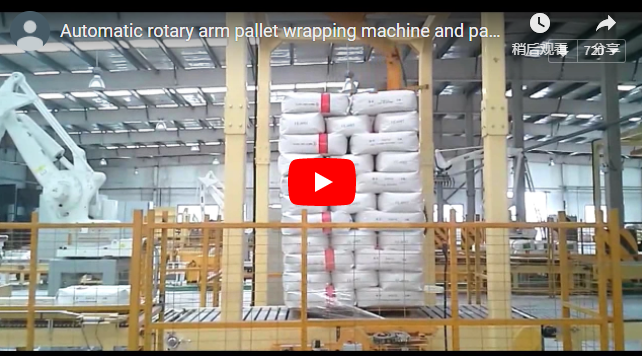
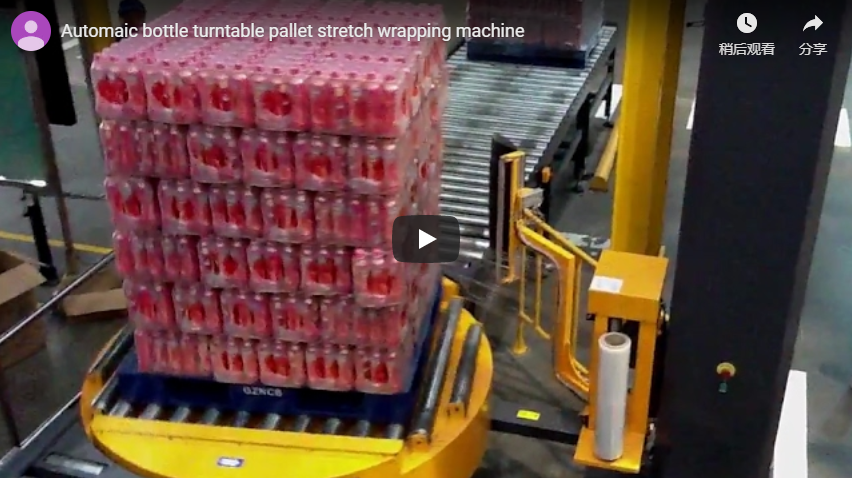
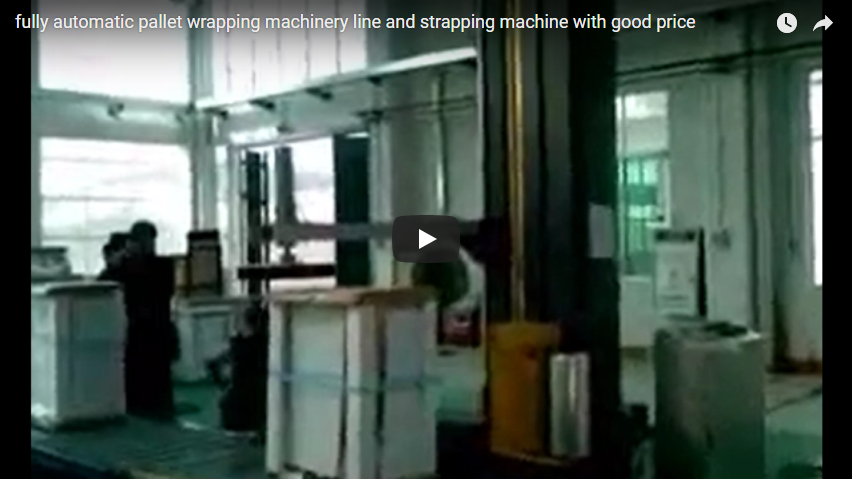
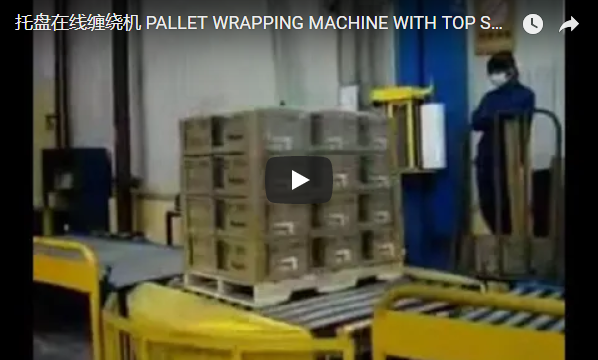
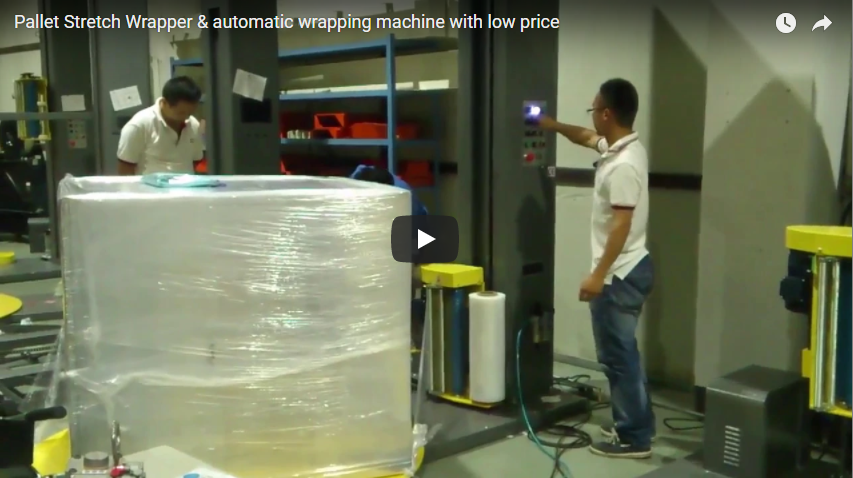
Our footage shows an automatic pallet packing and strapping line conveying, wrapping and strapping a pallet. It is a general demonstration, so your pallet range and load plan are confirmed with us per project.
Selection checklist
| Question | Confirm per project |
|---|---|
| Pallet | load range |
| Wrap | film plan |
| Straps | positions, tension |
| Convey | interface |
| Transit | route needs |
| Electrical supply | voltage, phase and frequency on site |
Operation and safety
Run the line from the panel and it conveys, wraps and straps each pallet automatically. Keep clear of the conveyor, wrap ring, strapping station and transfers while the line runs, with guarding and emergency stops at the operator position. Routine checks cover the conveyor, wrapper, strapping heads, sensors and control, per the machine manual. Confirm the wrap and strap settings against the load before each run so pallets ship secure.
Engineering FAQ
Q: What does this line do? A: It conveys, stretch wraps and straps pallets in one integrated flow.
Q: Why both wrapping and strapping? A: Wrapping contains the load and strapping holds its structure, and both are needed.
Q: How is the pallet moved? A: A conveyor carries the load between the wrapping and strapping stations.
Q: What does integration change? A: The pallet is not re-handled between steps, so load security is steadier.
Q: What comes out? A: A wrapped and strapped pallet, secured and ready for storage or shipment.
Next step
- Email us at info@fhopepack.com with your pallet range, loads and volumes.
- We send a pallet line proposal and a layout drawing within 48 hours.
- We arrange a site survey to confirm pallet range and end-of-line flow.
Related reading
- Automatic pallet wrapping machine: complete guide
- Automatic palletizer and turntable stretch wrapper
- Turntable stretch wrapping machine
- FHOPE packing machinery product lines
Sources and standards
- ISO 12100:2010 Safety of machinery, general principles for design and risk assessment
- EN 415-10:2014 Safety of packaging machines, general requirements
- EN ISO 13849-1:2023 Safety of machinery, safety-related parts of control systems
FHOPE automatic pallet packing and strapping line demonstration video. Reviewed as a general demonstration; pallet range confirmed per project.
Last reviewed: 2026-10-10