Steel Coil & Wire Coil Wrapping Packing Machine | FHOPE

Executive summary: This page helps you decide whether a ring-type (orbital) coil wrapper fits your line, for steel coils or wire-coil products. It explains how the machine wraps a coil, why the wrapping material matters, how much operator involvement to plan for, and the checks that pin a quote down to your coil. The short promo below illustrates the wrap step; treat it as a picture of the work, not as a measure of speed or capacity.

https://www.fhopepack.com/Coil_packing_machine.html

On this page: What this page helps you decide · How a ring-type wrapper wraps a coil · Why the wrapping material matters · Automation and staffing · What the clip shows · Parameters to pin down · Verification checklist · FAQ · Related reading · Next step

What this page helps you decide

A ring-type coil wrapper is one station in a coil packing line: a ring carries a thin wrapping material around a coil body to protect its surface and hold the wound layers in place. Before you buy, three decisions dominate. Whether the machine fits your coil mix, which wrapping material your product needs, and how many operators the layout will ask for.

This page turns each decision into a question you can put to a supplier. It closes with a short verification checklist, the wording to send when you request a quote, and an honest note on what a short promo clip can and cannot show.

How a ring-type wrapper wraps a coil

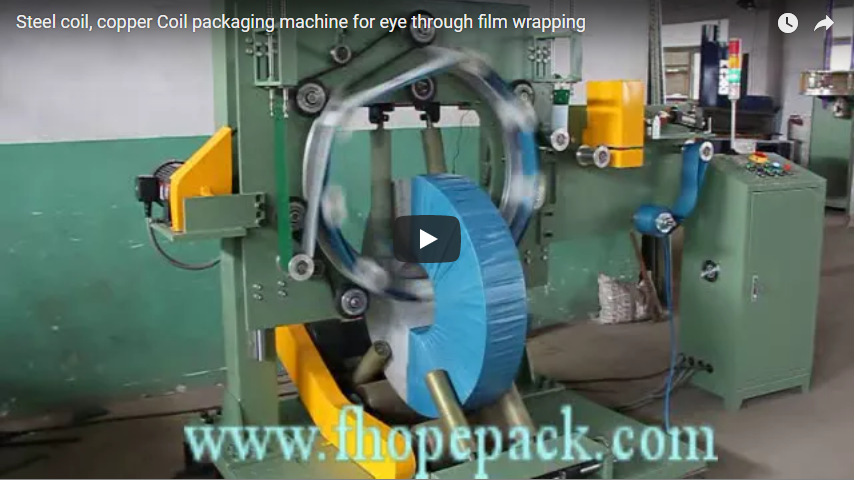
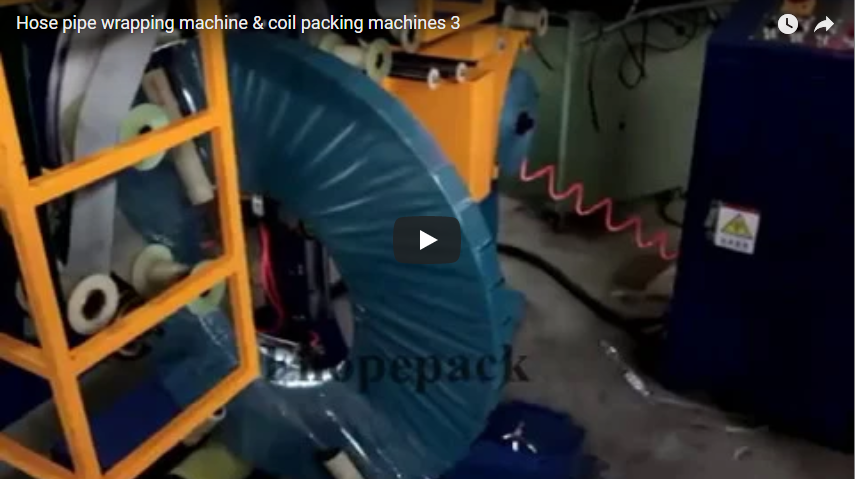
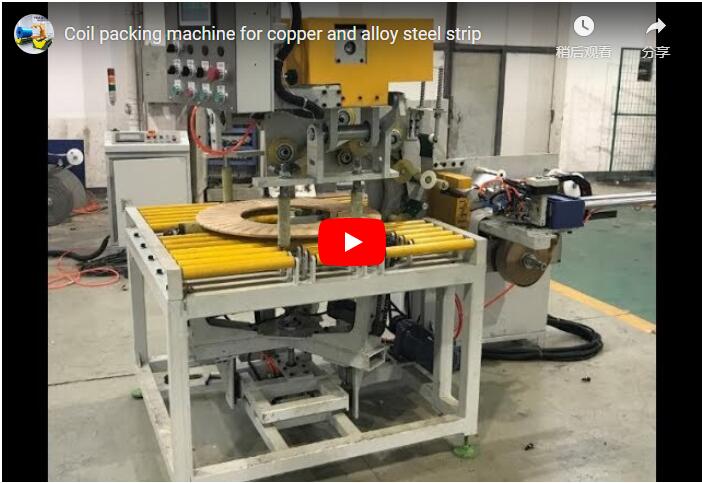
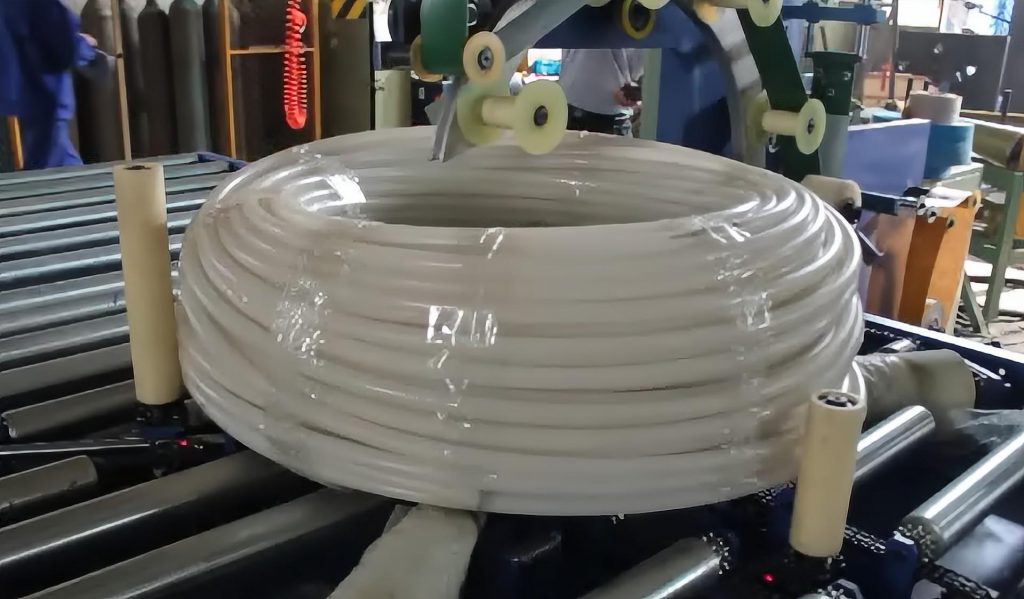
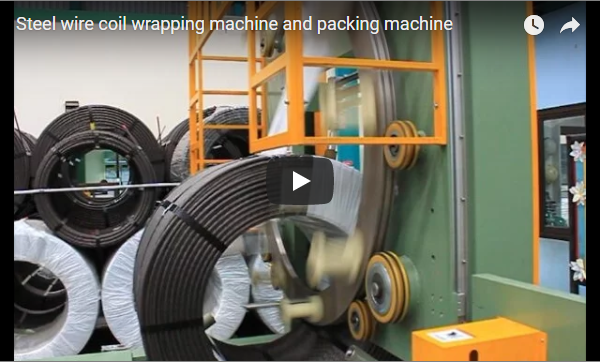
A ring-type (orbital) wrapper is built around a circular ring that carries the wrapping material. The coil sits inside the ring, the material feeds from a large roll through rollers and guides, and the ring advances around the coil to lay the wrap in a spiral. In this clip the machine performs that motion, with the coil in place while the material builds up around the body.

Two features of the wrap matter before you buy. First, the spiral runs the length of the coil, so one continuous band covers the body. Second, the wrap is applied under tension, so each turn presses against the previous one. That pressure holds the outer wraps in place, and it is one of the main defences against coil telescoping, the failure where wound layers slide sideways.

The wrap pitch is a machine setting, and the finished wrap shows it. Tight overlap spends more material and gives a denser band; a wider pitch covers faster and uses less film per coil. On this class of machine those settings usually live on the control panel, so the same wrapper can run a different material or overlap without mechanical change. Ask what this unit’s panel controls, since the clip shows a simple pushbutton cabinet with indicator lights.

The wrap also changes how the coil behaves on the way out. A wrapped coil has a clean outer surface that takes the scratches of later handling instead of the bare metal, and it is sealed against moisture and dust in storage. Those two benefits, layer hold and surface protection, are why a wrapper is the first station many coil lines add.

A single wrapper is still one station, not the whole line. A full coil packing line adds conveying, strapping with edge protectors, and pallet stacking. If you run a wrapper with operators instead of a fed line, the labour sits in loading and unloading, and the floor plan stays compact. That choice is the subject of the next section.

Why the wrapping material matters

The wrapping material decides how much protection the coil gets and what each coil costs to wrap. Two families dominate coil lines. Stretch film is transparent and elastic; it clings to the coil, seals the body, and is the cheap everyday choice. Metallised foil, VCI paper or kraft wraps are opaque and heavier, and VCI-coated versions add corrosion protection for long storage or ocean freight.

The trade is price against protection window. Film protects the surface during normal handling and shorter storage. A VCI or kraft wrap protects the steel itself from rust, which is what you pay extra for when coils sit in a warehouse or travel by sea. Ask which materials the machine can apply, and at what width, before you match it to your product.

Material width is part of the same decision. Wider film covers the coil face in fewer passes, but the width must suit the ring opening and the guide system, so the machine accepts a defined range. Keep your most common coil width inside that range rather than at its edge, and confirm the width range in the offer.

This video does not settle the material question for you. In most sampled frames the wrapping material reads as a silver, reflective foil; in others it reads as a clear plastic film, and one frame shows a flat band. A thin material feeds from a large roll in all cases. The supplier’s material list, not the clip, is what tells you what this machine can run.

Automation and staffing: machine-run or operator-assisted

Who does what around the wrap cycle decides your staffing, and it is one of the first things to settle. The wrap itself is a machine motion: the ring turns and the material applies in a spiral. The human work sits around it, feeding a coil in, aligning it in the ring, and taking the finished wrap away.

The clip shows people in white hard hats helping to position the coil into the ring in parts of the footage and watching during the run. So the station appears machine-run, with operator assistance at loading. Still photographs cannot prove whether the same machine runs unattended inside a full line, so the degree of automation is a question for the manufacturer.

Ask for the staffing model in writing: operators per shift, whether coils are conveyed in and out, and whether the machine can be upgraded from an operator-assisted station to a fed line. That single answer shapes your labour cost and how much the machine is worth to you.

The floor plan follows the same decision. A wrapper fed by hand needs space for the coil to arrive on a pallet or cart, sit while it is wrapped, and leave again. A fed line threads conveying in and conveying out, and the wrapper becomes one station among several. Match the layout drawing to your bay before you commit, because the machine’s footprint is fixed once it is installed.

What this machine-line clip shows

What the video shows is one ring-type wrapping station at work. A large green ring with yellow accents surrounds a single round, steel-gray, metal-looking coil, and a thin wrapping material feeds from a big roll through rollers and guides in a spiral. A control cabinet with pushbuttons and indicator lights sits on the left of the machine.

Operators in white hard hats guide the coil into the ring in parts of the clip and watch during the run, so the wrap looks machine-run with operator assistance at loading. Direct observation notes from the sampled frames, not a performance test.

What the clip does not show is as important as what it shows. No model number, no nameplate and no dimensions are legible anywhere; the one clear text is the site’s own watermark, which is not a machine nameplate. No wire coil appears in any frame, and no speed, cycle time or capacity figure is readable. Nothing here proves the machine is branded or runs unattended.

Treat the clip as a look at the hardware, then let documents do the deciding. Once you have the supplier’s material list, envelope and cycle description, the video makes sense as a picture of the exact station you are discussing.

Parameters to pin down with the supplier

The video gives you the machine’s look, not its numbers. The decision data lives in documents and measurements, so collect it from the supplier in writing before you compare quotes:

  • Coil envelope. Outer diameter, inner diameter, strip width and per-coil weight the machine is rated for. This decides whether your coil fits the ring at all.
  • Wrapping-material list. Which film, foil, paper or VCI materials the machine can apply, and the width each one takes.
  • Wire-coil compatibility. The title names steel coils and wire coils; the footage shows only a large round metal coil. Ask directly whether wire coils sit inside the envelope, and request a sample reference.
  • Automation scope. What is conveyed automatically, what stays manual, and the operators per shift.
  • Throughput. Cycle time per coil and coils per hour, stated as figures you can trace to a production run.
  • Full uncut cycle. One continuous video on a single camera with a visible clock is the only footage that proves sequence and timing.

Those six answers, plus the checklists below, turn a short promo into a buyable specification.

Buyer’s verification checklist

Six questions decide whether this wrapper will work for you. Ask them in writing, and keep the answers with the quotation.

Ask the supplier for Why it decides the purchase
Coil envelope: OD, ID, strip width, per-coil weight Whether your coil fits the ring at all
Wrapping-material list and width Foil, film, paper or VCI decide protection and running cost
Wire-coil compatibility, confirmed in writing The title promises wire coils the footage never shows
Automation scope and operators per shift Your staffing cost and whether a line upgrade fits later
Throughput: cycle time and coils per hour Whether the station keeps pace with your line
One uncut full cycle with a visible clock The only footage that proves sequence and timing

Send this to the supplier, and copy it as it stands:

  1. The coil envelope you are quoting for: outer and inner diameter, strip width and per-coil weight.
  2. The wrapping materials the machine can apply, and the width of each.
  3. Confirmation that wire-coil products sit inside the envelope, with a sample reference if one exists.
  4. The automation scope: what is conveyed automatically, and how many operators run one shift.
  5. Throughput, stated as cycle time and coils per hour, with the basis of each figure.
  6. One uncut cycle on a single camera with a visible clock.
  7. Brand and certification evidence: a nameplate photo and any test documents.

FAQ

Does this machine wrap both steel coils and wire coils?

The footage shows one large round, steel-gray, metal-looking coil being wrapped, and no wire coil appears in any frame. Steel is likely but never labelled in the clip, and wire-coil capability is not demonstrated. Ask the supplier to confirm the envelope and wire-coil compatibility in writing before you count on it.

What wrapping material does it use, foil or film?

The clip is ambiguous. In most sampled frames the wrap reads as a silver, reflective foil, and in others as a clear plastic film, with a thin material feeding from a large roll either way. The supplier’s material list, not the video, is what tells you what this machine can apply and at what width.

Is the machine automatic?

The wrap motion is machine-run, and operators appear only when guiding the coil into the ring. Still frames cannot prove unattended, fully automatic operation. Ask for the automation scope and operators per shift, and watch one uncut cycle with a clock to see the sequence for yourself.

Next step

Send the supplier your coil mix: outer diameters, inner diameters, strip widths, weights and throughput. The clip on this page carries none of those figures, so the envelope has to start from your data.

Then send the seven asks from the checklist above, and keep the answers with the quotation.

Then book one uncut cycle with a visible clock, run your own coil as the acceptance sample, and use the contact page to begin the exchange.

Last reviewed: 2026-09-24

Published: 2026-09-24