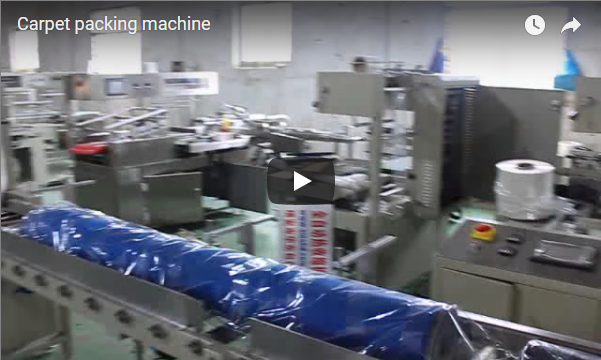
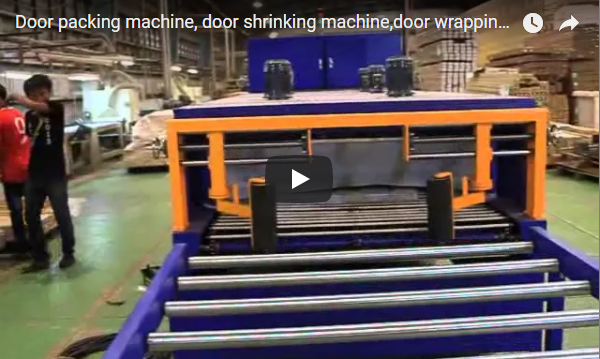
Summary: This complete guide covers automatic back packing and shrinking machines for bus bars, steel bundles, and industrial packaging applications. Learn how automated systems improve throughput, ensure product integrity, and reduce labor costs while meeting CE and ISO standards for protective packaging solutions.
Operational Workflow and Design Architecture
Automated busbar packaging follows a precise five-stage sequence: infeed conveying, film wrapping, heat sealing, shrink tunnel passage, and cooling outfeed. PLC-controlled systems ensure consistent cycle times of 5-15 packs per minute with minimal operator intervention. 🛠️
The automated packaging cycle for busbars represents a sophisticated integration of mechanical precision and thermal control. Unlike manual wrapping methods that introduce variability, this automated system creates repeatable protection layers for conductive elements used in electrical distribution panels and switchgear assemblies.
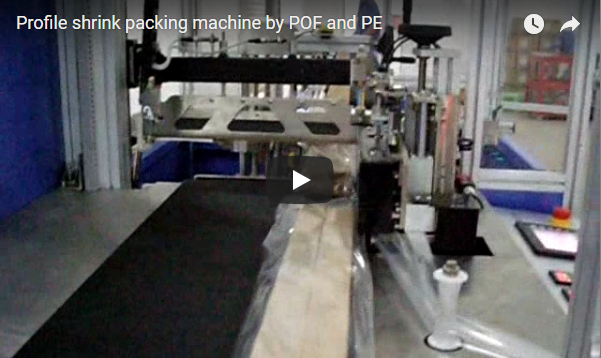
The process begins with infeed conveying, where busbars enter the machine through a synchronized belt or roller system. Precise spacing matters here. Sensors detect product presence and trigger the film wrapping stage. A roll of shrink film—typically Polyethylene (PE) for strength or Polyolefin (POF) for clarity—dispenses and forms around the product. The system can create either a sleeve configuration or full enclosure depending on protection requirements.
Next, the sealing mechanism activates. An L-bar sealer or continuous side-seal unit employs heated wires or blades to cut and fuse the film. Temperature control stays within ±2°C tolerance to prevent film degradation while ensuring complete enclosure. This stage determines whether moisture and dust can penetrate during transit.
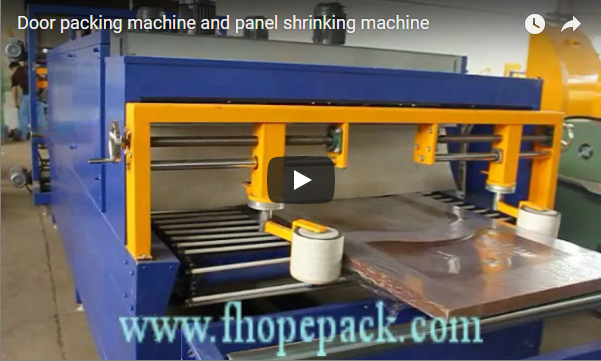
The sealed package then enters the shrink tunnel. Infrared quartz heaters or nichrome elements generate controlled hot air circulation. The film contracts uniformly, conforming tightly to the busbar’s rectangular or custom profile. Tunnel aperture, airflow velocity, and conveyor speed synchronize to achieve optimal shrinking without thermal damage.
Finally, packages pass through a brief cooling zone before outfeed transfer. This sets the film and prevents post-packaging deformation. The entire sequence integrates with upstream manufacturing lines and downstream palletizing stations through buffer zone planning.
Technical Specifications and Performance Parameters
Industrial packaging machines accommodate busbars up to 1500mm length with variable speed control from 5-15 packs per minute. Power requirements standardize at 380V/50Hz three-phase with pneumatic systems operating at 5-7 bar pressure. ⚙️
Selecting the right packaging equipment requires matching technical capabilities to production demands. Below is a comparative specification framework for evaluating automatic back packing and shrinking systems:
| Parameter | Standard Range | Custom Options | Industry Benchmark |
|---|---|---|---|
| Packaging Speed | 5-15 packs/min | Up to 25 packs/min | 12 packs/min average |
| Max Product Length | 1500mm | 3000mm+ | 2000mm typical |
| Max Product Width | 200mm | 400mm | 250mm common |
| Max Product Height | 100mm | 200mm | 150mm standard |
| Film Thickness | 25-100 microns | 15-150 microns | 50 microns optimal |
| Power Supply | 380V/50Hz 3-phase | 220V/60Hz available | CE compliant required |
| Air Pressure | 5-7 bar | 4-8 bar adjustable | 6 bar recommended |
| Machine Footprint | 4000-6000mm length | Modular extensions | 5000mm average |
The sealing system configuration significantly impacts throughput. L-bar sealers work well for batch processing with frequent changeovers. Continuous side sealers with cross-seal integration suit high-volume steel bundles or rebar stacks requiring uninterrupted operation.
Heat shrink tunnel specifications determine film quality. Infrared quartz heaters provide rapid response and energy efficiency compared to traditional nichrome elements. Tunnel insulation reduces heat loss by 30-40%, lowering operational costs over the equipment lifecycle.
Control architecture centers on a Programmable Logic Controller (PLC) with Human-Machine Interface (HMI). Modern systems store 50+ recipe parameters for quick changeovers between busbar sizes. Diagnostic feedback identifies film jams, temperature deviations, or conveyor misalignment before production stops.
For facilities processing mixed product types, consider modular packaging line configurations. These allow integration of horizontal orbital stretch wrapper units for long profiles alongside shrink wrapping stations for compact assemblies. This flexibility supports diverse industrial packaging requirements without duplicate capital investment.
Core Components and Material Construction
Heavy-duty C45 steel frames with powder-coated finish ensure stability under continuous 24/7 operation. Stainless steel contact parts prevent contamination while PTFE-coated sealing blades eliminate film adhesion issues. 🏗️
The reliability of any packaging machine hinges on component quality and material selection. FHOPEPACK systems employ industrial-grade construction standards that exceed basic CE requirements, targeting ISO 9001 manufacturing consistency.
Frame construction uses robust C45 carbon steel with minimum 8mm plate thickness. This provides rigidity during high-speed cycling and absorbs vibration from conveyor motors and sealing actuators. Powder-coated finish resists corrosion in humid manufacturing environments common to electrical component facilities.
Conveyor systems feature either reinforced PVC belts or precision roller chains rated for 50kg+ load capacity. Variable frequency drives (VFD) enable smooth acceleration profiles, reducing mechanical stress during start-stop cycles. This extends motor lifespan by 30% compared to direct-drive configurations.
Film delivery mechanisms incorporate magnetic particle brakes for consistent tension control. Perforation units create vent holes when required for heat dissipation during shrink cycles. Roll holders accommodate 300mm diameter film spools, minimizing changeover frequency during extended production runs.
Sealing assemblies employ temperature-controlled blades with PTFE (Teflon) coating. This prevents molten film from adhering to heating elements—a common failure point in lower-quality systems. Pneumatic or servo-driven actuators maintain sealing pressure within ±0.5 bar tolerance for uniform bond strength.
Heat shrink tunnels feature double-wall insulation with ceramic fiber lining. High-efficiency centrifugal blowers distribute heated air uniformly across the tunnel cross-section. Aperture adjustments accommodate varying product heights without manual tool changes.
The control panel integrates industrial-grade PLC processors with 7-inch color HMI touchscreens. Recipe storage, fault logging, and production counters provide data for OEE (Overall Equipment Effectiveness) tracking. Ethernet connectivity enables remote diagnostics and firmware updates without on-site technician visits.
Economic Impact and ROI Analysis
Automated shrink wrapping reduces labor costs by 60-70% while increasing throughput 3-4x compared to manual methods. Typical payback periods range from 12-18 months based on single-shift operation at 80% utilization. 📈
Transitioning to automated protective packaging delivers measurable financial returns beyond simple speed improvements. The economic case strengthens when accounting for reduced product damage, lower film consumption, and freed labor capacity.
Throughput gains represent the most visible benefit. Manual wrapping of busbars typically achieves 3-5 units per hour per operator. Automated systems consistently deliver 300-900 units per hour depending on product complexity. This 60-180x multiplier enables production scaling without proportional labor increases.
Labor cost reduction extends beyond direct wage savings. Automated systems eliminate repetitive strain injuries associated with manual wrapping motions. Workers redeploy to higher-value tasks like quality inspection or line supervision. This improves retention rates in tight labor markets common to Mexican and Southeast Asian manufacturing hubs.
Film consumption optimization occurs through precise tension control and cut-length accuracy. Manual operators often over-wrap by 15-25% to ensure coverage. Automated systems dispense exact film lengths with <2% variance. For facilities consuming 10,000+ kg of film annually, this translates to $5,000-$15,000 in material savings.
Product damage reduction provides hidden ROI. Tightly shrunk film protects against scratches, oxidation, and edge damage during transit. Electrical component manufacturers report 40-60% fewer customer returns after implementing automated heat shrinking systems. This protects brand reputation and reduces warranty claim processing costs.
Energy efficiency improvements emerge from modern tunnel designs. Variable-speed blowers and zoned heating reduce power consumption by 25-35% compared to legacy systems. Over a 10-year equipment lifecycle, this represents significant operational expenditure reduction.
ROI Insight: A mid-sized electrical manufacturer processing 5,000 busbars daily achieved full equipment payback in 14 months. Labor savings accounted for 55% of returns, film reduction contributed 25%, and damage prevention delivered the remaining 20%.
Implementation Best Practices and User Experience
Successful integration requires 2-3 weeks for installation, operator training, and production validation. Establish preventive maintenance schedules with weekly sensor checks and monthly sealing blade inspections to minimize unplanned downtime. 🛡️
Deploying automated system solutions demands careful planning beyond equipment purchase. Line integration, operator competency, and maintenance discipline determine long-term success more than initial machine specifications.
Line integration planning must address upstream and downstream flow constraints. Buffer zones of 10-15 units prevent bottlenecks when upstream manufacturing experiences variability. Downstream palletizing stations require synchronized handoff protocols to avoid accumulation. Consider installing accumulation conveyors with photoelectric sensors for automatic flow control.
Operator training programs should cover four competency areas: safe operation procedures, HMI navigation, film roll changeover, and basic troubleshooting. Certification ensures personnel can clear film jams, adjust sealing temperatures, and recognize early warning signs of component wear. Document all training sessions for ISO audit compliance.
Preventive maintenance schedules follow manufacturer recommendations but adapt to actual usage intensity. Daily tasks include conveyor cleaning and sensor verification. Weekly inspections check sealing blade condition and film tension calibration. Monthly activities cover lubrication of moving parts and heater element resistance testing. Annual overhauls replace wear components before catastrophic failure.
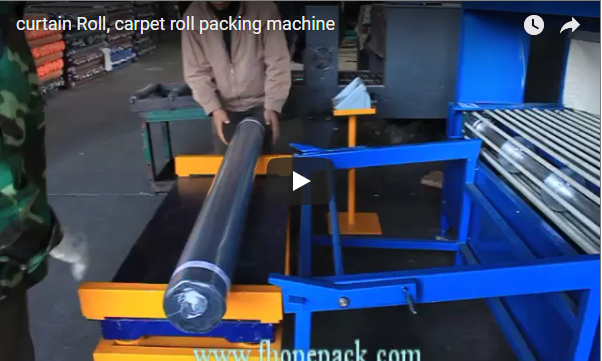
Film selection criteria balance protection requirements against cost constraints. PE film offers superior puncture resistance for sharp-edged steel bundles. POF provides optical clarity for retail-ready carpet rolls or consumer-facing products. Thickness selection depends on transit distance and handling frequency—export shipments warrant 80-100 micron film while domestic distribution accepts 40-60 micron grades.
Changeover efficiency becomes critical for facilities processing multiple product sizes. Quick-adjust guide rails and recipe-driven parameter changes reduce changeover time from 30 minutes to under 5 minutes. This flexibility supports lean manufacturing principles by enabling smaller batch sizes without productivity penalties.
For operations requiring both shrink wrapping and stretch wrapping capabilities, explore hybrid configurations. A horizontal orbital wrapper can handle long profiles while the shrink tunnel processes compact assemblies. This maximizes equipment utilization across diverse product portfolios.
Expert Pro Tip: Install film tension monitors with alarm outputs. Sudden tension spikes indicate roll depletion or mechanical binding—catching these early prevents production stops and film waste.
Industry Standards and Compliance Framework
CE certification ensures electrical safety and electromagnetic compatibility for European markets. ISO 9001 quality management and ASTM D4649 stretch wrapping guidelines provide additional validation for global procurement requirements. 🏭
Regulatory compliance validates equipment quality and enables market access across regions. FHOPEPACK systems meet or exceed international standards for industrial packaging technology.
CE marking demonstrates conformity with EU machinery directives (2006/42/EC). This covers electrical safety, emergency stop functionality, and guarding requirements. Documentation includes risk assessments, technical files, and declaration of conformity—essential for customs clearance in European destinations.
ISO 9001 certification of the manufacturing facility ensures consistent quality control during equipment production. This covers component sourcing, assembly procedures, and final inspection protocols. Buyers can request audit reports to verify supplier capabilities before purchase commitments.
ASTM D4649 provides test methods for evaluating stretch wrapping performance. While primarily focused on pallet wrapping, the principles apply to protective packaging validation for busbars and similar products. Load retention testing confirms film tension maintains product integrity during vibration and impact events.
UL listing may be required for North American installations. This covers electrical component safety and fire resistance ratings. Verify local jurisdiction requirements before specifying equipment for US or Canadian facilities.
Energy efficiency standards vary by region. EU Ecodesign Directive sets minimum efficiency thresholds for motor-driven equipment. Selecting high-efficiency motors (IE3 or IE4 class) future-proofs installations against tightening regulations.
Environmental compliance increasingly influences procurement decisions. Recyclable PE and POF films reduce landfill burden. Some jurisdictions offer tax incentives for equipment that minimizes material waste or energy consumption.
FAQ
Q1: What is the typical lifespan of an automatic back packing and shrinking machine? A: With proper maintenance, these systems operate 15-20 years in single-shift environments. Heavy-duty components like C45 steel frames and industrial PLCs outlast wear items such as sealing blades and conveyor belts, which require periodic replacement.
Q2: Can the machine handle different busbar sizes without manual adjustments? A: Yes, modern PLC-controlled systems store 50+ recipes for instant parameter changes. Quick-adjust guide rails accommodate width variations from 50mm to 400mm. Height adjustments may require manual intervention but complete in under 3 minutes.
Q3: What film types work best for electrical component packaging? A: PE (Polyethylene) offers superior puncture resistance for sharp-edged busbars. POF (Polyolefin) provides better clarity for visual inspection. Film thickness ranges from 40-100 microns depending on transit distance and handling frequency.
Q4: How does automated packaging compare to manual wrapping costs? A: Automated systems reduce labor costs by 60-70% while increasing throughput 3-4x. Film consumption drops 15-25% through precise length control. Typical payback periods range from 12-18 months for single-shift operations.
Q5: Is integration with existing production lines complicated? A: Most installations complete within 2-3 weeks including foundation work, electrical connections, and operator training. Buffer conveyors and photoelectric sensors enable seamless handoff between upstream manufacturing and downstream palletizing stations.
Q6: What maintenance tasks can operators perform versus technicians? A: Operators handle daily cleaning, film roll changes, and basic jam clearing. Technicians perform weekly sensor calibration, monthly sealing blade replacement, and annual motor inspections. Detailed maintenance manuals include troubleshooting flowcharts.
Q7: Can the system process steel bundles or rebar stacks in addition to busbars? A: Yes, with appropriate film selection and parameter adjustments. Heavier loads may require reinforced conveyor belts and higher sealing temperatures. Consider a coil wrapping machine for coil products or a pallet wrapping machine for unitized loads.
The automatic back packing and shrinking machine for busbars represents an indispensable asset for modern electrical component manufacturers seeking competitive advantage through operational excellence. By automating the packaging and protection process, facilities achieve significant improvements in speed, consistency, and cost-efficiency while meeting stringent industrial packaging standards. Careful evaluation of technical specifications, component quality, and integration requirements ensures selection of a system aligned with specific production needs. For facilities processing mixed product portfolios including long profiles, explore FHOPEPACK’s range of horizontal orbital stretch wrapper solutions that complement shrink wrapping capabilities.