Executive summary
A coated coil has a finished surface that must stay clean and unmarked before use, so it needs careful handling after the coating line. This machine holds the coil on a roller station between clamps while an overhead arm runs a surface treatment head across the coil face as part of the packing sequence. The operator runs the cycle from the panel. Coil size and process step are confirmed per project.
Table of Contents
- Why pack a coated coil
- What the machine does
- Roller station and clamps
- Overhead treatment arm
- What the footage shows
- Typical configuration
- Selection checklist
- Operation and safety
- Engineering FAQ
- Next step
- Related reading
- Sources and standards
Why pack a coated coil
A coated surface marks easily and must not be touched once it is finished. Handling the coil carefully at the station keeps the coating intact before the final pack.
A dedicated packing step for coated coils protects the surface and controls the job. Coil range is confirmed per project.
What the machine does
The machine handles and packs a coated coil at a roller station. The coil sets on the roller station between opening side clamps, and an overhead arm moves across the coil face for the surface step in the packing sequence.
The operator runs the cycle from the panel. Coil size and the exact process step are confirmed per project.
Roller station and clamps
The coil rests on a roller table, and side clamps close in to press the coil edges and hold it in position. A seated coil stays level while the arm works over the face.
Clamps hold the coated coil without touching the surface. Clamp stroke and coil width are confirmed per project.
Overhead treatment arm
An overhead arm lowers over the coil and its treatment head moves across the coil face during the cycle. The head returns after the step and the machine continues the packing sequence.
The arm position and stroke follow the coil width so the head covers the full face. Head type and travel are confirmed per project.
What the footage shows
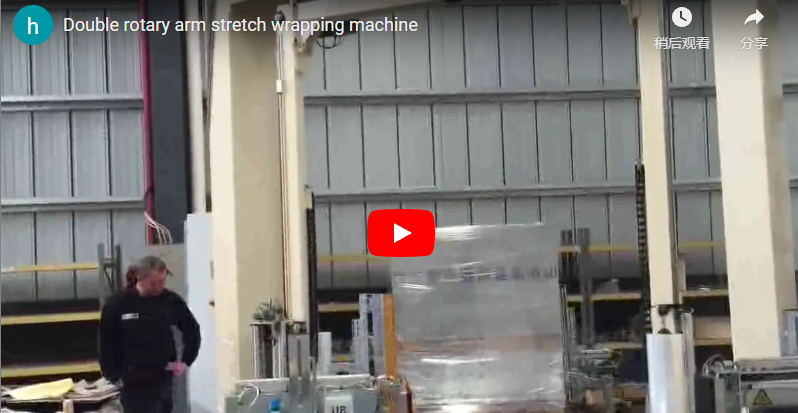
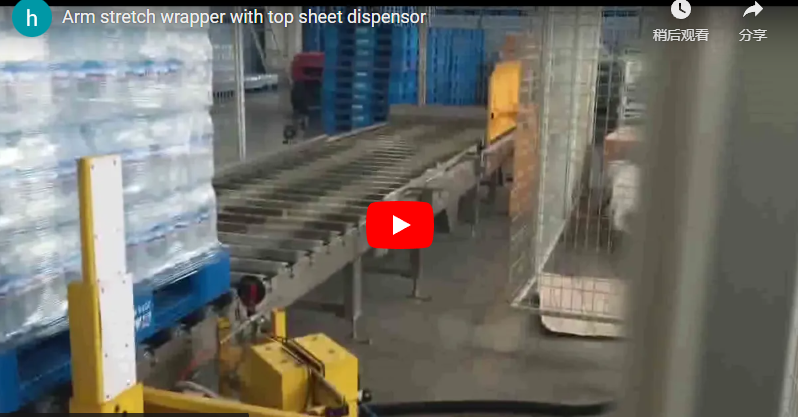
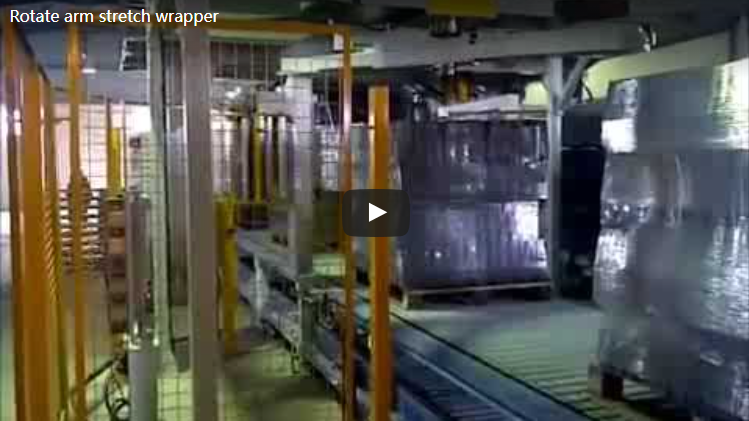
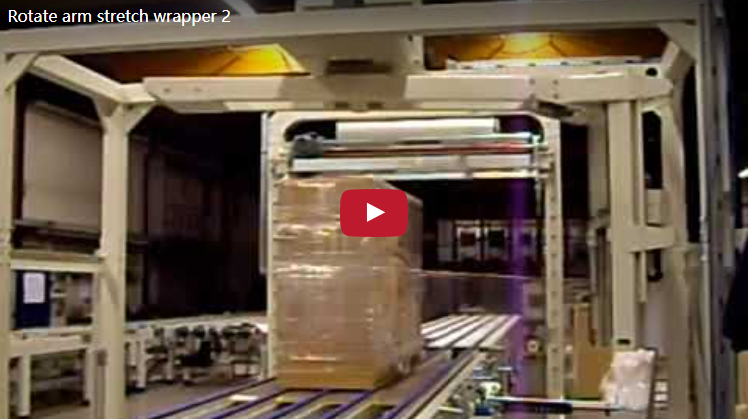
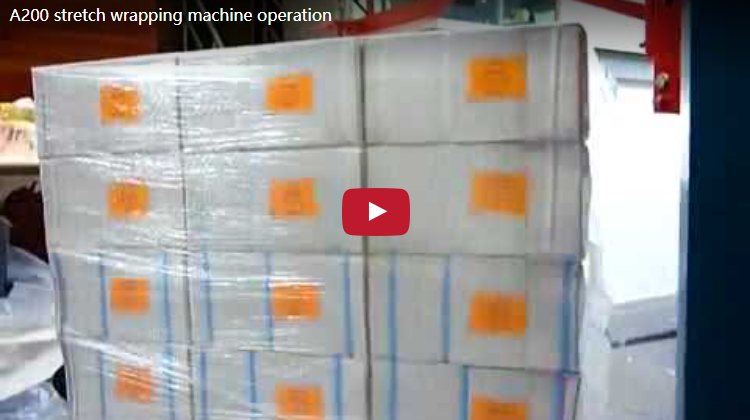
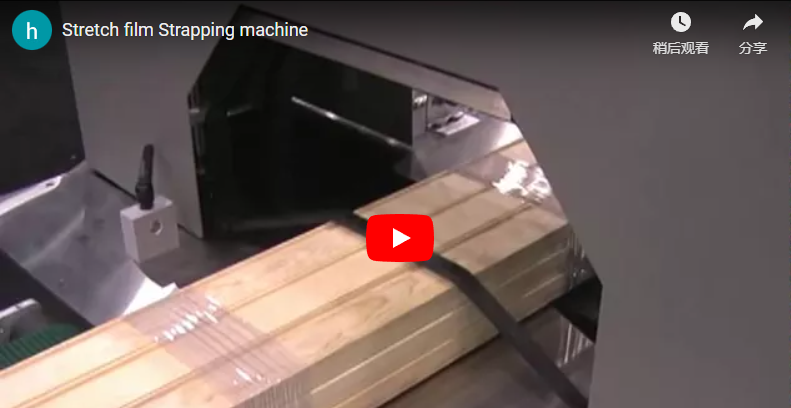
Our footage shows a coated coil setting on the roller station, the side clamps closing, and the overhead arm sweeping across the coil face during the packing sequence. It is a general demonstration, so your coil size and the exact process step are confirmed with us per project.
Typical configuration
Figures below list functional design boundaries rather than numeric values, and are confirmed per project.
| Parameter | Typical range, confirmed per project |
|---|---|
| Load | coated coil |
| Station | roller table |
| Hold | side clamps |
| Process | overhead arm, treatment head |
| Control | PLC and HMI |
| Electrical supply | 380 V three phase 50 Hz, or 220 V single phase for light machines, selected per project |
Selection checklist
| Question | Confirm per project |
|---|---|
| Coil range | OD, width, weight |
| Clamp | stroke, pressure |
| Arm | travel, head type |
| Process | surface step definition |
| Control | PLC and HMI layout |
| Electrical supply | voltage, phase and frequency on site |
Operation and safety
Load the coil onto the roller station and start the cycle; the clamps hold the coil while the overhead arm performs the surface step, then the machine continues the packing sequence. Keep clear of the clamps and the arm while it moves.
Routine checks cover the rollers, the clamps and the overhead arm, per the machine manual. Confirm the coil is seated before each cycle.
Engineering FAQ
Q: What does this machine do? A: It holds a coated coil at a station while an overhead arm runs the surface step.
Q: Why handle the coil at a station? A: Careful positioning keeps the finished coating intact before packing.
Q: How is the coil held? A: Side clamps press the coil edges to keep it level on the roller station.
Q: What does the arm do? A: An overhead treatment head moves across the coil face in the packing cycle.
Q: What does it suit? A: Coated coils that need a controlled surface step before packing.
Next step
- Email us at info@fhopepack.com with your coil size and the surface step.
- We send a packing machine proposal and a layout drawing within 48 hours.
- We confirm the arm travel and clamp stroke against your coil range.
Related reading
- Coated coil packing machine
- Steel coil paper and film wrapping machine
- Vertical stretch wrapping machine for big size coil
- FHOPE packing machinery product lines
Sources and standards
- ISO 12100:2010 Safety of machinery, general principles for design and risk assessment
- EN 415-10:2014 Safety of packaging machines, general requirements
- EN ISO 13849-1:2023 Safety of machinery, safety-related parts of control systems
FHOPE coated coil packing machine demonstration video. Reviewed as a general demonstration; coil size and the exact process step confirmed per project.
Last reviewed: 2026-10-11