Coil Packaging: Operation and Applications

Summary: This guide evaluates manual versus automated coil packaging systems for metal processing and logistics operations. Plant managers can reduce labor costs by up to sixty percent, improve transit package integrity through precise tension control, and eliminate production bottlenecks by aligning packaging throughput with upstream coiling speeds.

[VIDEO PLACEHOLDER]

🛠️ Evaluation Criteria

Plant managers select coil packaging equipment by evaluating four operational dimensions: labor efficiency per shift, package integrity under transit vibration, throughput alignment with upstream coiling speeds, and total implementation complexity including floor space requirements and safety interlock compliance protocols across facility operations. Procurement teams frequently commit to high-speed machines without verifying centering tolerance ranges. This oversight causes off-center wrapping that shifts loads during transport and triggers unplanned downtime for manual repositioning. Facilities must quantify acceptable inner diameter variations before finalizing equipment specifications.

Labor efficiency drives the primary return on investment calculations. Manual handling requires two to three personnel per shift to position five hundred kilogram rolls. Automated systems require a single operator monitoring the human machine interface panel. This reduction typically lowers annual payroll expenses by fifty to sixty percent across standard operational shifts.

Package integrity depends strictly on film tension consistency and overlap distribution. Variable hand-applied force creates weak points that fail under freight vibration. Servo-driven tension controllers maintain consistent load retention throughout transit cycles. Protective packaging standards require uniform stress distribution to prevent surface scratches on cold-rolled steel and edge dents on aluminum strips.

Throughput alignment ensures the packaging station never restricts upstream production flow. Manual wrapping averages eight to twelve minutes per unit. Fully automatic lines complete identical cycles in two to four minutes depending on outer diameter dimensions. Matching these speeds directly improves overall equipment effectiveness across the entire metal processing line.

Implementation complexity dictates facility layout modifications and safety compliance costs. Automatic systems require reinforced flooring, pneumatic air lines, and dedicated electrical panels rated for industrial duty cycles. Safety interlocks must comply with ISO 13849-1 performance level d standards to prevent crush injuries during high-volume operations.

🏗️ Option A

Manual coil wrapping relies on handheld stretch film dispensers and portable strapping tools, requiring two to three operators per shift to position heavy rolls, apply variable tension, and secure steel or PET bands around stationary loads without automated assistance during peak production hours. This approach dominates low-volume facilities but introduces significant operational variability that management must quantify before procurement.

Labor allocation represents the most visible cost driver in manual packaging stations. Personnel spend thirty percent of each shift physically maneuvering heavy wire rods or carpet rolls into position. The remaining time focuses on inconsistent film application and manual strap tensioning with handheld tools.

Film tension fluctuates between fifty newtons and two hundred newtons during hand-wrapping cycles. This wide tolerance range creates uneven load compression that shifts during freight handling. Inconsistent compression directly correlates with higher transit damage claims and increased customer return rates.

Strapping applications depend on manual force application rather than calibrated mechanisms. Steel bands typically require twenty to thirty percent more tension than automated systems deliver consistently. Over-tightening causes film rupture while under-tightening allows coil migration during stacking operations.

Workplace safety risks remain elevated due to direct human contact with heavy rolled materials. Back strain and laceration incidents occur frequently when operators manually align coils or cut steel strapping ends. These ergonomic hazards increase workers compensation claims and reduce available operational hours.

Procurement Warning: Never select manual packaging equipment for facilities processing over fifty coils daily without a documented bottleneck analysis. The hidden costs of transit damage, rework labor, and safety incidents typically exceed the machine purchase price within eighteen months.

📈 Option B

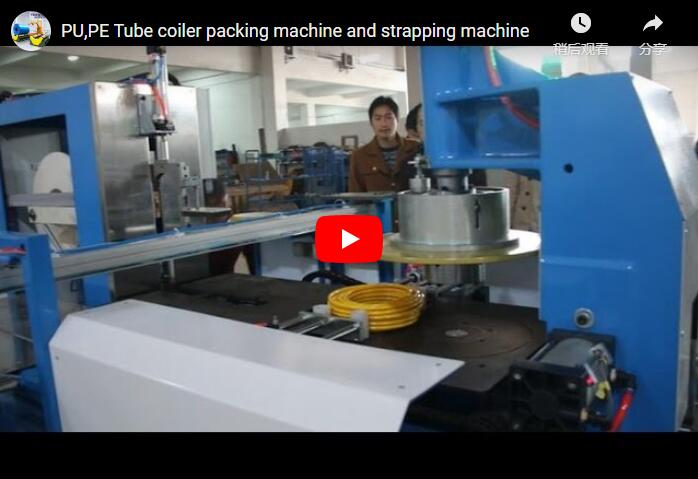
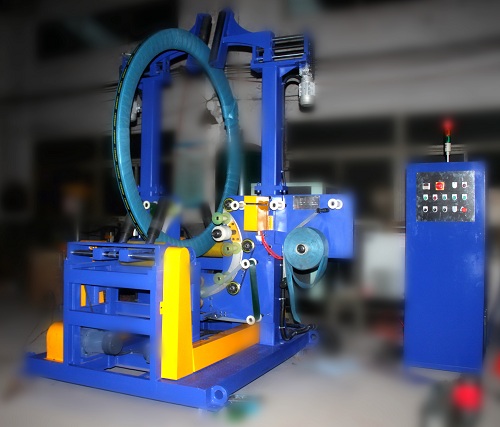
Automated coil packaging lines integrate synchronized workstations including V-chain conveyors, servo-driven wrapping rings, and programmable strapping units to deliver consistent film tension, reduce direct human contact during heavy load handling, and match upstream production throughput rates directly across continuous manufacturing cycles. This configuration eliminates operational variability through closed-loop control systems and standardized cycle parameters.

Infeed positioning utilizes photoelectric sensors to detect coil alignment before centering arms engage. Pneumatic adjustment mechanisms align the inner diameter axis with the wrapping ring center within ten millimeter tolerances. Accurate centering prevents off-center film overlap that compromises load stability during transit vibration testing.

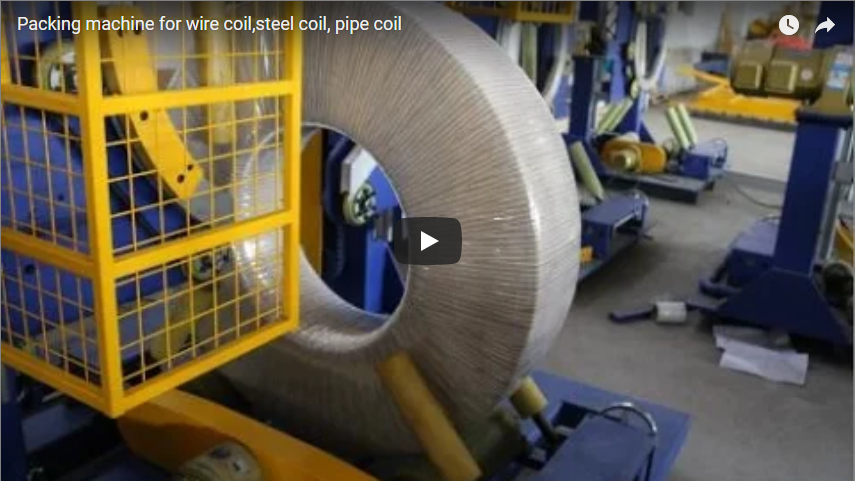
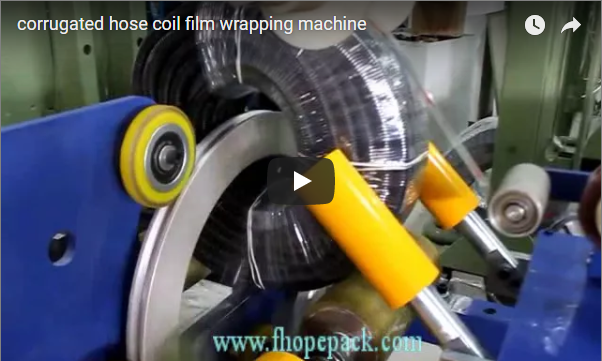
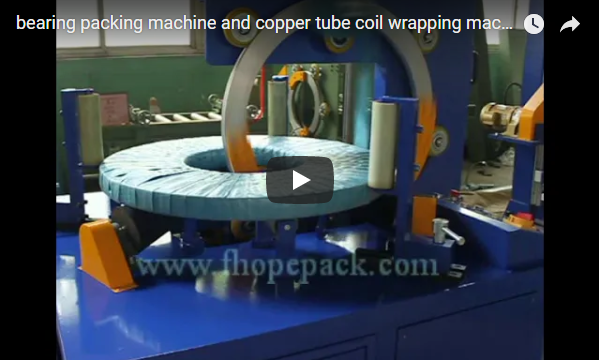
The primary wrapping station employs a rotating ring mechanism around stationary coils. Pre-stretch rollers elongate industrial stretch film to three hundred percent capacity before application. This mechanical elongation reduces material consumption by thirty-five percent while maintaining consistent tensile strength across the entire package surface.

Tension control systems utilize magnetic powder brakes or servo motors to maintain eighty to one hundred fifty newtons of force with three newton accuracy under continuous production conditions. Programmable logic controllers adjust film overlap rates between thirty and fifty percent based on coil weight specifications. This precise tension management eliminates transit shift damage for standard metal processing outputs.

Secondary strapping applications integrate automated L-bar shrinking machines for edge reinforcement to secure heavy bundles efficiently. L-Bar Shrinking Machine completes the film cycle before wire rod compactors secure final steel loads using calibrated tension settings. Wire Rod Compactor ensures consistent strap application during high-volume production runs while maintaining continuous workflow alignment.

🛡️ Comparison Table

The selection matrix compares manual methods against fully automatic coil packing systems across labor requirements, tension control accuracy, cycle time per unit, safety compliance standards, and initial capital expenditure versus long-term operational savings calculations for facility budgeting purposes. Facilities must align these parameters with daily throughput targets before finalizing procurement contracts.

Evaluation Dimension Option A: Manual Wrapping & Strapping Option B: Automatic Coil Packing Line
Labor Requirements 2–3 operators per shift 1 operator monitoring HMI panel
Film Tension Accuracy ±50N (variable hand application) ±3N (servo/magnetic brake control)
Cycle Time per Coil 8–12 minutes (manual positioning) 2–4 minutes (synchronized workstations)
Safety Compliance Basic PPE, high ergonomic risk ISO 13849-1 PL d interlocks
Implementation Complexity Low floor space, minimal utilities Reinforced flooring, pneumatic/electrical panels
Estimated Annual Savings $0–$20,000 (reduced damage claims) $80,000–$120,000 (labor + material reduction)

Labor efficiency directly impacts shift productivity and overtime scheduling. Manual stations require constant operator rotation to prevent fatigue-related errors during repetitive film application cycles. Automatic systems concentrate control functions into a single monitoring position that requires standard technical training rather than specialized physical labor.

Package integrity metrics determine customer satisfaction and freight insurance premiums. Variable tension in manual wrapping creates weak compression zones that fail under standard vibration testing protocols. Automated tension controllers maintain uniform stress distribution across all coil surfaces, reducing transit damage claims to below one percent of total shipments.

Throughput alignment ensures packaging operations never restrict upstream manufacturing flow. Manual cycles average ten minutes per unit during peak production hours. Automatic systems complete identical wrapping and strapping sequences in under four minutes while maintaining consistent quality parameters. This speed differential directly improves overall equipment effectiveness across the entire facility workflow.

⚙️ Selection Advice

Procurement teams should choose automated packaging lines when daily output exceeds fifty coils or when transit damage claims exceed three percent of shipment value, while manual setups remain viable only for low-volume specialty roll processing under controlled standard warehouse conditions seasonally. Management must verify floor load capacity and utility availability before finalizing equipment placement.

Daily throughput volume dictates the primary return on investment timeline. Facilities processing over fifty wire coils daily experience immediate labor cost reductions when switching to automated systems. The payroll savings typically offset initial capital expenditure within twelve to eighteen months of standard operational shifts.

Transit damage frequency determines package integrity requirements for customer contracts. Metal processing facilities shipping cold-rolled steel or aluminum strips must maintain strict film tension tolerances to prevent surface scratches during freight handling. Automated tension control systems deliver the consistency required by major automotive and construction supply chains.

Floor space availability and utility infrastructure limit equipment installation options. Automatic lines require four hundred square feet of reinforced concrete flooring with dedicated pneumatic air lines rated for continuous duty cycles. Electrical panels must support three-phase power distribution to handle peak servo motor loads during high-speed wrapping operations.

Implementation Tip: Verify inner diameter tolerance ranges before ordering centering mechanisms. Coils with outer diameter variations exceeding fifty millimeters require adjustable V-blocks on the infeed conveyor to maintain accurate alignment and prevent off-center film application.

Purchase-Decision Checklist

  • [ ] Confirm daily coil throughput exceeds forty units for automated ROI validation

  • [ ] Measure available floor space against four hundred square foot minimum footprint requirements

  • [ ] Verify three-phase electrical capacity and pneumatic air supply availability at installation site

  • [ ] Calculate current transit damage percentage to benchmark package integrity improvements

  • [ ] Review ISO 13849-1 safety interlock compliance documentation before equipment deployment

FAQ

How does automatic tension control reduce film consumption compared to manual wrapping? Mechanical pre-stretch rollers elongate industrial stretch film to three hundred percent capacity before application. This controlled elongation reduces material usage by thirty-five percent while maintaining consistent tensile strength across the package surface. Facilities typically save approximately one kilogram of film per heavy coil during standard operations.

What safety interlock standards apply to automated coil packaging lines? Equipment must comply with ISO 13849-1 performance level d requirements for safeguarding systems. Emergency stop circuits and light curtain sensors halt all motion when operators breach designated safety zones during loading cycles. These controls prevent crush injuries during high-volume production shifts.

Can automatic systems accommodate varying coil inner diameters without adjustment? Standard centering mechanisms handle twenty-five millimeter tolerance ranges with ten millimeter alignment accuracy. Facilities processing coils with wider diameter variations must install adjustable V-blocks on the infeed conveyor to maintain consistent film overlap patterns and prevent load instability during transit.