Overview
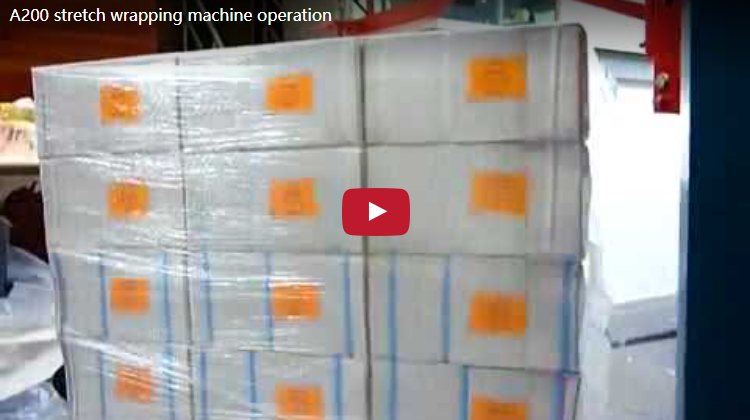
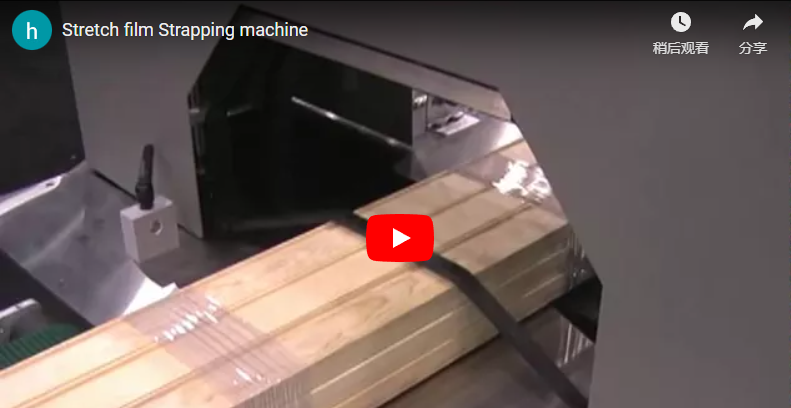
Pallet stretch wrapping protects a loaded pallet with film so the stack keeps its shape in storage and shipping. In the footage a carton load on a pallet is completed on a single machine that covers the top and wraps the sides at the same work station; a strapping step can be configured on the same station per enquiry. This page is written for warehouse, logistics and production teams that unitize palletized loads. It covers the cover-wrap cycle shown, the optional strapping configuration, and the data needed to size the system for a pallet flow.
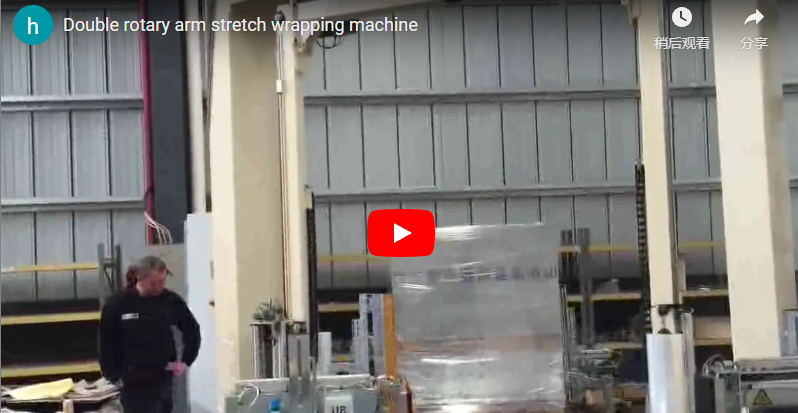
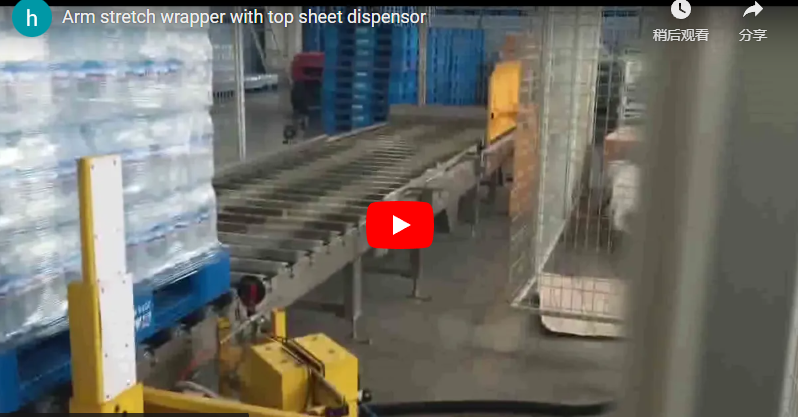
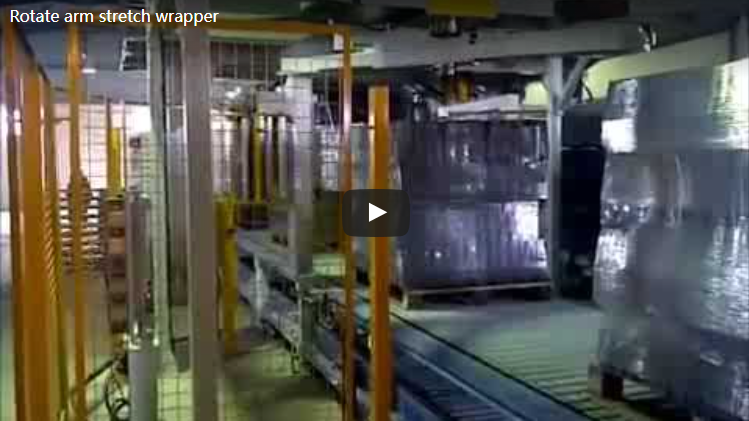
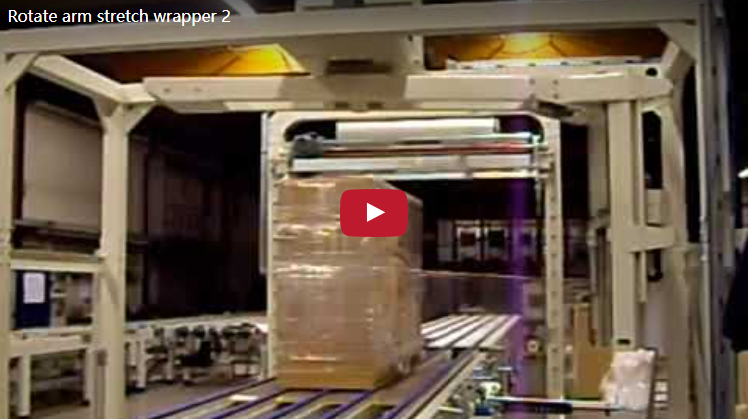
The video below shows the pallet being covered and wrapped on the machine:
Cover and Wrap on One Work Station
A loaded pallet typically needs a top cover, a side wrap, and then a strapping step before it is ready to ship. The A200 applies the cover and the side wrap at one station — the load turns on the rotating platform while the film head runs over the top and around the sides — so the pallet does not move between machines; the strapping step is configured per enquiry on the same station.
| Function | What the machine does |
|---|---|
| Covering | A film layer is laid over the top of the load before or during the wrap cycle. |
| Side wrapping | The load turns on the rotating platform while the wrapping head applies film around the sides. |
| Strapping (option) | Where specified, straps are applied on the same station to hold the completed unit together. |
The cycle runs automatically: the platform rotates as film is laid over the sides and top. The demonstration centres on the cover and wrap steps; the strapping stage is a configurable addition that is confirmed per enquiry. This single-station layout removes the transfer between a cover station, a wrapper and a strapper, which is where product damage and extra manpower usually appear in manual flows.
Comparison: Single-Station Unitizing vs Separate Machines
Use this comparison to decide whether a combined station fits the pallet flow:
| Aspect | A200 single-station cover + wrap (strapping option) | Separate cover, wrap and strap stations |
|---|---|---|
| Floor footprint | One machine footprint | Footprint of three machines plus buffers |
| Handling between operations | None; pallet stays on the platform | Pallet moves between each station |
| Operator load | Cycle is automatic once the pallet is placed | Each station needs its own feed and removal |
| Best fit | Steady pallet flow unitized at one point | Stand-alone stations already in the plant |
For a warehouse that receives palletized cartons and dispatches them as complete units, the single-station system turns the manual cover and wrap steps into one automatic cycle, with strapping added if required. For a plant that already has a wrapper or a strapper in place, a combined machine may not be the lowest-cost route; that trade-off is confirmed against the existing equipment.
Sizing and Configuration
The system is sized from the pallet range and the site, not from a fixed rating plate. Confirm the following in the enquiry:
| Data to confirm | What it determines |
|---|---|
| Pallet footprint, stacked height and load weight | Platform size and wrapping-head travel |
| Film type, width and stretch grade | Film stock and force settings |
| Number of wraps and top-cover requirement | Cycle time and coverage |
| Strapping requirement (number and position of straps) | Strapper build and cycle stage |
| How the pallet is placed and removed | Loading/unloading equipment and layout |
| Wrap time and output per shift | Line sizing |
| Electrical supply (voltage, phase, frequency) | Drive and control build |
Every row is confirmed to the site conditions before the build. Rated throughput numbers are not drawn from the demonstration footage; they are agreed with the vendor for your actual pallet program.
Operation and Safety Basics
Place the loaded pallet on the platform, start the cycle, and let the machine cover and wrap the unit automatically; where strapping is specified, the same station completes that step as well. Remove the finished pallet when the cycle stops. Keep clear of the platform, the wrapping head and the strapper while the machine runs, and check the platform drive, film feed and strapper per the machine manual.
Safety expectations follow packaging-machinery practice: a risk assessment to ISO 12100 and the general packaging-machine requirements of EN 415-10 are typically referenced, with the guarding scope confirmed for the destination plant. Confirm the applicable requirements with the vendor in the enquiry. As a stated manufacturer practice for this machinery family, each unit goes through sustained functional and safety testing before delivery (about 24 hours where stated), including the control system and the emergency-stop function; treat this as the stated family practice for acceptance planning and confirm the specific test record for your unit.
FAQ
Q: What does this pallet wrapping machine do?
A: It completes a loaded pallet in one station: a film cover over the top and a stretch wrap around the sides, with a strapping step available on the same station where specified.
Q: How is the top of the stack covered?
A: A film layer is laid over the top of the load as part of the cycle, before or during the side wrap.
Q: How does the film wrap finish?
A: When the required coverage is reached, the film wrap ends. Where a strapping step is configured, the same station then completes the unit.
Q: Can the wrap cycle run with strapping or without it?
A: Yes. State the requirement in the enquiry; the strapper is included or omitted per the layout, and its position is confirmed before the build.
Q: What electric supply does it need?
A: The house-typical build is three-phase mains with the voltage, phase and frequency arranged per the site; confirm the site supply in the enquiry.
Next Step
- Email info@fhopepack.com a layout drawing plus your pallet footprint and stacked height range.
- State whether strapping and the top cover are required, and the number of straps per unit.
- FHOPE returns a proposal with film grade, coverage and cycle time for your load.
- Book a site survey if the layout should be checked on site before the build.
- A200 Pallet Stretch Wrapper with Top Press: Operation – The A200 wrapper family and its operation.
- Automatic Pallet Wrapper with Film Cutter: Clamp, Cut, Wipe – Film handling and cutting on automatic pallet wrappers.
- Hydraulic Upender and Tilter Manufacturer – Load handling and turning used around pallet and inverter flows.