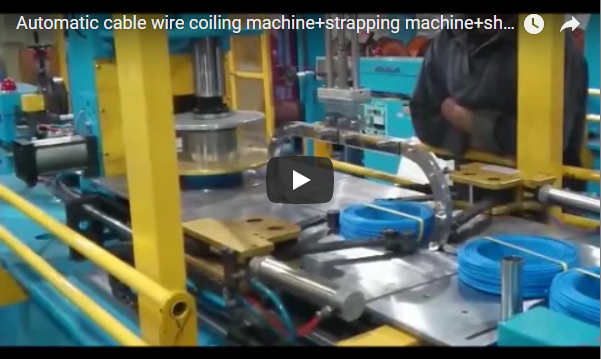
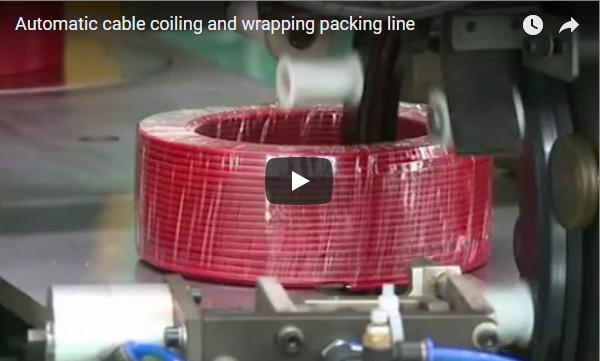
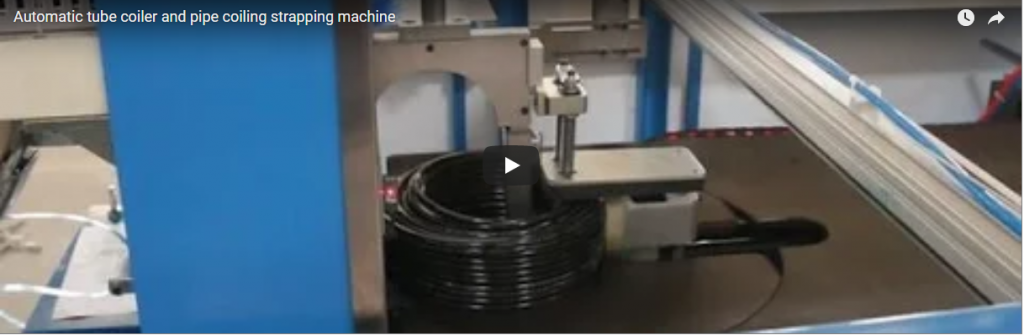
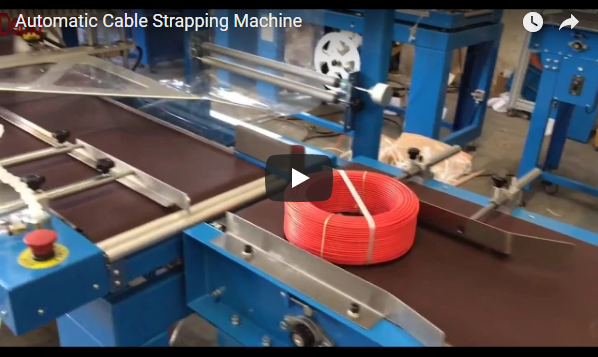
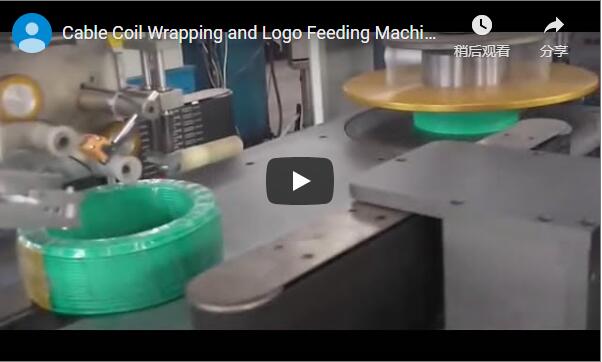
Summary: Automated cable packing lines replace manual, inconsistent processes with integrated systems for coiling, strapping, wrapping, and labeling. They increase throughput, reduce labor costs, and ensure uniform coil quality. This article explains core components, key parameters, system integration, and business impact, helping general readers understand the technology and its procurement requirements.
🛠️ Standard Overview
Automated cable packing lines consolidate coiling, strapping, wrapping, and labeling into a single continuous workflow, typically handling standard cable diameters at speeds that vary by machine configuration. These systems replace inconsistent manual methods with programmable logic controller (PLC)-managed processes, ensuring uniform coil quality while meeting regional machinery safety directives like CE or OSHA requirements. Procurement teams should verify exact performance metrics and compliance documentation with each vendor before finalizing specifications.
The primary standards that influence design include ISO 12100 for machinery safety risk assessment principles and IEC 60204-1 for electrical equipment safety. For packaging materials, ASTM D4673 specifies polyethylene film properties, while ISO 9001 certifies quality management systems. Regulatory effective dates vary by jurisdiction; for example, CE marking under the Machinery Directive requires current compliance verification. Always confirm applicable standards with your vendor based on local regulations and line configuration.
🏗️ Key Changes
Transitioning from manual packaging to automated lines fundamentally improves process control by standardizing coil dimensions and reducing cycle times for typical industrial cable sizes. Manual operations depend heavily on operator technique, whereas automated systems use programmable logic controllers (PLC) and human-machine interfaces (HMI) to maintain consistent tension and diameter tolerances. Buyers should treat published speed and accuracy figures as illustrative benchmarks that require validation against their specific cable types and line configurations.
| Parameter | Manual Process (Typical) | Automated Line (Typical) |
|---|---|---|
| Cycle time per coil | 2–5 minutes | 15–30 seconds |
| Coil OD tolerance | ±5–10 mm | ±2 mm |
| Strap tension variation | ±20% | ±5% |
| Labor requirement | 2–3 operators | 1 operator for monitoring |
| Changeover time (cable size) | 15–30 minutes | 5–10 minutes |
A critical change is the integration of closed-loop tension control. In manual coiling, operator fatigue leads to inconsistent coil density, causing tangling during unwinding. Automated systems use tension sensors that maintain a set force (typically 5–50 N, adjustable via the HMI) regardless of line speed. This eliminates a major source of customer complaints about cable handling and ensures consistent product delivery.
📈 Business Impact
Deploying an automated cable packing line typically lowers direct labor expenses and increases daily throughput, while significantly reducing product damage and material waste. Facilities processing high volumes often see capital recovery within one to two years, though exact financial returns depend on local wage rates, system configuration, and packaging material costs. Procurement decisions should weigh these illustrative savings against verified vendor data and total cost of ownership metrics.
The impact on quality is equally significant. Inconsistent manual strapping leads to coils that unravel during transport, causing damage and rework. Automated strapping with adjustable tension (e.g., 50–200 N for polypropylene/PP strapping) ensures coil integrity. Shrink wrapping, when included, provides a dust- and moisture-resistant barrier using polyethylene (PE) film that reduces corrosion claims in humid environments. A typical return on investment (ROI) calculation should include:
-
Labor savings (direct and indirect)
-
Reduction in packaging material waste (automated systems often reduce film overuse by 15–25%, though exact figures depend on line calibration)
-
Lower product damage rates (typically a 2–5% reduction when tension is properly calibrated)
-
Increased production capacity without floor space expansion
ROI Insight: Industry case studies frequently cite payback periods between 12 and 24 months for high-volume operations. These figures are illustrative; actual returns depend on local labor rates, system configuration, and maintenance practices rather than fixed manufacturer guarantees.
🛡️ Compliance Actions
Securing an automated packing line requires verifying that the equipment meets regional machinery safety directives and includes comprehensive documentation for risk assessment and operator training. Buyers must confirm emergency stop placement, electrical safety standards like IEC 60204-1, and proper guarding before installation. Requesting factory acceptance test (FAT) reports and maintenance manuals ensures long-term operational compliance and reduces liability risks in industrial environments.
The following actions are required based on typical procurement best practices:
-
Safety Certification: Request CE declaration of conformity (indicating EU machinery safety compliance) or NRTL listing (verifying U.S. occupational safety standards). Verify that the line includes emergency stops, light curtains or interlocked guards at access points, and proper electrical safety per IEC 60204-1. A typical line requires at least three emergency stop buttons: one at the infeed, one at the operator panel, and one at the discharge.
-
Material Compatibility: Confirm that all packaging materials (polypropylene/PP strapping and polyethylene/PE shrink film) are compatible with the machine’s sealing and heating systems. For example, shrink tunnel temperature must be adjustable between 120°C and 200°C to accommodate different film gauges (typically 30–80 microns). Verify with the supplier the acceptable film width range (e.g., 200–500 mm) for your specific application.
-
Integration Documentation: Request a system layout drawing showing conveyor paths, module dimensions, and utility requirements (compressed air at 6 bar, electrical supply, exhaust for heat tunnel). The supplier should provide a PLC program backup and HMI manual to ensure your engineering team can troubleshoot and maintain the system independently.
-
Training and Spares: The contract should include operator training (typically 2–3 days on-site) and a recommended spare parts kit for the first year of operation. Common wear items include strapping feed wheels, heat seal blades, and conveyor belts. Proactive spares management minimizes unplanned downtime.
⚙️ Timeline & Deadlines
Procuring and installing an automated cable packing line generally requires three to four months from initial order through final site acceptance testing. This timeline accounts for engineering design, manufacturing, utility preparation at the facility, and vendor-led commissioning. Project managers should build in buffer periods for regulatory reviews and factory acceptance tests (FAT) to prevent production delays when integrating new packaging equipment.
Key milestones include:
-
Week 0–1: Order placement and down payment (typically 30–50%, subject to vendor terms). Supplier provides final engineering drawings and utility requirements.
-
Week 2–4: Supplier completes detailed design and orders long-lead components (e.g., servomotors, PLC modules, heat tunnel elements).
-
Week 5–10: Manufacturing and assembly at supplier facility. Buyer prepares site: concrete floor, compressed air lines, electrical drops, and network cabling.
-
Week 11–12: Factory acceptance test (FAT) at supplier site. Buyer or representative witnesses the line running with sample product. Any issues are documented and resolved before shipment.
-
Week 13–14: Shipment and installation. Typical installation requires 5–10 working days with the supplier’s technicians.
-
Week 15–16: Site acceptance test (SAT) and operator training. Line is demonstrated at full production speed with buyer’s product. Final payment is made upon successful completion.
-
Week 17+: Warranty period begins (typically 12 months from SAT). Supplier provides remote support and on-call service.
Compliance Note: If CE marking is required, the supplier must issue the declaration of conformity before shipment. The buyer should verify that the line’s serial number matches the documentation. Without this, the machine cannot be legally operated in the EU. Timelines are illustrative estimates; actual schedules depend on vendor capacity and site readiness.
🛠️ Purchase-Decision Checklist
-
[ ] Define cable diameter range (min/max) and coil dimensions (OD, ID, width)
-
[ ] Determine required throughput (coils per hour or meters per minute)
-
[ ] Select required modules: coiling only, or include strapping, wrapping, labeling
-
[ ] Verify utility availability: voltage, phase, compressed air (6 bar min), exhaust
-
[ ] Confirm safety certification requirements (CE, UL, OSHA)
-
[ ] Request FAT and SAT procedures in the contract
-
[ ] Specify strap and film material types and widths
-
[ ] Include training and spare parts in the purchase order
-
[ ] Set a realistic timeline: 12–16 weeks typical lead time
-
[ ] Evaluate total cost of ownership: energy consumption, maintenance, consumables
🏗️ FAQ
Q: What is the typical payback period for an automated cable packing line? A: Based on general industry data, payback ranges from 12 to 24 months for facilities processing over 300 coils per shift. The primary drivers are labor reduction and lower material waste. Actual returns vary by region and system configuration.
Q: Can an automated line handle different cable sizes without manual changeover? A: Yes, most modern lines include servo-driven adjustability for coil diameter and width. Changeover time is typically 5–10 minutes, involving HMI parameter selection and minor mechanical adjustments. Verify exact changeover procedures with the vendor.
Q: What maintenance is required? A: Routine tasks include cleaning strapping feed guides, lubricating conveyor bearings, and inspecting heat tunnel elements. A typical schedule is weekly cleaning and monthly preventive checks. The supplier should provide a detailed maintenance manual tailored to your line model.
Q: Is shrink wrapping necessary for all cable types? A: No. For indoor storage or short-term transport, strapping alone may suffice. Shrink wrapping is recommended for cables sensitive to moisture, dust, or abrasion, or when extended storage is expected. Verify with the supplier the incremental cost and benefit for your application.
Q: How does the line integrate with existing production? A: The infeed section typically connects to a payoff or extruder via a dancer arm for tension control. The discharge can feed a palletizing system or manual takeaway. The coil upender is often used to orient coils for pallet stacking. For complete system design, see our automatic coil packing machinery page.