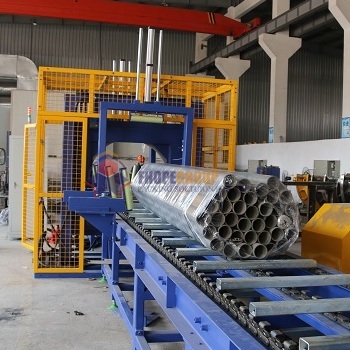
orbital shrink wrapper for Rolls of Fabric, Non-wovens
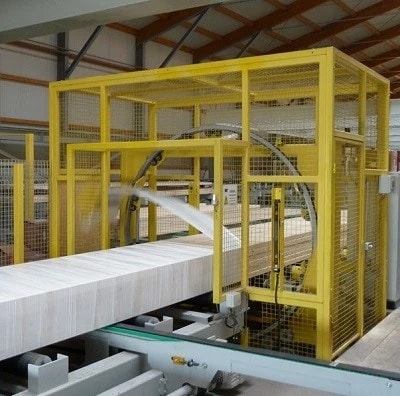
Orbital shrink wrapper uses a speed control inverter and foot pedal to wrap the film around the product for the required time. Once the package is wrapped, the shrink wrapper automatically cuts and seals the film, resulting in a perfectly wrapped package. Trust us to deliver the best possible packaging solutions for your business needs.
orbital shrink wrapper for Rolls of Fabric, Non-wovens
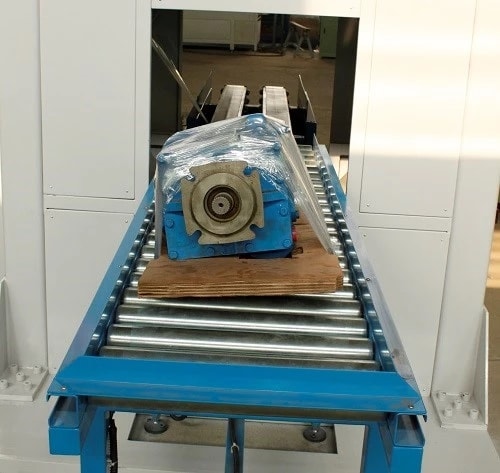
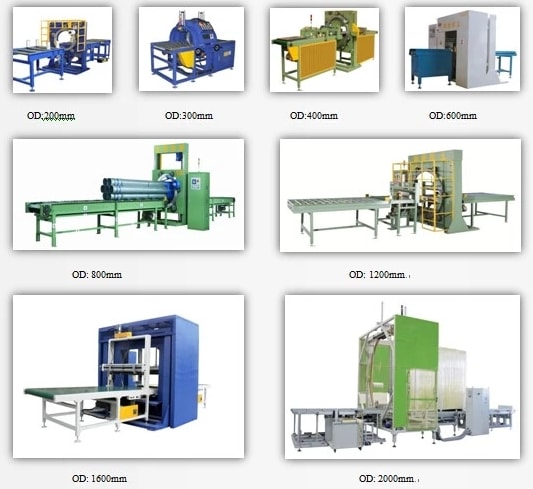
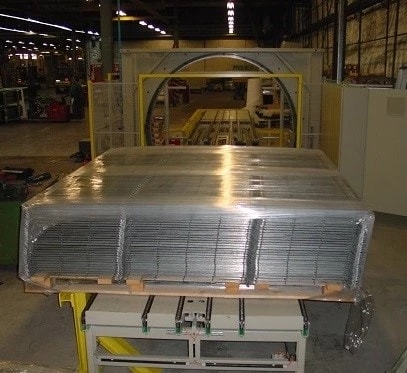
Visual Details
Click to enlarge
Click to enlarge
Click to enlarge
Click to enlarge
Watch How It Works
Discover how our automated packaging solutions optimize your production line efficiency. This video demonstrates the seamless operation designed for maximum protection.
Total Roll Protection: Automating Fabric & Non-Woven Packaging
In the competitive textile and non-wovens market, the value of a product is defined by its pristine, ready-to-use condition. From high-performance geotextiles to delicate apparel fabrics, maintaining material integrity from the slitter to the customer is paramount. As supply chains demand greater speed and quality assurance, traditional, labor-intensive packaging methods are proving to be a weak link, creating unacceptable levels of waste, contamination, and inefficiency.
The Problem: The High Cost of an Exposed Roll
For manufacturers of rolled goods, the journey from production to end-use is fraught with risk. The standard practice of manually bagging rolls or wrapping them by hand with stretch film is a slow, inconsistent process that leaves valuable material vulnerable to a host of costly damages.
The primary pain points are a consistent drag on profitability:
- Contamination and Moisture Damage: Rolls wrapped manually often have exposed ends, creating an entry point for dust, dirt, and moisture. This can lead to discoloration, staining, or even mold growth on the outer layers of the roll, rendering yards of material unusable.
- Physical Damage and Abrasions: Inconsistent wrapping tension can allow the roll to shift, leading to tears, snags, and abrasions from contact with pallets, forklifts, and other rolls during transit.
- Throughput Limitations and Labor Costs: Manual wrapping is a major bottleneck. It is physically demanding, requires significant labor hours, and its speed is entirely dependent on operator skill and endurance, limiting the overall output of the production line.
A plant manager for a leading non-wovens manufacturer describes the operational challenge:
"We struggle with consistency. Our team does its best, but manual wrapping is an art, not a science. One roll is too loose, the next is too tight, and the ends are never perfectly sealed. It's our slowest process and, ironically, the point where our clean, engineered material is most likely to be compromised."
This frustration is amplified by the end-user. A purchasing manager at a large-scale garment factory adds:
"Our biggest frustration is receiving a roll of premium fabric with dirt or a tear on the outer layers. We have to cut off and scrap the first 10 to 20 yards, which completely disrupts our automated cutting tables and throws our yield calculations into disarray. We need material that is perfect from the very first inch."
The Solution: A Seamless Cocoon of Engineered Protection
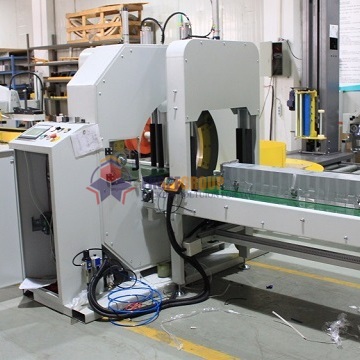
The modern horizontal orbital stretch wrapper provides a definitive, automated solution that systematically eliminates these issues. It transforms the packaging process from a manual art form into a precise science, encasing each roll in a secure, stable, and completely sealed cocoon of high-performance stretch film.
The step-by-step process is a showcase of mechanical efficiency:
- A roll of fabric or non-woven material is placed on the infeed conveyor.
- Photo-eye sensors detect the roll's diameter and length, automatically initiating the pre-programmed wrapping cycle.
- The roll is conveyed horizontally through a high-speed vertical ring that orbits around it, applying multiple layers of stretch film under precise tension.
This operation is driven by key technologies designed for the specific needs of rolled goods:
- Powered Pre-Stretch Carriage: This critical system elongates the LLDPE stretch film by up to 300% before application [citation needed]. This multiplies the film’s strength and puncture resistance while drastically cutting film consumption per roll.
- Adjustable Film Tension Control: The PLC-driven system allows for precise, electronically controlled film tension. This ensures delicate, easily compressed materials are wrapped securely without being crushed, while heavy, dense rolls receive the high tension needed for stability.
- "Cocoon" Wrapping with End-Closing: The wrapper can be programmed to pause the conveyor feed while the ring continues to apply film, completely covering the flat ends of the roll. This "cocoon wrap" creates a total 6-sided, weatherproof seal, eliminating the primary point of contamination.
- Automatic Cut and Clamp System: At the cycle's end, a mechanical system automatically clamps, cuts, and smooths the film tail against the roll. This creates a clean, professional finish and ensures the line is immediately ready for the next roll, eliminating manual cutting.
- PLC Recipe Storage: The HMI allows operators to store dozens of wrapping "recipes" for different products. A single touch can call up the exact tension, number of layers, and cocooning settings for any given SKU, ensuring perfect, repeatable results every time.
This automated process can wrap, seal, and protect a roll in under 45 seconds, turning a production bottleneck into a high-speed, value-adding process.
Comparative Analysis: The ROI of Automated Protection
| Metric | Manual Bagging / Hand Wrapping | Horizontal Orbital Wrapper |
|---|---|---|
| Packaging Throughput | 10 - 15 Rolls / Hour (Per Person) | 80 - 120+ Rolls / Hour |
| End-of-Roll Protection | Poor (Ends often exposed or poorly sealed) | Excellent (Total 6-sided "cocoon" seal) |
| Contamination/Damage Rate | High (Up to 5-10% material loss) [citation needed] | <0.5% |
| Film Cost Per Roll | High (No pre-stretch, high waste) | Low (300% pre-stretch maximizes film yield) |
| Labor Requirement | High (1-2 operators, physically demanding) | Minimal (1 operator for loading/monitoring) |
| Process Consistency | Low (Varies by operator and shift) | 100% Repeatable (PLC-controlled) |
User Testimonial: Measurable Gains in a Real-World Facility
[Advanced Technical Textiles], Operations Director reports: "Before we automated with an orbital wrapper, packaging was our least controlled process. After the installation, we have increased our end-of-line throughput by over 500% and have completely eliminated customer complaints related to shipping damage or contamination. The machine provides a level of brand protection that manual wrapping could never achieve."
The Future: Delivering on the Promise of Quality
In a global market, the integrity of the supply chain is a direct reflection of brand quality. For manufacturers of fabrics and non-wovens, ensuring that products arrive at their destination in the same pristine condition they left the factory is no longer an aspiration, but a competitive necessity. Orbital wrapping technology offers a clear, justifiable path to achieving this goal, reducing waste, and building customer trust, one perfectly protected roll at a time.
Trusted by Steel Mills & Industry Leaders
Global manufacturers rely on FHOPE heavy duty packaging equipment


Ready to optimize your packaging line?
Get a custom quote with ROI analysis. Our engineers respond within 24 hours.
- Free layout design
- Global installation support
- 2-year warranty included
Your information is secure and will never be shared.
Related Machines
tab orbital wrapper
View Details →
used orbital wrapper
View Details →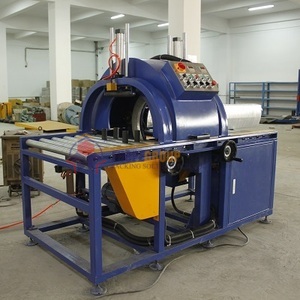
horizontal wrapping machine for sale
View Details →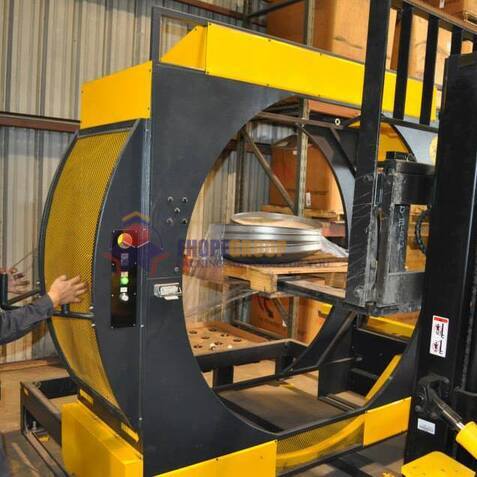
Yellow Jacket Pallet Wrappers
View Details →
Yellow Jacket Orbital Stretch Wrappers
View Details →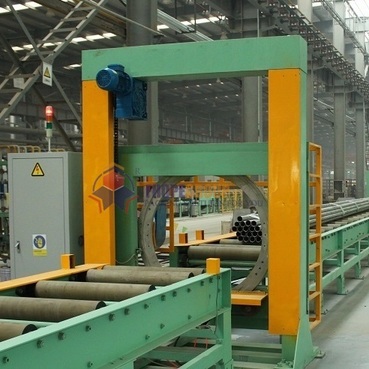
used horizontal stretch wrapping machines
View Details →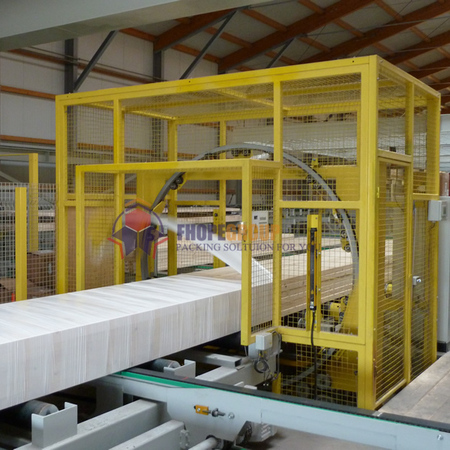
horizontal shrink wrapping machine
View Details →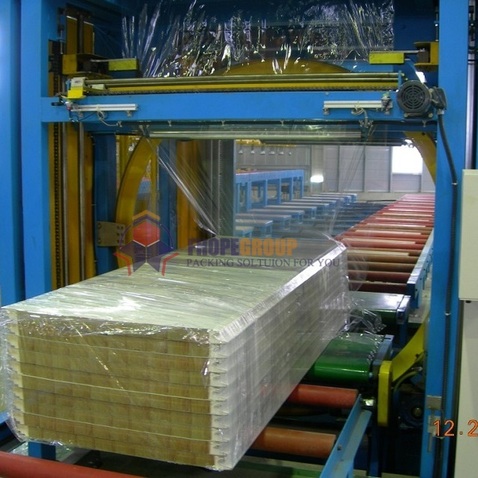
horizontal stretch wrapping machine for C-Channel Beams)
View Details →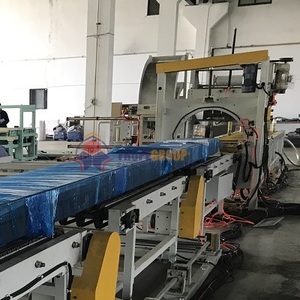
horizontal pallet wrapping machine
View Details →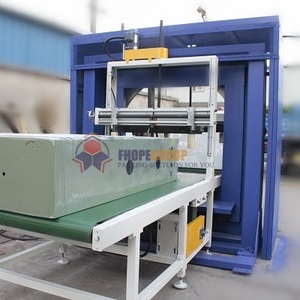
horizontal wrapping machine price
View Details →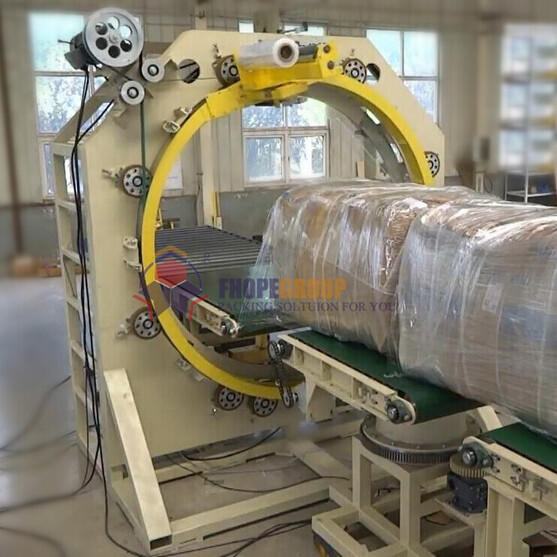
orbital stretch wrapper for sale
View Details →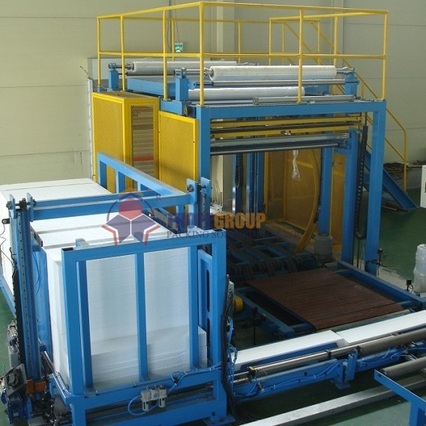
orbital stretch wrapper used
View Details →
orbital pallet wrapper
View Details →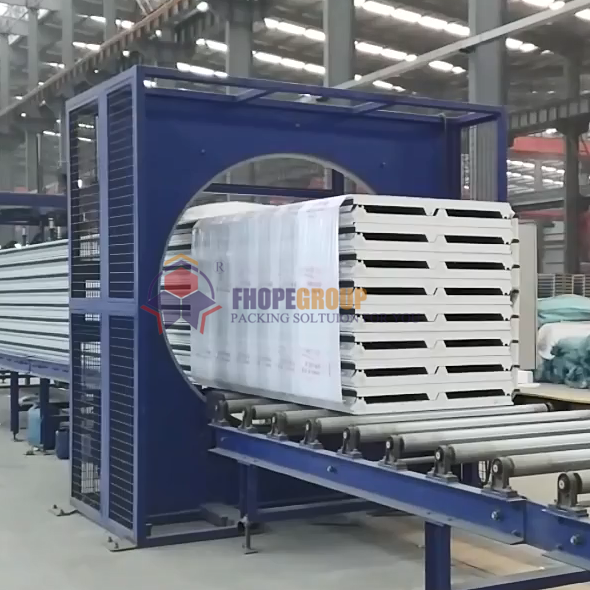
orbital stretch wrapper price
View Details →
Orbital Wrappers
View Details →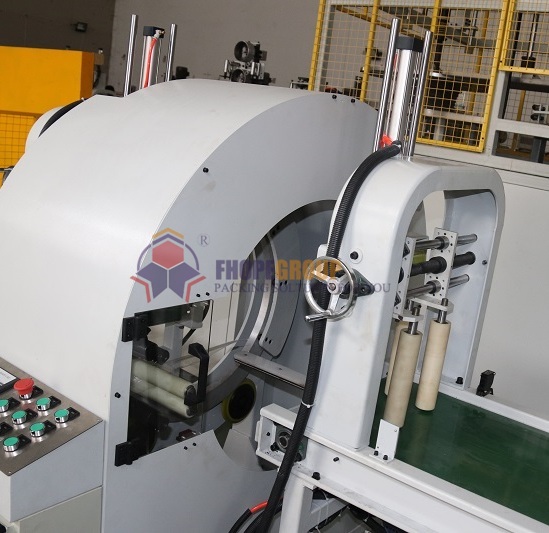
Horizontal stretch wrapping machines for timber and planks
View Details →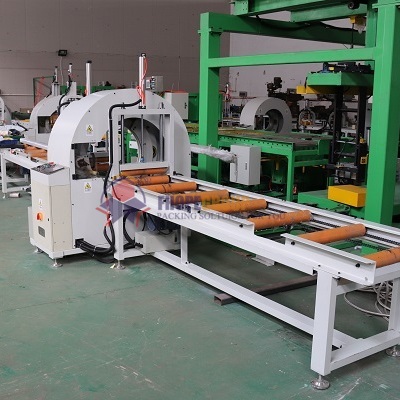
Automatic Orbital Wrapping Machine manufacturer
View Details →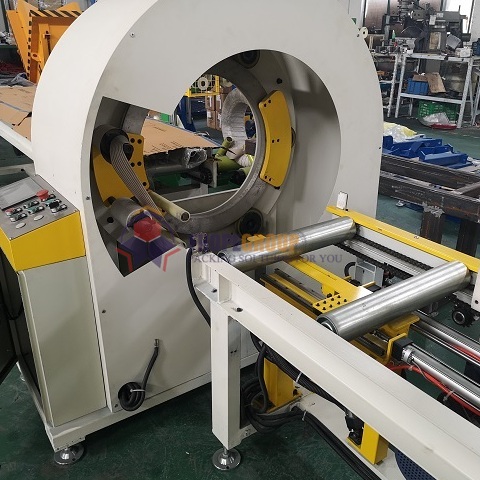
China Horizontal Wrapping Machine Factory
View Details →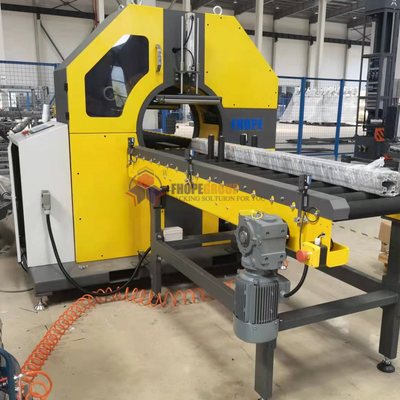
used horizontal orbital wrapper for sale
View Details →