Summary: This guide outlines selection criteria for pallet stretch wrapping systems, emphasizing the need to align equipment with facility power, floor stability, and load height constraints. It details how automatic systems maintain constant tension to prevent shifting and accommodate various pallet sizes and weights. The text advises procurement teams to verify these operational parameters to avoid film waste and mechanical failure.
⚙️ Scope
Procurement teams must verify that each pallet stretch wrapping system aligns with facility power requirements, floor stability limits, and maximum load heights to prevent costly installation delays and ensure consistent packaging quality across all daily shipping operations.
Procurement teams often select pallet wrapping machines based solely on speed rates, overlooking critical factors like maximum stack height and electrical needs. This selection error leads to film waste, incomplete wraps, or mechanical failure during operation. Automated systems must align with the physical characteristics of shipping loads and the infrastructure of your packaging line.
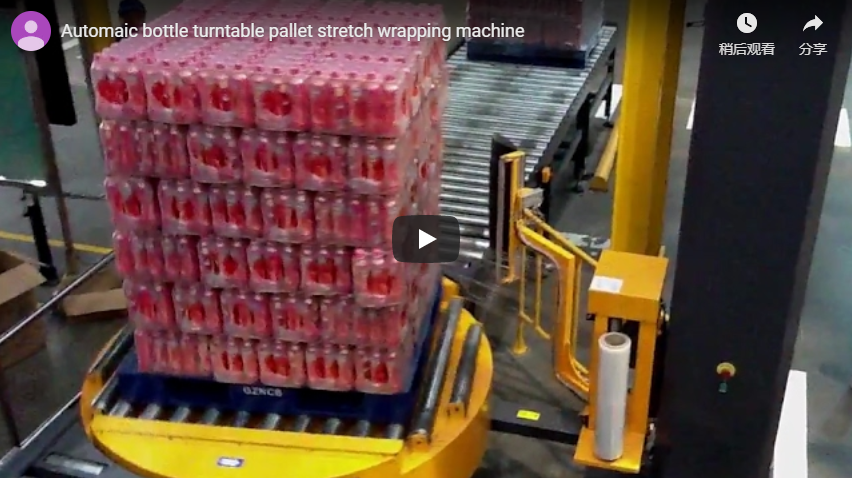
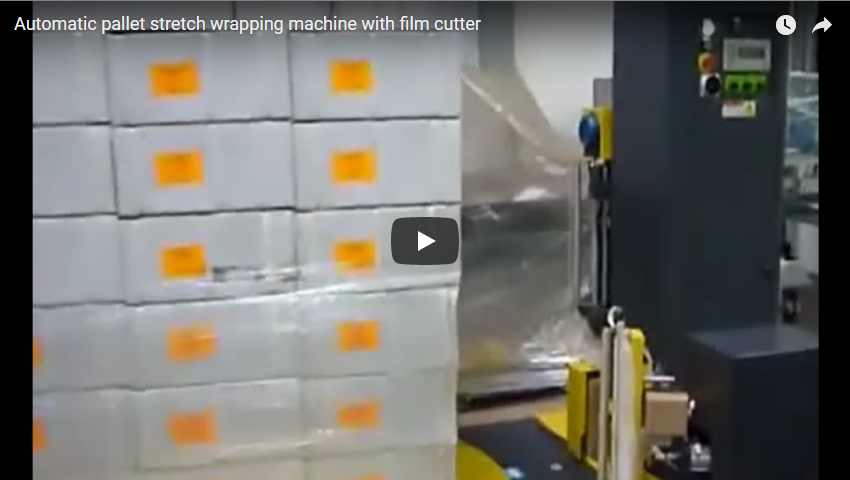
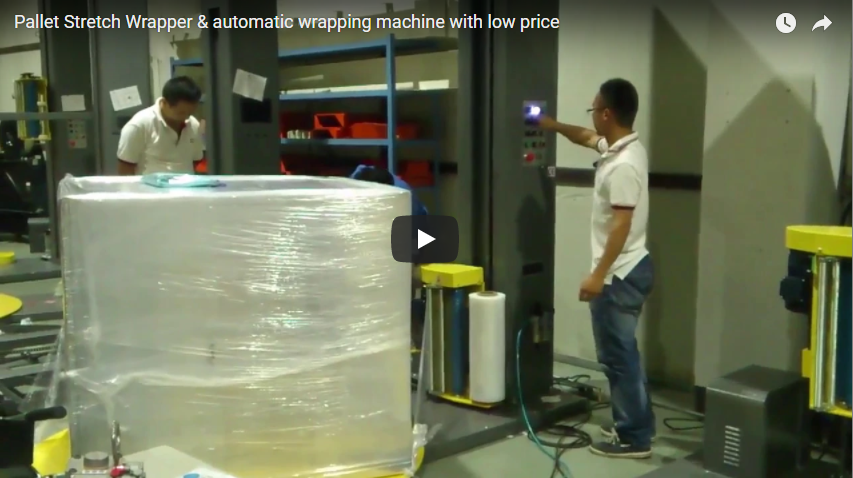
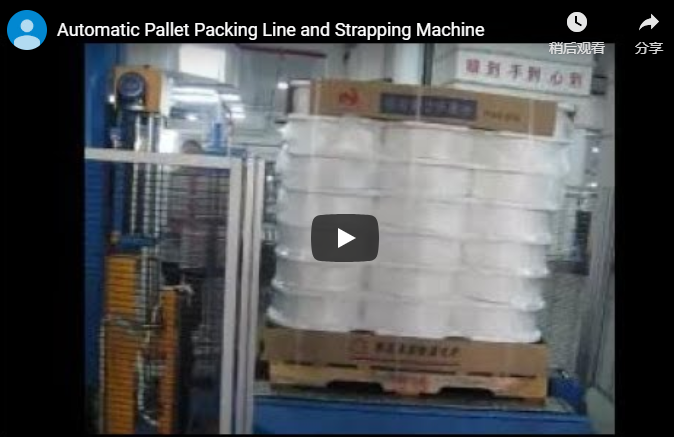
A pallet stretch wrapper secures goods using automated plastic film application. These units replace manual wrapping operations for high-volume logistics shipments. The automatic system maintains constant tension across all layers to prevent shifting during transit. Operators load the unit, start the cycle, and retrieve the finished package. This workflow reduces handling time significantly while ensuring consistent protection.
Systems handle standard pallet sizes such as 1,000×1,200 mm with standard configurations. Custom models accommodate loads up to 1,600×2,000 mm for oversized goods. Maximum weight capacity reaches typical industry limits of 5,000 kg for heavy-duty variants designed for dense materials. Wrapping speed ranges from 30 to 80 loads per hour depending on the machine design and film carriage type.
| Parameter | Standard Specification | Custom Capability |
|---|---|---|
| Load Size | 1,000 × 1,200 mm | Up to 1,600 × 2,000 mm |
| Max Weight | 2,000 kg | Up to 5,000 kg (typical) |
| Speed | 30–50 loads/hr | Up to 80 loads/hr |
| Film Tension | 30–150 N (Mechanical) | Adjustable servo control |
| Power Supply | 380V / 50Hz | 220V or 480V options |
| Safety Certs | CE, ISO 12100* | OSHA compliance available |
*CE and ISO 12100 refer to European conformity and international machinery safety design standards.
For applications requiring flexible arm coverage to accommodate irregular shapes, the semi-automatic rotary stretch wrapper provides precise film application with adjustable carriage paths. View Rotary Arm Options. Mobile robot wrappers offer transportability for decentralized wrapping needs where fixed infrastructure is limited or load sizes vary drastically across shifts. Explore Mobile Wrappers.
🛠️ Checklist Body
The selection checklist verifies mechanical compatibility, power requirements, and film handling capabilities for pallet wrapping machines to ensure seamless integration with existing workflows, minimize unplanned downtime, and protect your operational budget from costly retrofit expenses during initial deployment.
Procurement verification requires a systematic review of installation conditions and operational demands. The following items ensure the packaging system integrates correctly with existing workflows. Each checkbox represents an actionable inspection point for engineering or logistics personnel.
-
[ ] Verify pallet dimensions against machine turntable or rotary arm clearance limits. Business outcome: Prevents load overhang damage and reduces film waste by ensuring proper coverage.
-
[ ] Confirm maximum load height does not exceed film carriage travel range. Business outcome: Eliminates incomplete wraps that cause product shifting during transit.
-
[ ] Check power supply matches voltage and phase requirements under facility conditions. Business outcome: Avoids expensive electrical upgrades and installation delays after delivery.
-
[ ] Validate film roll diameter fits the dispenser spindle capacity for continuous operation. Business outcome: Maintains production line speed by reducing frequent film changeover interruptions.
-
[ ] Ensure safety guards comply with ISO 12100 risk reduction standards. Business outcome: Meets regulatory compliance to prevent workplace incidents and potential operational shutdowns.
-
[ ] Review throughput rate against production line synchronization needs. Business outcome: Prevents bottlenecks that delay outbound shipments and increase labor overtime costs.
-
[ ] Assess floor flatness tolerance to prevent mechanical binding during rotation. Business outcome: Reduces long-term repair costs by minimizing vibration-induced wear on moving parts.
Mechanical compatibility depends on precise dimensional matching. Pallet stretching equipment must accommodate the largest pallet size in the workflow without overhang interference. Standard turntable diameters support 1,200 mm pallets with adequate margin for film overlap. Rotary arm models offer variable radius coverage for non-standard footprint loads.
Film handling capacity directly impacts operational uptime. The dispenser mechanism must accept rolled materials with core sizes compatible with the spindle adapter. Typical industrial rolls range from 300 mm to 500 mm in outer diameter. Verify that the film weight allows sufficient runtime between changeovers based on average load consumption rates.
Power infrastructure requirements vary by configuration. Systems connect via standard industrial interfaces. Power supply connects via 380V/50Hz interface under standard conditions. Some regions require 220V single-phase or 480V three-phase variants for specific motor loads. Confirm electrical availability before installation to avoid retrofit costs.
Safety compliance is mandatory for all pallet packing machines. Guards must enclose moving parts and include interlock switches. The system halts operation immediately when guards open during active cycles. ISO 12100 defines general principles for design. Local regulations may impose additional requirements such as OSHA standards in specific jurisdictions.
| Verification Area | Requirement Description | Acceptance Condition (Cost/Uptime Impact) |
|---|---|---|
| Load Geometry | Max height and overhang | Within machine envelope specs to prevent product damage |
| Electrical Match | Voltage, Phase, Frequency | Matches facility supply exactly to avoid retrofit costs |
| Film Compatibility | Roll OD and Core ID | Fits dispenser spindle without adapters to maintain line speed |
| Floor Condition | Flatness deviation | Typical industry range required to prevent vibration wear |
| Throughput Sync | Cycle time vs line speed | No bottlenecks at ±10% tolerance to protect shipment deadlines |
🏗️ Pass/Fail Criteria
Equipment passes inspection when film tension remains within acceptable limits during continuous operation, ensuring consistent load stability without triggering safety stops, causing product damage, or creating bottlenecks that delay daily outbound shipments and protect your packaging budget.
Performance validation requires quantitative measurement against defined limits. These criteria distinguish acceptable machine behavior from defects that risk product damage or inefficiency. Testing should simulate worst-case load conditions including high center-of-gravity stacks and irregular shapes.
Film tension accuracy is the primary indicator of wrap quality. Mechanical tensioners may exhibit variation due to wear or temperature changes. Servo-controlled systems adjust force electronically for tighter consistency. Systems exceeding typical deviation limits risk film breakage or insufficient load stabilization, which directly increases material costs and transit damage claims.
Throughput rates must meet production targets without compromising quality. Speed adjustments should not introduce erratic motion or skip cycles. Wrapping speed achieves 20–50 loads per hour for standard rotary models under normal operating conditions. High-speed variants reach up to 80 loads/hr with optimized carriage acceleration profiles, directly impacting daily shipping capacity.
Protective packaging integrity confirms the system secures goods effectively. Completed packages must withstand simulated transit vibrations without film slippage or tear propagation. The packaging line output should show no visible gaps in film coverage for standard load sizes to prevent customer returns and liability claims.
| Parameter | Pass Limit (Cost/Uptime Impact) | Fail Condition (Business Risk) |
|---|---|---|
| Tension Accuracy | Within typical operational range | Excessive variation increases film waste and damage claims |
| Cycle Time | Within ±10% of rated speed | Consistent drops below target delay daily shipments |
| Safety Response | Immediate halt on guard activation | Delayed stop risks workplace incidents and compliance fines |
| Film Waste | Typical industry baseline usage | High excess indicates tension faults that inflate material costs |
| Noise Level | Standard operational volume | Excessive noise requires hearing protection and may violate site policies |
Blockquote: ROI Insight: Automated systems typically deliver return on investment within 12–18 months through labor reduction and film savings. Labor requirements decrease from 2–3 operators to 1 supervisor per shift when integrating automatic pallet wrappers into the workflow.
📈 Commonly Missed Items
Procurement teams frequently overlook floor space constraints, maintenance access zones, and drainage requirements when installing pallet packing machines, which leads to unexpected facility modifications and extended commissioning timelines that strain project budgets and delay first-time revenue generation.
Installation planning requires more than just machine dimensions. Facility layout must account for operator safety zones, service access, and material flow paths. Missing these details often results in costly modifications after delivery.
Maintenance access is critical for sustained performance. Wrapping machines require regular lubrication of moving guides and tension calibration to prevent drive slippage that affects speed consistency. A typical maintenance schedule includes weekly lubrication of moving parts and monthly tension recalibration based on usage intensity. Access panels must remain unobstructed to allow technician entry without disassembly, minimizing unplanned downtime.
Floor requirements extend beyond load capacity. Turntable models exert dynamic forces during rotation. Floor flatness deviations cause vibration and accelerated wear on bearings. Floor surface must support point loads up to the machine’s own weight plus dynamic factors. Drainage may be necessary in washdown environments common in food or beverage logistics to prevent corrosion and safety hazards.
Film core compatibility is a frequent procurement oversight. Dispensers designed for specific core sizes cannot accommodate alternative roll formats without adapters. Verify that incoming film specifications match the dispenser hardware. Incompatibility forces manual intervention during film changes, reducing efficiency gains and increasing labor costs.
Spare parts inventory planning often receives insufficient attention. Critical components like tension rollers, cutters, and sensors should have backups on hand. Downtime costs can exceed equipment value within hours of a major failure. Establishing a minimum spare parts list based on supplier recommendations minimizes operational risk.
Blockquote: Cost Factor: Annual maintenance expenses typically range from 1.5% to 2.5% of the equipment purchase price for standard usage patterns, though actual costs vary by facility workload and environmental conditions. Budgeting for preventive maintenance extends component life and maintains warranty validity.
🛡️ Frequently Asked Questions
This section addresses critical procurement decision blockers regarding return on investment timelines, maintenance cost expectations, and compliance documentation requirements to support budget approvals, streamline vendor evaluations, prevent post-purchase operational delays, and ensure seamless facility integration.
What is the typical return on investment period for automated wrapping equipment? Automated systems typically deliver a return on investment within 12–18 months through labor reduction and film savings. Labor requirements decrease from multiple operators to one supervisor per shift when integrating automatic pallet wrappers into the workflow.
How often should maintenance be performed, and what are the associated costs? Daily cleaning removes film debris to prevent jamming. Weekly lubrication of guide rails reduces friction wear. Monthly calibration ensures tension accuracy remains within specification. Annual inspection covers drive belts and electrical connections. Maintenance costs typically average 1.5–2.5% of equipment value annually, depending on operating hours.
Do machines meet international safety standards, and what documentation is required? Standard configurations comply with CE marking requirements and ISO 12100 design principles for machinery safety. Safety interlocks, light curtains, and emergency stop circuits are standard features. OSHA compliance documentation is available for models shipped to North American markets. Verify specific certification requirements with the supplier during procurement to avoid customs or site acceptance delays.
What warranty coverage applies to major components versus consumables? W