Pallet Exchanger For Sale
The Pallet Exchanger For Sale offers a robust solution for industries looking to enhance operational efficiency by automating pallet transfers. It ensures safety, speeds up processes, and reduces workforce strain, making it an essential investment for any high-volume warehouse or manufacturing facility.
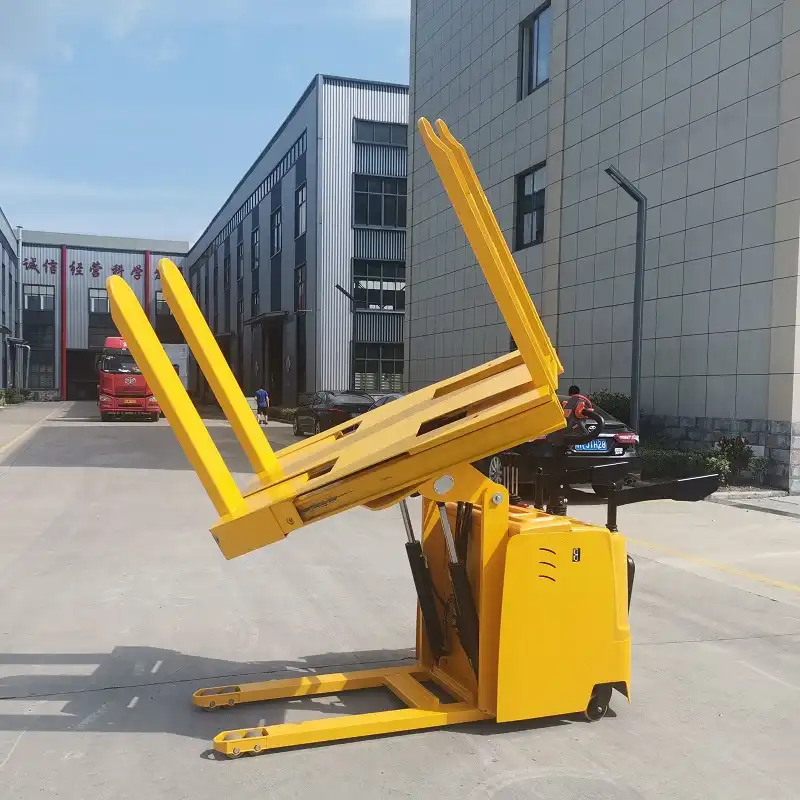
Pallet Exchanger For Sale
Visual Details
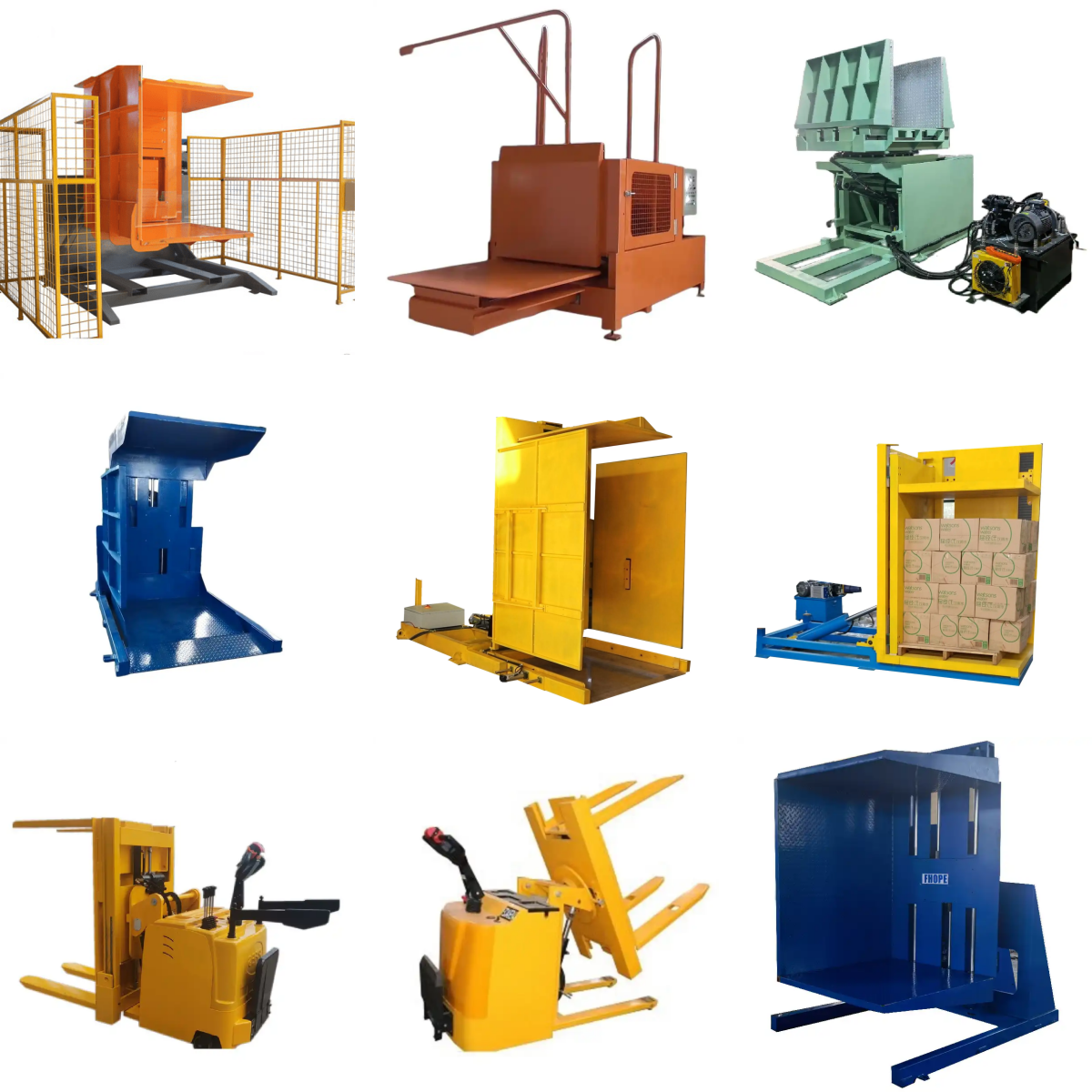
Click to enlarge
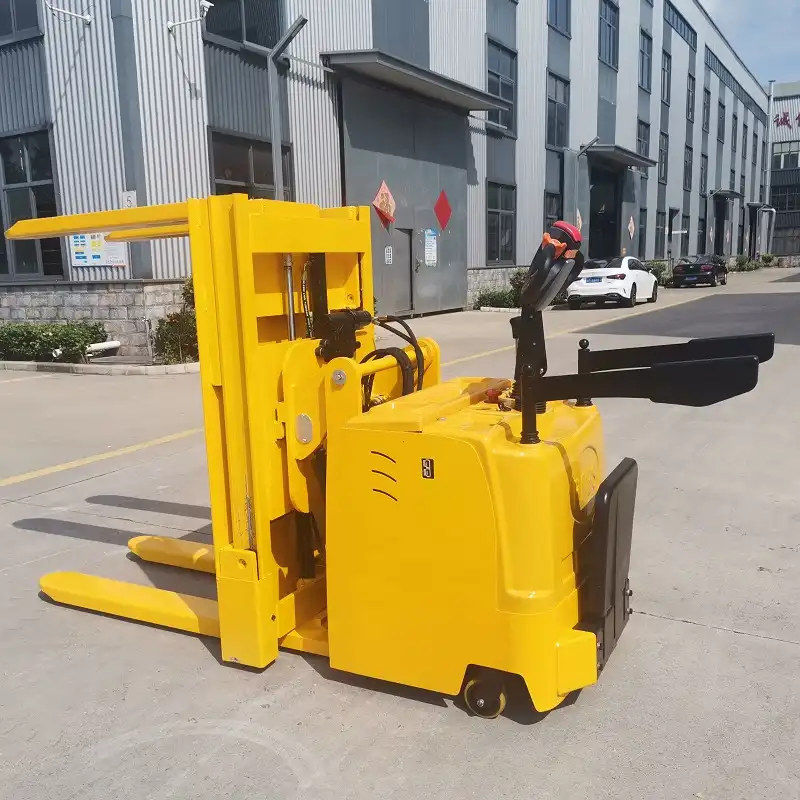
Click to enlarge

Click to enlarge

Click to enlarge
Watch How It Works
Discover how our automated packaging solutions optimize your production line efficiency. This video demonstrates the seamless operation designed for maximum protection.
Pallet Exchanger For Sale
Imagine walking into your warehouse and realizing just how much time and labor are lost every day due to outdated equipment. It’s frustrating, isn’t it? Yet, the solution could be simpler than you think: a pallet exchanger. This essential machine has become a game-changer in logistics and supply chain management, offering not only efficiency but also improved safety standards.
In today’s fast-paced industries, the demand for smarter solutions has skyrocketed. A pallet exchanger isn’t just a convenience; it’s a strategic investment that optimizes material handling while ensuring your operations remain cost-effective and future-ready. Whether you’re a seasoned warehouse manager or a curious buyer exploring options, this guide will take you through everything you need to know.
When I first started researching pallet exchangers, I didn’t realize how multifaceted their benefits were. Beyond the mechanics, these devices touch on critical elements such as labor cost reduction, safety improvement, and sustainability. Let’s explore these aspects in detail.
1. Why Do You Need a Pallet Exchanger for Your Operations?
1.1 What Makes Pallet Exchangers a Must-Have?
When I first encountered a pallet exchanger in action, I was struck by its simplicity and effectiveness. These machines handle the critical yet tedious task of replacing damaged pallets or switching between types (e.g., wooden to plastic) without manual intervention. Think about the time saved when switching out pallets becomes a hands-free process.
Pallet exchangers bridge the gap between outdated manual systems and the automated future of logistics. They optimize workflow, reduce downtime, and ensure your operations run smoothly.
1.2 How Do They Enhance Safety?
Safety in material handling is non-negotiable. Traditional methods of exchanging pallets often involve heavy lifting, awkward maneuvers, and, unfortunately, a higher risk of workplace injuries. This was a pressing issue in my own operations until I discovered pallet exchangers.
By automating this process, the chances of employee injuries decrease significantly. Features like hydraulic clamps and automated rotation mechanisms ensure the safety of both workers and goods, creating a win-win scenario.
1.3 The ROI of Investing in a Pallet Exchanger
At first glance, a pallet exchanger might seem like a hefty investment, but let me break it down for you. The cost savings emerge in reduced labor hours, fewer workplace accidents, and lower product damage rates. Over time, these machines pay for themselves.
Moreover, in industries like pharmaceuticals, food, and beverage, where hygiene and cross-contamination are concerns, pallet exchangers enable seamless pallet changes without compromising product quality.
2. What Are the Key Features of a Modern Pallet Exchanger?
2.1 Essential Functionalities You Should Look For
Every pallet exchanger isn’t created equal, and the differences lie in their functionalities. Look for features like adjustable clamps, multi-directional access, and compatibility with various pallet types. A versatile machine can adapt to your business needs without requiring constant upgrades.
When I chose my first pallet exchanger, these functionalities stood out as crucial. They determined how smoothly the machine integrated into our workflow and whether it delivered on its promise of efficiency.
2.2 Customization: Why It Matters
No two businesses have the exact same needs, and that’s where customization comes into play. Whether you need a compact design for a smaller warehouse or advanced automation for high-volume operations, finding a manufacturer that offers tailored solutions is essential.
Customization doesn’t just stop at size or speed. It extends to safety features, energy efficiency, and maintenance requirements. This is where I realized how pivotal it is to choose a machine that fits seamlessly into your existing setup.
2.3 How to Evaluate Build Quality and Durability
A pallet exchanger is a long-term investment, and durability plays a significant role in its value. Materials like high-strength steel and reinforced joints ensure the machine withstands daily wear and tear.
Don’t just rely on the manufacturer’s claims—ask for demonstrations or testimonials. In my case, seeing the machine in action revealed much more about its build quality than a spec sheet ever could.
3. How Do You Choose the Right Pallet Exchanger for Your Needs?
3.1 What Factors Should Guide Your Selection?
Choosing the right pallet exchanger isn’t just about the specs—it’s about aligning the machine with your operational goals. Start by evaluating your volume requirements, pallet types, and available floor space. When I first considered a pallet exchanger, I focused heavily on speed and capacity, only to realize later that energy efficiency and safety features were equally critical.
By tailoring your choice to your specific needs, you ensure that your investment yields maximum productivity without unnecessary compromises.
3.2 Why Does Operational Environment Matter?
Your warehouse environment plays a huge role in determining the type of pallet exchanger you need. For example, cold storage facilities require machines with materials and components designed to function in extreme conditions. On the other hand, high-traffic warehouses benefit from compact designs that optimize space usage.
Reflecting on my own experience, I found that understanding these nuances early saved me from costly retrofits later.
3.3 Common Pitfalls to Avoid When Selecting a Pallet Exchanger
Many businesses rush into purchasing decisions without evaluating long-term implications. For example, ignoring maintenance requirements or settling for a low-cost option can lead to frequent downtimes and higher repair costs. I’ve seen these mistakes firsthand and learned the value of choosing a reputable manufacturer with robust customer support.
It’s worth considering extended warranties, service contracts, and training programs to ensure seamless integration into your operations.
4. What Are the Benefits of Automating Pallet Exchanging?
4.1 How Does Automation Improve Efficiency?
Automation has become a cornerstone of modern logistics, and pallet exchangers are no exception. These machines drastically reduce the time required for manual pallet changes, streamlining workflows. I’ve seen how a single automated system can replace the output of multiple manual laborers, driving both productivity and cost savings.
From timed rotations to programmable adjustments, automation transforms what was once a tedious task into an effortless process.
4.2 Can Automation Reduce Labor Costs?
One of the first changes I noticed after adopting a pallet exchanger was the reduction in labor hours. Employees previously assigned to time-intensive tasks like pallet exchanges could be reallocated to more strategic roles. This not only reduced costs but also boosted employee morale by minimizing repetitive, physically demanding tasks.
4.3 Long-Term Sustainability and Environmental Impact
Automation doesn’t just improve efficiency—it also supports sustainability. By minimizing product damage and waste, pallet exchangers contribute to more eco-friendly operations. Additionally, machines designed with energy efficiency in mind lower overall power consumption.
As businesses increasingly adopt green practices, a pallet exchanger that aligns with these goals becomes a valuable asset. I’ve personally witnessed how integrating such systems enhanced both our operational efficiency and our environmental impact.
Conclusion
In the rapidly evolving world of logistics, investing in a pallet exchanger is more than just upgrading equipment—it’s about future-proofing your operations. These machines are the backbone of efficient, safe, and sustainable material handling, offering a clear pathway to reduced costs and improved workflows.
Trusted by Steel Mills & Industry Leaders
Global manufacturers rely on FHOPE heavy duty packaging equipment


Ready to optimize your packaging line?
Get a custom quote with ROI analysis. Our engineers respond within 24 hours.
- Free layout design
- Global installation support
- 2-year warranty included
Your information is secure and will never be shared.
Related Machines

Mobile Pallet Turner | Electric Forklift Pallet Changer
View Details →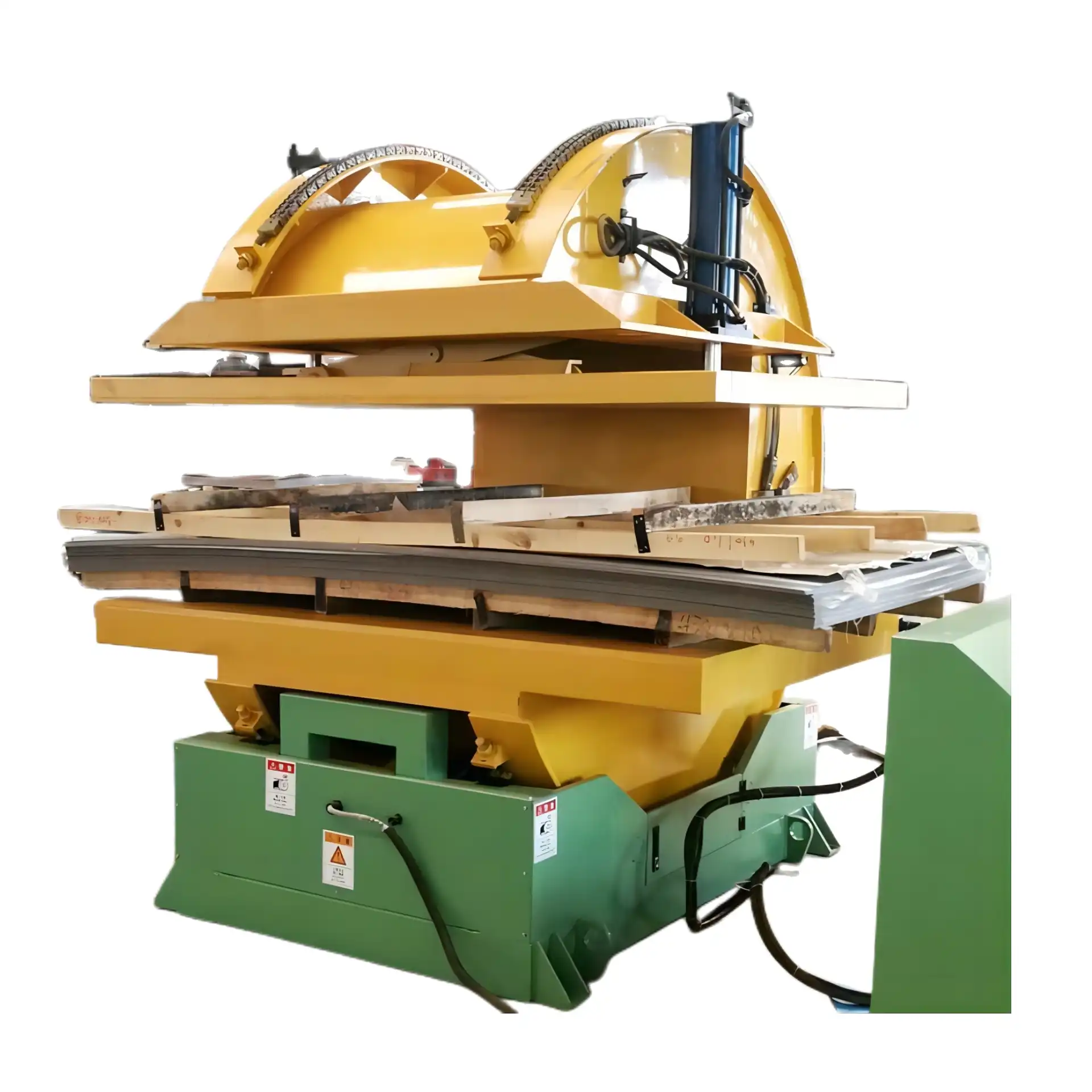
Steel Sheet Upender, Steel Sheet Inverter
View Details →
Hydraulic Upender Machines | Pallet Load Upenders
View Details →
Container Tilters
View Details →
Solar Panel Flipper
View Details →
Solar Panel Turning Machine
View Details →
Solar Panel Turnover Machine
View Details →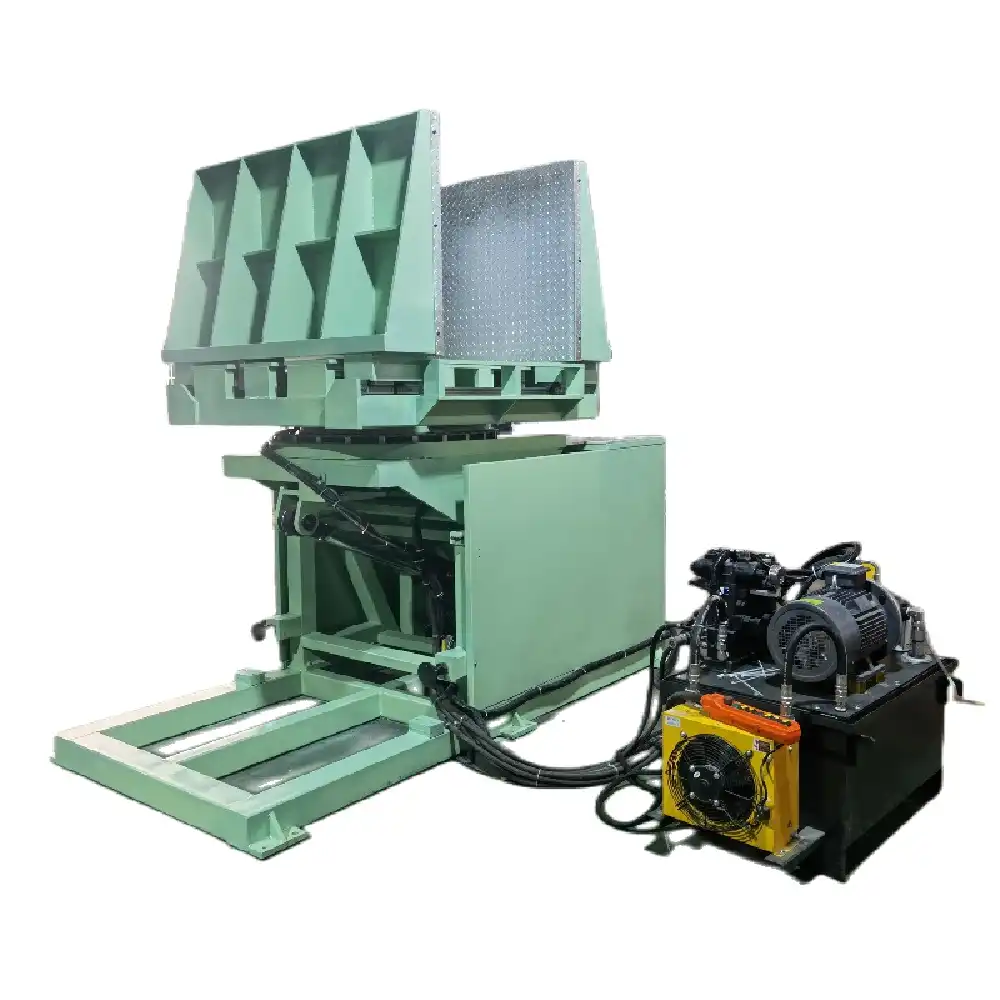
Stationary Pallet Exchanger
View Details →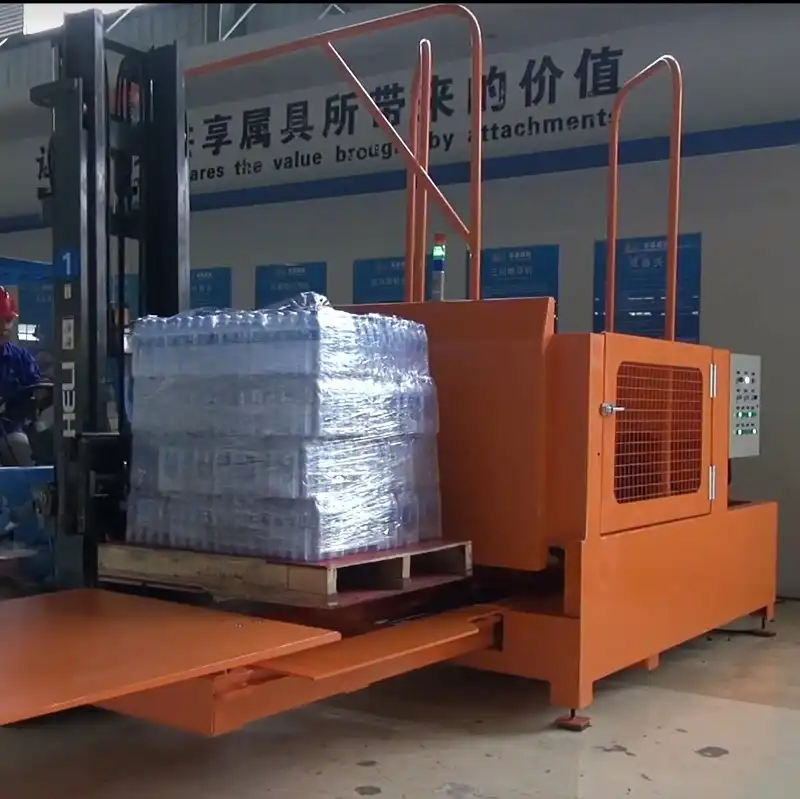
Inline Pallet Exchanger
View Details →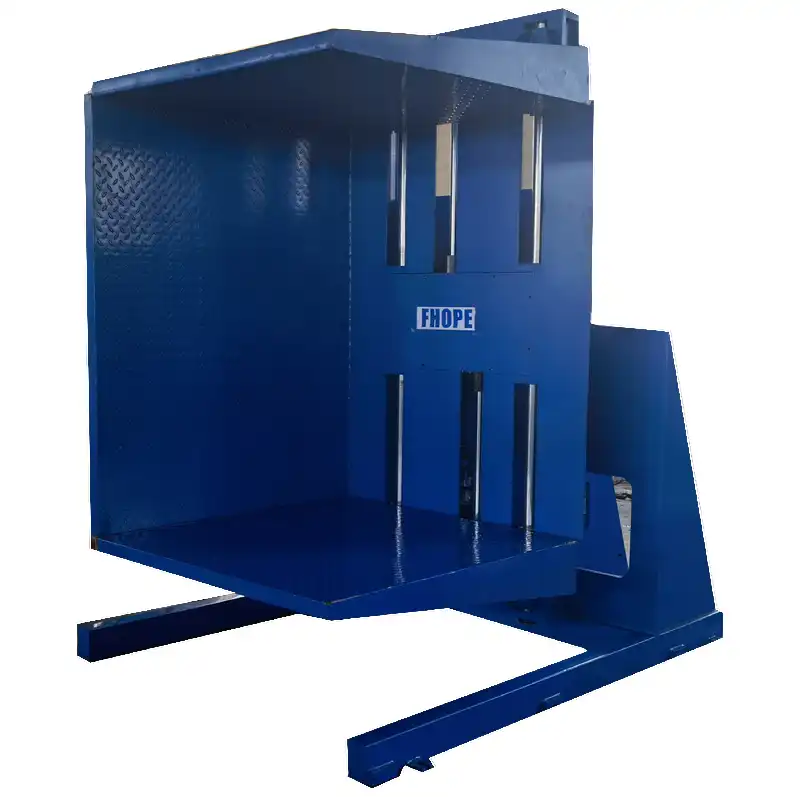
Automatic Pallet Exchanger
View Details →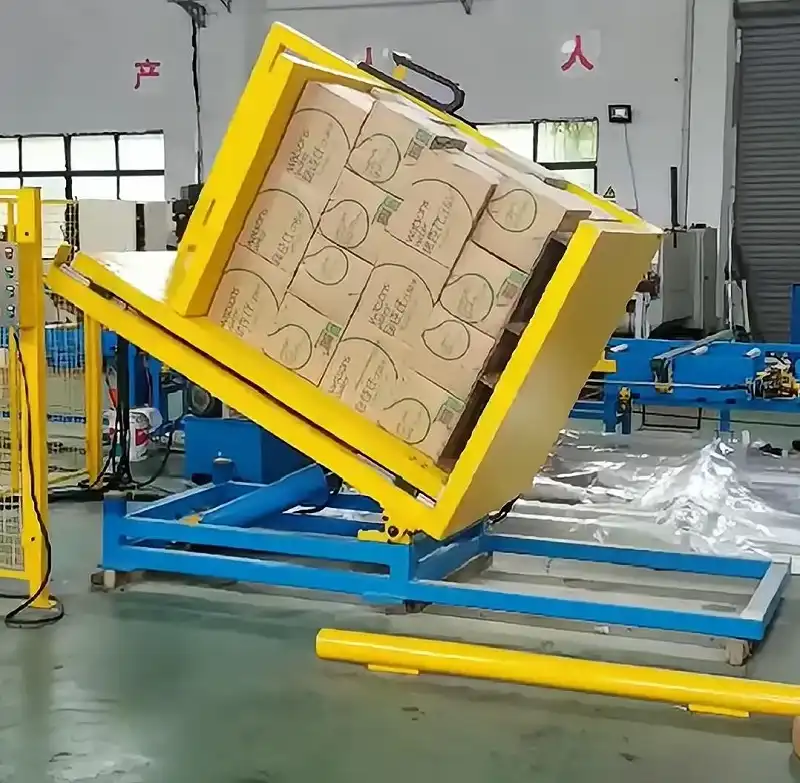
Used Pallet Exchanger
View Details →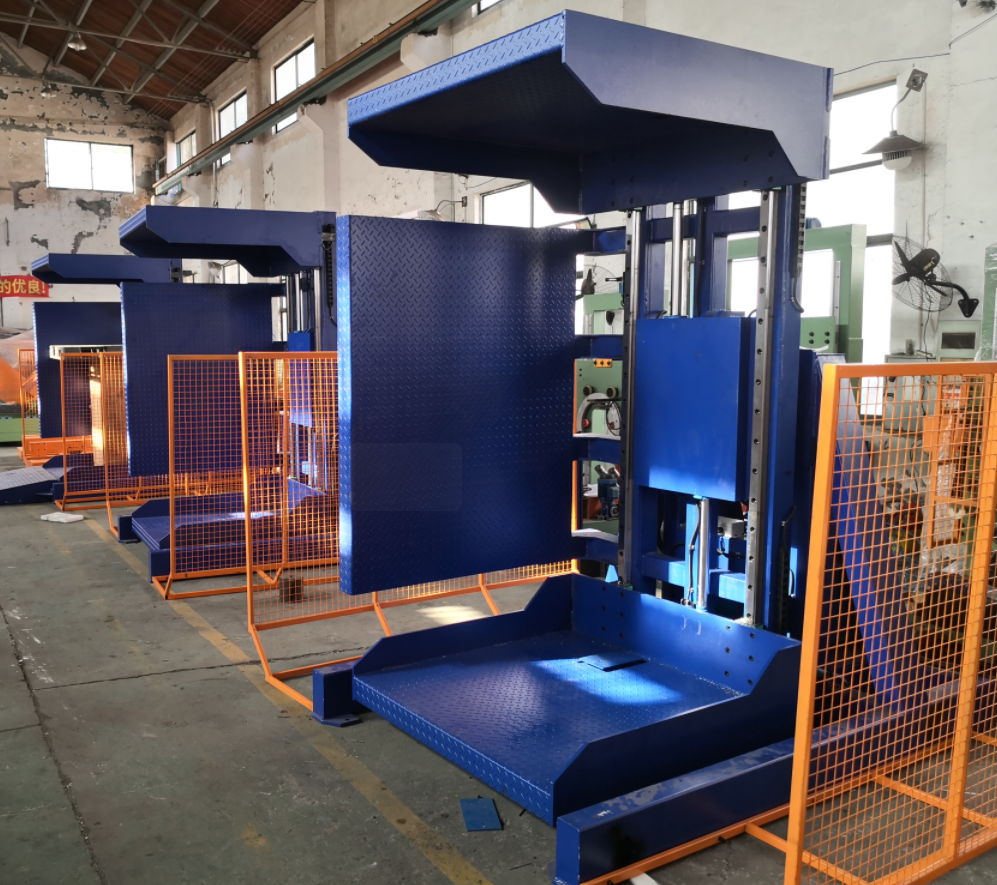
Pallet Exchanger Manufacturer
View Details →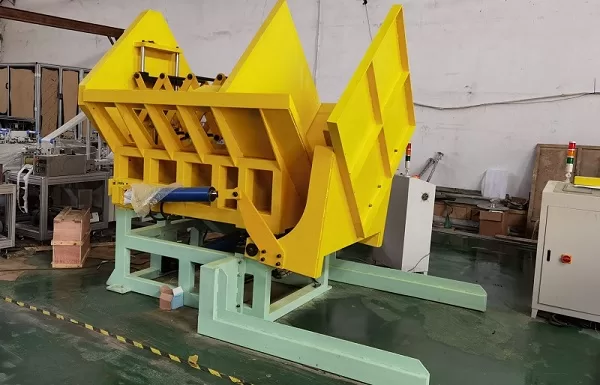
Pallet Exchanger Price
View Details →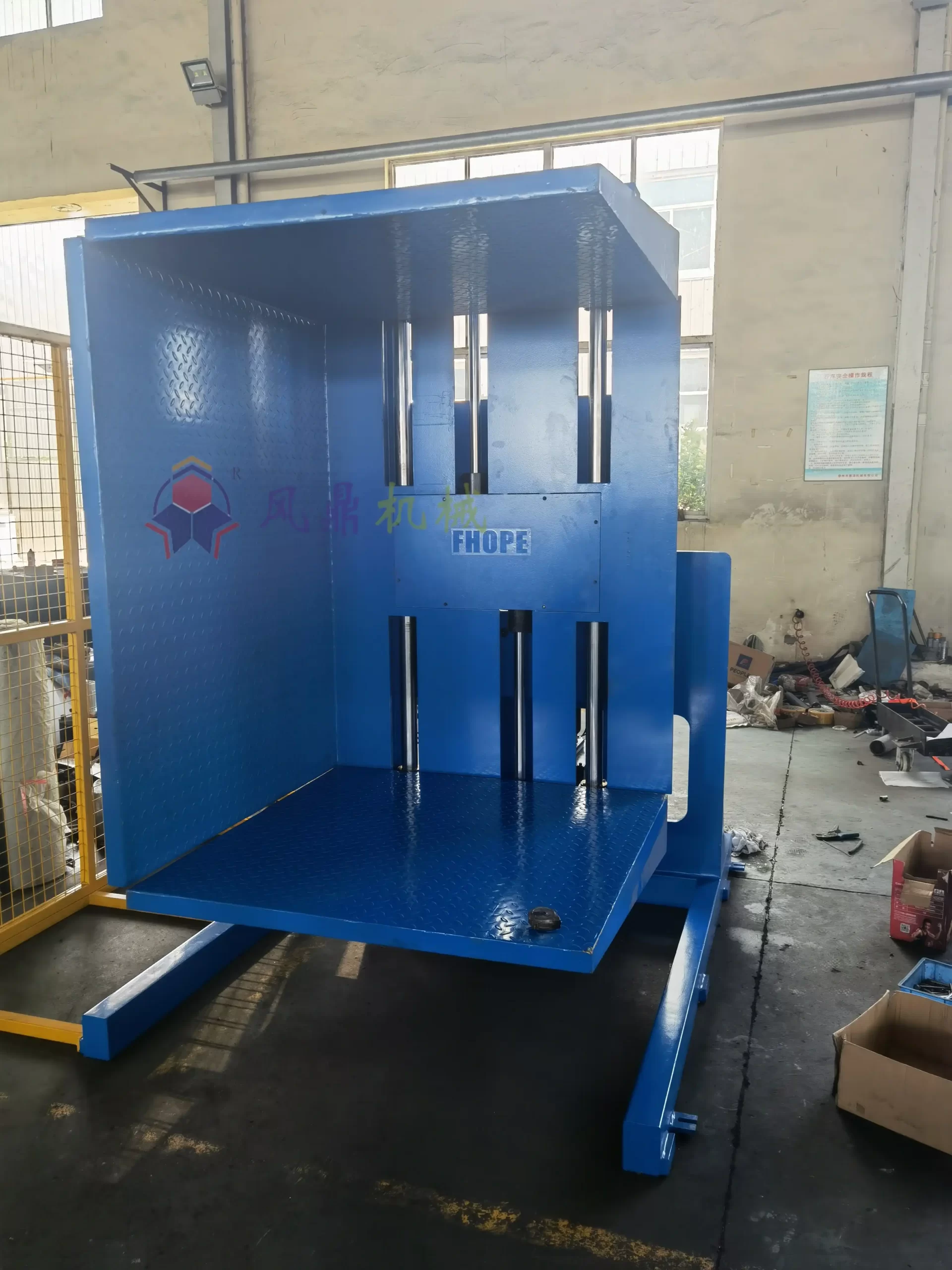
Pallet Exchanger Machine
View Details →
Pallet Exchanger Solutions
View Details →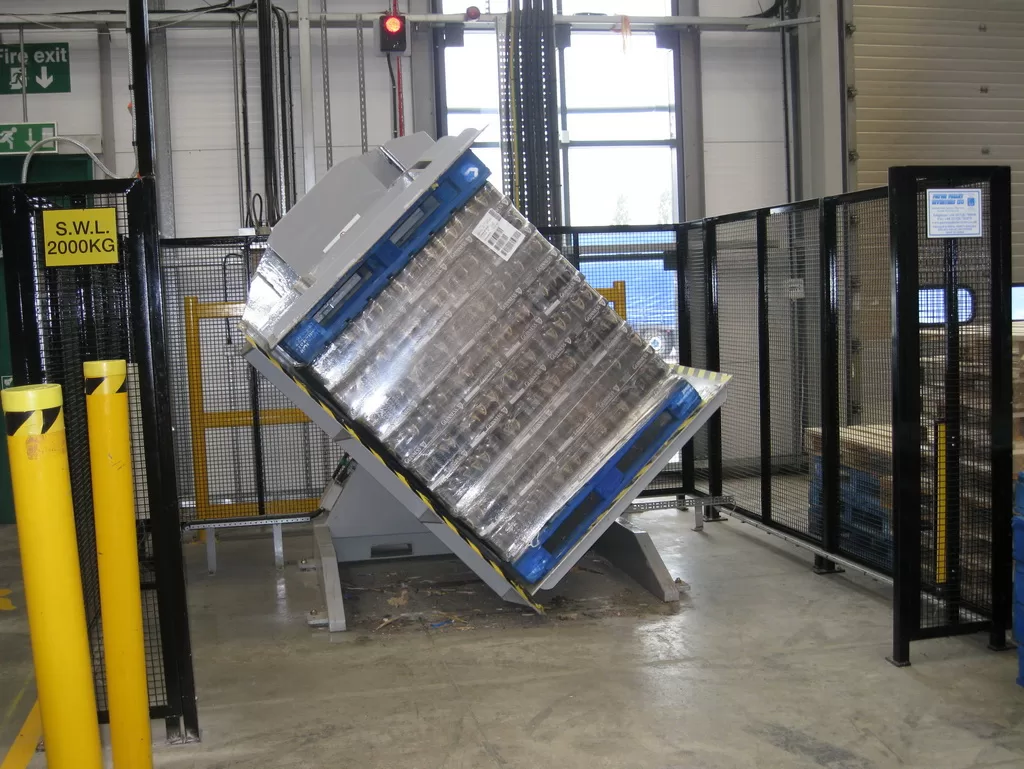
Pallet Rotator
View Details →
90° Tipper
View Details →
90 Degree Pallet Tipper
View Details →
Pallet Tipper For Sale
View Details →