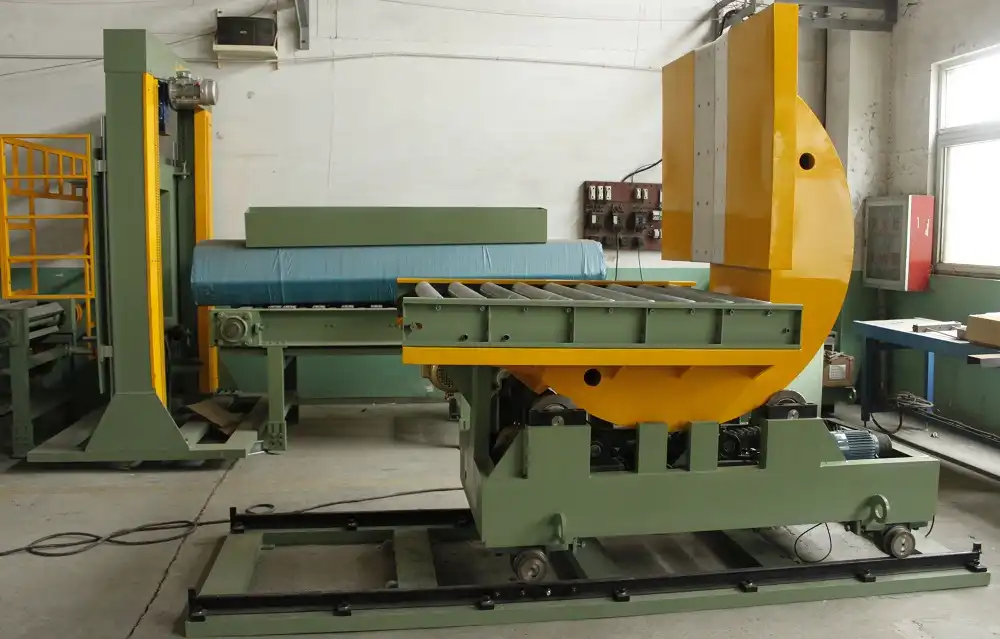
Coil Tilter Price | Coil tilter Cost
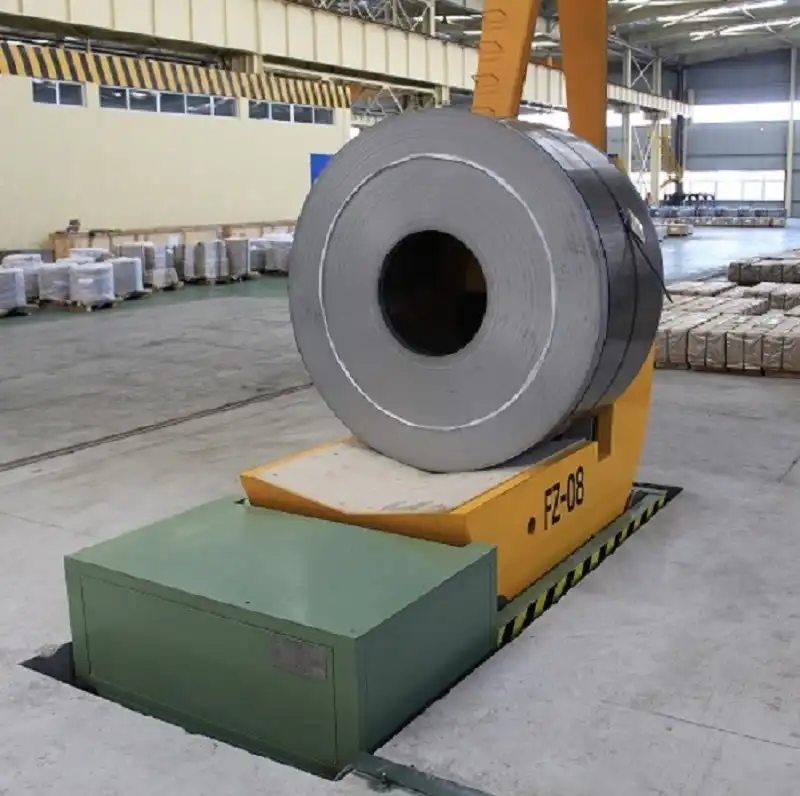
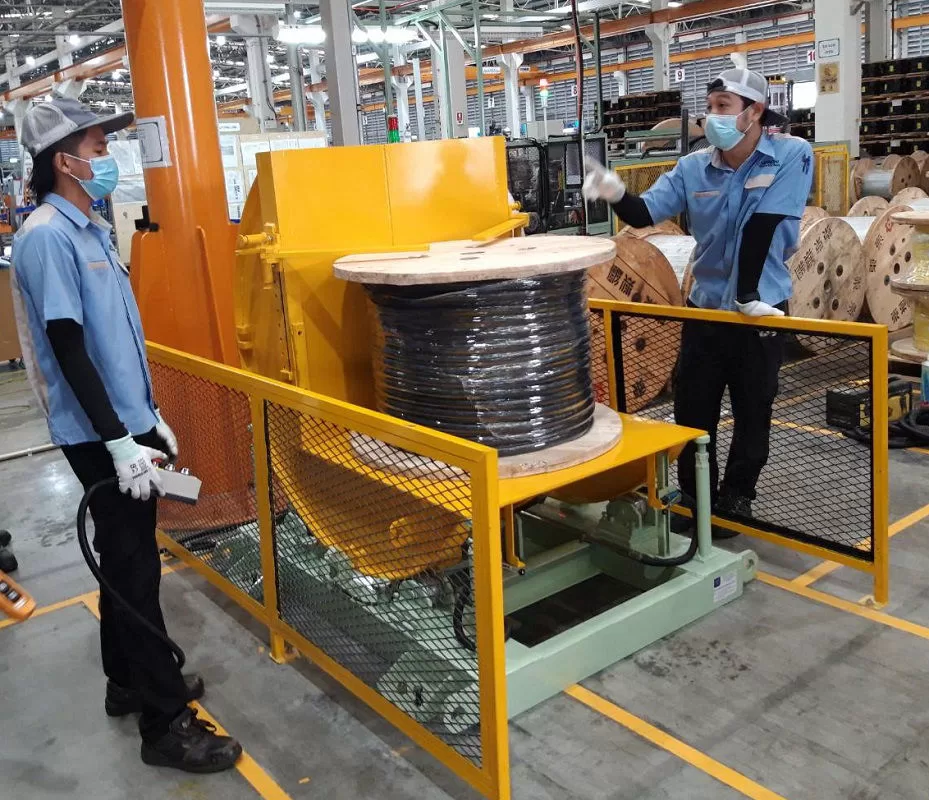
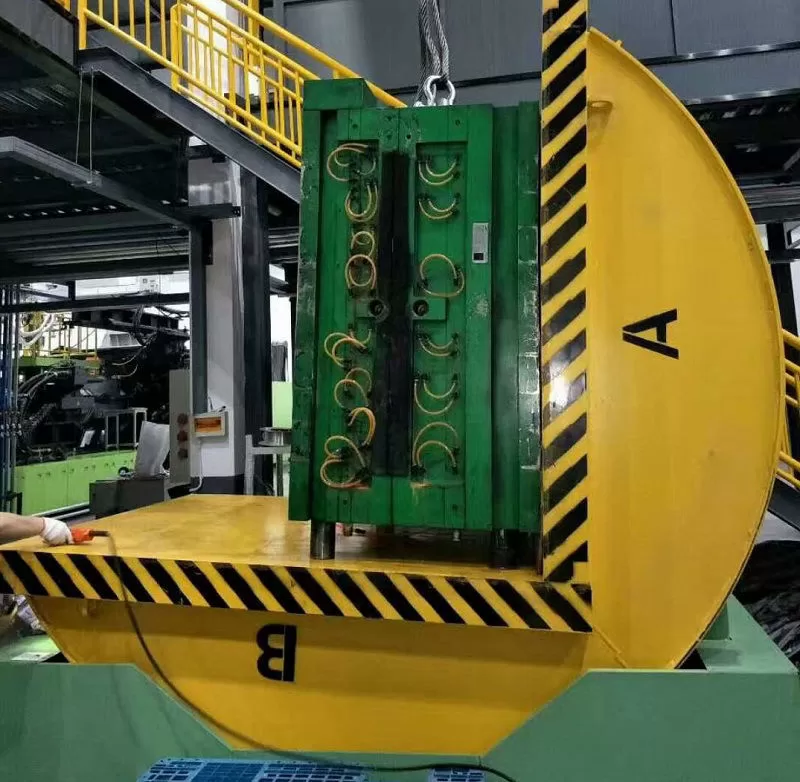
Coil tilters are essential for handling and rotating coils efficiently in industrial settings. Their price depends on factors like load capacity, automation level, and customization options. Basic models are cost-effective, while high-capacity or specialized designs are priced higher. Choosing the right tilter balances upfront costs with operational benefits.
Coil Tilter Price
Visual Details
Click to enlarge
Click to enlarge
Click to enlarge
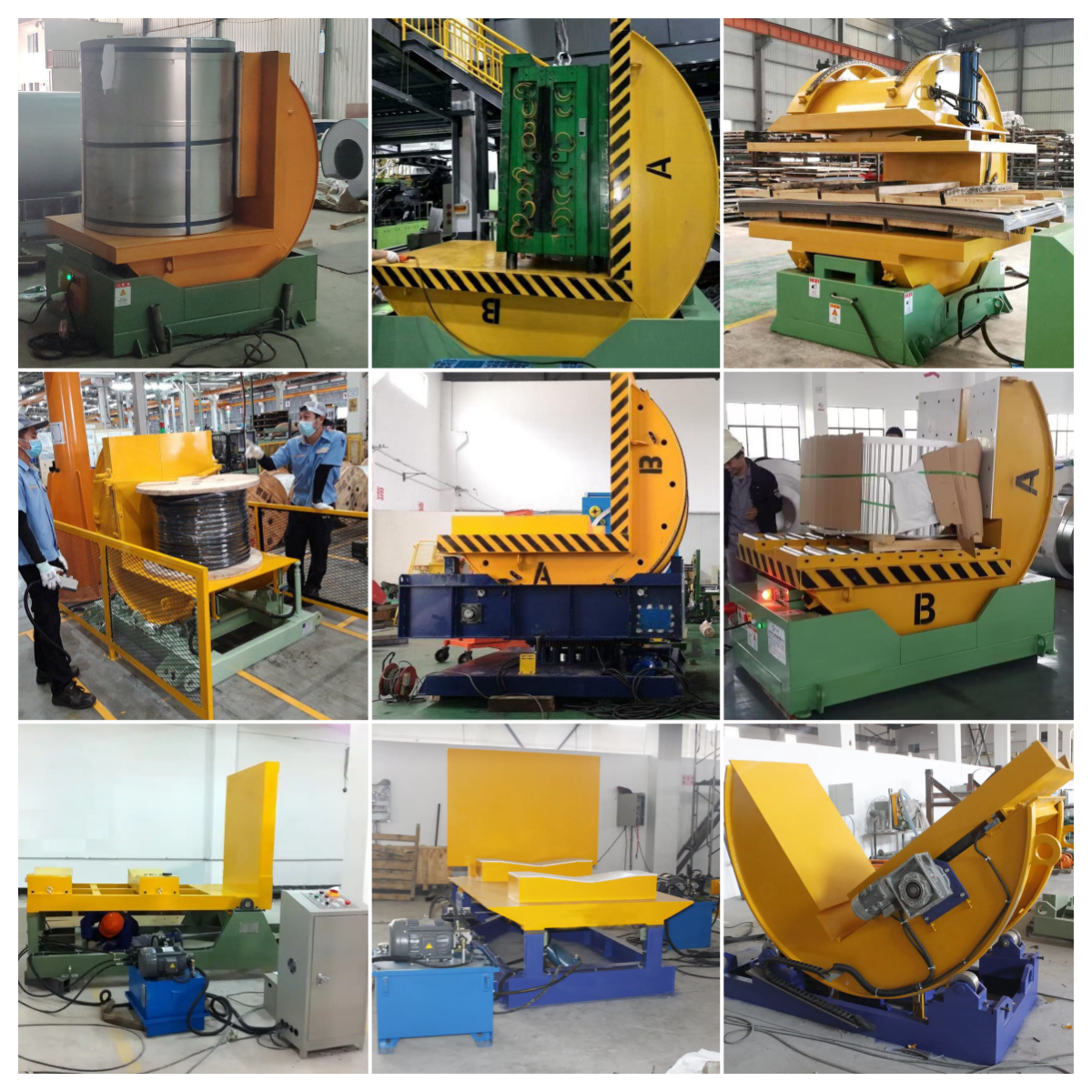
Click to enlarge
Watch How It Works
Discover how our automated packaging solutions optimize your production line efficiency. This video demonstrates the seamless operation designed for maximum protection.
Coil Tilter Price
Imagine walking into a bustling manufacturing facility, where precision and efficiency reign supreme. Amidst the organized chaos, heavy coils of metal are being maneuvered seamlessly, thanks to state-of-the-art machinery like coil tilters. As a decision-maker, understanding the costs associated with acquiring such equipment is crucial for making informed purchases that align with both your budget and operational goals. But what influences the price of a coil tilter? And more importantly, how can you navigate the market to find the best deal without compromising quality?
The pricing of coil tilters can be as complex as their engineering. Each machine’s price tag reflects its functionality, capacity, and the value it brings to your production line. However, deciphering these variables can feel like cracking a code, especially for first-time buyers.
When diving deeper, the real question is not just about the cost of the equipment itself. It's about balancing upfront investment with the long-term value it offers. This requires a strategic approach, considering everything from the machine's technical specifications to the after-sales support provided by the manufacturer.
The key claim: A well-researched investment in a coil tilter ensures operational efficiency, cost-effectiveness, and safety for years to come.
Coil Tilter Price List
| Model | Weight Capacity | Tilting Angle | Control System | Price (USD) |
|---|---|---|---|---|
| CT-1000 | 10 Tons | 90° | Manual |
$8,000 - $15,000 |
| CT-1500 | 15 Tons | 90° | Semi-Automatic |
$12,000 - $22,000 |
| CT-2000 | 20 Tons | 180° | Fully Automatic |
$18,000 --$30,000 |
| CT-3000 | 30 Tons | 90° | Fully Automatic with Remote | $25,000--$40,000 |
| CT-5000 | 50 Tons | 180° | Advanced PLC Control |
$40,000- $60,000 |
1. What Factors Determine the Cost of a Coil Tilter?
1.1 Features That Drive Pricing
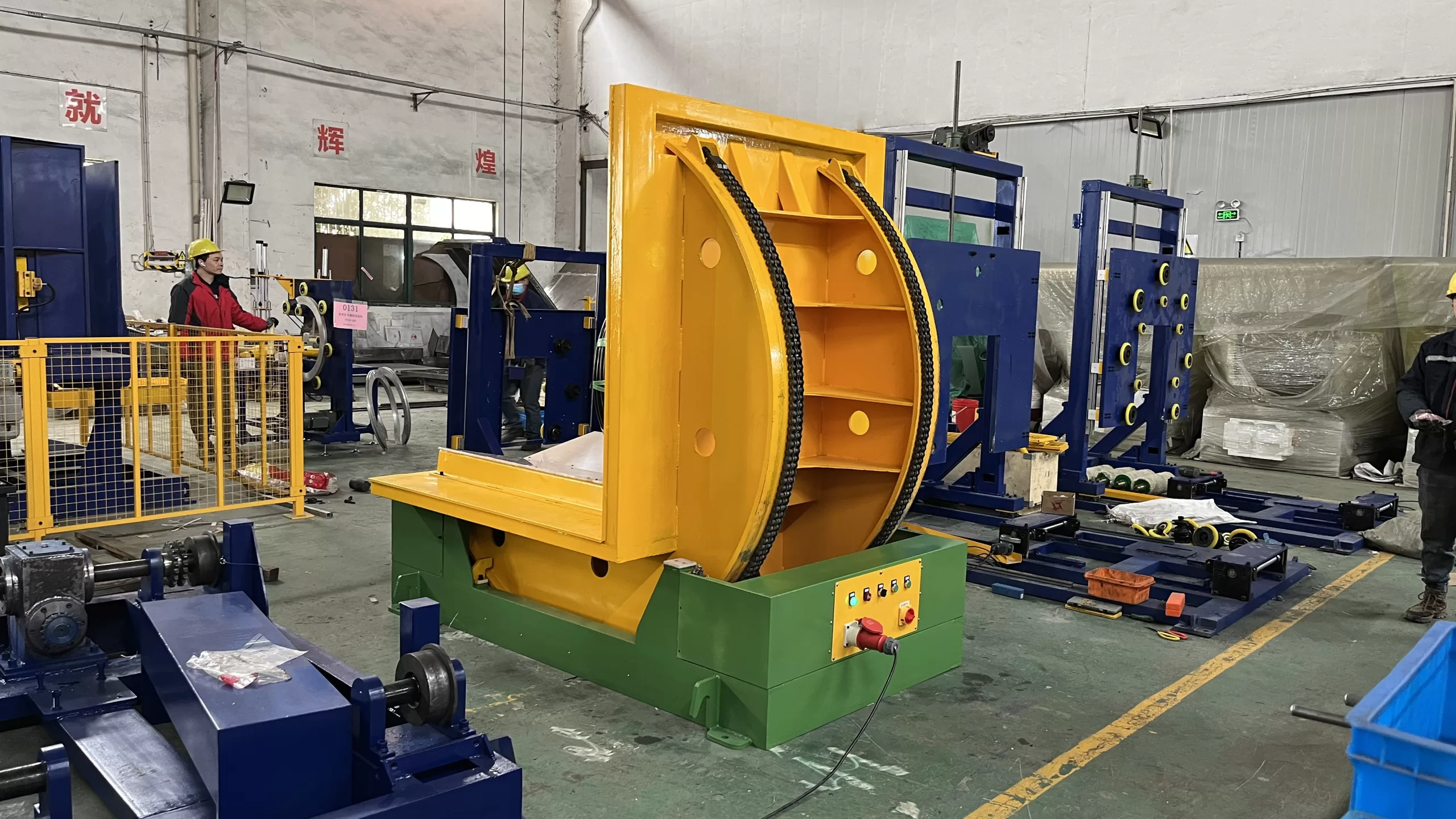
Coil tilters are not one-size-fits-all machines; their costs often vary based on the features they offer. Machines with advanced automation, higher load capacities, and customizable options typically come at a premium. The presence of hydraulic or electric drive systems, safety mechanisms, and ease of integration with existing production lines also play a significant role in determining the price.
For instance, a basic manual tilter may be sufficient for small-scale operations, but large-scale manufacturers often require machines with precise automation, which naturally increases the price point.
1.2 The Role of Build Quality and Materials
Snippet: The durability of a coil tilter hinges on the quality of materials used in its construction. Machines made of high-grade steel or aluminum are designed to handle wear and tear, ensuring a longer lifespan. However, such durability often adds to the initial cost.
1.3 How Manufacturing Location Affects Cost
The country of origin often influences the price of industrial equipment. Coil tilters manufactured in regions with high labor and material costs are typically more expensive. On the other hand, sourcing a machine from a country with cost-efficient production methods might seem economical initially but could lead to compromises in quality or support. Balancing these factors is key to ensuring a smart investment.
2. How Can You Maximize Value While Minimizing Price?
2.1 Understanding Total Cost of Ownership
While the upfront cost is a critical factor, it’s the total cost of ownership (TCO) that reveals the true price of a coil tilter. This includes maintenance, energy consumption, and potential downtime costs. Machines with energy-efficient systems or low-maintenance designs may cost more initially but can offer significant savings over time.
For example, a hydraulic coil tilter might have a higher purchase price than a manual counterpart but could save thousands in labor costs annually by reducing manual intervention.
2.2 The Importance of Vendor Reputation
Snippet: Selecting a reputable vendor ensures not just a reliable product but also access to excellent customer service and technical support. Vendors with a proven track record are more likely to provide robust warranties and responsive after-sales assistance.
2.3 Balancing Customization with Cost
Customized coil tilters tailored to your specific operational needs can enhance efficiency but might inflate the initial investment. It’s crucial to assess whether the customization adds tangible value to your workflow or if standard models can suffice. Investing in essential upgrades, such as improved safety features or automation, often yields better returns compared to aesthetic or non-critical modifications.
3. Are Premium Coil Tilters Worth the Investment?
3.1 The Value of Advanced Technology
Premium coil tilters often boast cutting-edge technology, such as automated positioning systems, intuitive control interfaces, and advanced safety features. These enhancements are designed to optimize workflow and reduce human error. While their price might seem steep initially, the operational advantages they offer can outweigh the cost in the long run.
For instance, consider a tilter equipped with smart sensors for load balancing. This not only minimizes damage to the coil but also prevents accidents, leading to significant savings in material and liability costs.
3.2 Comparing Cost vs. Performance
Snippet: It’s essential to evaluate how the performance of a premium coil tilter justifies its price. Metrics such as speed, precision, and durability often help determine if the added expense aligns with your production goals.
3.3 Long-Term Benefits of Investing in Quality
Purchasing a high-end coil tilter is a strategic move for companies planning to scale operations or diversify product lines. Such machines often come with better warranties, lower maintenance needs, and adaptability for future upgrades. Instead of viewing them as a one-time purchase, consider them as long-term assets contributing to sustained growth.
4. What Should You Look for in an Affordable Coil Tilter?
4.1 Identifying Core Features Over Extras
Affordable coil tilters might lack some premium features, but that doesn’t mean they are incapable of delivering quality performance. Focus on machines that meet essential criteria: reliable load handling, sturdy construction, and basic safety mechanisms.
For example, a simple, well-designed manual coil tilter can be an excellent choice for businesses with smaller production demands, especially if high-end automation isn’t a priority
4.2 Ensuring Compliance with Safety Standards
Snippet: Safety doesn’t have to be compromised for affordability. Always verify that the coil tilter meets local safety and operational compliance standards to protect both your workforce and your investment.
4.3 When Affordability Aligns with Durability
Low-cost options can sometimes lead to frequent breakdowns or short lifespans, increasing costs over time. Researching brands that provide cost-effective yet durable machinery is essential. Vendors offering affordable models with extended warranties or maintenance packages can deliver the best of both worlds.
Conclusion
Investing in a coil tilter is not just about finding the lowest price but about achieving the best value for your specific operational needs. While premium models offer advanced features and long-term benefits, affordable options can still deliver reliable performance if chosen wisely
Claim: A thorough evaluation of cost, features, and vendor reputation ensures that your coil tilter investment drives operational efficiency, enhances safety, and aligns with your long-term growth strategy.
With this guide, you’re now equipped to navigate the market confidently, compare options effectively, and make an informed choice that maximizes your ROI.
Trusted by Steel Mills & Industry Leaders
Global manufacturers rely on FHOPE heavy duty packaging equipment


Ready to optimize your packaging line?
Get a custom quote with ROI analysis. Our engineers respond within 24 hours.
- Free layout design
- Global installation support
- 2-year warranty included
Your information is secure and will never be shared.
Related Machines
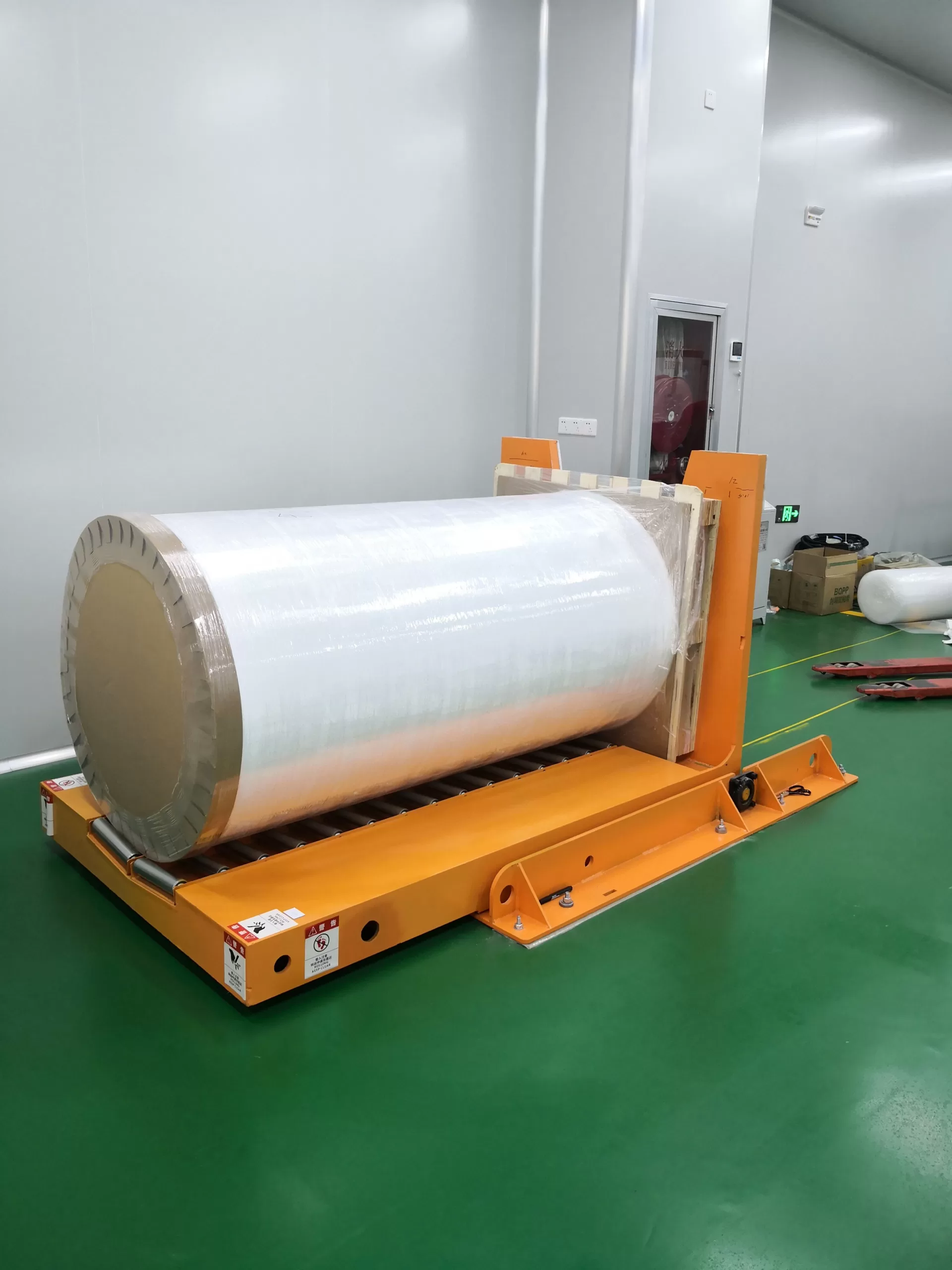
Coil Tilter For Sale
View Details →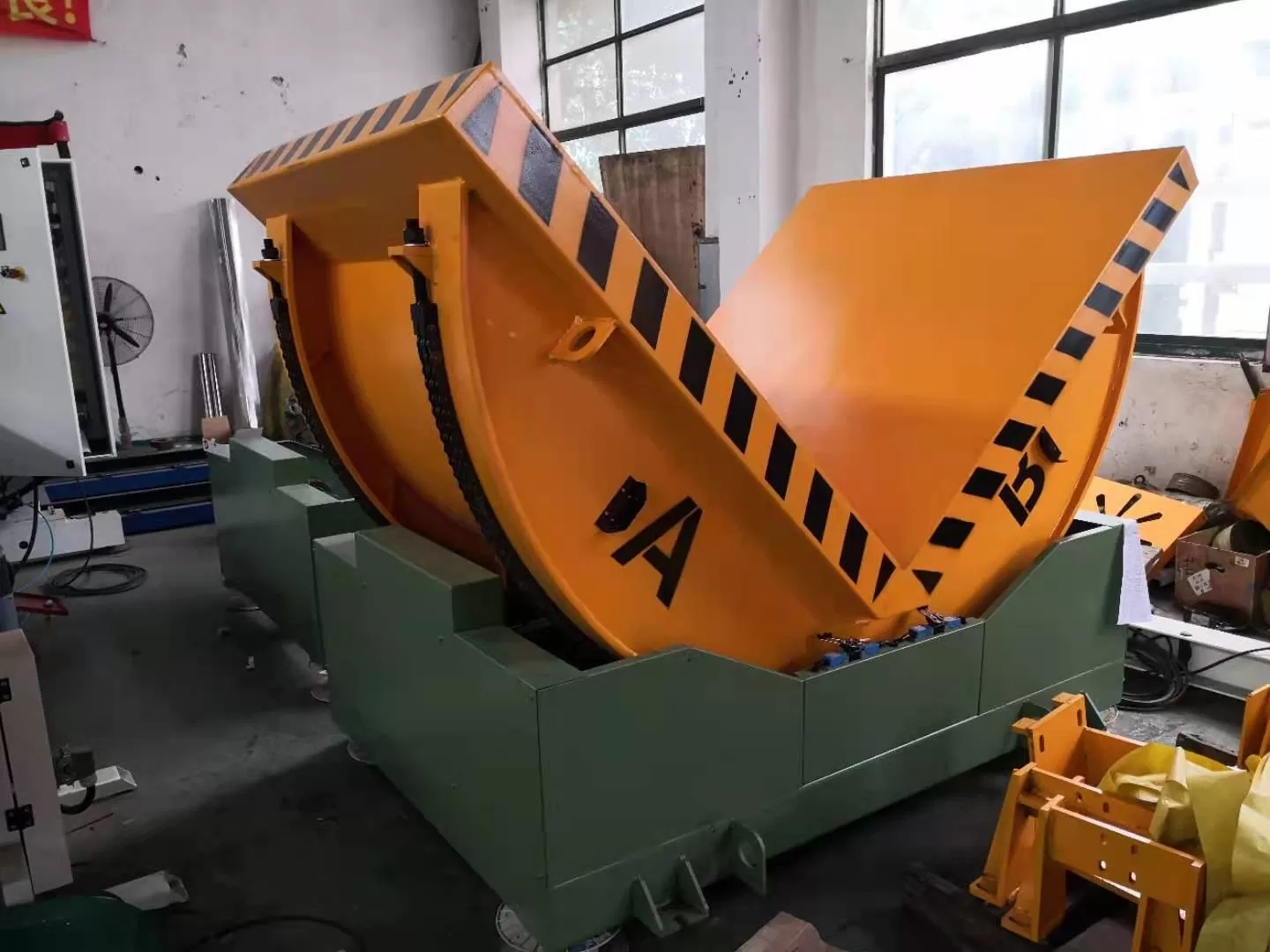
Coil Tilter Manufacturer
View Details →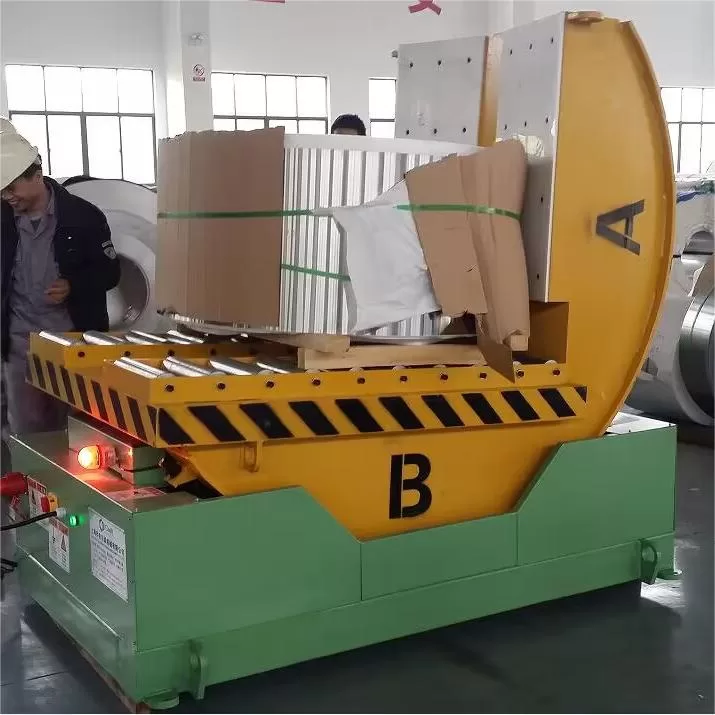
Coil Tilter Machine
View Details →
Coil Upender In Singapore
View Details →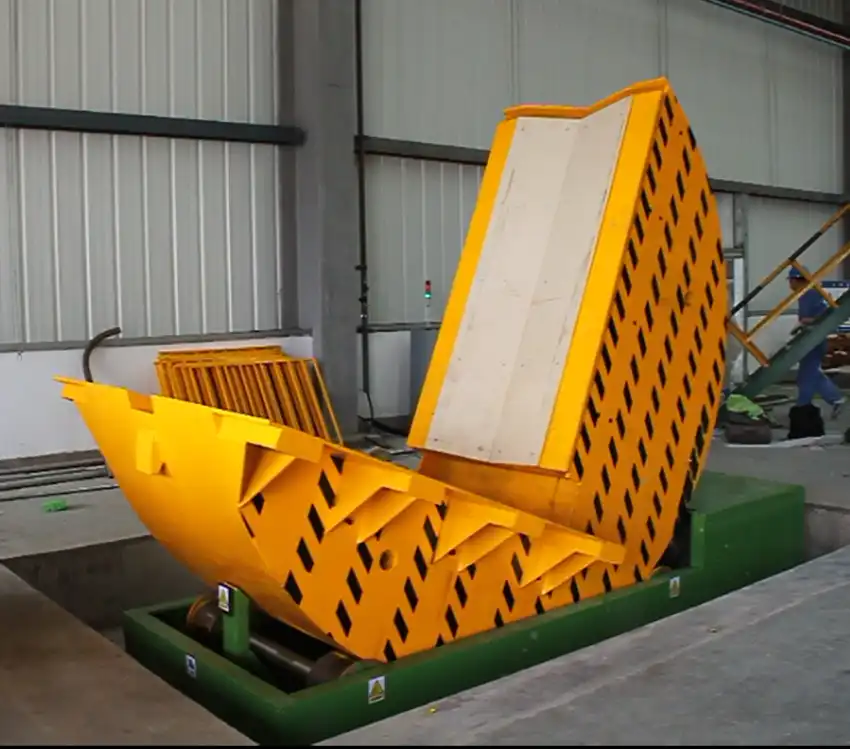
Coil Upender In Philippines
View Details →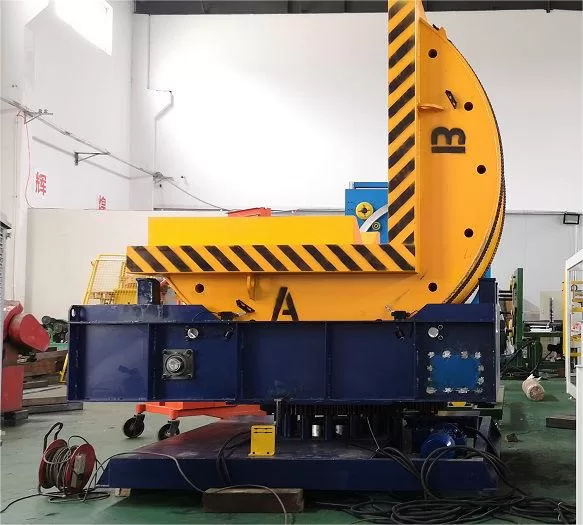
Coil Upender In Malaysia
View Details →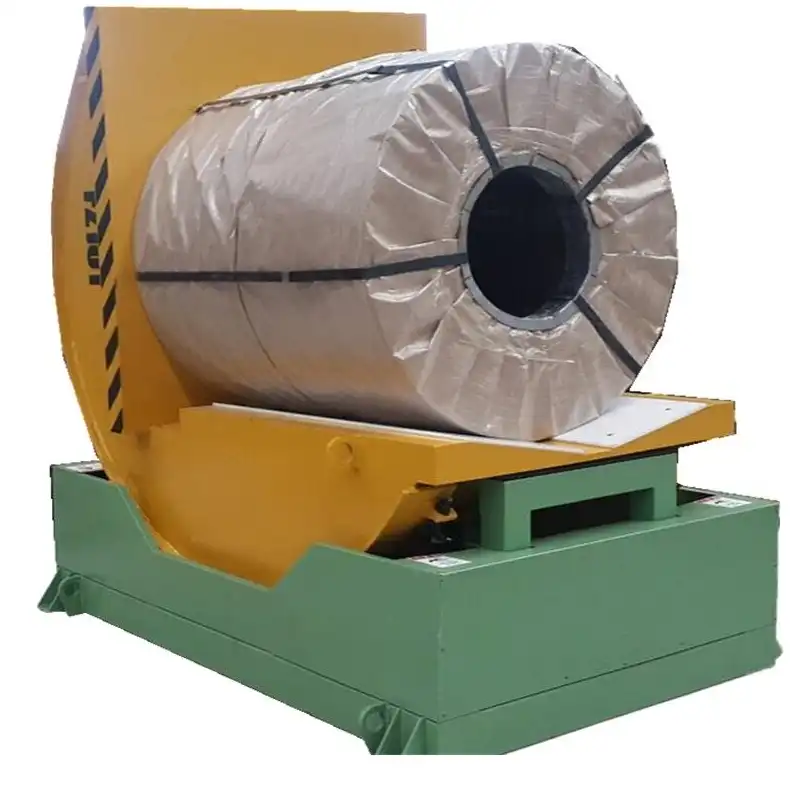
Coil Upender In Indonesia
View Details →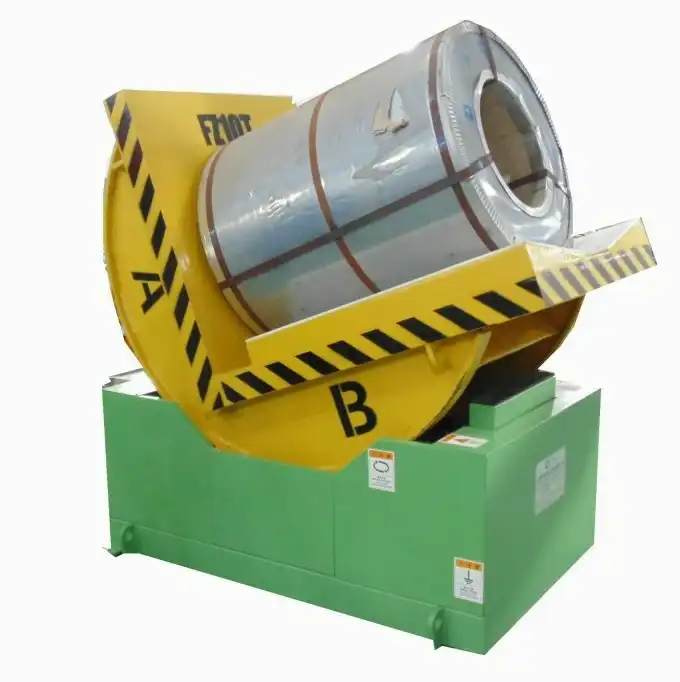
Coil Upender In Venezuela
View Details →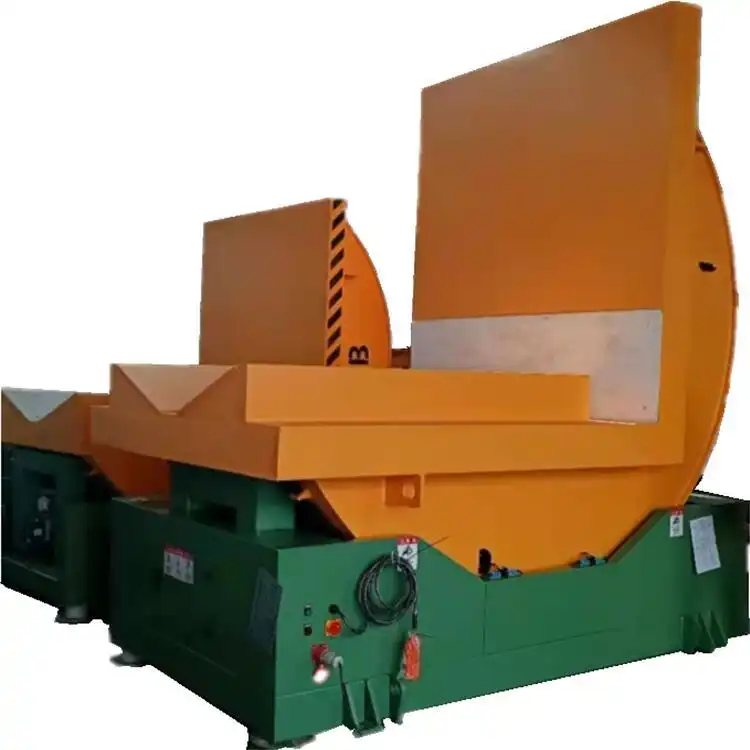
Coil Upender In Uruguay
View Details →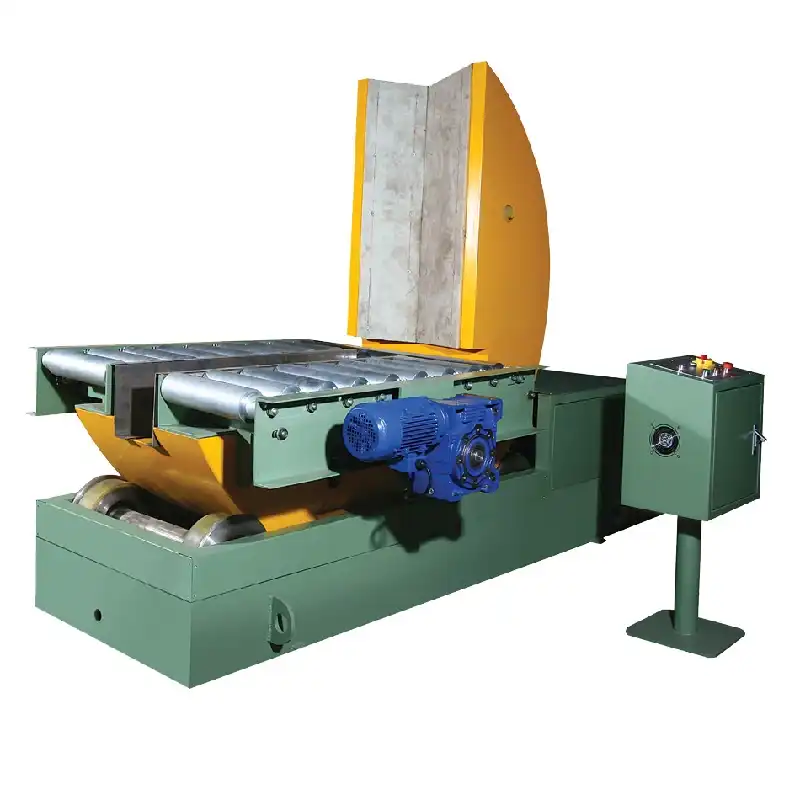
Coil Upender In Peru
View Details →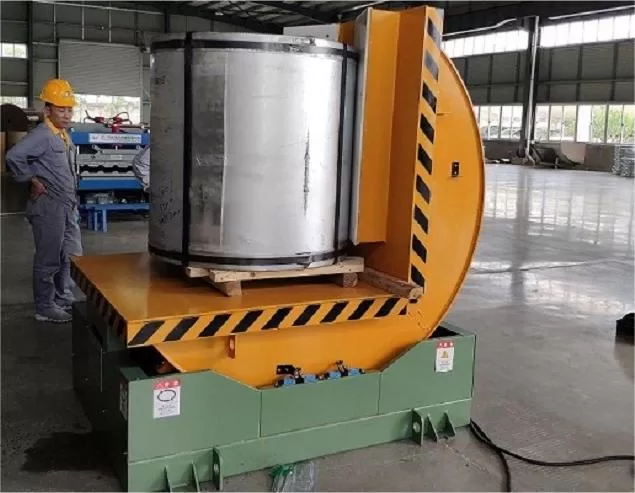
Coil Upender In Paraguay
View Details →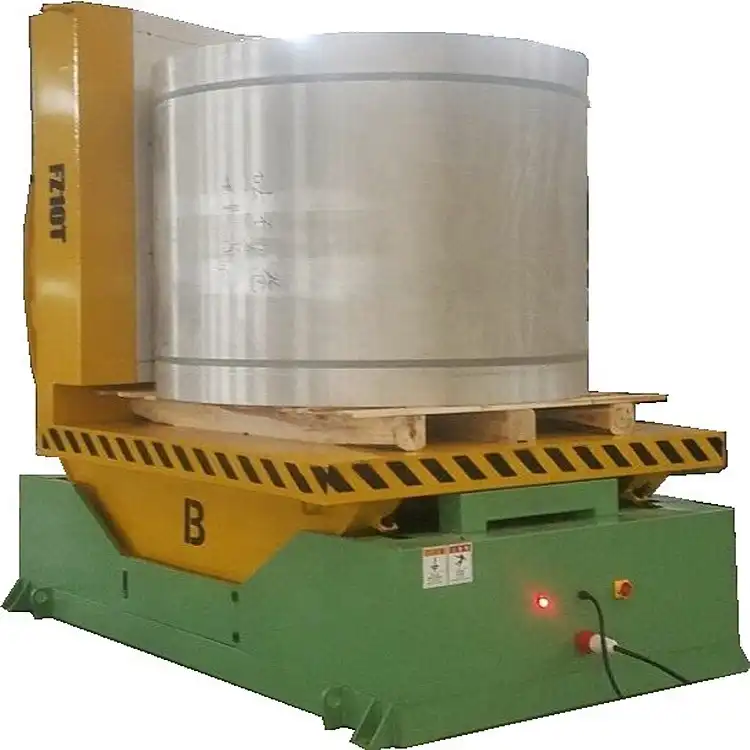
Coil Upender In Ecuador
View Details →
Coil Upender In Vietnam
View Details →
Coil Upender In Slovenia
View Details →
Coil Upender In Slovakia
View Details →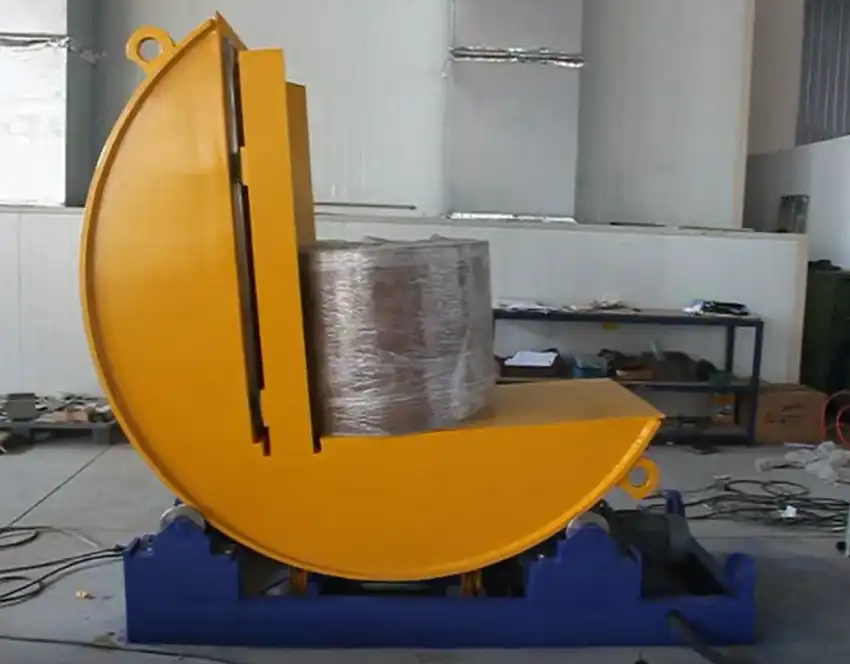
Coil Upender In Romania
View Details →
Coil Upender In Portugal
View Details →
Coil Upender In Poland
View Details →
Coil Upender In Netherlands
View Details →