Summary: Automated steel wire wrap machines protect coils from damage and corrosion using stretch film or VCI materials. This guide provides a complete implementation checklist for selecting, verifying, and commissioning coil packaging equipment. Follow the actionable steps to ensure product integrity, reduce labor costs, and meet shipping standards efficiently.
Commercial Disclosure: This guide includes reference links to specific manufacturer product pages for technical comparison purposes. These references are provided for informational neutrality and do not constitute an endorsement.
🛠️ Scope
This guide covers the selection, verification, and operational checklist for automated steel wire wrap machines. It addresses equipment sizing, material compatibility, safety compliance, and performance validation to ensure efficient packaging of metal coils from production to shipment.
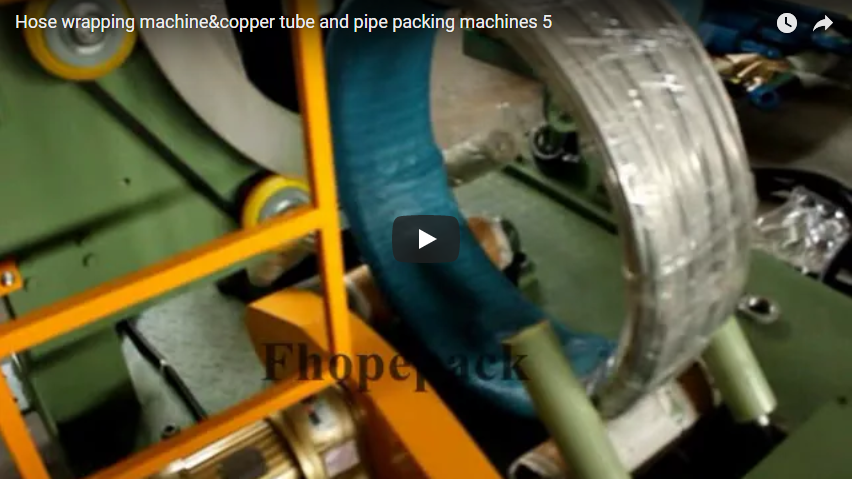
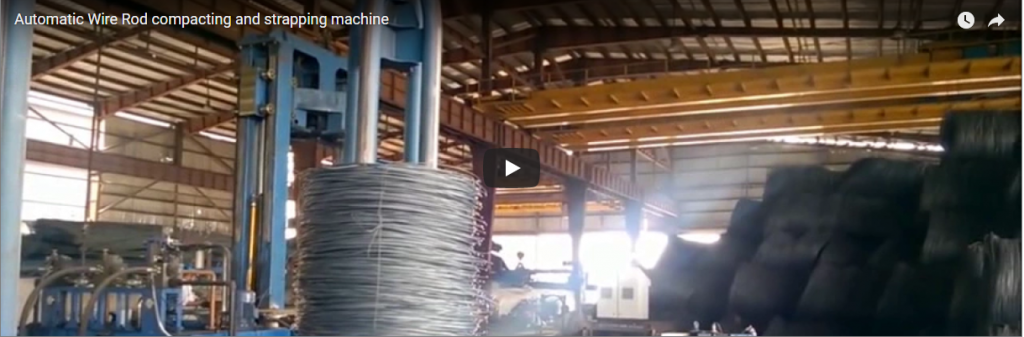
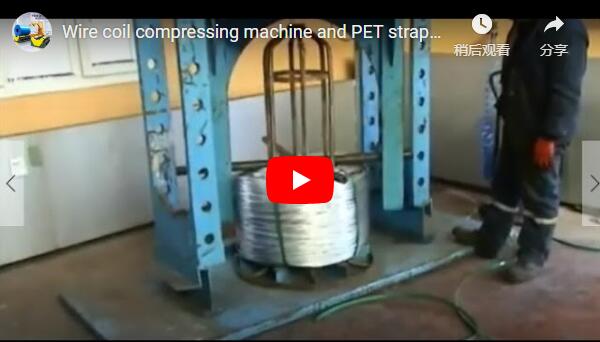
This scope applies to industrial packaging systems handling wire rods and metal coils. Manual wrapping methods often result in inconsistent tension and product damage. Automated solutions like a coil wrapping machine standardize protection while lowering labor expenses. These systems typically support reel weights between 500 kg and 3,500 kg. They utilize materials such as LLDPE, PVC, or HDPE film. Proper equipment selection prevents corrosion and ensures uniform packaging quality. Integrating wrapping stations with existing production lines requires careful planning. Refer to our wire coil compressing and strapping packing line for comprehensive end-to-end integration strategies.
🏗️ Checklist Body
Execute this step-by-step checklist to verify machine capabilities before purchase and commissioning. The process validates coil dimensions, film specifications, control settings, and safety features against operational requirements to guarantee reliable performance and protect your investment in automated packaging equipment.
Step 1: Verify Coil Dimension Tolerances
-
[ ] Confirm the machine accommodates your minimum and maximum outer diameter (OD).
-
[ ] Validate the inner diameter (ID) clearance matches standard mandrel sizes.
-
[ ] Check width range compatibility for all coil profiles in production.
-
[ ] Ensure weight capacity exceeds the heaviest expected load with a safety margin.
Tip: Most models support OD ranges from 500 mm to over 2,000 mm. Verify specific limits with your supplier based on your coil inventory.
Step 2: Confirm Material Handling Compatibility
-
[ ] Inspect film dispensers for compatibility with LLDPE, PVC, or HDPE rolls.
-
[ ] Measure roll inner diameter requirements against available packaging stock.
-
[ ] Check outer diameter clearance to ensure large rolls fit without obstruction.
-
[ ] Verify roll width matches the coil width and machine path limits.
| Parameter | Specification Range | Verification Condition |
|---|---|---|
| Reel Weight Capacity | 500 kg – 3,500 kg | Machine operates without error codes at max load. |
| Film Inner Diameter | 50 mm (Standard) | Dispenser shaft accepts 50 mm core securely. |
| LLDPE/PVC Outer Diameter | 100 mm – 150 mm | Roll rotates freely within housing clearance. |
| HDPE Outer Diameter | 200 mm – 350 mm | Large roll fits under machine guardrails. |
| Film Width | 100 mm – 120 mm | Dispenser width covers coil face with overlap. |
Step 3: Review Machine Configuration Options
-
[ ] Select opening direction based on floor layout (upward or downward).
-
[ ] Choose movement type suitable for your facility flow (host moving vs. cart moving).
-
[ ] Verify control system supports adjustable settings for different product sizes.
-
[ ] Confirm winding technique matches protection requirements (e.g., two-layer synchronous winding, a coordinated film application method where multiple layers are applied simultaneously to ensure even tension distribution).
Warning: Host-moving machines require clear floor space for travel paths. Cart-moving systems may need rail installation or specific flooring support.
Step 4: Validate Control System and Safety Features
-
[ ] Test PLC (Programmable Logic Controller, an industrial computer that automates machine sequences) responsiveness via HMI touchscreen interface.
-
[ ] Check that overlap rate, tension control, and cycle settings are adjustable.
-
[ ] Verify safety fences block access during active wrapping cycles.
-
[ ] Confirm emergency stop buttons halt all motion instantly.
-
[ ] Inspect light curtains (safety sensor arrays that create an invisible protective barrier around moving parts) for immediate machine interruption upon breach.
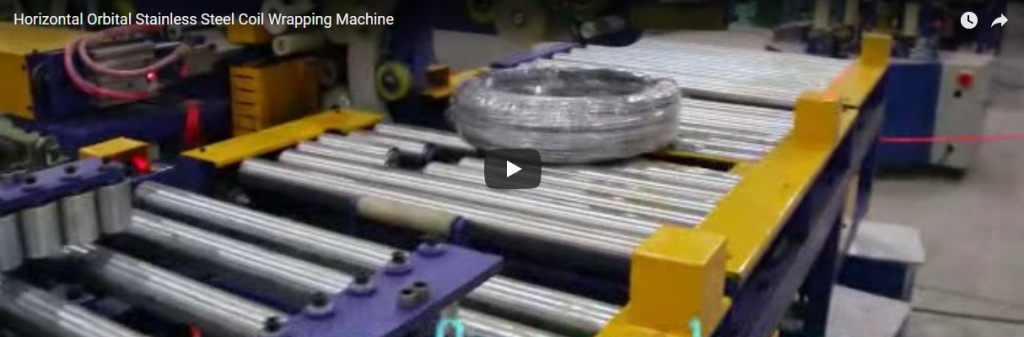
For detailed model variants and technical datasheets, consult the wire wrapping machine product page. Example models like SA-LS-600 demonstrate semi-automatic configurations suitable for moderate throughput needs.
Step 5: Benchmark Performance Metrics
-
[ ] Run a trial cycle to measure total packaging time per coil.
-
[ ] Observe film tension consistency across the entire wrap surface.
-
[ ] Check for any slippage or misalignment during the winding process.
-
[ ] Assess operator effort required for loading and unloading coils.
📈 Pass/Fail Criteria
All dimensional and functional tolerances below should be validated against applicable ISO packaging standards (e.g., ISO 11607 guidelines for flexible barrier packaging) and original equipment manufacturer (OEM) datasheets. Actual thresholds may vary by material type, regional compliance requirements, and facility specifications.
Dimensional and Functional Pass Rules
-
[ ] Coil Fit: Coil OD range typically spans 500 mm to 2,000 mm under standard model configurations. The machine must accept your largest coil without manual adjustment of the ring path.
-
[ ] Wrap Overlap: Wrap overlap tolerance typically aligns with OEM specifications, generally ranging from 3%–8% under continuous operation (verify exact limits against manufacturer datasheets or ISO packaging guidelines). Visual inspection shows uniform film coverage with no gaps exceeding 10 mm.
-
[ ] Tension Stability: Film tension stability should remain within ±5%–±10% variation during a full cycle, per standard manufacturer testing protocols. The coil surface receives even pressure without deformation or film tearing.
-
[ ] Cycle Time: Packaging duration typically falls between 60–120 seconds per coil at standard settings, depending on coil weight and film type (verify exact cycle times with your supplier). Delays exceed targets only due to operator loading errors, not machine faults.
Safety and Control Pass Rules
-
[ ] Emergency Stop: Emergency stop commands typically halt motor power within 0.3–0.8 seconds, though response thresholds vary by manufacturer and safety rating (consult equipment datasheets for exact specifications). Motion ceases immediately without coasting into hazardous zones.
-
[ ] Light Curtain Response: Light curtain interruption must trigger a machine pause in less than one cycle phase. The system resets only after manual clearance confirmation.
-
[ ] PLC Reliability: PLC controller maintains stable operation for 24 hours under continuous duty, per standard industrial automation benchmarks. No error codes or unexpected restarts occur during the test period.
Fail Indicators
-
[ ] Film breaks at start or finish points due to inadequate sealing mechanism.
-
[ ] Machine halts unexpectedly when winding heavy coils over 3,000 kg.
-
[ ] Wrap height deviates from coil dimensions by more than 20 mm.
-
[ ] Safety interlock fails to stop motion within the specified response time.
ROI Insight: Facilities typically project labor cost reductions ranging from 40% to 75%, depending on facility size, shift structure, and baseline manual wrapping efficiency. Actual ROI varies by operational scale. Consistent protection also lowers warranty claims associated with transit damage.
🛡️ Commonly Missed Items
Inspection often overlooks film roll core compatibility, maintenance access points, and power supply stability requirements. Teams frequently miss verification of the winding mechanism’s internal threading capability (a film anchoring technique that secures the wrap start inside the coil core to prevent loosening during transit) and the specific voltage fluctuations allowed by the PLC controller in your facility.
Critical Oversights to Check
-
[ ] Film Core Compatibility: Verify inner diameter matches dispenser shaft specifications. A mismatch causes roll slippage or jamming during high-speed dispensing. HDPE rolls often require larger cores than standard LLDPE.
-
[ ] Internal Threading Verification: Confirm the machine supports internal threading for secure film anchoring. This feature prevents film loosening during transit vibrations. Two-layer synchronous winding relies on proper threading initiation.
-
[ ] Maintenance Access Points: Ensure operators can reach film tensioners and sealing units easily. Restricted access increases downtime during routine maintenance or roll changes. Blockquote tip: Designate a weekly 15-minute window for lubrication and inspection.
-
[ ] Power Supply Stability: Check voltage tolerance ranges against your facility’s power quality. PLC systems may trip if voltage drops below operational limits. Install stabilizers if fluctuations exceed ±5% of nominal voltage.
-
[ ] Winding Technique Specifics: Review contract details for “two-layer synchronous winding” claims. This technique balances load distribution on the ring and improves film adhesion. Machines lacking this feature may produce uneven wraps on heavy coils.
Compliance Note: Safety features must align with local machinery directives. Verify light curtain placement and emergency stop accessibility before final acceptance testing. Consult the supplier for CE or regional certification documents.