Executive summary
Bottles leave the filler individually and reach the customer as a pack, and forming that pack is what a shrink wrapper does. This machine collates the bottles, encloses them in shrink film through an L-bar or side seal system, and shrinks the film tight to make a stable unit. We build bottle shrink wrapping machines for beverage, food, pharmaceutical and cosmetic lines. Pack pattern and film plan are confirmed per project.
Table of Contents
- Why bottles ship as packs
- How shrink wrapping works
- Collating the bottles
- L-bar and side seal systems
- The shrink tunnel
- A stable unit pack
- Typical configuration
- What the video shows
- Selection checklist
- Operation and safety
- Engineering FAQ
- Next step
- Related reading
- Sources and standards
Why bottles ship as packs
Individual bottles are difficult and expensive to handle, so high-volume lines collate them into packs before palletizing. Forming bottles into a unit pack changes the economics of handling: fewer pieces to pick, a stable unit to stack, and a branded face on the pack. In beverage, food, pharmaceutical and cosmetic production, the pack is the product the customer handles. A shrink wrapper produces that pack consistently, which is what makes it central to secondary packaging.
How shrink wrapping works
Shrink wrapping envelops the bottles in a thermoplastic film, then shrinks the film tightly around them with controlled heat application. The film goes on loose around the collation and comes out tight, forming the pack. Film dispensing, sealing and heat have to work together, because the film can only shrink around what the sealing closed. The process is controlled so the pack comes out the same shape every cycle. Film plan and heat settings are confirmed per project.
Collating the bottles
Before the film, the machine forms the bottles into the required pack pattern, standing them in a group. The collation is what the film wraps, so the pattern has to be square and stable at the film moment. Collation also positions the bottles evenly so the film shrinks uniformly across the pack. Pack pattern follows the product and the pack the customer wants, confirmed per project, with the bottle spacing set per run.
L-bar and side seal systems
Sealing is done through an L-bar system or a side seal system. An L-bar sealer cuts and seals film in one movement, forming a clean enclosure for the pack, while a side seal system seals along the film side as the pack moves through. The choice follows the pack size, the line speed and the film layout, confirmed per project. A precise seal is what makes the enclosure, and the enclosure is what shrinks into the pack.
The shrink tunnel
The sealed pack passes through a shrink tunnel, where heat pulls the film tight against the bottles. The tunnel makes the film follow the bottles, closing the pack into a stable unit. Tunnel temperature and dwell have to match the film and the pack, so the film shrinks fully without sagging or burning the product. The tunnel is confirmed per project on the film planned, and the pack leaves tight and consistent.
A stable unit pack
The finished pack is a single unit that can be palletized, stacked and handled as one piece. Stability is the point of the pack: it rides the pallet and the truck without shedding bottles, and it presents a clean face at the customer. Because the machine makes every pack the same, the pallet loads tightly and the unit stands predictably. Pack stability and pallet behavior are confirmed per project on the real product.
Typical configuration
Figures below list functional design boundaries rather than numeric values, and are confirmed per project.
| Parameter | Typical range, confirmed per project |
|---|---|
| Product | bottle, pack size |
| Pack | pattern, bottles per pack |
| Seal | L-bar or side seal |
| Tunnel | temperature, dwell |
| Line | speed interface |
| Electrical supply | 380 V three phase 50 Hz, or 220 V single phase for light machines, selected per project |
What the video shows
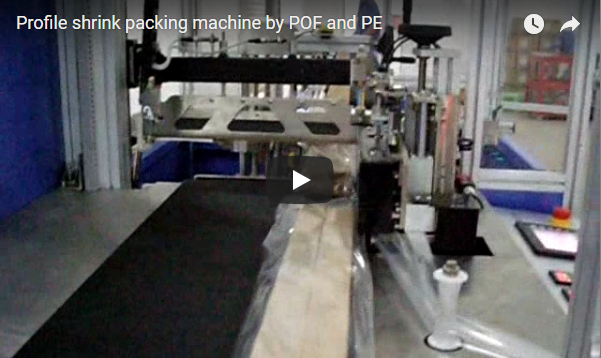
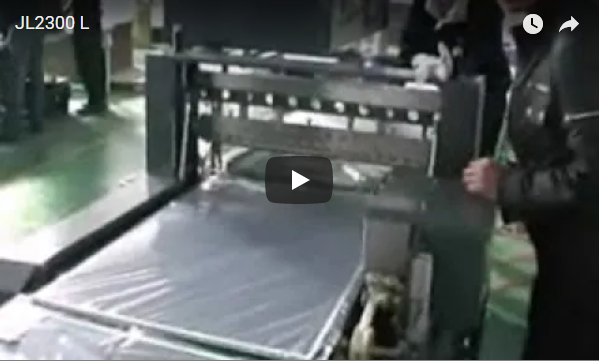
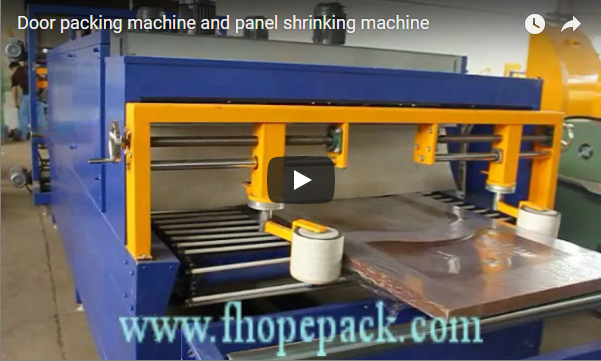
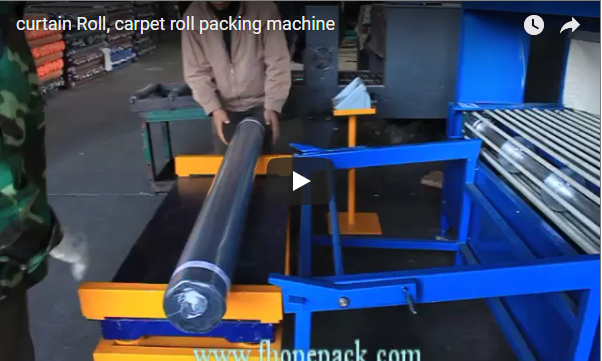
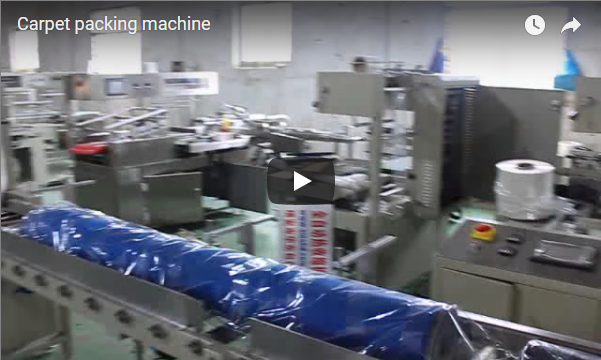
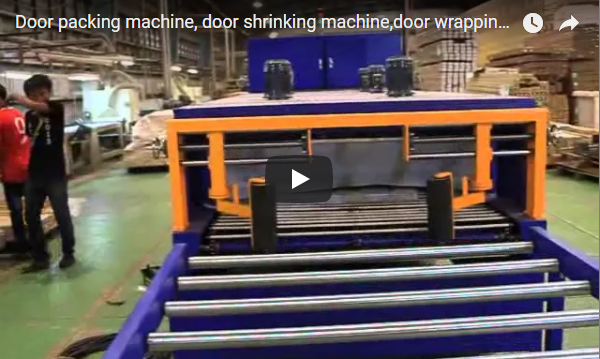
Our footage shows an automatic bottle shrink wrapping machine collating and shrinking bottle packs. It is a general demonstration, so your pack pattern and film plan are confirmed with us per project.
Selection checklist
| Question | Confirm per project |
|---|---|
| Pack pattern | bottles per pack |
| Product | neck and height |
| Seal system | L-bar or side seal |
| Tunnel | film match |
| Line speed | interface |
| Electrical supply | voltage, phase and frequency on site |
Operation and safety
Run the recipe from the panel and the machine collates, wraps, seals and shrinks each pack automatically. Keep clear of the collation area, seal bar, film path and tunnel while the machine runs, with guarding and emergency stops at the operator position. Routine checks cover the collation guides, film feed, seal unit, tunnel and sensors, per the machine manual. Confirm the pack recipe against the bottle before each run so packs come out square.
Engineering FAQ
Q: What does a bottle shrink wrapper do? A: It collates bottles into a pack, encloses them in shrink film and shrinks the film tight.
Q: Why do bottles ship as packs? A: Packs make handling and palletizing efficient and give the customer a stable unit with a clean face.
Q: What are L-bar and side seal systems? A: L-bar cuts and seals film in one movement; side seal seals along the film side as the pack moves.
Q: What does the tunnel do? A: The tunnel applies heat so the film shrinks tight against the bottle pack.
Q: Which industries use it? A: Beverage, food, pharmaceutical and cosmetic production, per the pack requirements.
Next step
- Email us at info@fhopepack.com with your bottle pack, films and volumes.
- We send a bottle shrink proposal and a layout drawing within 48 hours.
- We arrange a site survey to confirm pack pattern and line position.
Related reading
- Automatic drink bottle stretch wrapping bundle machine
- Automatic film sealing machine on panel and door
- Automatic shrink packaging machine for plates
- FHOPE packing machinery product lines
Sources and standards
- ISO 12100:2010 Safety of machinery, general principles for design and risk assessment
- EN 415-10:2014 Safety of packaging machines, general requirements
- EN ISO 13849-1:2023 Safety of machinery, safety-related parts of control systems
FHOPE automatic bottle shrink wrapping machine demonstration video. Reviewed as a general demonstration; pack pattern confirmed per project.
Last reviewed: 2026-10-10