Enhancing Efficiency and Protection: A Guide to Board Packaging Machines
Handling and packaging large, flat materials like wood panels, drywall, insulation boards, or doors presents unique challenges in manufacturing and logistics. Ensuring these products reach their destination undamaged requires robust and efficient packaging solutions. Modern board packaging machines offer automated systems designed to protect products, improve load stability, and streamline operations. Understanding the types of equipment available and the key factors for selection is crucial for any fabricator handling these materials.
Types of Board Packaging Equipment
Board packaging needs vary depending on the product, required throughput, and level of protection needed. Common machinery types include:
1. Board Stretch Wrapping Machines
Often utilizing a horizontal orbital wrapping method, these machines encircle a single board or a stack of boards with stretch film. The film provides containment, surface protection against scratches and moisture, and enhances stack stability.
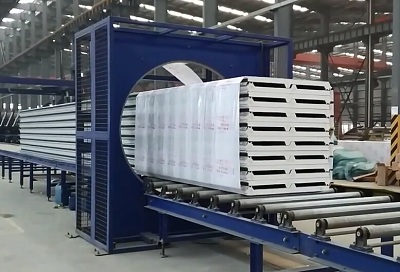
Caption: A horizontal orbital wrapper applying stretch film to a stack of boards. Explore options for Board Stretch Wrapping Machines.
2. Board Shrink Wrapping Machines
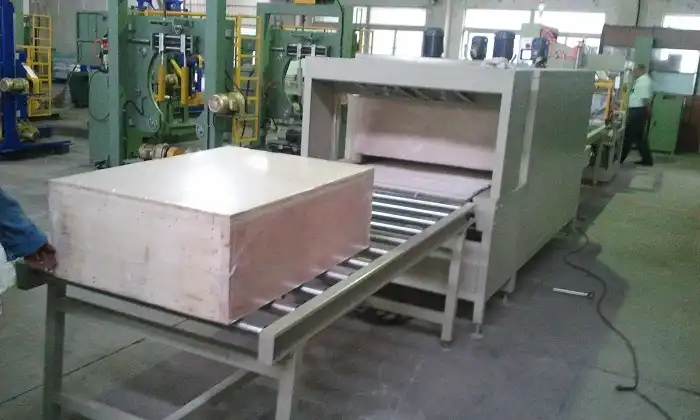
Shrink wrapping involves loosely applying a polymer film around the board(s) and then passing them through a heat tunnel. The heat causes the film to shrink tightly around the product, creating a conforming, protective layer. This method is excellent for providing environmental protection and tamper evidence.

Caption: An automated system moving boards through a shrink tunnel. Discover different Automatic Board Shrinking Machine configurations. More details on specific Board Shrinking Machines can be found here.
3. Automatic Board Packaging Lines
For high-volume operations, fully integrated packaging lines offer end-to-end solutions. These systems can combine multiple functions such as:
- Automatic stacking
- Infeed and outfeed conveyors
- Edge and corner protection application
- Stretch or shrink wrapping
- Strapping or banding
- Labeling
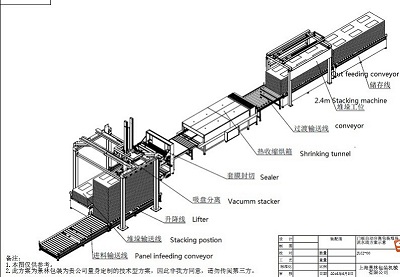
Caption: Example of an integrated line handling board stacking and packaging. Learn about Automatic Board Packaging Line capabilities.
Key Considerations When Selecting Board Packaging Machinery
Choosing the right equipment requires careful evaluation of your specific operational needs:
- Product Dimensions & Weight: Ensure the machine can handle the full range of board sizes (length, width, thickness) and weights you process.
- Required Throughput: Match the machine's speed (boards or packs per minute/hour) to your production output.
- Packaging Material: Determine the best material for protection and cost (stretch film, shrink film, VCI film, edge protectors, strapping).
- Level of Automation: Decide between semi-automatic (requiring operator intervention) and fully automatic systems based on labor availability and throughput needs.
- Integration: Consider how the machine will fit into your existing production flow, including conveyor systems and upstream/downstream processes.
- Footprint: Evaluate the physical space required for the machine and any associated conveyors or safety guarding.
- Safety Features: Look for emergency stops, safety interlocks, light curtains, and guarding compliant with industry standards.
- Maintenance & Support: Assess the manufacturer's reputation for reliability, availability of spare parts, and technical support.

6 sides board stretch wrapper Core Processes in Automated Board Packaging
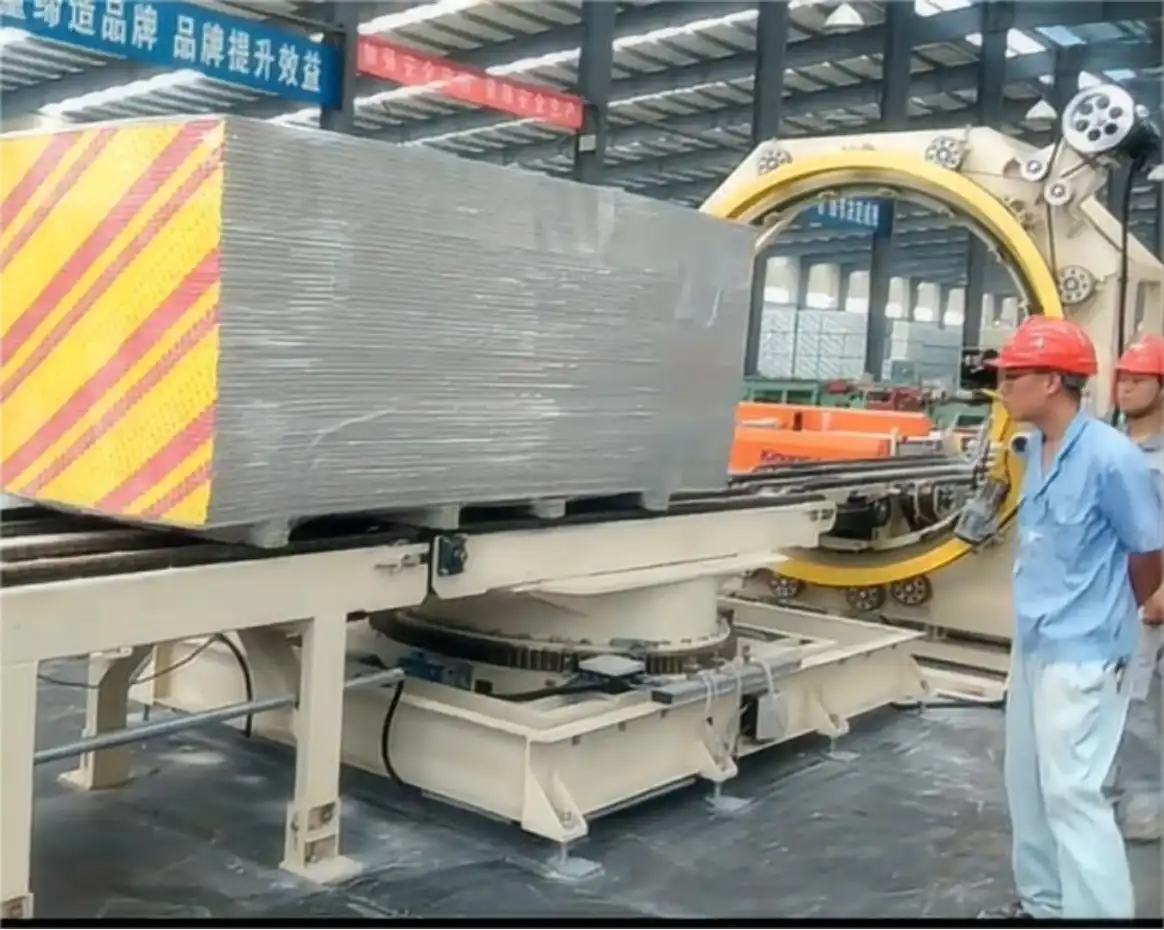
While specific steps vary by machine type, typical automated processes include:
- Infeed: Boards are fed onto the machine's conveyor system, often automatically from an upstream process.
- Positioning: Sensors detect the board's presence and position it correctly for the packaging cycle.
- Packaging Application:
- Stretch Wrapping: An orbital ring dispenses and wraps stretch film around the board/stack.
- Shrink Wrapping: Film is draped or sealed around the product before entering a heat tunnel.
- Sealing/Cutting: Film is automatically sealed and cut at the end of the cycle.
- Edge/Corner Protection: Applicators may add protective cardboard or plastic elements before or during wrapping (common in integrated lines).
- Outfeed: The packaged board(s) exit the machine onto an outfeed conveyor for removal or further processing (e.g., palletizing).
Operational Benefits of Modern Board Packaging Systems
Investing in appropriate board packaging machinery yields significant advantages:
- Improved Product Protection: Consistent and secure packaging minimizes damage from handling, moisture, dust, and transportation stresses.
- Increased Efficiency: Automation significantly speeds up the packaging process compared to manual methods, boosting overall throughput.
- Enhanced Load Stability: Properly wrapped or shrunk boards are more stable, reducing the risk of shifting during transit.
- Reduced Labor Requirements: Automating repetitive packaging tasks frees up personnel for higher-value activities and reduces ergonomic strain.
- Material Cost Optimization: Automated systems apply packaging materials consistently, preventing overuse and optimizing material consumption.
- Professional Presentation: Uniformly packaged products present a more professional image to customers.
epsxps board shrink wrap packing machine Conclusion
Selecting the right board packing machine is a critical decision for manufacturers dealing with large panels and sheet materials. By carefully analyzing product characteristics, production volume, and integration requirements, fabricators can implement automated packaging solutions that enhance product protection, increase operational efficiency, and improve workplace safety. Whether choosing a dedicated stretch wrapper, shrink system, or a fully integrated line, the goal remains the same: ensuring products are packaged securely and cost-effectively for their journey through the supply chain.