Enhancing Efficiency and Safety: A Fabricator's Guide to Industrial Tilters and Packing Machines
Handling heavy or bulky materials like metal coils, dies, or large fabricated components presents significant challenges in any manufacturing or fabrication environment. Safely maneuvering and preparing these items for storage or transport requires robust solutions. Industrial tilters and packing machines are crucial pieces of equipment designed to address these challenges, improving workflow, enhancing safety, and protecting valuable products. This guide explores the functions and benefits of incorporating these machines into your operations.
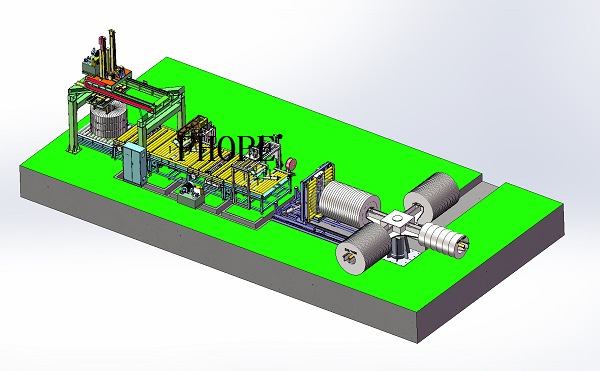
Understanding Industrial Tilters: Enhancing Safety and Workflow
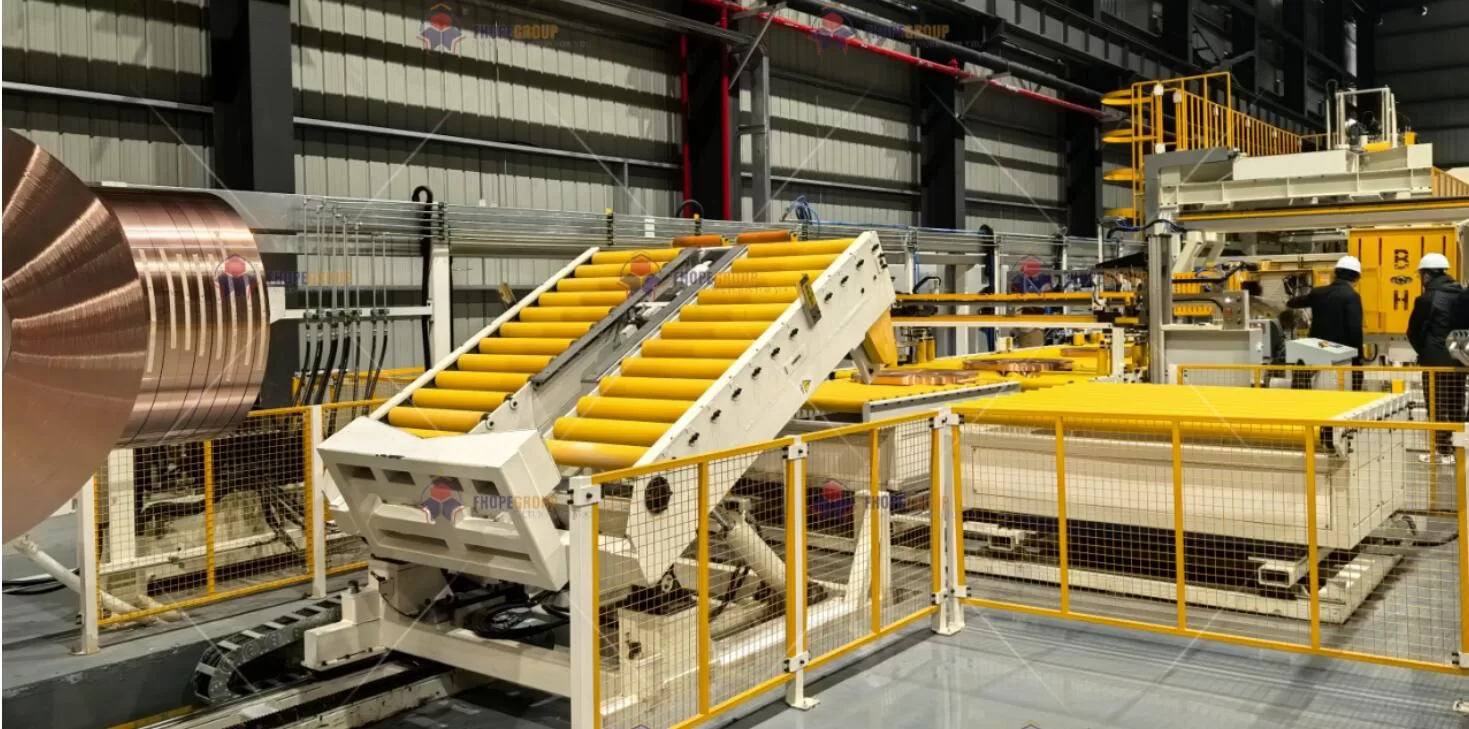
Industrial tilters, often referred to as upenders or downenders, are designed specifically to reorient heavy or unwieldy loads safely.
- Functionality: These machines typically use hydraulic or electromechanical systems to rotate items, often up to 90 degrees, transitioning them between horizontal and vertical orientations. This is essential for processes like moving coils from an "eye-to-the-sky" to an "eye-to-the-wall" position for subsequent processing, storage, or packaging.
- Applications: Common uses in fabrication include handling:
- Steel or aluminum coils
- Large dies and molds
- Heavy weldments or assemblies
- Engine blocks or large components
- Benefits:
- Improved Safety: Dramatically reduces the risks associated with manually attempting to reposition heavy loads, minimizing potential crush injuries or strains.
- Enhanced Ergonomics: Lessens physical strain on operators compared to using cranes with complex rigging or manual methods.
- Process Integration: Allows heavy items to be correctly oriented for the next step in the production or packaging line.
Using a dedicated tilter machine streamlines the repositioning process, contributing significantly to a safer and more efficient workplace.

Streamlining Packaging Operations with Automated Systems
Once items are correctly oriented, securing them for transport or storage is the next critical step. Industrial Packing Machine systems automate this process, particularly for large or palletized goods.
- Functionality: These machines typically involve stretch wrapping or strapping systems to unitize and protect loads.
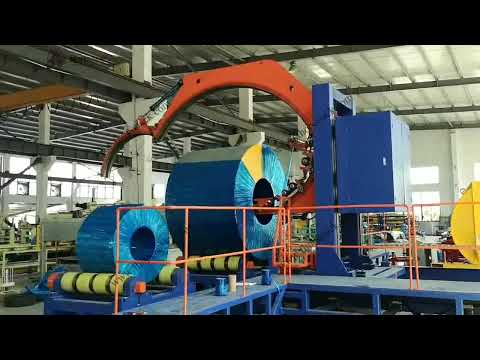
- Stretch Wrappers: Apply layers of stretch film around the load, providing stability, protection from dust and moisture, and some degree of tamper evidence. Orbital wrappers are often used for long items or coils, while turntable wrappers handle palletized loads.
- Strapping Machines: Apply plastic or steel straps under tension to secure items to pallets or bundle them together.
- Materials: Common consumables include various grades of stretch film (including VCI film for corrosion protection) and polypropylene or steel strapping.
- Benefits:
- Load Stability: Ensures items are securely contained, reducing the risk of shifting or damage during handling and transit.
- Product Protection: Shields goods from environmental factors like dirt, moisture, and UV light.
- Efficiency: Automates a labor-intensive process, increasing throughput and consistency.
- Optimized Storage: Tightly wrapped or strapped loads can optimize warehouse space utilization.
Automated packing machines provide a consistent, reliable method for preparing goods, contributing to overall operational efficiency.
The Synergy of Tilting and Packing in Modern Fabrication
The true value often lies in integrating tilting and packing systems into a cohesive material handling line. For example, a steel coil wrapping machine line might involve:
- A coil car delivering a coil to the tilter.
- The tilter rotating the coil to the required orientation (e.g., eye-to-the-wall).
- Conveyors moving the coil to an automated wrapping station.
- The wrapping machine applying protective film.
- The finished coil moving to a staging area for pickup.
This integration minimizes manual handling, reduces cycle times, and ensures a smooth flow from production or receiving through to shipping or storage. It significantly boosts productivity and reduces the potential for product damage or worker injury.
Observing Tilting and Packing in Action
Visualizing these processes can clarify their operation and benefits. The video below demonstrates a typical automated system handling and packaging industrial materials:
Selecting the Right Tilting and Packing Equipment
Choosing the appropriate machinery requires careful consideration of several factors:
- Load Characteristics: Weight, dimensions, shape, and stability of the items being handled.
- Required Throughput: The number of items that need to be processed per hour or shift.
- Operating Environment: Space constraints, floor conditions, and integration with existing equipment.
- Level of Automation: Manual, semi-automatic, or fully automatic systems.
- Safety Features: Emergency stops, guarding, load sensors, and compliance with safety standards.
- Budget and ROI: While representing an initial investment, these machines offer long-term returns through reduced labor costs, minimized product damage, improved safety records, and increased operational efficiency. Calculating the potential return on investment (ROI) is crucial.

automatic coil packing line Conclusion: Improving Handling and Packaging in Your Facility
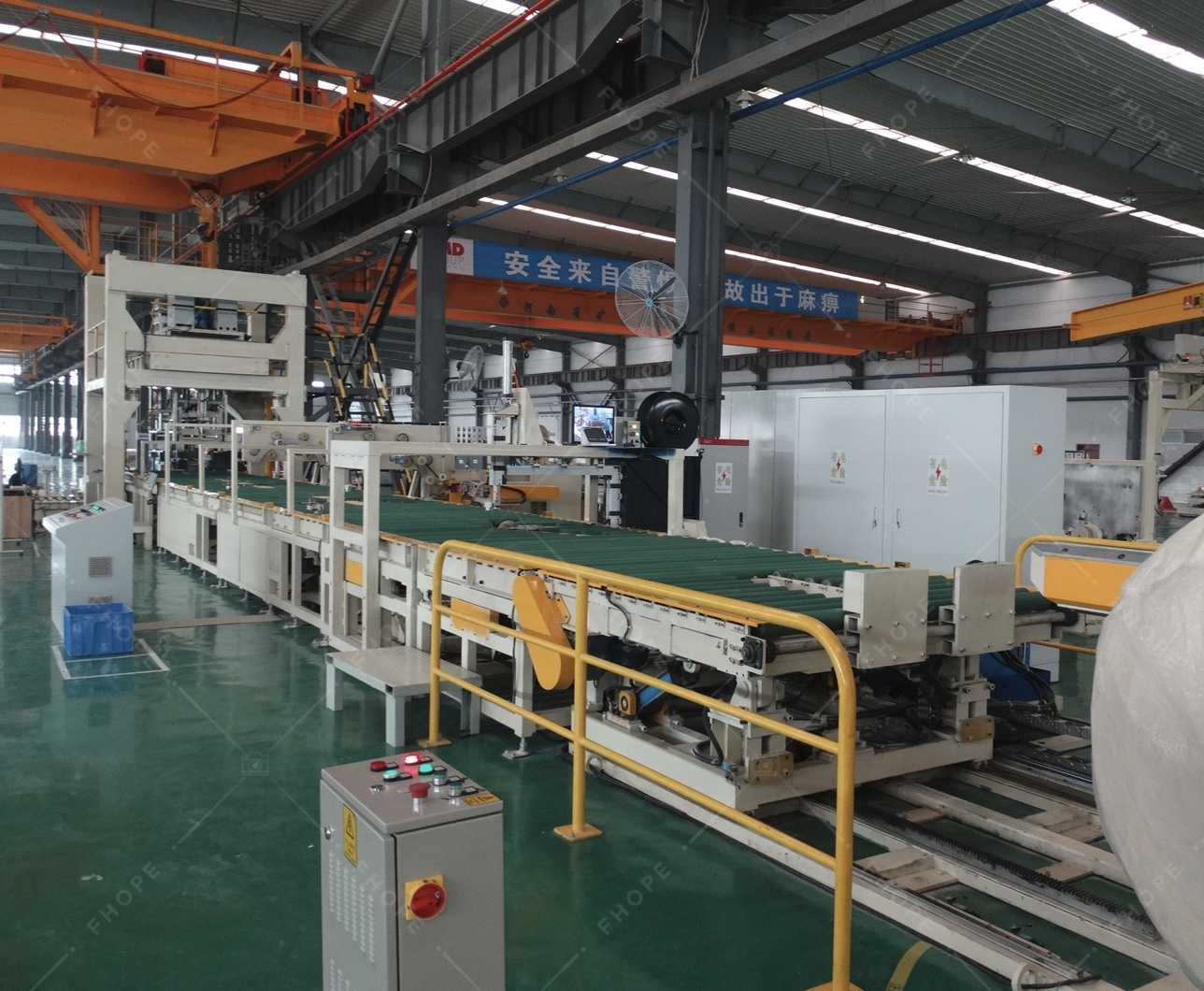
Industrial tilters and packing machines are essential tools for modern fabrication and manufacturing facilities dealing with heavy or cumbersome materials. By mechanizing and automating the processes of load reorientation and packaging, businesses can achieve significant improvements in:
- Workplace Safety: Reducing manual handling risks.
- Operational Efficiency: Speeding up processes and increasing throughput.
- Product Protection: Minimizing damage during handling and transit.
- Cost-Effectiveness: Delivering tangible ROI through labor savings and reduced waste.
Implementing the right tilting and packing solutions allows facilities to handle demanding materials effectively, ensuring products are moved and secured safely, efficiently, and reliably.