Optimizing Your Steel Coil Packing Strategy: 5 Essential Elements
Steel coils are fundamental components in critical sectors like automotive manufacturing, construction, and appliance production. Protecting these valuable assets during handling, transit, and storage is paramount to maintaining material quality and preventing costly damage. A comprehensive and well-executed steel coil packing strategy is not merely a logistical necessity; it's a crucial factor in operational efficiency, cost management, and customer satisfaction. Let's explore the five essential elements required to develop a successful steel coil packaging plan.
(Placeholder: Retain existing relevant image here, add descriptive alt text, e.g., alt="Steel coils stacked in a warehouse, highlighting the need for proper packaging")
1. Define Your Specific Steel Coil Packing Requirements
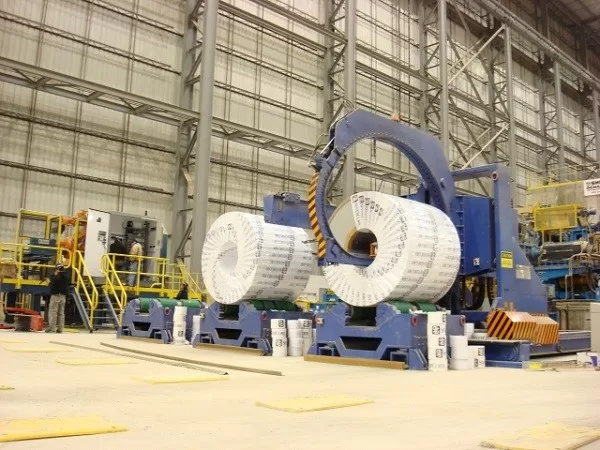
Developing an effective strategy begins with a thorough understanding of the unique characteristics and logistical journey of your steel coils. Generic solutions often fall short. Consider these factors in detail:
- Coil Specifications:
- Dimensions & Weight: Document the range of coil diameters, widths, and weights you handle. Heavier, larger coils demand significantly more robust packaging structures and handling considerations.
- Material Type & Sensitivity: Are you packing galvanized steel, stainless steel, cold-rolled, pre-painted, or other types? Each has different surface sensitivities, corrosion resistance, and handling needs. Oiled coils require containment, while sensitive surfaces need non-abrasive contact materials.
- Logistics and Environmental Exposure:
- Transportation Mode: Will coils travel by truck, rail, sea, or air? Each mode presents unique challenges: road vibrations, rail shunting impacts, marine humidity and salt spray, or air pressure changes.
- Transit Duration & Route: Longer journeys, especially international shipments, increase exposure risks. Assess the typical climate conditions along the route.
- Handling Methods: How are coils loaded, unloaded, and moved within facilities (e.g., cranes with C-hooks, forklifts with coil rams)? Packaging must be compatible with handling equipment and resist potential damage during these operations.
- Storage Conditions:
- Duration: Short-term staging or long-term warehousing? Extended storage necessitates enhanced protection against environmental factors.
- Environment: Will coils be stored indoors in a climate-controlled warehouse, under cover outdoors, or potentially exposed to the elements? Assess risks like humidity, temperature fluctuations, dust, and potential contaminants.
A detailed analysis of these points provides the foundation for selecting appropriate materials and methods.
2. Select the Optimal Packaging Materials
Choosing the right combination of protective materials is critical for safeguarding steel coils against physical damage, corrosion, and environmental factors. Each material serves a specific purpose:
- Stretch Film: Primarily used for load stabilization and containment. High-quality stretch film provides a tight wrap, securing the coil and protecting outer layers from dirt and moisture. Look for options with good puncture resistance and UV inhibitors if outdoor exposure is expected. (Placeholder: Link to relevant internal page about stretch film if available, otherwise keep the existing link: Stretch Film)
- VCI Film and Paper (Vapor Corrosion Inhibitors): Essential for preventing rust, especially during sea freight or storage in humid environments. VCI materials release molecules that form a protective layer on the metal surface, inhibiting corrosion. Ensure compatibility with the specific metal type. For more information on corrosion mechanisms, consult resources from organizations li

steel coil paper packing machine with trolley5 - Bubble Film: Provides cushioning against impacts and vibrations during handling and transit. Best used for protecting sensitive surfaces or as an interlayer.
- PE (Polyethylene) Film: Offers a basic barrier against moisture and dust. Often used as an initial wrap or in combination with other materials.
- Woven Fabric / Textile Wraps: Durable and often reusable, these provide good protection against abrasion, scratches, and light impacts. Some incorporate VCI properties.
- Edge Protectors (Cardboard, Plastic, or Metal): Crucial for protecting the vulnerable inner and outer edges (eyes and circumferences) of the coil from dents, deformation, and strap damage. Must be robust enough for the coil weight.
- Outer Shells (e.g., Hardboard, Plywood, Steel): For maximum protection, especially during export or rough handling, full outer shells or crates can encase the coil, providing structural rigidity and impact resistance.
- Skids/Pallets: Provide a stable base for handling with forklifts or cranes and elevate the coil off the ground, reducing moisture contact. Design must support the coil's weight and configuration (eye-to-sky vs. eye-to-wall).
(Placeholder: Retain existing relevant image here, add descriptive alt text, e.g., alt="Various steel coil packaging materials like VCI film, stretch wrap, and edge protectors")
The ideal solution often involves a multi-layer approach, combining materials to address specific risks identified in step 1.
3. Account for Environmental Conditions
Environmental factors pose significant threats to steel coils throughout their journey. Your packing strategy must mitigate these risks:
- Humidity and Moisture: This is the primary driver of corrosion (rust).
- Mitigation: Use VCI materials, ensure complete wrapping with moisture-resistant barriers (like PE or stretch film with proper seals), and consider adding desiccants inside the packaging for high-humidity situations. Proper skid design preventing ground contact is also vital.
- Temperature Fluctuations: Can cause condensation (sweating) inside packaging if not properly managed. Extreme cold can make some plastics brittle, while high heat can degrade adhesives or films.
- Mitigation: Ensure packaging materials are rated for the expected temperature range. Gradual temperature changes during transit are less risky than rapid shifts; proper warehousing helps buffer changes.
- Corrosive Contaminants: Salt (in marine environments), industrial pollutants (like sulfur dioxide), and even dirt can accelerate corrosion.
- Mitigation: Ensure outer wraps are well-sealed. VCI provides active protection against airborne contaminants that might penetrate outer layers. Consider wash-downs or protective coatings before packaging if coils are exposed.
Understanding the specific environmental challenges of your storage locations and transport routes allows for targeted protection.
4. Optimize Packaging for Safe and Efficient Transportation
Damage frequently occurs during transit due to inadequate securing or protection against dynamic forces. Optimize your packaging for the journey:
- Securement within Packaging: Ensure wrapping materials (especially stretch film) are applied with sufficient tension to prevent coil telescoping or shifting within the wrap. Edge protectors are vital to prevent damage from strapping or handling equipment.
- Load Stability: Use appropriate skids and blocking/bracing techniques within trucks, containers, or railcars to prevent movement. Secure coils according to industry best practices and carrier guidelines.
- Shock and Vibration Damping: Incorporate cushioning materials (bubble film, foam) where necessary, particularly for sensitive surface coils or modes of transport with high vibration levels.
- Handling Considerations: Packaging design should facilitate safe and efficient handling using standard equipment (cranes, forklifts). Include clear handling instructions and markings on the package exterior. Ensure packaging doesn't obstruct lifting points.

Proper transport optimization minimizes in-transit damage, reducing claims and ensuring the coil arrives in usable condition.
5. Evaluate and Balance Cost-Effectiveness
While robust protection is paramount, the packing strategy must also be economically viable. Strive for the optimal balance between cost and performance:
- Total Cost Analysis: Don't just look at material costs. Consider the total cost of ownership, including:
- Labor costs for packing application (manual vs. automated).
- Cost of damage (material loss, rework, customer claims, reputation).
- Freight costs (packaging weight and volume).
- Disposal or return costs for packaging materials.
- Material Optimization: Use the right amount of the right materials. Over-packing is wasteful, while under-packing is risky. Standardize where possible to benefit from bulk purchasing.
- Automation: Investing in automated steel coil wrapping machines can significantly reduce labor costs, improve consistency, optimize material usage (e.g., stretch film pre-stretch), and enhance throughput. Calculate the ROI based on your volume.
- Reusability and Sustainability: Explore reusable packaging components (fabric wraps, durable skids, metal edge protectors) where feasible, especially in closed-loop logistics systems. Consider recyclable materials to minimize environmental impact and disposal costs.
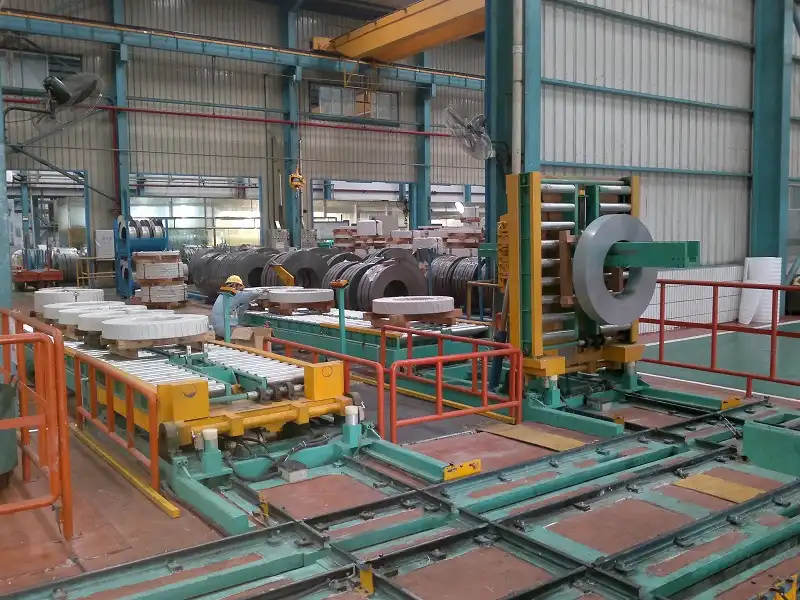
Regularly review your packaging costs against damage rates and customer feedback to ensure your strategy remains cost-effective without compromising protection.
Conclusion: Continuous Improvement is Key
Developing a successful steel coil packing strategy is an ongoing process, not a one-time task. It requires a deep understanding of your product, logistics chain, environmental risks, and cost drivers. By diligently addressing these five key elements—understanding needs, selecting materials, accounting for environment, optimizing for transport, and balancing costs—you can create a robust system that protects your valuable steel coils from damage. Regularly evaluating performance, seeking feedback, and staying informed about new materials and technologies will ensure your strategy remains effective and contributes positively to your bottom line and customer satisfaction.