Advanced Coil Slitting Technology: Enhancing Competitive Edge in Metal Processing
In the contemporary metal processing landscape, staying competitive requires leveraging advanced technologies. Integrated coil slitting and packing systems, augmented by sophisticated Enterprise Resource Planning (ERP) solutions, are pivotal in transforming the coil processing industry. These technological integrations empower manufacturers to sharpen their competitive edge by streamlining complex workflows, offering unprecedented operational control, and providing deep insights into manufacturing processes and inventory management through meticulous tracking from raw material to finished product.
1. Advancements in Coil Slitting Technology
The coil slitting sector has witnessed significant evolution, propelled by dynamic market demands and rapid technological strides. Modern applications often involve larger coils with wider widths and thicker gauges, particularly with the increased use of high-strength materials in industries like automotive and construction. This trend necessitates equipment upgrades capable of handling these demanding specifications. Consequently, many processors are investing in state-of-the-art slitting lines designed for higher gauges, increased material strengths, and enhanced precision.
Industry leaders are integrating cutting-edge technologies to optimize slitting operations. Key innovations include:
- Automated Knife Positioning: Systems that automatically set slitter knives based on order specifications, drastically reducing setup times and minimizing the risk of human error.
- Real-time Gauge and Width Monitoring: Non-contact sensors continuously measure material thickness and slit width, ensuring tighter tolerances and immediate detection of deviations.
- Advanced Tension Control Systems: Sophisticated closed-loop systems maintain optimal strip tension throughout the coil, crucial for preventing surface defects, edge waves, and ensuring tightly wound finished coils, especially with sensitive or high-strength materials.
- Integrated Scrap Handling: Efficient, automated systems for chopping or balling edge trim and scrap, improving safety and housekeeping.
These technological enhancements not only elevate product quality but also significantly cut down on setup times, reduce material waste (improving yield), and increase overall throughput. Modern slitting operations increasingly feature automated functions such as:
- Real-time Order Tracking: Providing instant visibility into the status and progress of each slitting job.
- Dynamic Production Scheduling: Utilizing algorithms to optimize machine utilization, sequence jobs efficiently, and minimize downtime between runs.
- Intelligent Coil Allocation: Software logic suggests the best master coil to use for a given set of orders, maximizing material yield and minimizing remnant generation.
- Seamless Multi-facility Coordination: Integrating scheduling and inventory across multiple production sites for optimized logistics and resource allocation.
2. The Evolution of Automated Coil Packing Systems
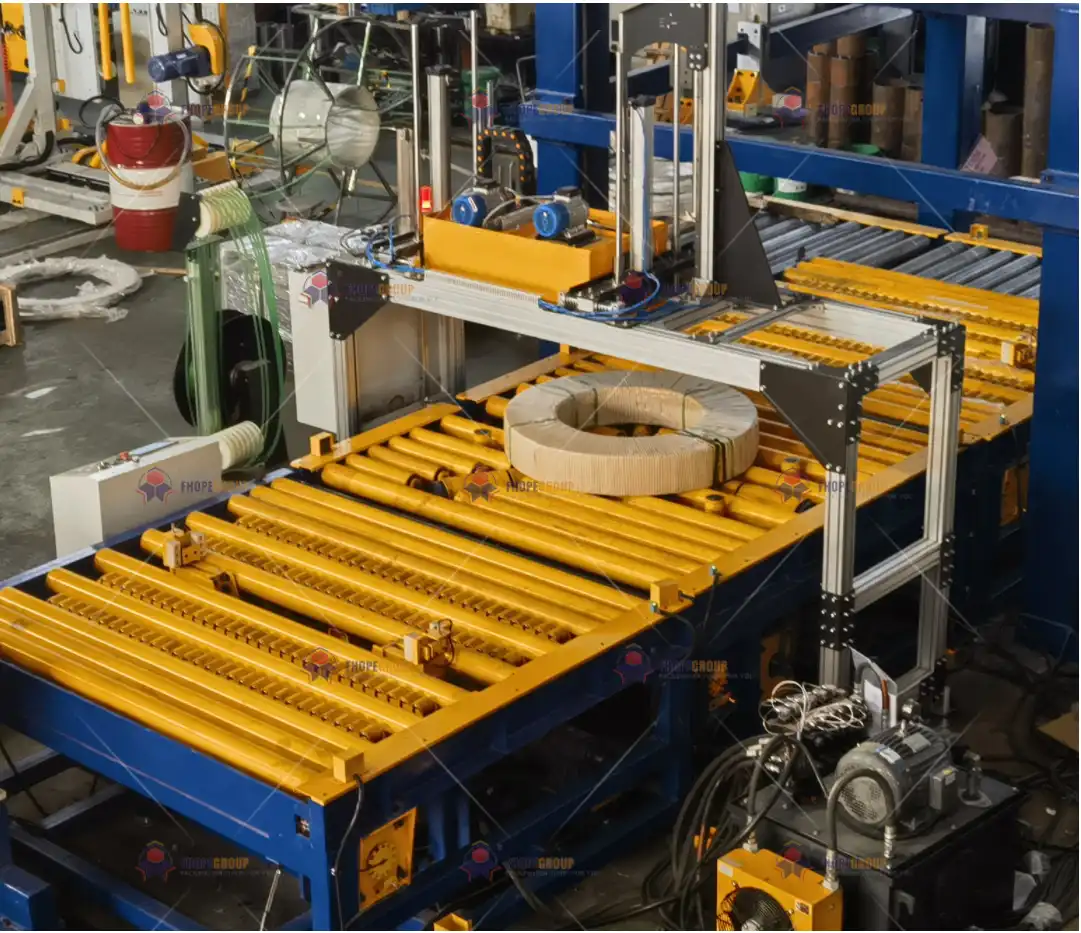
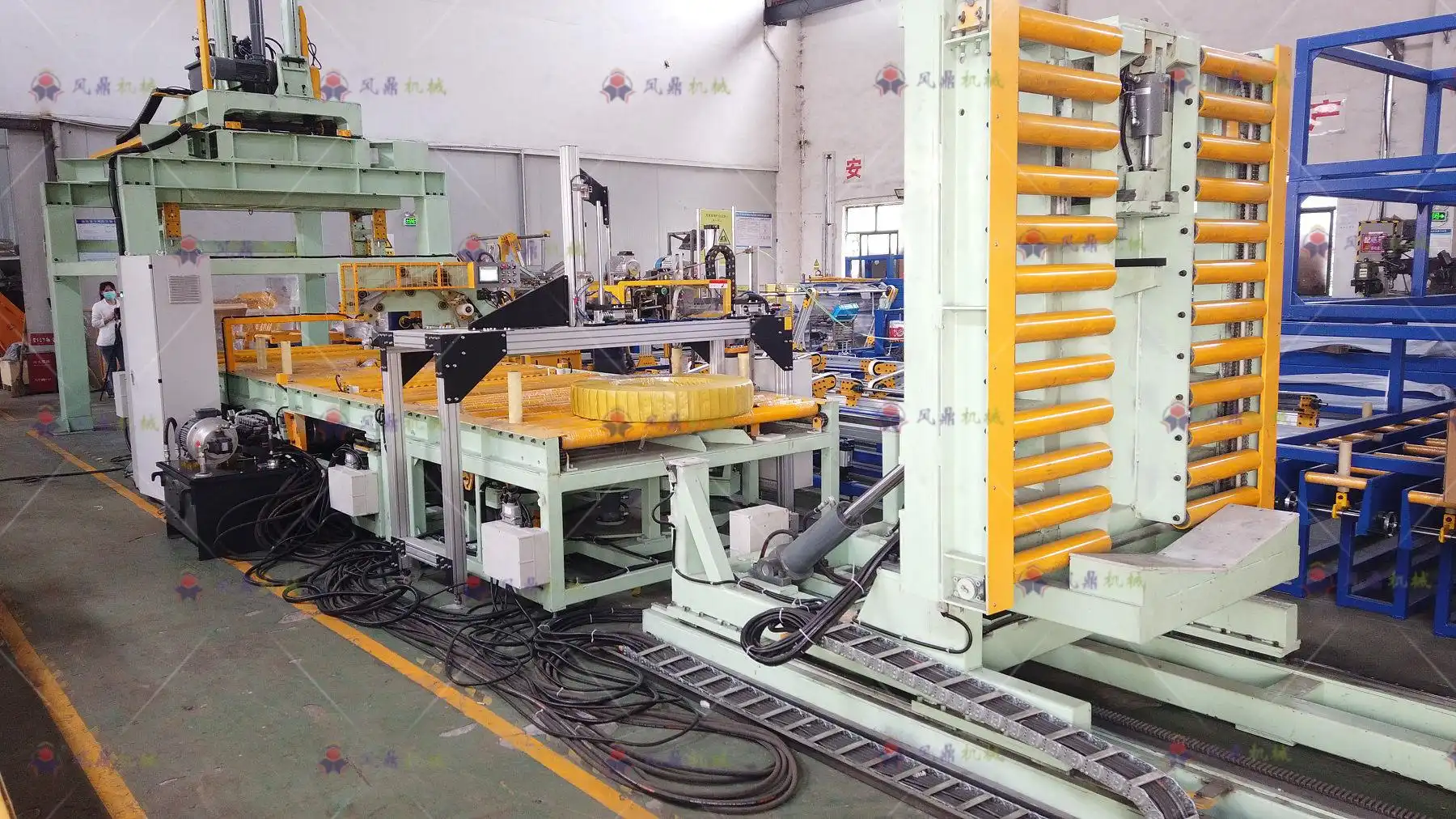
Automated coil packing lines have transitioned from labor-intensive bottlenecks to highly efficient, integrated components of the slitting process. Automation in downstream packing significantly cuts labor costs and facilitates a smoother, faster workflow from the slitter recoiler through to potential warehouse automation. This integration has markedly improved overall throughput and substantially reduced the risk of coil damage during handling and packaging.
Increasingly stringent customer packaging standards—driven by the need for superior coil protection during transit and storage, especially for surface-critical or high-value materials—are spurring the adoption of sophisticated packing solutions. These systems often incorporate:
- Automated Strapping: Radial and circumferential strapping systems that apply steel or plastic strapping precisely and consistently.
- Robotic Coil Handling and Palletizing: Robots safely and efficiently transfer slit coils from turnstiles or downenders onto pallets or skids according to pre-programmed patterns.
- Advanced Wrapping Technologies: Automated stretch wrapping, VCI paper application, or other protective layering systems ensure coils are securely packaged while optimizing material consumption.
- Automated Labeling and Weighing: Integration of scales and label applicators ensures accurate documentation and traceability.
Forward-thinking companies are implementing these cutting-edge packing technologies not just for efficiency but also to meet the exacting quality and documentation requirements of their customers. Modern packing systems often feature automated capabilities like:
- Continuous Quality Assurance Monitoring: Sensors and vision systems verify strap placement, wrap integrity, and label accuracy.
- Intelligent Packing Sequence Optimization: Software optimizes the flow of coils through the packing line based on size, destination, and required packaging type.
- Precise Allocation and Monitoring of Packing Materials: Tracking consumption of strapping, wrap, and other consumables helps manage inventory and costs.
- Coordinated Management of Multi-location Packing: Ensuring consistent packaging standards and data integration across different facilities.
3. Leveraging ERP Systems for Enhanced Profitability
In today's competitive metal service center environment, a robust ERP system specifically designed for the industry is crucial for accurate cost and margin analysis. These systems extend far beyond basic accounting, integrating real-time data from sales, inventory, production (slitting, packing, etc.), quality control, and shipping to provide a comprehensive, accurate view of the business.
ERP solutions enable continuous performance evaluation and help pinpoint opportunities for operational improvements. By analyzing key metrics such as:
- Overall Equipment Effectiveness (OEE): Measuring slitter uptime, performance rate, and quality output.
- Material Yield: Tracking scrap rates and optimizing coil allocation to minimize waste.
- Labor Efficiency: Monitoring setup times, run times, and personnel costs associated with specific jobs.
- Quality Metrics: Tracking defects, returns, and rework costs associated with specific materials or processes.
Companies can make informed, data-driven decisions to bolster their bottom line. Tailored ERP platforms empower coil processors to:
- Conduct Granular Margin Analysis: Accurately determine profitability by item, customer, order, specific processing step, or even by individual master coil.
- Detect Pricing Inconsistencies: Quickly identify orders or products that may be underpriced relative to actual processing costs.
- Identify Underperforming Assets: Pinpoint production lines, specific machines, or even external processing partners that are not meeting cost or efficiency targets.
- Improve Quoting Accuracy: Use historical cost data to generate more accurate and competitive quotes for new business.
These capabilities allow companies to react swiftly to market fluctuations, optimize their product and customer mix, and make strategically sound decisions regarding equipment investments, process improvements, and capacity planning.
4. Tailored ERP Solutions for Coil Processing Challenges
Generic ERP systems often fall short in addressing the unique complexities of the coil processing industry. Bespoke ERP solutions, or highly customized modules, are engineered specifically for metal service centers and processors, driving significant improvements in productivity, customer service, inventory management, and overall business performance.
Key features tailored to the coil processing environment include:
- Full Material Traceability: Maintaining a detailed genealogy for every coil, tracking its journey from master coil receipt (including heat/lot numbers, chemical/physical properties) through slitting (linking slit coils back to the master), processing, and final shipment. This is critical for quality assurance and compliance.
- Advanced Inventory Management: Handling complex units of measure (e.g., pounds, kilograms, feet, meters, pieces), managing coil remnants, optimizing storage locations, and providing real-time visibility into stock levels across multiple grades, gauges, widths, and locations. Features often include suggested coil usage logic to maximize yield.
- Integrated Quality Control: Linking quality test results (e.g., tensile strength, hardness, coating thickness) directly to specific coils or heats within the ERP system, ensuring adherence to customer specifications and industry standards (e.g., ISO, IATF 16949). Non-conformance tracking and reporting are often included.
- Production Scheduling and Shop Floor Data Collection: Tools specifically designed for scheduling slitters and other processing lines, considering factors like setup times, material characteristics, and downstream operations. Real-time feedback from the shop floor updates production status and captures actual costs.
- Metal-Specific Pricing Logic: Handling complex pricing structures involving base prices, gauge/width/grade extras, processing charges, scrap allowances, and surcharges.
- Business Intelligence and Reporting: Dashboards and reports tailored to metal industry KPIs, providing actionable insights into sales trends, inventory turns, production efficiency, and profitability.
By tightly integrating these specialized functions, coil processors can achieve a level of operational synergy and data accuracy previously unattainable. The outcome is a more agile, efficient, and profitable operation, better equipped to navigate the demands of a dynamic market.
As the industry continues its technological march, companies that proactively embrace the integration of advanced slitting machinery, automated packing systems, and sophisticated, industry-specific ERP solutions will secure a significant competitive advantage. They will be better positioned to deliver higher quality products, ensure faster delivery times, provide enhanced traceability, and maintain more competitive pricing structures. The future of competitive coil processing lies in this intelligent fusion of machinery, automation, and data.