Top Innovations to Consider When Choosing a Steel Coil Packing Line
Introduction
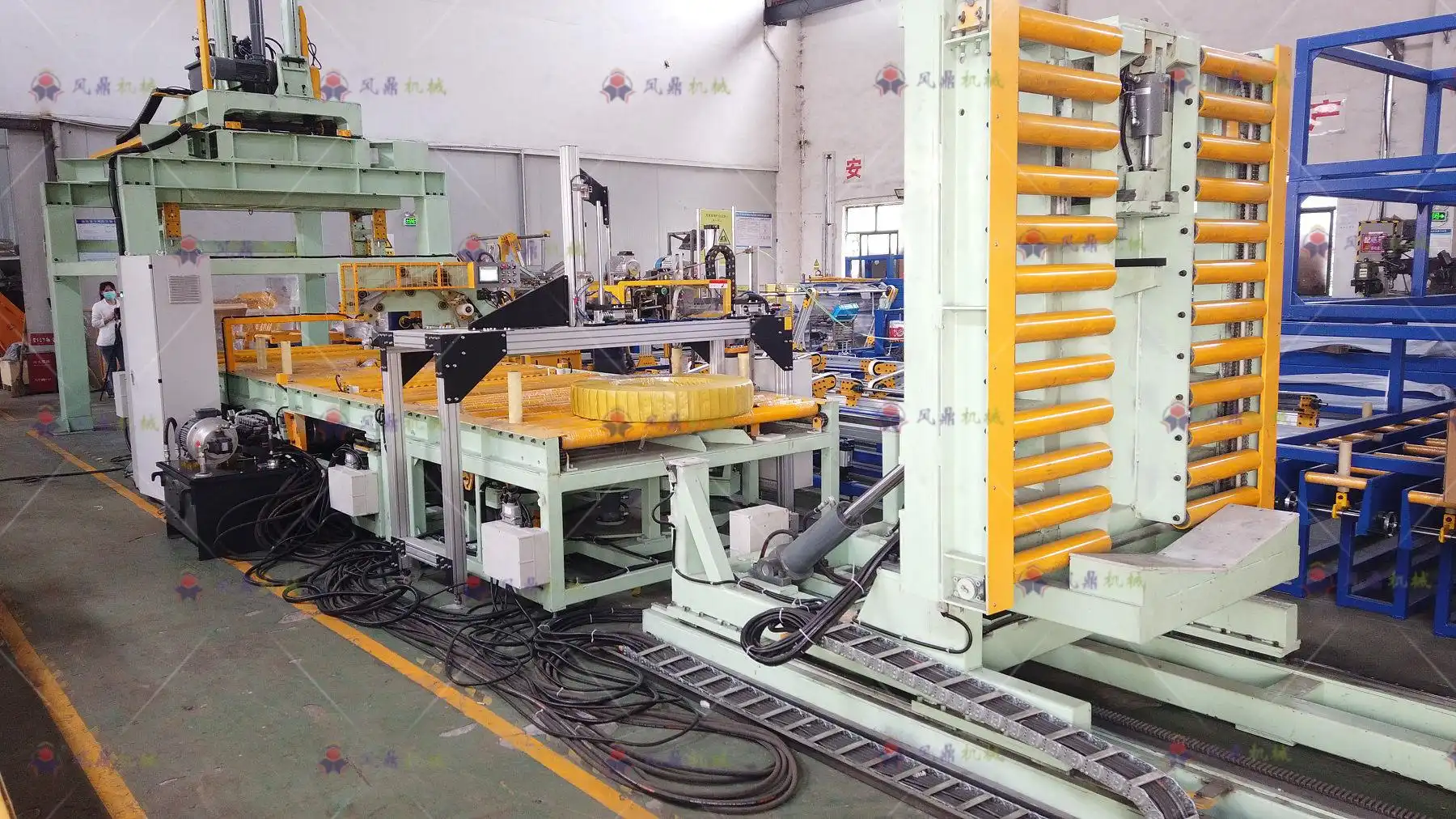
In the steel industry, effective packaging is vital for protecting valuable steel coils during transit and storage. Technological advancements have significantly improved steel coil packing lines, making them more efficient, precise, and sustainable. For fabricators and manufacturers seeking to upgrade their operations or enhance packaging quality, understanding the latest innovations in steel coil packing lines is crucial.
Selecting the appropriate packing line directly impacts production speed, packaging integrity, labor costs, and material consumption. Embracing modern technologies helps minimize downtime, improve workplace safety, and ensure coils are adequately protected against damage. This article explores key innovations to evaluate when choosing a steel coil packing line, emphasizing features that deliver long-term operational value and efficiency.
1. Automation: The Core of Efficient Coil Packaging
Why Automation is Essential
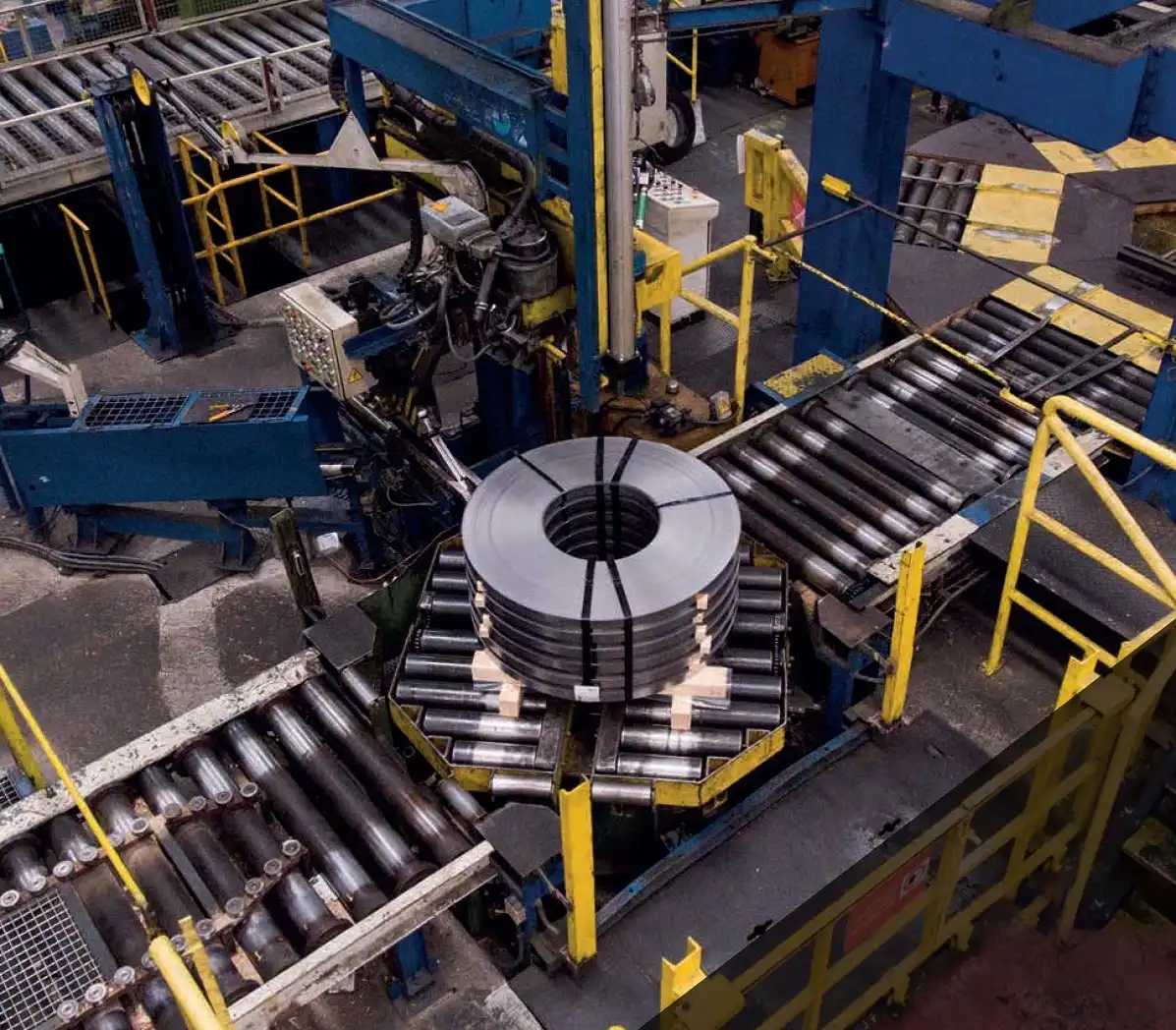
Automation forms the backbone of contemporary steel coil packing lines. Automating critical processes like coil handling, wrapping, strapping, and palletizing enables manufacturers to achieve higher production rates while reducing reliance on manual labor. This boost in productivity is complemented by improved consistency in packaging quality, ensuring every coil receives standardized protection.
Modern automated packing lines utilize sensors, robotic systems, and programmable logic controllers (PLCs) for precise command over the entire packaging sequence. These systems can dynamically adjust parameters such as wrapping tension, film overlap, and material usage based on coil specifications, eliminating manual variability and optimizing protection.
Key Benefits of Automation in Coil Packaging
- Increased Throughput: Automated systems operate significantly faster than manual processes, facilitating higher production volumes and shorter lead times.
- Reduced Human Error: Automation minimizes inconsistencies inherent in manual packaging, ensuring uniform wrapping and strapping standards for every coil.
- Lower Labor Costs: Decreased dependency on manual operators allows for labor cost reduction and reallocation of personnel to higher-value tasks within the facility.
- Enhanced Safety: Automating heavy lifting and repetitive tasks reduces the risk of ergonomic injuries associated with manual coil handling and packaging.
2. IoT Integration for Real-Time Monitoring and Optimization
The Role of IoT in Modern Packaging Lines
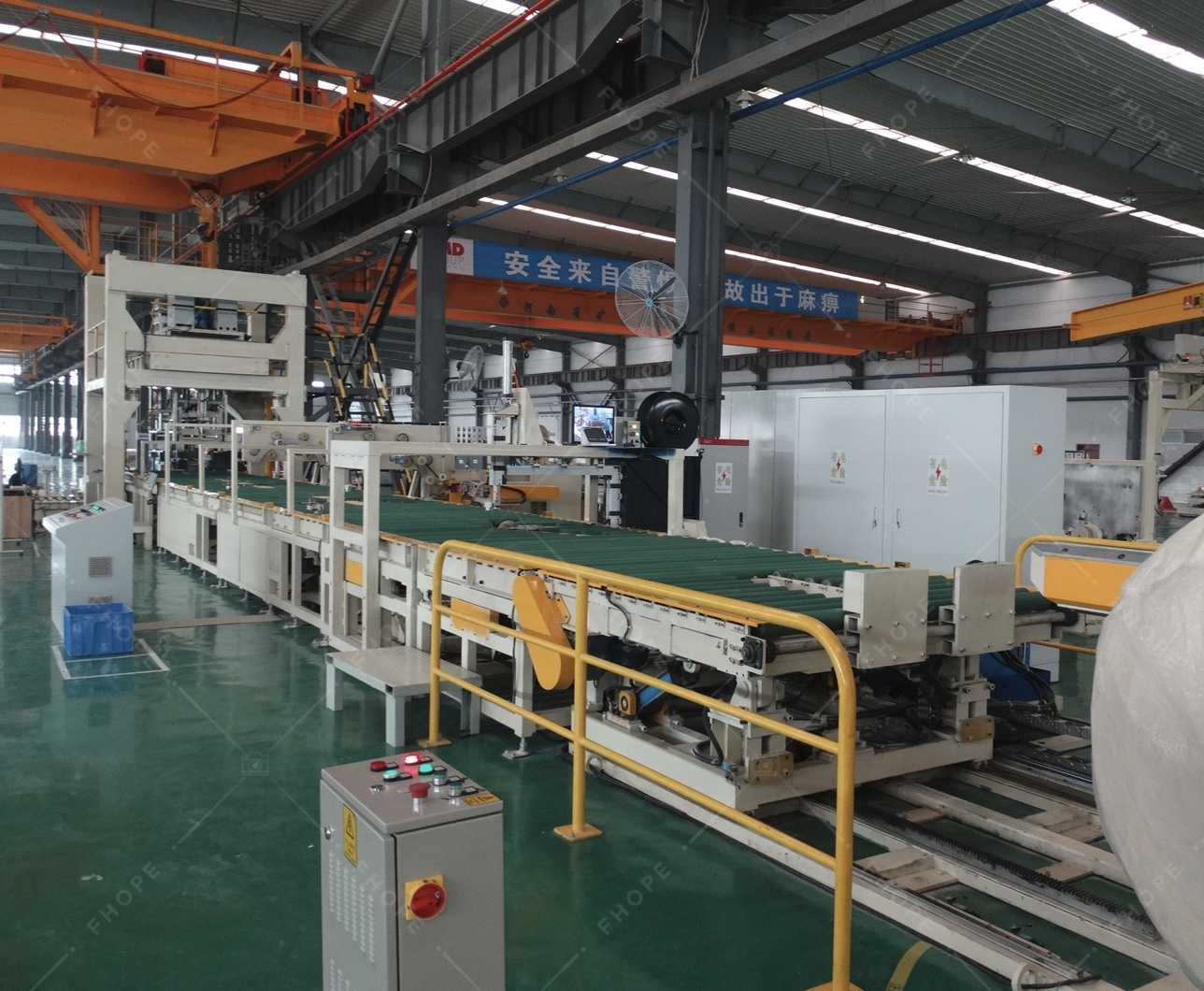
The Internet of Things (IoT) revolutionizes operational management in manufacturing. Within steel coil packing lines, IoT integration enables machines and systems to communicate, providing real-time data on critical parameters like operational performance, material consumption (film, straps), cycle times, and potential maintenance requirements. This data-driven approach empowers manufacturers to make informed decisions, proactively improving efficiency and minimizing unplanned downtime.
Key Benefits of IoT Integration
- Real-Time Performance Monitoring: IoT sensors deployed throughout the packing line gather continuous data, allowing operators to monitor equipment status and process flow instantly via dashboards. This facilitates rapid identification and resolution of potential issues before they escalate.
- Predictive Maintenance Capabilities: By analyzing operational data (e.g., motor vibration, temperature, cycle counts), IoT systems can predict potential component failures, enabling proactive maintenance scheduling. This significantly reduces unexpected breakdowns and extends equipment lifespan. (See point 10 for more details).
- Enhanced Operational Efficiency: IoT-connected systems can automatically optimize parameters based on real-time data analysis, leading to more efficient material usage (e.g., minimizing stretch film waste) and improved Overall Equipment Effectiveness (OEE).
3. Customizable Wrapping Solutions for Optimal Protection
Adapting Wrapping to Diverse Coil Sizes
Steel coils vary greatly in diameter, width, and weight. The capacity to tailor wrapping solutions for each specific coil is vital for effective protection. Advanced steel coil packing lines feature highly customizable wrapping systems. These systems can automatically adjust parameters like the amount of stretch film applied, wrapping tension, overlap percentage, and rotational speed based on the measured dimensions and weight of the incoming coil.
This adaptability ensures each coil, regardless of size, is wrapped securely and efficiently. Tailoring the wrap pattern (e.g., eye-to-sky, circumferential) and parameters minimizes material waste while maximizing load stability and protection against environmental factors.
Selecting Appropriate Wrapping Materials
Modern systems accommodate a variety of wrapping materials to meet different protection requirements:
- Standard Stretch Film: Cost-effective option suitable for securing coils for short-term storage and standard transportation conditions. Available in various thicknesses and strengths.
- VCI (Vapor Corrosion Inhibitor) Film: Essential for preventing rust and corrosion, particularly for coils destined for long-term storage, export, or exposure to humid environments. The VCI additive creates a protective molecular layer on the steel surface.
- Heavy-Duty or Puncture-Resistant Film: Offers enhanced protection for heavy coils or those susceptible to handling damage, providing superior load containment and resistance to tears.
- Paper or Other Protective Layers: Some systems can automatically apply layers of paper, plastic sheeting, or other materials beneath the stretch film for added surface protection or moisture barrier.
The ability to utilize different materials ensures packaging can be precisely matched to the coil's value, destination, and required level of protection.
4. Advanced Strapping Technologies for Securement
Automated Strapping Systems
Strapping provides crucial reinforcement for wrapped coils, ensuring load stability during handling and transport. Automated strapping systems offer substantial improvements over manual methods. These systems apply PET (polyester) or steel straps with precisely controlled tension, guaranteeing securement without damaging the coil edges or surface. Automated systems can also adjust the number and placement of straps (radial and/or circumferential) based on coil dimensions and weight.
Advantages of Advanced Strapping
- Consistent Tensioning: Automated systems apply straps with uniform tension every time, eliminating variability and reducing the risk of strap failure or coil damage from over-tensioning.
- Increased Speed: Automated strapping is significantly faster than manual application, improving overall line throughput and preventing bottlenecks.
- Material Efficiency: Precise control over strap application and tension minimizes waste, optimizing the consumption of costly strapping materials.
- Improved Safety: Automating the strapping process removes operators from potentially hazardous tasks involving heavy coils and tensioned straps.

5. Robotic Palletizing for Enhanced Efficiency and Safety
The Role of Robotics in Palletizing Operations
Robotic palletizing represents a major advancement in modern steel coil packing lines, boosting both efficiency and workplace safety. Manually palletizing heavy steel coils is labor-intensive and carries significant ergonomic risks. Industrial robots automate this task, accurately lifting and stacking packaged coils onto pallets according to pre-programmed patterns, often integrating seamlessly with upstream wrapping and strapping processes.
Benefits of Robotic Palletizing
- Increased Throughput: Robots operate continuously at high speeds, capable of handling large volumes of coils efficiently, thereby accelerating the overall packaging cycle.
- Enhanced Workplace Safety: Automating the lifting, manipulation, and stacking of heavy coils drastically reduces the risk of musculoskeletal injuries associated with manual handling.
- Stacking Accuracy and Stability: Robots place coils onto pallets with high precision, ensuring stable, well-aligned loads suitable for safe storage and transportation. This minimizes the risk of product damage due to shifting during transit.
- Flexibility: Robotic systems can often be programmed to handle various coil sizes and stacking patterns, offering flexibility for diverse production needs.
6. Modular Designs for Scalability and Future-Proofing
The Importance of Scalability in Packing Lines
As production demands fluctuate or grow, manufacturers require packing lines that can adapt. Modular coil packing lines are engineered with scalability as a core principle. This design philosophy allows manufacturers to invest in a foundational system that meets current needs and subsequently add modules or upgrade features—such as automated strapping, labeling, or robotic palletizing—as operational requirements evolve or budgets permit. This ensures the packing line remains a cost-effective asset over its lifespan.
Customization and Ease of Upgrades
Modular designs intrinsically support customization. Manufacturers can configure lines tailored to specific constraints like available floor space, coil dimensions, throughput targets, and preferred packaging materials. Crucially, modularity simplifies future upgrades. Incorporating new technologies (e.g., advanced sensor systems, enhanced safety features) or increasing capacity can often be achieved by adding or replacing specific modules rather than undertaking a complete system overhaul, thus protecting the initial investment.
7. Energy Efficiency and Sustainability Initiatives
Reducing Energy Consumption in Packaging
With increasing focus on operational costs and environmental responsibility, energy efficiency is a critical factor when selecting a steel coil packing line. Modern systems are designed to minimize energy usage without sacrificing performance. Key features contributing to lower energy consumption include:
- Use of high-efficiency motors and variable frequency drives (VFDs) that adjust power consumption based on load.
- Optimized mechanical designs and workflows that reduce unnecessary movement and friction.
- Intelligent automation controls that power down components during idle periods.
- Regenerative braking systems on certain components (like turntable wrappers) that recover energy.
Supporting Sustainable Material Choices
Beyond energy savings, many contemporary steel coil packing lines are compatible with sustainable packaging materials. This includes options like thinner gauge stretch films that maintain strength (reducing plastic usage), films with recycled content, and biodegradable or recyclable alternatives where applicable. The ability to use eco-friendlier materials helps manufacturers reduce their environmental footprint, meet corporate sustainability goals, and appeal to environmentally conscious partners and customers.
8. Real-Time Data Analytics for Continuous Improvement
Leveraging Data for Packaging Optimization
Data is a powerful asset in optimizing manufacturing processes. Modern packing lines equipped with sensors and connectivity (often via IoT) generate vast amounts of operational data. Real-time data analytics platforms process this information, providing actionable insights into machine performance, material usage rates, throughput levels, downtime causes, and overall equipment effectiveness (OEE). This allows managers and engineers to identify inefficiencies and bottlenecks proactively.
Benefits of Real-Time Data Analytics
- Informed Decision Making: Access to real-time dashboards and historical performance data enables operators and managers to make data-backed adjustments to optimize settings, scheduling, and resource allocation.
- Identification of Cost Savings Opportunities: Analytics can pinpoint areas of excessive material consumption (e.g., over-wrapping), highlight equipment running below optimal capacity, or identify frequent minor stoppages, all leading to potential cost reductions.
- Foundation for Continuous Improvement: Real-time data facilitates a robust continuous improvement cycle (e.g., Plan-Do-Check-Act). Teams can monitor performance, implement changes, track the impact instantly, and make further refinements based on objective metrics.
9. Enhanced Safety Features for Operator Protection
Prioritizing Operator Safety in Design
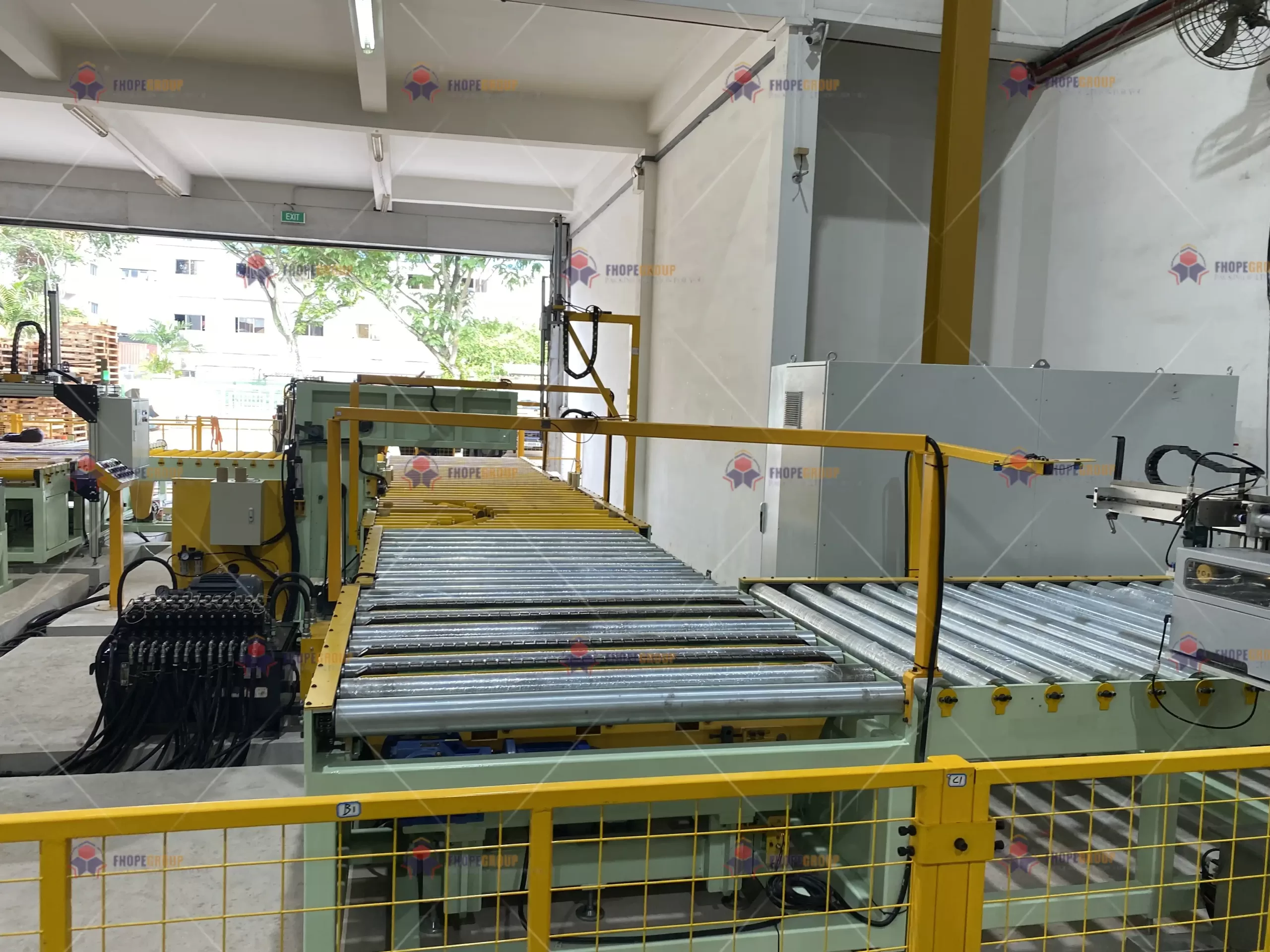
Operator safety is paramount in any industrial environment, especially around heavy machinery like steel coil packing lines. Modern systems incorporate numerous advanced safety features designed to minimize risks and comply with stringent safety standards (e.g., ISO 13849). Standard features typically include emergency stop buttons strategically placed around the line, physical guarding around moving parts, and warning lights or signals.
Integrated Safety Systems and Technologies
Beyond basic measures, advanced lines feature integrated safety systems managed by safety-rated PLCs. These can include:
- Light Curtains or Area Scanners: These create invisible safety zones; if an operator enters a hazardous area while the machine is operating, the system automatically stops or enters a safe state.
- Interlocked Access Doors: Doors or gates accessing potentially dangerous areas are equipped with interlocks that halt machine operation if opened.
- Two-Hand Controls: For certain manual operations or resets, requiring operators to use both hands ensures they are clear of moving parts.
- Safe Speed Monitoring: Ensures components operate within safe speed limits, especially during setup or maintenance modes.
Investing in equipment with comprehensive, integrated safety systems is crucial for protecting personnel, reducing liability, and fostering a safer work environment.
10. Predictive Maintenance for Maximizing Uptime
How Predictive Maintenance Works
Predictive Maintenance (PdM) represents a significant evolution from reactive or preventative maintenance strategies. Leveraging sensors (monitoring vibration, temperature, acoustics, power consumption, etc.) integrated via IoT platforms, PdM systems continuously analyze the health and performance of critical machine components in real-time. Advanced algorithms detect subtle anomalies and patterns that indicate potential wear or impending failure, often weeks or months before a breakdown would occur.
This allows maintenance teams to transition from fixed schedules to condition-based interventions, scheduling repairs or component replacements precisely when needed and before catastrophic failure disrupts production.
Benefits of Predictive Maintenance
- Minimized Unplanned Downtime: By forecasting potential failures, PdM drastically reduces unexpected breakdowns, which are often costly in terms of lost production and emergency repair expenses.
- Optimized Maintenance Costs: Maintenance resources are focused where they are actually needed, avoiding unnecessary preventative replacements of parts that are still in good condition and reducing overall maintenance labor and spare part costs.
- Extended Equipment Lifespan: Addressing issues proactively prevents minor problems from cascading into major failures, thereby extending the operational life of the packing line machinery.
- Improved Safety: Predicting failures can prevent dangerous equipment malfunctions.
11. User-Friendly Interfaces and Advanced Control Systems
Intuitive Operator Interfaces (HMI)
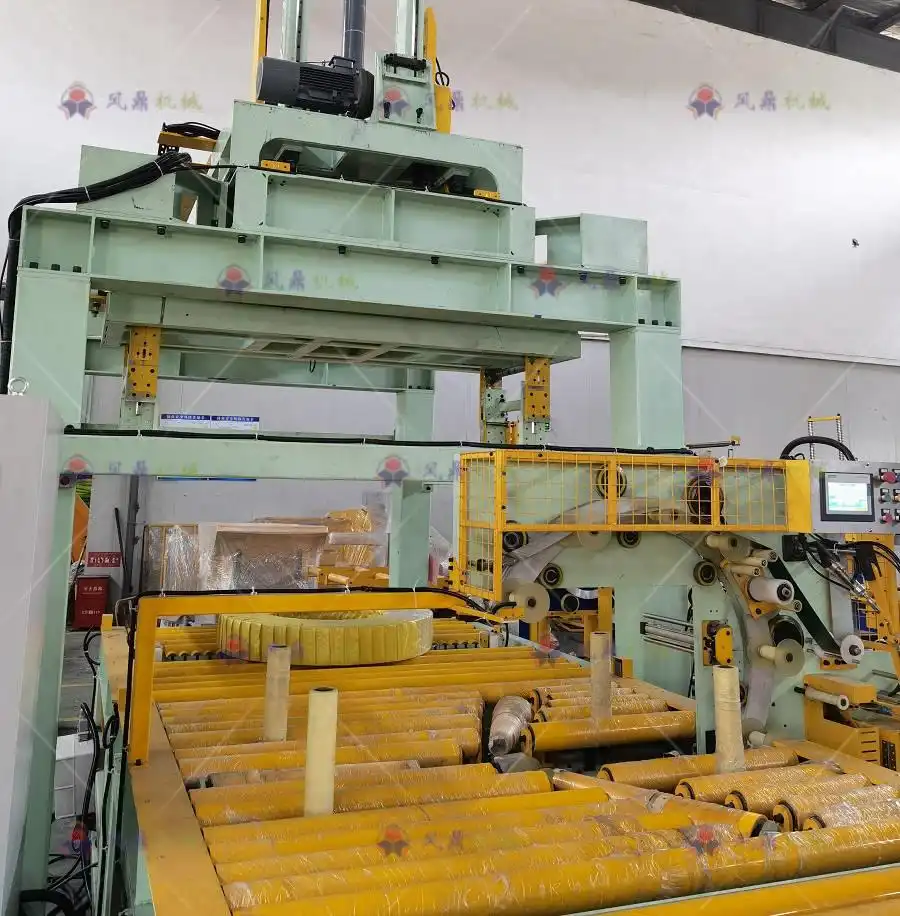
Complex automated systems require effective control interfaces for operators. Modern steel coil packing lines feature intuitive Human-Machine Interfaces (HMIs), typically utilizing graphical touchscreen displays. These HMIs provide clear visualization of the entire packing line status, real-time operational data (speed, material levels, diagnostics), and easy access to machine settings and recipe management. Well-designed HMIs reduce training time, minimize operator errors, and improve overall system management.
Remote Capabilities and Customization
Many advanced control systems offer remote monitoring and control capabilities. This enables supervisors or maintenance personnel to view machine status, receive alerts, and sometimes even troubleshoot or adjust parameters remotely via secure network connections (using PCs or mobile devices). This enhances flexibility and can expedite issue resolution.
Furthermore, control systems provide extensive customizable settings. Operators can easily adjust parameters like wrapping programs, strapping tension, label formats, and palletizing patterns to accommodate different coil specifications or customer requirements, ensuring optimal packaging for every product run.
12. Integration with Plant-Wide Production Systems
Seamless System Integration (ERP/MES)
For holistic operational efficiency, a key consideration is the packing line's ability to integrate seamlessly with existing plant-wide production systems, such as Enterprise Resource Planning (ERP) and Manufacturing Execution Systems (MES). Proper integration facilitates a smooth flow of information, ensuring that packaging operations are synchronized with upstream processes (like slitting or rolling) and downstream logistics (inventory management, shipping).
Integration allows for automatic data exchange. For example, coil identification data can be received from the MES, and once packaged, the system can update ERP inventory levels, report production counts, and potentially trigger shipping documentation. This eliminates manual data entry, reduces errors, and provides real-time visibility across the supply chain.
Enhancing Overall Workflow Efficiency
System integration significantly enhances workflow efficiency. By automating data transfer and process handoffs, it ensures packaging doesn't become an isolated island or bottleneck. Real-time tracking of coils through the packaging process improves traceability and production planning. The ability to automatically generate labels with correct product information, customer details, and tracking barcodes streamlines logistics and reduces shipping errors.
13. High-Speed Packaging for Maximum Throughput
Maximizing Production Speeds
In high-volume steel processing facilities, the speed of the packing line is critical to avoid bottlenecks and meet demanding production schedules. High-speed coil packing systems are engineered for maximum throughput, often capable of processing a significant number of coils per hour while maintaining quality and safety standards. The required speed will depend heavily on the upstream production rate and the specific coil sizes being processed.
Achieving high speeds often involves design features like dual wrapping stations (allowing one coil to be wrapped while another is loaded/unloaded), high-speed conveyors, fast cycle times for strapping heads, and optimized integration with robotic palletizers capable of keeping pace with the line output.
Advantages of High-Speed Systems
- Increased Productivity: Enables processing more coils within a given timeframe, directly boosting overall plant output and capacity utilization.
- Reduced Bottlenecks: Ensures the packaging stage does not limit the speed of upstream production processes like slitting or rolling lines.
- Improved Labor Efficiency: Even with high speeds, automation minimizes the manual labor required per coil packaged, improving cost-effectiveness.
- Consistent Quality at Speed: Well-designed high-speed systems maintain precise wrapping and strapping parameters even during rapid operation, ensuring consistent package integrity.
14. Key Considerations When Selecting a System
Evaluating Technical Specifications and Reliability
When choosing a steel coil packing line, thoroughly evaluate the manufacturer's experience and the system's technical capabilities. Assess their track record specifically within the steel industry. Key technical points include:
- Compatibility with your range of coil dimensions (ID, OD, width) and weights.
- Required throughput rate (coils per hour).
- Robustness of construction suitable for an industrial environment.
- Proven reliability of components and overall system uptime history (seek references if possible).
Assessing Customization, Support, and Total Cost of Ownership (TCO)
Look beyond the initial purchase price and consider the Total Cost of Ownership (TCO). Important factors include:
- Customization Options: Can the manufacturer tailor the system to your specific layout, workflow, material requirements, and integration needs?
- Level of Support: Evaluate the manufacturer's support structure, including installation assistance, operator training, availability of spare parts, and responsiveness of technical support (local support can be a significant advantage).
- Maintenance Requirements: Understand the recommended maintenance schedule, ease of access for maintenance tasks, and potential long-term costs.
- Technology Roadmap: Does the supplier have a clear plan for future upgrades and incorporating new innovations, ensuring your investment doesn't quickly become obsolete?
Conclusion
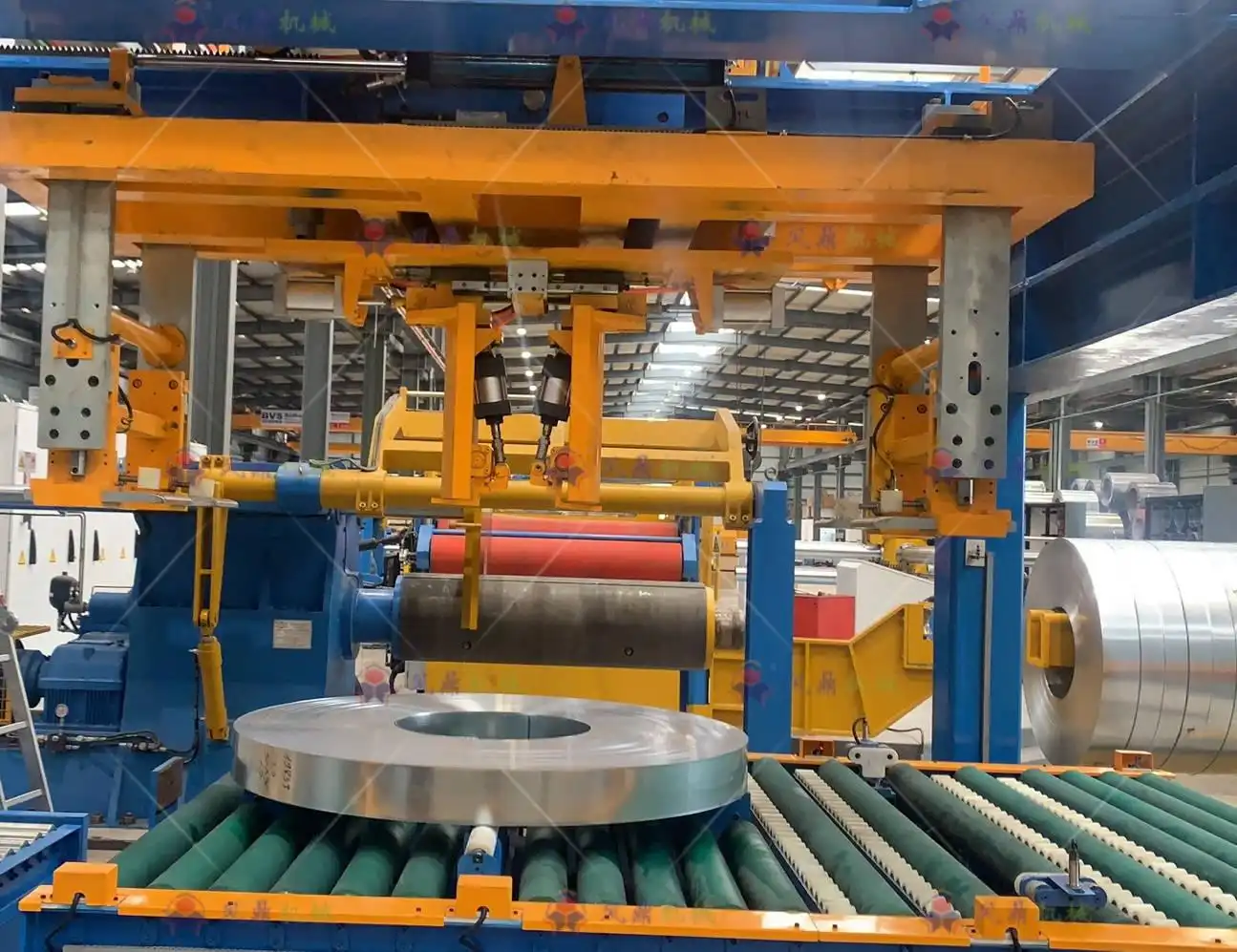
Investing in a modern steel coil packing line incorporating the latest technological innovations can significantly enhance operational performance. Key advancements like comprehensive automation, IoT integration for data-driven insights, robotic palletizing for efficiency and safety, and predictive maintenance capabilities offer substantial benefits in productivity, cost reduction, and packaging quality.
By carefully considering innovations such as customizable wrapping and strapping, modular designs for scalability, enhanced safety features, and options for energy efficiency and sustainability, manufacturers can select a system that meets current needs and provides long-term value. Evaluating potential systems based on technical suitability, reliability, support, and adaptability is crucial for making an informed investment.
Ultimately, selecting the right steel coil packing line equipped with appropriate innovations will help fabricators and steel processors improve throughput, protect valuable products during transit and storage, optimize resource usage, and maintain a competitive edge in the demanding steel industry.