Enhancing Efficiency and Safety: An Overview of Automatic Coil Packing Solutions from China
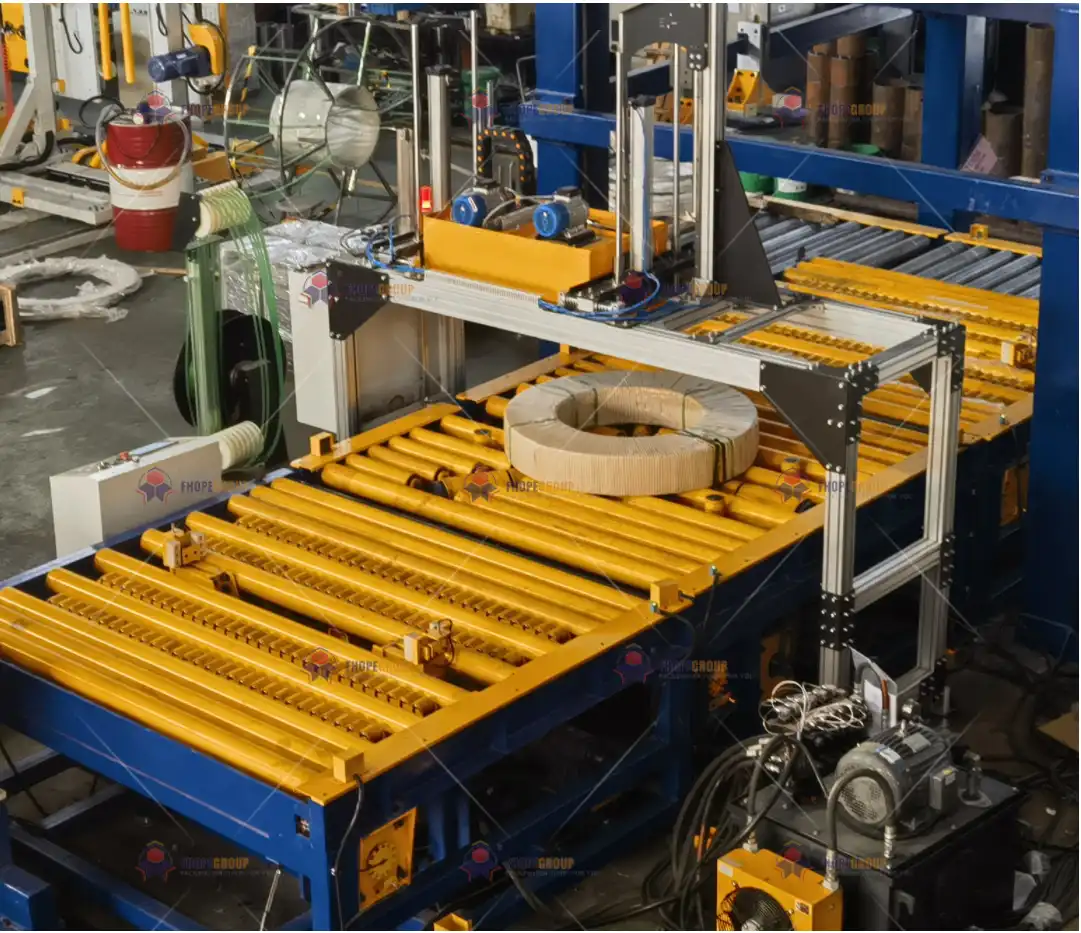
China's advanced manufacturing capabilities extend significantly into the realm of fully automatic coil packing solutions. As industries handling steel, aluminum, copper, and other coiled materials seek greater efficiency, safety, and cost-effectiveness, automated systems have become indispensable. Manufacturers in China are recognized providers of sophisticated coil packaging technology designed to boost productivity while minimizing manual labor.
This article examines the key aspects of automatic coil packing solutions developed in China, explores the underlying technologies, and discusses the benefits driving their adoption across various industrial sectors.
1. The Imperative for Automating Coil Packaging
The shift towards automated packaging systems is accelerating globally. Operations dealing with large volumes of heavy metal coils are increasingly replacing manual or semi-automatic methods with fully automatic solutions. The primary drivers include:
a. Enhancing Operational Efficiency
Manual packing is time-consuming and prone to inconsistencies. Automated systems streamline the entire process—from coil handling and wrapping to strapping and stacking—leading to significantly faster throughput and predictable cycle times.
b. Improving Workplace Safety
Handling large, heavy coils poses considerable risks to personnel. Automation minimizes direct human interaction with the coils during packaging, drastically reducing the potential for injuries associated with lifting, positioning, and securing heavy loads.
c. Ensuring Consistent Packaging Quality
Automated lines ensure uniformity in wrapping tension, strap placement, and overall package integrity. This consistency is crucial for protecting valuable coils from damage during handling, storage, and transit, thereby reducing material loss and customer claims.
d. Reducing Labor Costs
While requiring initial investment, automated systems significantly lower long-term operational costs by reducing the need for manual labor, minimizing human error, and optimizing material usage.
The growth of industries requiring coil processing in regions like China has spurred demand for these advanced automation solutions, positioning its manufacturers as key contributors to the global market.
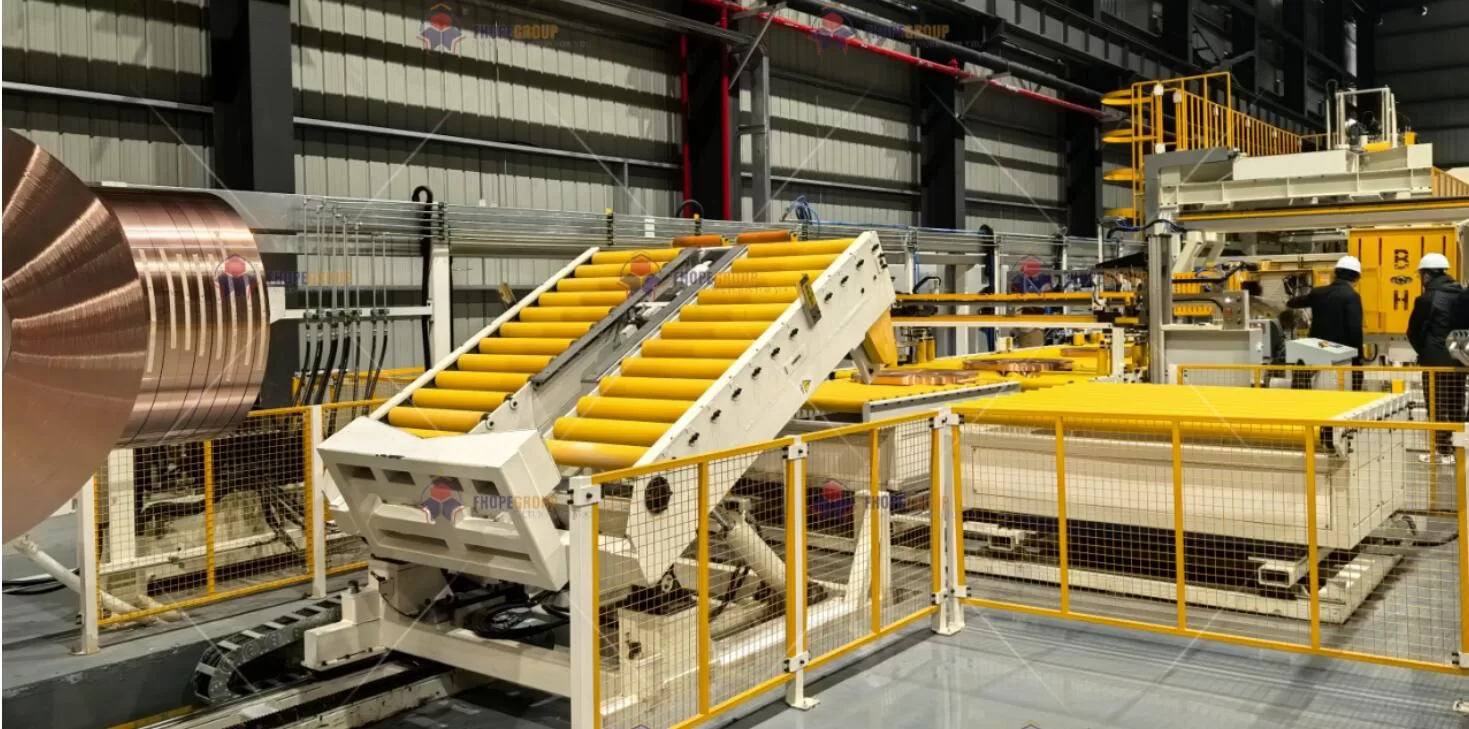
2. Core Features of Modern Automatic Coil Packing Lines
Automatic coil packing lines engineered in China typically incorporate advanced features designed for reliability and high performance:
a. Precision Handling and Positioning
Systems often include automated coil loading, centering, and positioning mechanisms. Using sensors and actuators, these ensure coils are correctly oriented for subsequent wrapping and strapping, crucial for package integrity and preventing damage.
b. Integrated Wrapping and Strapping Modules
A key characteristic is the seamless integration of multiple packaging stages:
- Coil Upenders/Downenders: To orient coils correctly (eye-to-sky or eye-to-wall).
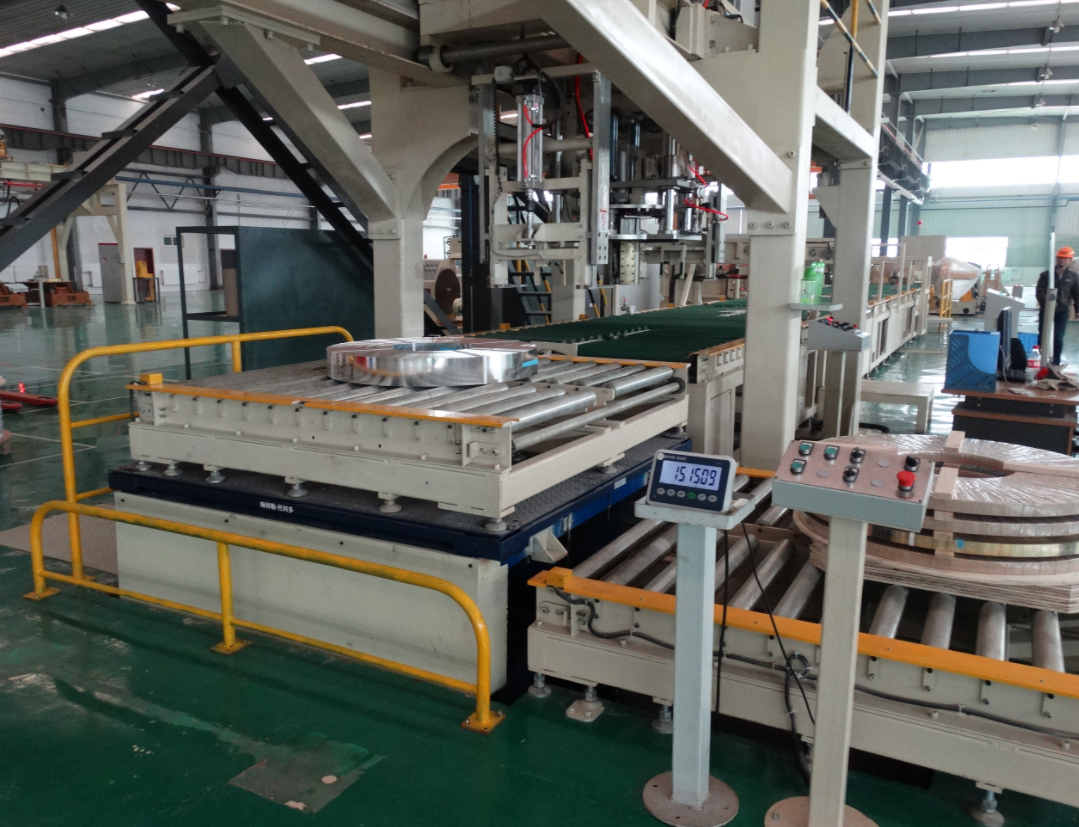
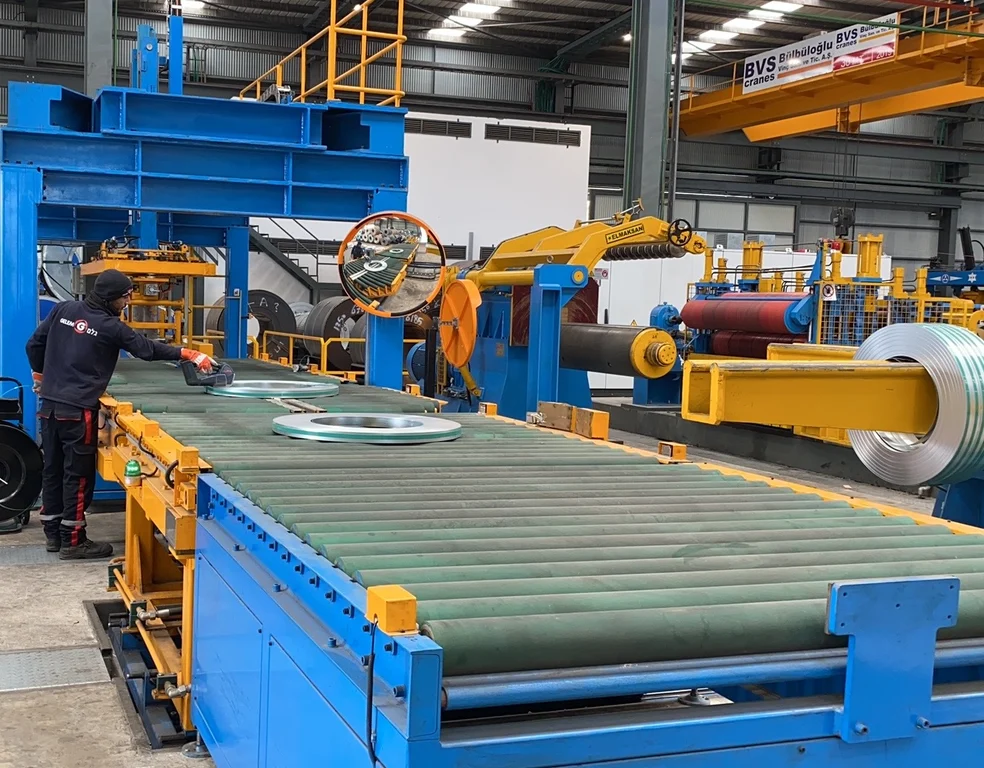
- Conveyor Systems: Automated transport between stations (e.g., roller, chain, or walking beam conveyors).
- Wrapping Machines: Applying protective layers like stretch film, VCI paper, or plastic sheeting using orbital wrappers or through-eye wrappers for precise tension control and material overlap.
- Strapping Machines: Automatically applying steel or PET straps circumferentially or through the coil eye at predetermined locations with consistent tension.
- Labeling and Marking Systems: Applying identification tags or labels automatically.
- Stacking and Palletizing Units: Automated handling of finished coils onto pallets or storage locations.
c. Customization and Flexibility
Leading manufacturers offer highly customizable systems tailored to specific operational needs, considering parameters such as:
- Coil Dimensions: Inner diameter (ID), outer diameter (OD), width, and weight.
- Material Type: Steel (cold rolled, galvanized, stainless), aluminum, copper, wire, cable, etc.
- Packaging Materials: Type and specification of stretch film, VCI, straps (steel/PET), edge protectors.
- Throughput Requirements: Coils per hour or shift.
- Integration Needs: Connection with upstream slitting lines or downstream warehousing systems (e.g., MES, WMS).
This flexibility allows diverse industries to implement solutions optimized for their unique products and processes.
3. Capabilities of Leading Chinese Manufacturers
Manufacturers in China specializing in automatic coil packing solutions offer systems characterized by:
a. High-Performance Engineering
Systems are designed for durability and continuous operation in demanding industrial environments. Focus is placed on robust construction, reliable components, and precision engineering to ensure consistent performance and longevity.
b. Comprehensive Automation Integration
Providers often possess expertise in integrating complex automation sequences, utilizing PLCs (Programmable Logic Controllers), HMIs (Human-Machine Interfaces), and sensor technology for seamless operation, monitoring, and diagnostics.
c. Tailored Solutions for Heavy-Duty Applications
Many suppliers specialize in systems capable of handling extremely large and heavy coils, common in the primary metals industry. This includes reinforced conveyors, high-capacity wrappers, and powerful strapping heads designed for secure packaging of multi-ton coils.
d. Focus on Protective Packaging
Emphasis is placed on technologies that ensure maximum protection for the coil material, minimizing risks like corrosion, surface damage, or telescoping during handling and shipping. This involves optimizing wrapping patterns, strap tension, and the use of appropriate protective materials.
4. Technological Advancements Shaping the Industry
Continuous innovation is key to the capabilities offered by Chinese coil packing solution providers. Key technological trends include:
a. Advanced Automation and Control Systems
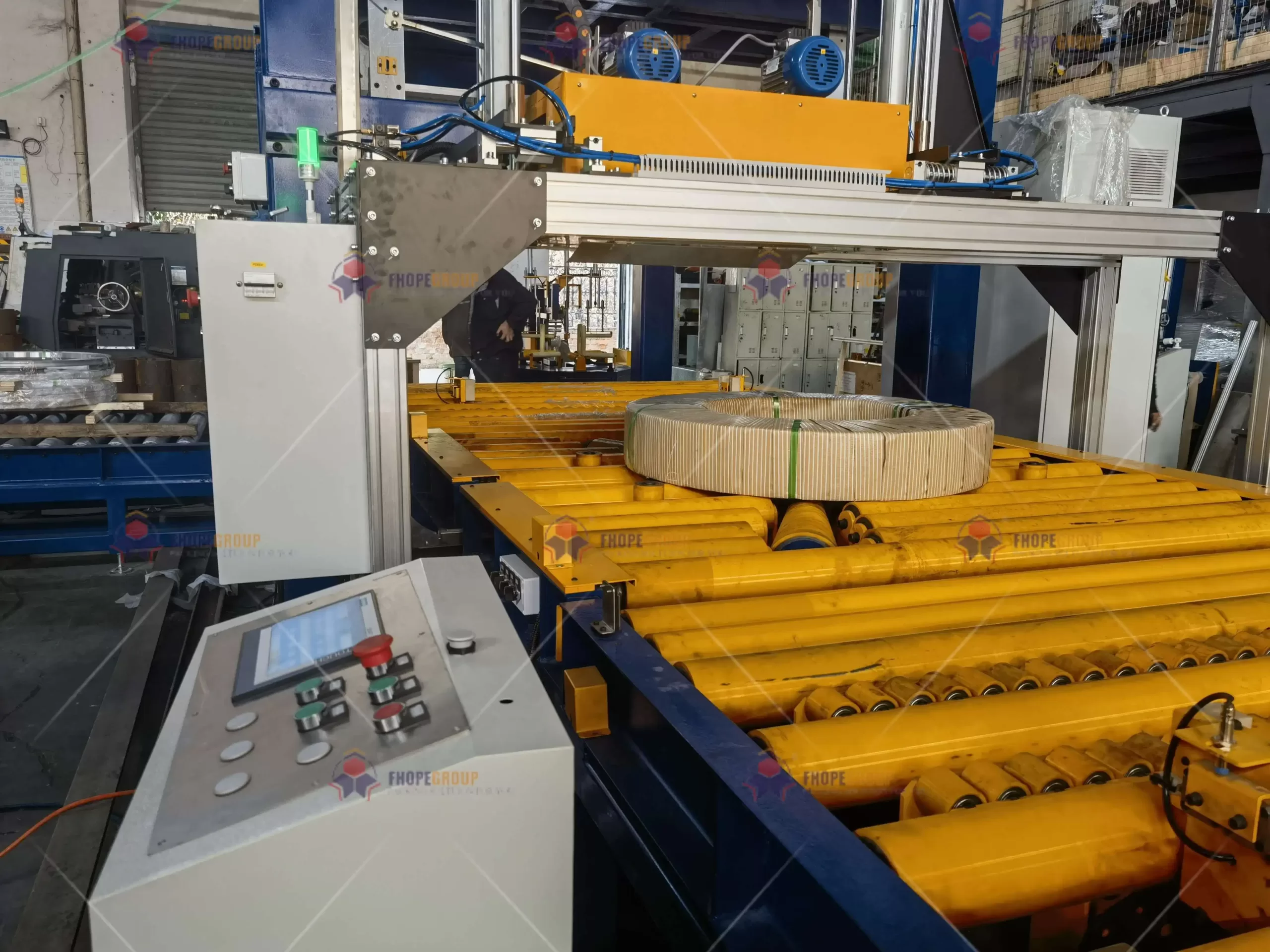
Modern lines utilize sophisticated PLC controls and intuitive HMI panels, allowing for easy setup, operation monitoring, recipe management, and fault diagnosis. Integration with plant-level control systems (SCADA, MES) enables data exchange for production tracking and optimization.
b. Sensor Technology and AI Integration
Increasing use of sensors for coil dimension detection, edge guidance, and process verification enhances accuracy and reduces errors. Some advanced systems incorporate elements of Artificial Intelligence (AI) for functions like adaptive tension control, predictive maintenance alerts, and optimizing cycle times based on real-time conditions.
c. Internet of Things (IoT) Connectivity
IoT capabilities enable remote monitoring of machine performance, status updates, and diagnostics. This allows for proactive maintenance scheduling, reduces downtime, and provides valuable operational data for continuous improvement efforts. Such connectivity is becoming crucial for Industry 4.0 initiatives.
5. Key Benefits of Implementing Automatic Coil Packing Systems
Adopting fully automatic coil packing solutions offers substantial advantages:
a. Significant Labor Cost Reduction
Automation minimizes manual tasks in the packing process, allowing businesses to reallocate labor resources and reduce overall operating expenses associated with packaging personnel.
b. Enhanced Workplace Safety
By removing workers from direct contact with heavy coils and moving machinery, automated systems drastically reduce the risk of accidents and injuries, helping companies comply with stringent occupational health and safety regulations (e.g., OSHA guidelines or relevant ISO standards).
c. Increased Throughput and Efficiency
Automated lines operate continuously at optimized speeds, significantly increasing packaging throughput compared to manual or semi-automatic methods. This helps eliminate bottlenecks and improves overall plant productivity.
d. Optimized Material Usage and Waste Reduction
Precise control over wrapping film stretch, overlap, and strap tension ensures that only the necessary amount of packaging material is used for each coil. This reduces material consumption, lowers costs, and minimizes environmental impact.
e. Improved Package Quality and Product Protection
Consistent application of protective materials and secure strapping minimizes the risk of coil damage during handling, storage, and shipping, leading to higher customer satisfaction and reduced costs associated with returns or rework.
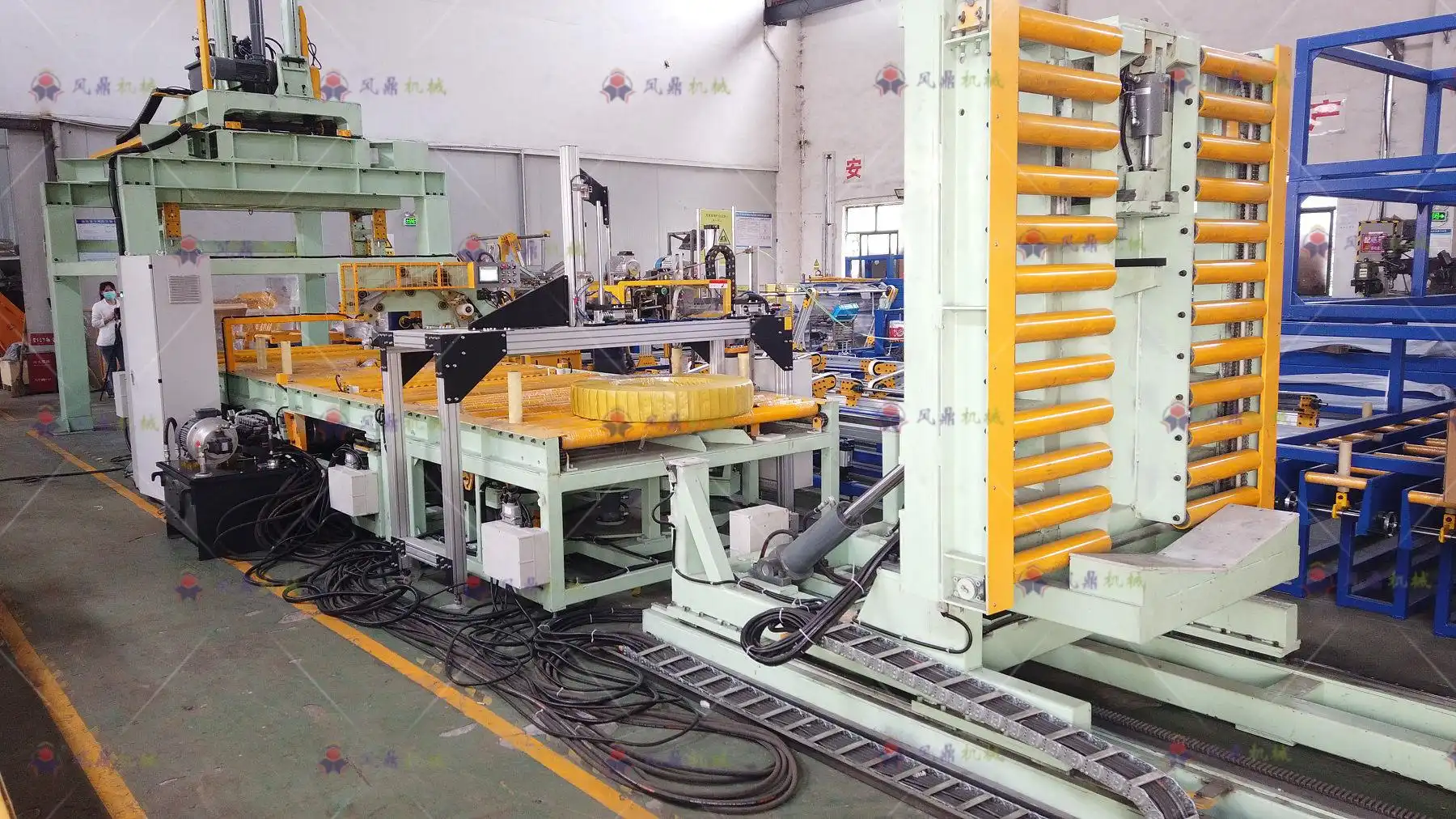
6. Competitive Factors in the Global Market
Chinese manufacturers of coil packing solutions maintain a strong position globally due to several factors:
a. Cost-Effective Manufacturing
Leveraging efficient production processes and economies of scale, Chinese suppliers often provide technologically advanced systems at competitive price points, making automation accessible to a wider range of businesses.
b. Adaptability to Global Standards
Manufacturers demonstrate flexibility in designing systems that meet diverse international standards regarding safety, electrical codes, and packaging requirements specific to different regions and industries.
c. Established Supply Chains and Support Networks
Many leading providers have established global sales and service networks, offering installation support, technical assistance, maintenance services, and readily available spare parts to international clients, ensuring long-term operational reliability.
7. Industries Benefiting from Automatic Coil Packing
A diverse range of industries rely on efficient and reliable coil packaging:
a. Steel Industry
Producers and service centers handling hot-rolled, cold-rolled, galvanized, or stainless steel coils use automated systems extensively to protect valuable material and handle heavy loads safely and efficiently.
b. Aluminum Industry
Aluminum coils, often sensitive to surface damage, require careful handling and wrapping. Automated systems provide precise control needed to package these coils securely without causing scratches or deformation.
c. Copper and Brass Industry
High-value copper and brass coils, particularly those for electrical or specialized applications, require robust protection against corrosion and physical damage. Automated lines offer tailored wrapping solutions, often incorporating VCI materials.
d. Wire and Cable Industry
Producers of wire rod, cables, and wire ropes utilize automated coil and spool packaging lines for efficient wrapping, strapping, and handling.
e. Logistics and Distribution Centers
Facilities handling large volumes of metal coils benefit from automated packaging and palletizing systems to streamline operations, improve inventory management, and speed up dispatch processes.
8. Emphasis on Sustainability in Coil Packaging
Environmental considerations are increasingly influencing packaging machinery design. Chinese manufacturers are incorporating sustainable practices:
a. Material Efficiency
Optimized wrapping programs and tension control minimize the consumption of stretch film and other packaging materials, reducing waste and operational costs.
b. Energy Efficiency
Modern system designs often focus on reducing energy consumption through efficient motors, drives, and control strategies, contributing to lower carbon footprints and utility costs.
c. Compatibility with Recyclable Materials
Systems are designed to work effectively with recyclable packaging materials like PET strapping and certain types of films, supporting corporate sustainability goals.
9. Future Trends in Automatic Coil Packing
The field of automatic coil packing continues to evolve, driven by ongoing technological advancements:
a. Deeper AI and Machine Learning Integration
Future systems may feature enhanced AI capabilities for self-optimization, more sophisticated predictive maintenance based on real-time sensor data, and adaptive process control responding dynamically to variations in coil properties or environmental conditions.
b. Increased Use of Collaborative Robots (Cobots)
Cobots could work alongside human operators in specific tasks like quality inspection, labeling, or material replenishment, enhancing flexibility and safety without requiring extensive guarding like traditional industrial robots.
c. Enhanced Data Analytics and Connectivity
Further integration with cloud platforms and advanced analytics will provide deeper insights into operational performance, enabling data-driven decision-making for optimizing efficiency, quality, and maintenance strategies.
d. Continued Focus on Sustainable Solutions
Ongoing development will likely yield more energy-efficient designs and systems capable of handling a wider range of eco-friendly or biodegradable packaging materials.
10. Conclusion
Automatic coil packing solutions developed in China offer sophisticated technological capabilities designed to meet the demanding requirements of modern industrial operations. By focusing on precision engineering, customization, efficiency, safety, and increasingly, sustainability, these systems provide significant value to industries handling metal coils worldwide. Key advancements in automation, control systems, IoT connectivity, and AI integration continue to enhance performance and reliability. For businesses looking to improve productivity, ensure product protection, enhance workplace safety, and manage operational costs effectively, investing in suitable automatic coil packing technology represents a strategic step towards maintaining competitiveness in a dynamic global market.