Why On-Site Training is Crucial for Steel Coil Packing Line Operators
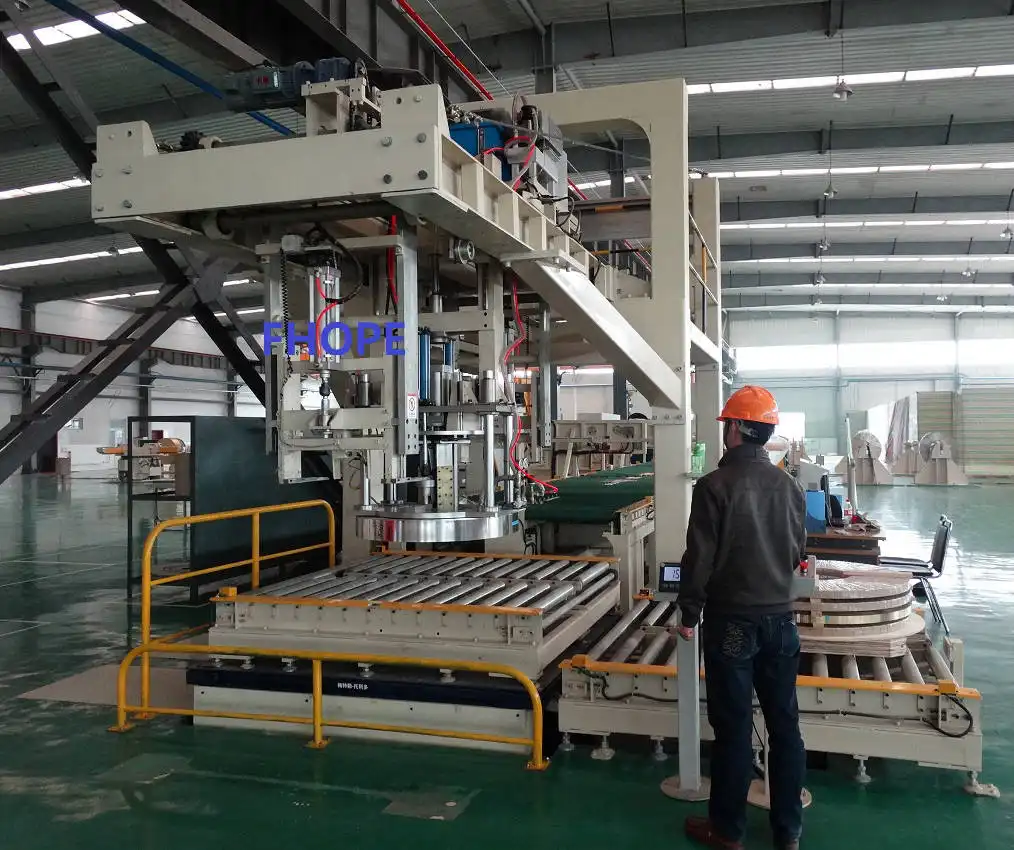
In today's advanced manufacturing environments, automation significantly boosts efficiency. However, the human element remains critical, particularly the proficiency of machine operators. For complex systems like the steel coil packing line, comprehensive on-site training for operators is not just beneficial—it's essential. Effective training programs enhance productivity, significantly reduce operational risks, prevent costly errors, and contribute to the longevity of valuable machinery.
This article delves into the critical importance of on-site training for steel coil packing line operators, examining its impact on safety, efficiency, and equipment maintenance. We'll also outline key considerations for companies aiming to equip their workforce adequately for modern automated packaging systems.
1. Enhance Operational Efficiency and Throughput
A primary advantage of targeted on-site training is a measurable boost in operational efficiency. Operators who receive thorough, hands-on training can better leverage the full capabilities of the steel coil packing line, leading to increased throughput and minimized errors. Understanding critical operational details—such as adjusting parameters for varying coil dimensions, weights, or materials—directly translates to smoother, faster line performance.
Conversely, operators lacking adequate training may struggle to optimize machine settings, resulting in slower production cycles and a higher incidence of mistakes. These errors can range from improperly secured coils, leading to potential transport damage, to incorrect machine operation causing malfunctions and expensive downtime. On-site training, conducted within the actual working environment using the specific equipment, allows operators to contextualize their learning, enhancing their troubleshooting skills and adaptability to real-time operational demands.
Why Tailored, On-Site Programs Excel
Generic training modules often fall short when applied to specialized equipment like steel coil packing lines. Each facility and machine configuration presents unique operational nuances. On-site training addresses this by:
- Customization: Tailoring the curriculum to the specific machinery and workflow operators will encounter daily.
- Contextual Learning: Allowing trainers to incorporate environmental factors (e.g., space limitations, ambient conditions) that might affect machine operation.
- Practical Application: Focusing on hands-on practice directly on the equipment, solidifying understanding and reducing the learning curve.
This targeted approach minimizes errors stemming from unfamiliarity and equips operators to handle the specific challenges inherent to their work environment.
2. Improve Workplace Safety Standards
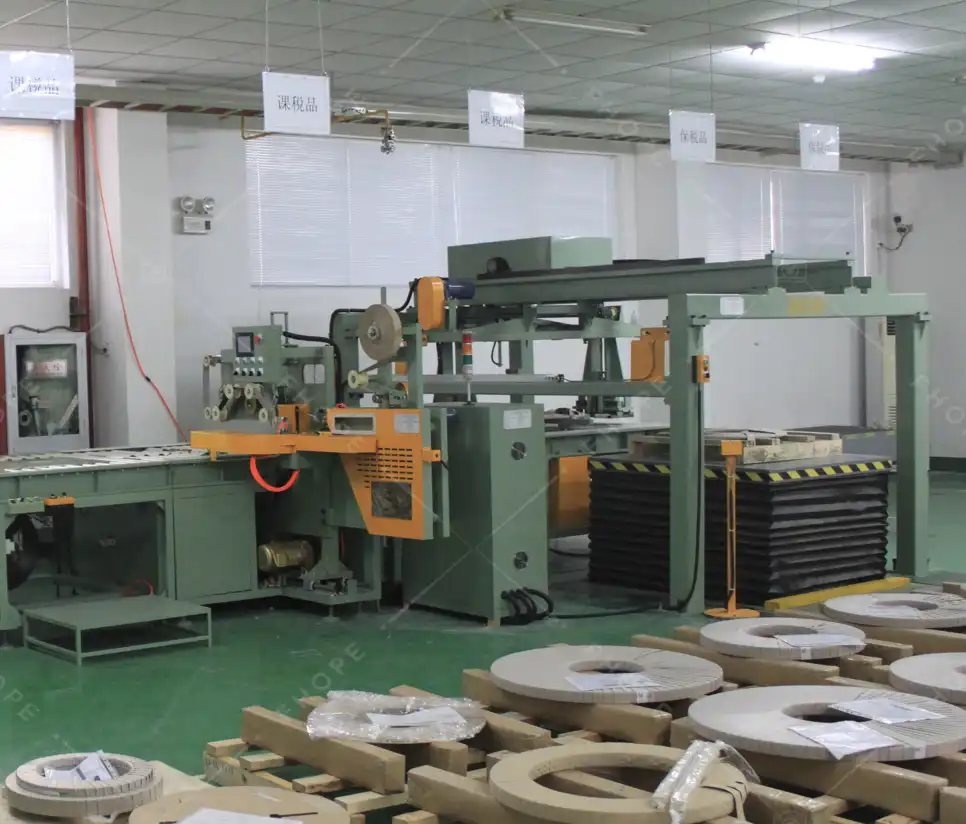
Safety is non-negotiable in industrial settings, particularly when operating heavy machinery involved in steel coil handling. On-site training is fundamental to instilling a deep understanding of safety protocols specific to the packing line. Key safety elements covered should include:
- Safe handling procedures for heavy, potentially unstable steel coils.
- Correct operation of loading, unloading, and transfer mechanisms.
- Emergency procedures and quick response to malfunctions.
- Proper use of machine-specific safety features (e.g., emergency stops, light curtains, physical guards).
Comprehensive training directly mitigates risks associated with improper equipment use, a common cause of workplace accidents. Familiarity with the machinery and established safety protocols fosters a safer working environment.
Reducing Risks of Injury and Equipment Damage
Steel coils pose significant risks due to their weight and bulk. Effective on-site training emphasizes the safest methods for manipulation and movement, drastically reducing the potential for operator injury. Furthermore, well-trained operators understand the machine's operational limits and are less likely to cause undue stress or wear, preventing costly equipment damage and subsequent repairs. By reinforcing safety best practices, companies protect their employees and their capital investments, minimizing accident-related downtime.
3. Minimize Downtime Through Effective Troubleshooting
Unplanned downtime significantly impacts production schedules and profitability. Operators equipped with solid on-site training are far more capable of identifying and resolving minor operational issues before they escalate into major breakdowns.
Training should empower operators to diagnose common problems encountered on steel coil packing lines, such as:
- Coil alignment errors.
- Strapping or wrapping material feed issues.
- Sensor malfunctions or calibration needs.
- Basic software interface errors.
Operators trained on-site can often implement immediate corrective actions for minor issues or provide precise information when escalating complex problems to maintenance teams, thereby reducing the overall duration machines are non-operational.
Real-Time Problem-Solving Capabilities
Training conducted directly on the production floor provides invaluable practical experience. Operators learn to troubleshoot within the context of their actual workflow, applying knowledge immediately to real-world scenarios. They become proficient in managing the specific intricacies of their assigned machinery, from handling diverse coil specifications to recognizing early signs of mechanical wear. This ability to solve problems in real-time is crucial in fast-paced environments where every minute of uptime counts.
4. Extend Equipment Lifespan Through Proper Care
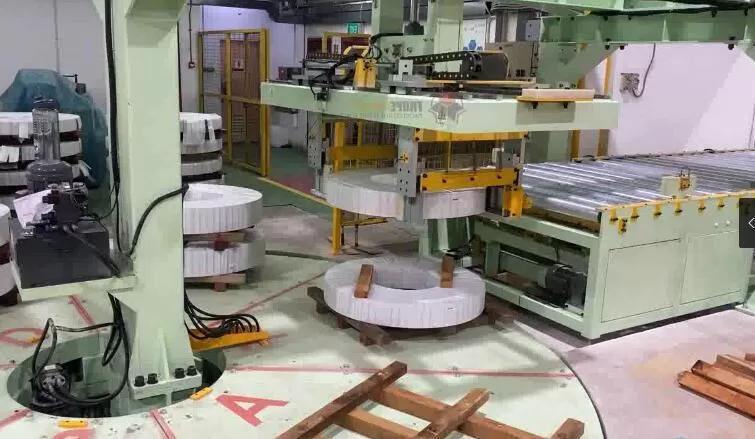
While all machinery has a finite operational life, its longevity heavily depends on proper usage and maintenance. Incorrect operation or neglected maintenance can prematurely degrade a steel coil packing line. On-site training instills the correct procedures for both operating and maintaining the equipment effectively.
Trained operators are more likely to:
- Adhere to preventive maintenance schedules diligently.
- Perform routine cleaning and inspections.
- Recognize and report early warning signs of potential component failure.
This proactive approach not only ensures consistent performance but also significantly extends the machinery's operational lifespan, maximizing the return on investment.
Understanding and Applying Maintenance Protocols
Effective on-site training includes detailed instruction on machine-specific maintenance protocols. This covers essential tasks like lubrication schedules, component inspection checklists, and identifying indicators of mechanical stress or wear. Equipping operators with this knowledge ensures the packing line remains in optimal working condition, minimizing unexpected failures and allowing for better planning of scheduled maintenance with minimal disruption to production.
5. Enhance Product Quality and Packaging Consistency
Consistent packaging quality is vital for protecting steel coils during transit and storage, directly impacting customer satisfaction. Operators without sufficient training may struggle with machine settings, leading to inconsistently wrapped or strapped coils that offer inadequate protection or stability.
Proper on-site training ensures operators can accurately adjust machine parameters (e.g., wrapping tension, strap placement, film overlap) to suit the specific dimensions, weight, and surface characteristics of each coil. This results in:
- Uniform Packaging: Every coil receives consistent, high-quality packaging.
- Reduced Damage: Better protection minimizes transit-related damage claims.
- Improved Customer Perception: Consistently well-packaged products enhance brand reputation.
Adapting to Diverse Packaging Requirements
Steel coils vary widely, and packaging needs can differ accordingly. On-site training develops an operator's ability to quickly adapt the packing process for different coil types. Mastering fine-tuned adjustments ensures each coil, regardless of its specifications, is packaged securely and effectively, maintaining high standards of product protection and presentation.
6. Reduce Long-Term Operational Costs
Although initial investment is required, comprehensive on-site training delivers substantial long-term cost savings. These savings manifest through:
- Reduced Equipment Downtime: Faster troubleshooting and fewer breakdowns.
- Lower Maintenance Costs: Fewer major repairs due to preventative care and proper operation.
- Decreased Accident Rates: Fewer injury-related costs and insurance impacts.
- Improved Product Quality: Less waste and fewer costs associated with damaged goods or returns.
- Extended Machinery Lifespan: Delaying capital expenditure on replacement equipment.
A well-trained workforce directly translates to smoother operations and fewer unexpected expenses, contributing positively to the bottom line.
Maximizing ROI Through Skilled Operators
Investing in operator skill development maximizes the return on investment for both personnel and machinery. Skilled operators handle tasks more efficiently, maintain higher throughput with fewer errors, and require less frequent intervention from specialized technicians for minor issues. This optimized performance directly enhances the overall productivity and profitability of the packing line operation.
Conclusion
The strategic value of providing thorough, customized on-site training for steel coil packing line operators is undeniable. The benefits—ranging from enhanced operational efficiency, improved safety records, and extended equipment life to better product quality and reduced long-term costs—collectively contribute to a more robust and profitable operation. Companies prioritizing hands-on, machine-specific training empower their workforce, fostering skill, confidence, and productivity.
In an industry where precision, reliability, and safety are paramount, ensuring operators are fully competent in handling sophisticated packing machinery is not merely a best practice—it is a fundamental requirement for sustained success. Investing in your operators through quality on-site training is investing in the efficiency, safety, and longevity of your entire steel coil packaging process.