Implementing Eco-Friendly Practices in Steel Coil Packaging: A How-To Guide
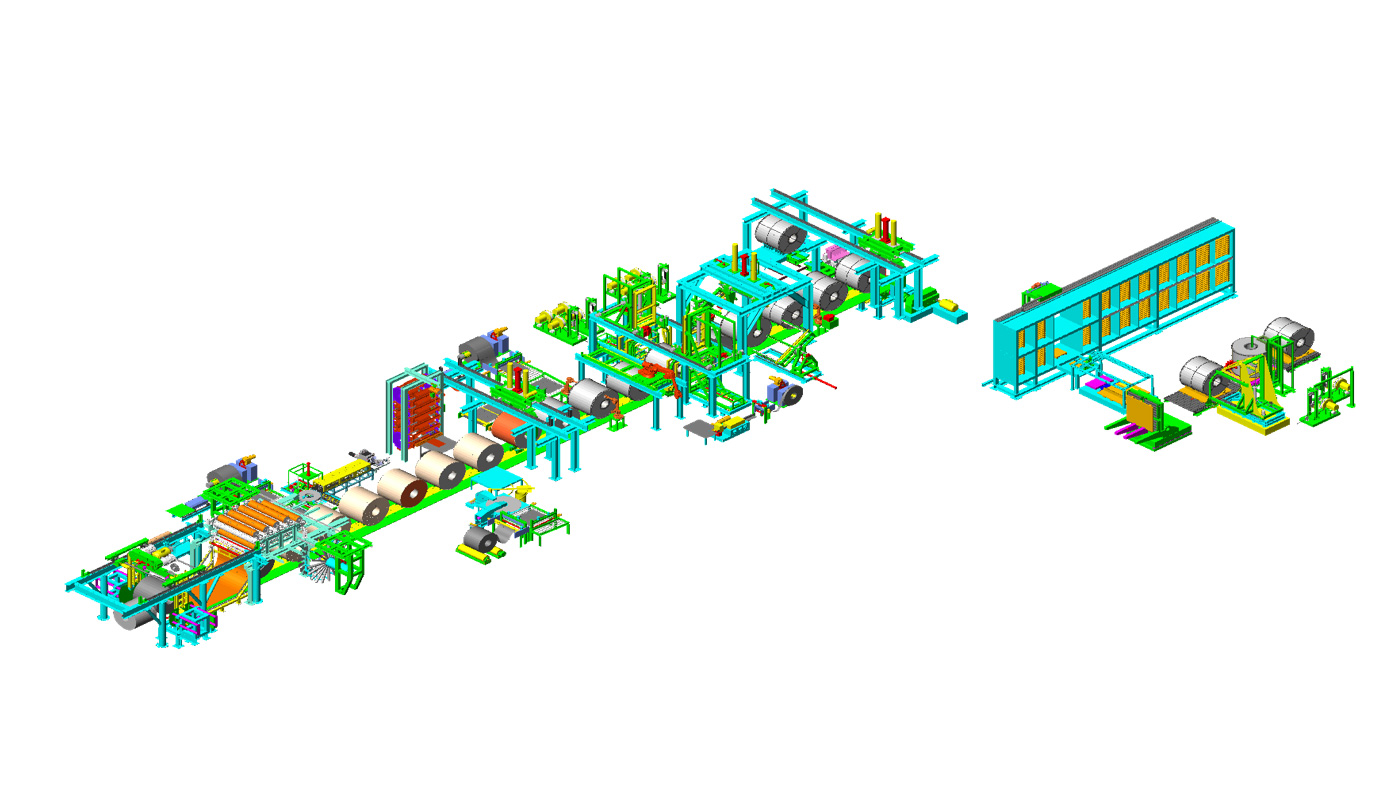
Sustainability is no longer optional—it's a core operational imperative. Across industries, the pressure mounts to minimize environmental impact, and the steel coil packaging sector is integral to this shift. Implementing eco-friendly practices has become crucial for companies aiming to meet global sustainability goals, comply with regulations, and satisfy stakeholder expectations. This guide explores actionable strategies for incorporating sustainable practices into your steel coil packaging operations, covering material selection, waste reduction, energy efficiency, and more, helping you reduce your environmental footprint while potentially improving efficiency.
1. Understanding the Urgency: Why Sustainable Steel Coil Packaging Matters
Before detailing specific actions, it's vital to grasp the significance of sustainability in this context. The steel industry inherently consumes substantial resources and energy. While significant strides have been made in greening steel production, the packaging phase often remains a substantial source of waste and environmental burden.
Conventional packaging materials, especially single-use plastics and non-recyclable components, contribute heavily to landfill volumes and environmental pollution. By adopting eco-friendly packaging solutions, businesses can achieve several key objectives:
- Reduce Environmental Footprint: Directly lessen contributions to waste streams and pollution.
- Enhance Brand Reputation: Appeal to environmentally conscious customers and partners.
- Meet Regulatory Demands: Stay ahead of evolving environmental legislation regarding waste and materials.
- Potential Cost Savings: Optimized material use and energy efficiency can lower operational expenses.
Prioritizing green practices is increasingly becoming a competitive differentiator and a requirement for long-term business viability.
2. Selecting Sustainable Packaging Materials for Steel Coils
A primary step towards eco-friendly packaging involves transitioning away from environmentally harmful materials like virgin plastics, certain tapes, and non-recyclable foams. Consider these sustainable alternatives:
- Recycled Content Materials: Utilize packaging films, corner protectors, or strapping made from post-consumer or post-industrial recycled content. Specify high percentages of recycled material where possible.
- Biodegradable and Compostable Options: Explore bio-based plastics or films (like PLA) or specially treated papers that decompose under specific conditions. Ensure these are suitable for the required protection level and compatible with end-of-life disposal infrastructure.
- Paper-Based Solutions: Investigate high-strength, moisture-resistant papers, potentially incorporating VCI (Vapor Corrosion Inhibitor) for rust prevention, as alternatives to plastic films. Ensure they are sourced from sustainably managed forests (e.g., FSC certified).
- Reusable Packaging Systems: Implement durable, returnable packaging components like metal or heavy-duty plastic pallets, custom dunnage, or robust wraps designed for multiple trips. This significantly cuts down on single-use waste but requires logistical planning for returns.
Evaluate material performance carefully to ensure that sustainable choices still provide adequate protection against moisture, corrosion, and physical damage during transit and storage.
3. Implementing Strategies for Material Waste Minimization
Choosing the right materials is only part of the equation; reducing the amount of material used is equally critical. Over-packaging not only inflates costs but also exacerbates the waste problem. Focus on optimization:
- Right-Sizing Packaging: Analyze coil dimensions and tailor packaging configurations accordingly. Avoid excessive layering or oversized components. Utilize software or tools to calculate optimal material usage.
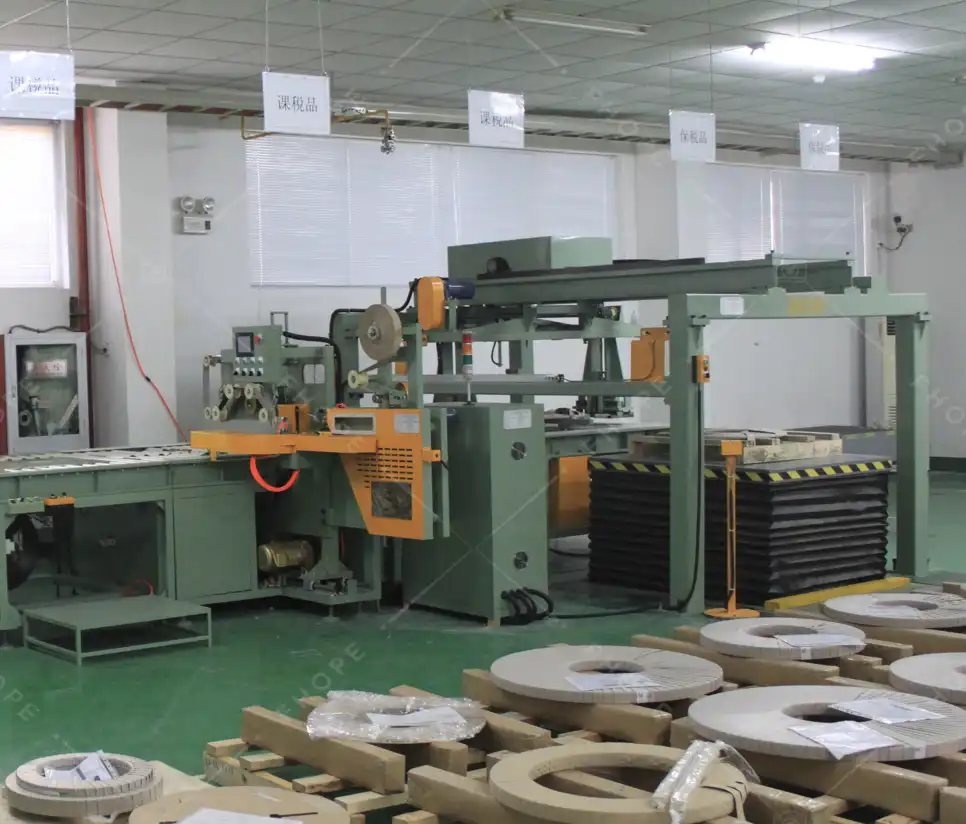
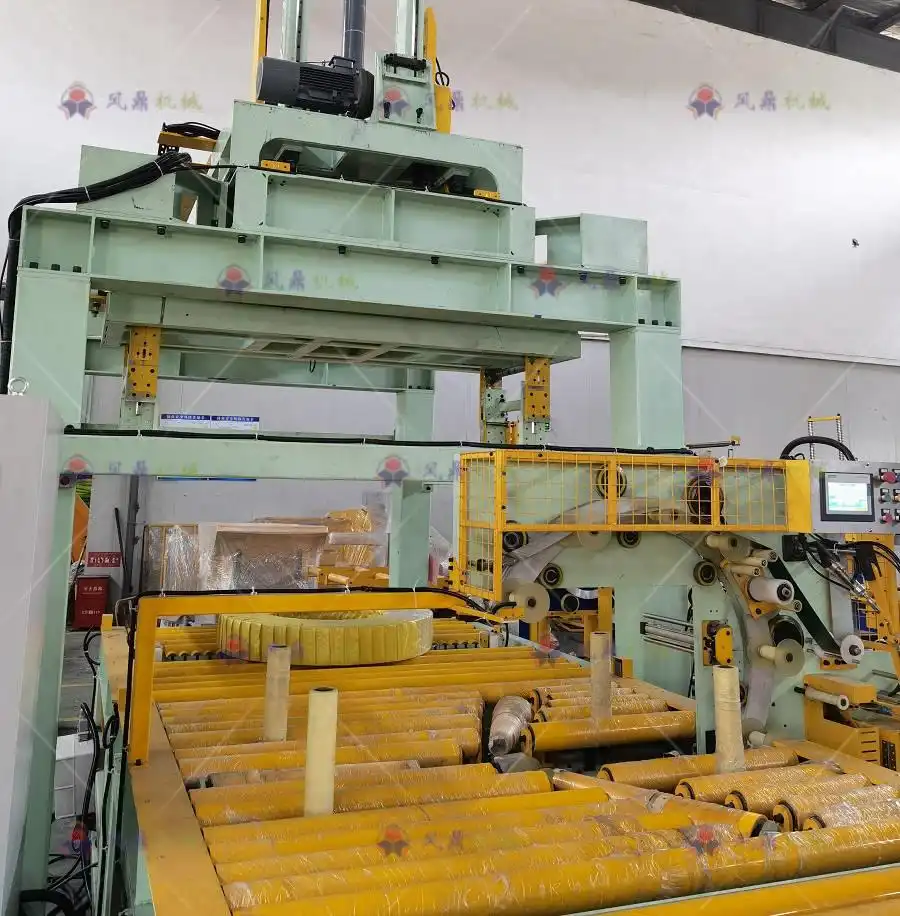
- Advanced Packaging Machinery: Modern automated wrapping or strapping machines can be programmed for precise material application, minimizing overuse compared to manual methods. Features like pre-stretch units on stretch wrappers can significantly reduce film consumption.
- Waste Stream Analysis: Regularly audit the waste generated from packaging operations. Identify sources of excessive scrap or offcuts and adjust processes or equipment settings to reduce them.
- Closed-Loop Recycling: Establish internal systems to collect and segregate recyclable packaging scrap (e.g., film offcuts, damaged paper) for recycling, potentially reprocessing it back into usable material where feasible.
4. Investing in Energy-Efficient Packaging Machinery
The energy consumed by packaging lines contributes significantly to the operation's overall carbon footprint. Prioritizing energy efficiency alongside material sustainability is essential:
- Select Efficient Equipment: When purchasing new or upgrading existing machinery (wrappers, strappers, conveyors), look for models designed with energy-saving features. This can include:
- Variable speed drives (VSDs) or servo motors that consume less power during idle times or lower speeds.
- Optimized heating elements (if applicable, e.g., for shrink wrapping).
- Efficient pneumatic or hydraulic systems.
- Implement Smart Controls: Utilize PLC controls and sensors that allow for optimized machine operation, including automatic shutdowns during extended idle periods.
- Regular Maintenance: Well-maintained equipment operates more efficiently. Ensure regular servicing, lubrication, and calibration of packaging machinery to prevent energy waste due to friction or malfunction.
- Monitor Energy Consumption: Install sub-metering or use machine data interfaces to track the energy usage of specific packaging lines. This data helps identify high-consumption areas and target efficiency improvements.
5. Embracing Circular Economy Principles in Packaging
Adopting a circular economy mindset means shifting from a linear "take-make-dispose" model to one that emphasizes waste reduction, reuse, and recycling, keeping materials in use for as long as possible.
- Design for Recyclability: Choose mono-materials or easily separable components for packaging to simplify the recycling process at the end-of-life stage. Avoid combinations of materials that are difficult to separate.
- Promote Reusability: Actively develop and promote reusable packaging solutions where logistics permit (e.g., dedicated transport loops between facilities or with key customers).
- Supplier Collaboration: Engage with suppliers to ensure they also follow sustainable practices and provide materials that align with circular principles (e.g., high recycled content, easily recyclable).
- End-of-Life Management: Provide clear information to end-users about how to properly recycle or dispose of the packaging materials. Participate in or support industry take-back schemes where applicable.

brass copper strip vacuum handling and welding line2 6. Fostering Employee Training and Awareness
Successful implementation of eco-friendly practices relies heavily on workforce engagement and understanding.
- Comprehensive Training: Conduct regular training sessions covering:
- The importance of sustainability goals.
- Proper handling and segregation of sustainable materials.
- Techniques for minimizing material waste during packaging.
- Correct operation of energy-efficient machinery features.
- Waste sorting and recycling procedures.
- Cultivate a Sustainable Culture: Encourage employees to identify and suggest improvements for reducing waste or energy consumption. Recognize and reward participation in green initiatives.
- Clear Communication: Ensure sustainability policies and procedures are clearly documented and easily accessible to all relevant personnel. Visual aids and reminders in work areas can reinforce best practices.
Involve employees from the factory floor, as they often possess valuable insights into practical operational improvements.
7. Tracking, Reporting, and Continuous Improvement
To gauge the effectiveness of your sustainability initiatives and drive further progress, robust tracking and reporting are essential.
- Establish Key Performance Indicators (KPIs): Define specific, measurable metrics related to packaging sustainability. Examples include:
- Percentage reduction in packaging material volume or weight per coil.
- Percentage of packaging materials from recycled or renewable sources.
- Kilograms of packaging waste sent to landfill vs. recycled.
- Energy consumption (kWh) per unit packaged.
- Regular Monitoring and Analysis: Collect data consistently and review performance against KPIs regularly (e.g., monthly or quarterly). Analyze trends to identify successes and areas needing improvement.
- Sustainability Reporting: Consider publishing internal or external sustainability reports detailing your efforts, progress against goals, and future commitments. Transparency builds trust with customers, investors, and other stakeholders.
- Continuous Improvement Cycle: Use the data and insights gathered to refine strategies, set new targets, and continuously enhance the environmental performance of your steel coil packaging operations.
examining slit coil handling and packaging line2 Conclusion: Packaging for a Sustainable Future
Implementing eco-friendly practices in steel coil packaging is an essential component of responsible manufacturing and supply chain management. By strategically selecting sustainable materials, rigorously minimizing waste, investing in energy-efficient technology, embracing circular economy concepts, engaging the workforce, and diligently tracking progress, companies can significantly reduce their environmental footprint.
This transition not only addresses regulatory pressures and environmental concerns but also enhances brand image, potentially reduces operational costs, and meets the growing demand from customers and stakeholders for sustainable business practices. Integrating these green strategies into your steel coil packaging operations is a proactive step towards securing a more sustainable and competitive future.